Granulomatosis with polyangiitis
Last updated 18 Aug 2020
Meets Patient’s editorial guidelines
- DownloadDownload
- Share
- Language
- Discussion
- Ask Patient
- Audio Version
- Add to preferred sources on Google
Granulomatosis with polyangiitis (GPA) is a condition that causes inflammation that primarily affects the respiratory tract (including the lungs and airways) and the kidneys. This disorder is formerly known as Wegener granulomatosis. A characteristic feature of GPA is inflammation of blood vessels (vasculitis), particularly the small- and medium-sized blood vessels in the lungs, nose, sinuses, windpipe, and kidneys, although vessels in any organ can be involved. Polyangiitis refers to the inflammation of multiple types of vessels, such as small arteries and veins. Vasculitis causes scarring and tissue death in the vessels and impedes blood flow to tissues and organs.
Video picks for Genetic conditionsVideo library
Description
Granulomatosis with polyangiitis (GPA) is a condition that causes inflammation that primarily affects the respiratory tract (including the lungs and airways) and the kidneys. This disorder is formerly known as Wegener granulomatosis. A characteristic feature of GPA is inflammation of blood vessels (vasculitis), particularly the small- and medium-sized blood vessels in the lungs, nose, sinuses, windpipe, and kidneys, although vessels in any organ can be involved. Polyangiitis refers to the inflammation of multiple types of vessels, such as small arteries and veins. Vasculitis causes scarring and tissue death in the vessels and impedes blood flow to tissues and organs.
Another characteristic feature of GPA is the formation of granulomas, which are small areas of inflammation composed of immune cells that aid in the inflammatory reaction. The granulomas usually occur in the lungs or airways of people with this condition, although they can occur in the eyes or other organs. As granulomas grow, they can invade surrounding areas, causing tissue damage.
The signs and symptoms of GPA vary based on the tissues and organs affected by vasculitis. Many people with this condition experience a vague feeling of discomfort (malaise), fever, weight loss, or other general symptoms of the body's immune reaction. In most people with GPA, inflammation begins in the vessels of the respiratory tract, leading to nasal congestion, frequent nosebleeds, shortness of breath, or coughing. Severe inflammation in the nose can lead to a hole in the tissue that separates the two nostrils (nasal septum perforation) or a collapse of the septum, causing a sunken bridge of the nose (saddle nose).
The kidneys are commonly affected in people with GPA. Tissue damage caused by vasculitis in the kidneys can lead to decreased kidney function, which may cause increased blood pressure or blood in the urine, and life-threatening kidney failure. Inflammation can also occur in other regions of the body, including the eyes, middle and inner ear structures, skin, joints, nerves, heart, and brain. Depending on which systems are involved, additional symptoms can include skin rashes, inner ear pain, swollen and painful joints, and numbness or tingling in the limbs.
GPA is most common in middle-aged adults, although it can occur at any age. If untreated, the condition is usually fatal within 2 years of diagnosis. Even after treatment, vasculitis can return.
Inheritance patterns
The source lists the following possible inheritance patterns: Pattern unknown. More than one pattern can apply in different cases.
Related genes
Other names
GPA
Patient picks for Genetic conditions
Allergies, blood and immune system
Granulomatosis with polyangiitis
In the condition called granulomatosis with polyangiitis, the walls of small and medium-sized blood vessels become inflamed. It mainly affects adults. It can start with flu-like symptoms but many other symptoms can develop, depending on which parts of the body are affected. Treatment with medicines to reduce the activity of the immune system and treatment with steroids have improved the outlook considerably.
by Dr Colin Tidy, MRCGP

General health and lifestyle
Book a Pharmacy First online consultation
NHS Pharmacy First is a new scheme from the Government and NHS in England. It allows patients to get treatment, including prescription medications where necessary, for common conditions without t... Through NHS Pharmacy First, My Local Surgery offers fast, free private online consultations with an NHS pharmacist for quick diagnosis and.
by Thomas Andrew Porteus, MBCS

Condition & symptom support
Seated Hip Abductions With Resistance Band
The Seated Hip Abduction With Resistance Band strengthens the outer hips and glutes while improving lower-body control. Sit tall with a resistance band looped around your thighs, feet flat, and knees bent. Press your knees outward against the band, then return slowly to the starting position. This exercise enhances hip strength, joint stability, and posture.
Lower body strength & conditioning exercises
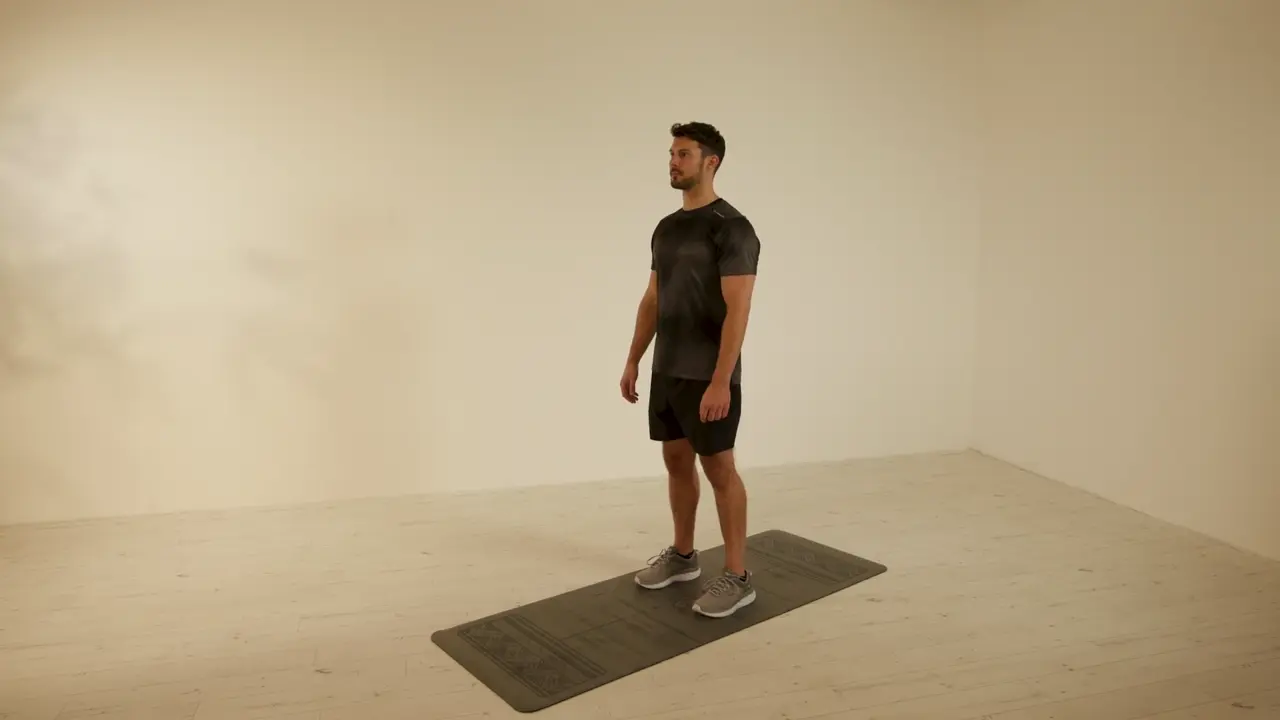
Plyometric Squat Jump
Boost your leg power and explosiveness with Plyometric Squat Jumps. This exercise involves squatting and jumping, targeting your Lower Body while promoting agility and strength.

Condition & symptom support
Seated Single Arm Banded Overhead Press
The Seated Single Arm Banded Overhead Press is a unilateral strength exercise that targets the shoulders and arms. Sit tall with one end of the resistance band under your foot and hold the other end in one hand at shoulder height. Press the band overhead until your arm is straight, then lower with control. This exercise builds shoulder stability and balanced strength.

Condition & symptom support
Supported Standing Step Ups Slow
The Supported Standing Step Up Slow is a lower-body strength and balance exercise that targets the legs and glutes. Stand in front of a low step or platform and hold a support for balance. Step up slowly with one foot, then bring the other to meet it before stepping down. Repeat with control. This exercise enhances strength, coordination, and stability.
Related patient information and medicines
Patient information leaflet
Granulomatosis with polyangiitis
In the condition called granulomatosis with polyangiitis, the walls of small and medium-sized blood vessels become inflamed. It mainly affects adults. Treatment with medicines to reduce the activity of the immune system and treatment with steroids have improved the outlook considerably. What is granulomatosis w... Granulomatosis with polyangiitis.

Patient information leaflet
Chronic sinusitis
Chronic sinusitis is inflammation of the sinuses that lasts a long time, usually defined as 12 weeks or more. Other medical conditions Sometimes, chronic sinusitis can develop as a result of another medical condition. Granulomatosis with polyangiitis Granulomatosis with polyangiitis , a rare condition causing inflammation of blood vessels. A.

Patient information leaflet
Persistent rhinitis
Rhinitis medicamentosa is the name given... Regular cocaine use can lead to rhinitis. It can also cause much more severe damage to the inside of the nose. Some types of vasculitis (conditions causing inflammation of blood vessels) can cause rhinitis symptoms, particularly granulomatosis with polyangiitis. These conditions are rare, and cause other.

Patient information leaflet
Retinal artery occlusion
Retinal artery occlusion is an emergency and requires urgent treatment if there is to be a chance of restoring your sight. There are a number of ways in which the retinal arter... Around 6 in 10 of these patients will have high blood pressure and around 1 in 4 have diabetes. Inflammatory conditions can make the artery wall swollen and blocked -.

Patient information leaflet
Coughing up blood
As a genera... This leaflet discusses the main causes of coughing up blood. Why am I coughing up blood. Inflamed or abnormal tissue in the airways or lungs may bleed from time to time and cause haemoptysis. Conditions that can cause this include Goodpasture's syndrome, pulmonary haemosiderosis, granulomatosis with polyangiitis, lupus pneumonitis,.

Patient information leaflet
Dilated cardiomyopathy
Systemic lupus erythematosus (SLE) Lupus. Polyarteritis nodosa Polyarteritis nodosa. Granulomatosis with polyangiitis Granulomatosis with polyangiitis. Dilated cardiomyopathy symptoms People with early dilated cardiomyopathy, causing mild enlargement of the heart, may not have any symptoms. However, if the heart becomes very dilated, symptoms will.
Further reading and references
- Granulomatosis with polyangiitis; MedlinePlus, National Library of Medicine.
- Lamprecht P, Wieczorek S, Epplen JT, Ambrosch P, Kallenberg CG. Granuloma formation in ANCA-associated vasculitides. APMIS Suppl. 2009 Jun;(127):32-6. doi: 10.1111/j.1600-0463.2009.02474.x.
- Lyons PA, Rayner TF, Trivedi S, Holle JU, Watts RA, Jayne DR, Baslund B, Brenchley P, Bruchfeld A, Chaudhry AN, Cohen Tervaert JW, Deloukas P, Feighery C, Gross WL, Guillevin L, Gunnarsson I, Harper L, Hruskova Z, Little MA, Martorana D, Neumann T, Ohlsson S, Padmanabhan S, Pusey CD, Salama AD, Sanders JS, Savage CO, Segelmark M, Stegeman CA, Tesar V, Vaglio A, Wieczorek S, Wilde B, Zwerina J, Rees AJ, Clayton DG, Smith KG. Genetically distinct subsets within ANCA-associated vasculitis. N Engl J Med. 2012 Jul 19;367(3):214-23. doi: 10.1056/NEJMoa1108735.
- Mahr AD, Neogi T, Merkel PA. Epidemiology of Wegener's granulomatosis: Lessons from descriptive studies and analyses of genetic and environmental risk determinants. Clin Exp Rheumatol. 2006 Mar-Apr;24(2 Suppl 41):S82-91.
- Schilder AM. Wegener's Granulomatosis vasculitis and granuloma. Autoimmun Rev. 2010 May;9(7):483-7. doi: 10.1016/j.autrev.2010.02.006. Epub 2010 Feb 13.
- Wieczorek S, Holle JU, Epplen JT. Recent progress in the genetics of Wegener's granulomatosis and Churg-Strauss syndrome. Curr Opin Rheumatol. 2010 Jan;22(1):8-14. doi: 10.1097/BOR.0b013e3283331151.
Share your thoughts or experiences with others in our patient communities.
Simple access to trusted treatments and health services online.
Common conditions
Get help with common conditions through the NHS, without a GP appointment.





Sign up to the Patient newsletter
Your weekly dose of clear, trustworthy health advice - written to help you feel informed, confident and in control.
By subscribing you accept our Privacy Policy. You can unsubscribe at any time. We never sell your data.