Microcephalic osteodysplastic primordial dwarfism type II
Last updated 27 Feb 2023
Meets Patient’s editorial guidelines
- DownloadDownload
- Share
- Language
- Discussion
- Ask Patient
- Audio Version
- Add to preferred sources on Google
Microcephalic osteodysplastic primordial dwarfism type II (MOPDII) is a condition characterised by short stature (dwarfism) with other skeletal abnormalities (osteodysplasia) and an unusually small head size (microcephaly). The growth problems in MOPDII are primordial, meaning they begin before birth, with affected individuals showing slow prenatal growth (intrauterine growth retardation). After birth, affected individuals continue to grow at a very slow rate. The final adult height of people with this condition ranges from 20 inches to 40 inches. Other skeletal abnormalities in MOPDII include abnormal development of the hip joints (hip dysplasia), thinning of the bones in the arms and legs, an abnormal side-to-side curvature of the spine (scoliosis), and shortened wrist bones. In people with MOPDII head growth slows over time; affected individuals have an adult brain size comparable to that of a 3-month-old infant. However, intellectual development is typically normal.
Video picks for Genetic conditionsVideo library
Description
Microcephalic osteodysplastic primordial dwarfism type II (MOPDII) is a condition characterised by short stature (dwarfism) with other skeletal abnormalities (osteodysplasia) and an unusually small head size (microcephaly). The growth problems in MOPDII are primordial, meaning they begin before birth, with affected individuals showing slow prenatal growth (intrauterine growth retardation). After birth, affected individuals continue to grow at a very slow rate. The final adult height of people with this condition ranges from 20 inches to 40 inches. Other skeletal abnormalities in MOPDII include abnormal development of the hip joints (hip dysplasia), thinning of the bones in the arms and legs, an abnormal side-to-side curvature of the spine (scoliosis), and shortened wrist bones. In people with MOPDII head growth slows over time; affected individuals have an adult brain size comparable to that of a 3-month-old infant. However, intellectual development is typically normal.
People with this condition have a high-pitched, nasal voice and some have a narrowing of the voicebox (subglottic stenosis). Facial features characteristic of MOPDII include a prominent nose, full cheeks, a long midface, and a small jaw. Other signs and symptoms seen in some people with MOPDII include small teeth (microdontia) and farsightedness. Over time, affected individuals may develop areas of abnormally light or dark skin coloring (pigmentation).
Many individuals with MOPDII have blood vessel abnormalities. For example, some affected individuals develop a bulge in one of the blood vessels at the center of the brain (intracranial aneurysm). These aneurysms are dangerous because they can burst, causing bleeding within the brain. Some affected individuals have Moyamoya disease, in which arteries at the base of the brain are narrowed, leading to restricted blood flow. These vascular abnormalities are often treatable, though they increase the risk of stroke and reduce the life expectancy of affected individuals.
Inheritance patterns
The source lists the following possible inheritance patterns: Autosomal recessive. More than one pattern can apply in different cases.
Related genes
Other names
Majewski osteodysplastic primordial dwarfism type II
MOPD2
MOPDII
Osteodysplastic primordial dwarfism type II
Patient picks for Genetic conditions

Children's health
Restricted growth
Dwarfism is a medical or genetic condition which causes people to have restricted growth so that they are shorter than average. Specifically, people with dwarfism grow no higher than 4 ft 10 ins (147 cm). It can be due to literally hundreds of different causes, so the term actually includes many different medical conditions. The cause and type of dwarfism will therefore affect the outlook and problems that may be associated with it. The most common condition causing dwarfism is achondroplasia.
by Dr Hayley Willacy, FRCGP
Diabetes
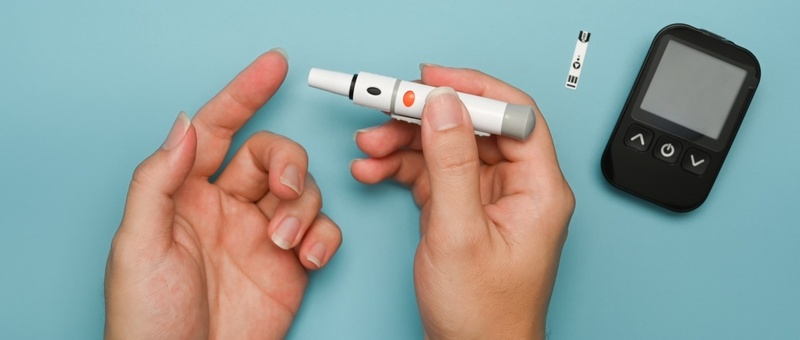
MHRA approves teplizumab to delay progression of type 1 diabetes
Teplizumab (Tzield) has been approved by the Medicines and Healthcare products Regulatory Agency (MHRA) to help delay the onset of Stage 3 type 1 diabetes (T1D). Read on to see what this means if you are prescribed teplizumab and what it does for you.
by Lawrence Higgins
Cancer
Types of cancer
There are more than 100 different types of cancer. Each type is classified by the type of cell the cancer originates from.
by Dr Hayley Willacy, FRCGP

Cancer
Skin cancer types
This leaflet gives a general overview about skin cancer and the different skin cancer types - melanoma and non-melanoma.
by Dr Toni Hazell, FRCGP

Diabetes
Continuous glucose monitoring in type 1 diabetes
Type 1 and type 2 diabetes are both potentially serious conditions which should always be taken seriously. They’re both diagnosed on the basis of high blood sugar. But in other respects they are very, very different. Type 2 is largely down to lifestyle – getting type 1 is absolutely nothing to do with whether you eat too much sugar, carry excess weight or don’t exercise enough. People with type 2 diabetes often never need insulin – those with type 1 need it from day one. Many people with type 2 diabetes never need treatment that carries a risk of disabling low blood sugar (hypoglycaemia) – people with type 1 live with this risk every day. As a result, many people with type 2 never need to check their blood sugar several times a day – for people with type 1, it’s a highly unwelcome occupational hazard.
by Dr Sarah Jarvis

Diabetes
Changing your dietary habits after a type 2 diabetes diagnosis
Managing your diet can make a huge difference if you have type 2 diabetes, but you might need to reverse some lifetime habits and cut some common meals. We've put together some suggestions around creating shopping lists and portion control, especially when eating out in restaurants.
by Rose Constantine Smith, ANutr
Related patient information and medicines
Patient information leaflet
Restricted growth
Dwarfism is a medical or genetic condition which causes people to have restricted growth so that they are shorter than average. Specifically, people with dwarfism grow no higher than 4 ft 10 ins (147 cm). It can be due to literally hundreds of different causes, so the term actually includes many different medical conditions. The cause and type of.

Patient information leaflet
Glycogen storage disorders
Symptoms include weakness, tiredness and low blood ... Newer treatment possibilities provide hope for an improved outlook (prognosis). Most people with a glycogen storage disorder respond well to treatment. However, type II (infantile Pompe's disease) can be difficult to treat and can affect life expectancy. What is glycogen. Your body needs the.

Patient information leaflet
Mouth cancer
Diagnosing mouth cancer Your healthcare professional may suspect mouth cancer if you have a lesion in your mouth (such as a sore, an ulcer or a lump) which has not healed for 3 wee... Dr Krishna Vakharia , 16th October 2023 The National Institute for Health and Care Excellence (NICE) has recommended that a person should receive a diagnosis or.

Patient information leaflet
Spina bifida
The more overweight you are, the higher the risk. What are the different types of spina bifida. There are two main types of spina bifida: Spina bifida occulta - there is a bone defect in the spinal cord but there is no nerve (spinal cord) abnormality. Spina bifida cystica - there is a defect of the spinal cord and the lining of the spinal cord is.
Patient information leaflet
Paget's disease of bone
Paget's disease of bone affects the structure of parts of one or more bones. In most cases it causes no symptoms and does not need treatment. Symptoms develop in some cases and pain in the affected part of bone... What is Paget's disease of bone. Paget's disease of bone was first described by Sir James Paget in 1877. (It is a different condition.
Patient information leaflet
Brain tumours
This leaflet aims to give a brief overview of the various types of brain tumours. The treatment and survival rates vary greatly, depending on factors such as the type of tumour and the location in the brain. Understanding the brain Cross-section diagram of the brain Cross-section diagram of the brain The main parts of the brain include: The.
Further reading and references
- Microcephalic osteodysplastic primordial dwarfism type II; MedlinePlus, National Library of Medicine.
- Bober MB, Khan N, Kaplan J, Lewis K, Feinstein JA, Scott CI Jr, Steinberg GK. Majewski osteodysplastic primordial dwarfism type II (MOPD II): expanding the vascular phenotype. Am J Med Genet A. 2010 Apr;152A(4):960-5. doi: 10.1002/ajmg.a.33252.
- Hall JG, Flora C, Scott CI Jr, Pauli RM, Tanaka KI. Majewski osteodysplastic primordial dwarfism type II (MOPD II): natural history and clinical findings. Am J Med Genet A. 2004 Sep 15;130A(1):55-72. doi: 10.1002/ajmg.a.30203.
- Rauch A, Thiel CT, Schindler D, Wick U, Crow YJ, Ekici AB, van Essen AJ, Goecke TO, Al-Gazali L, Chrzanowska KH, Zweier C, Brunner HG, Becker K, Curry CJ, Dallapiccola B, Devriendt K, Dorfler A, Kinning E, Megarbane A, Meinecke P, Semple RK, Spranger S, Toutain A, Trembath RC, Voss E, Wilson L, Hennekam R, de Zegher F, Dorr HG, Reis A. Mutations in the pericentrin (PCNT) gene cause primordial dwarfism. Science. 2008 Feb 8;319(5864):816-9. doi: 10.1126/science.1151174. Epub 2008 Jan 3.
- Willems M, Genevieve D, Borck G, Baumann C, Baujat G, Bieth E, Edery P, Farra C, Gerard M, Heron D, Leheup B, Le Merrer M, Lyonnet S, Martin-Coignard D, Mathieu M, Thauvin-Robinet C, Verloes A, Colleaux L, Munnich A, Cormier-Daire V. Molecular analysis of pericentrin gene (PCNT) in a series of 24 Seckel/microcephalic osteodysplastic primordial dwarfism type II (MOPD II) families. J Med Genet. 2010 Dec;47(12):797-802. doi: 10.1136/jmg.2009.067298. Epub 2009 Jul 29.
Share your thoughts or experiences with others in our patient communities.
Simple access to trusted treatments and health services online.
Common conditions
Get help with common conditions through the NHS, without a GP appointment.





Sign up to the Patient newsletter
Your weekly dose of clear, trustworthy health advice - written to help you feel informed, confident and in control.
By subscribing you accept our Privacy Policy. You can unsubscribe at any time. We never sell your data.