Noonan syndrome with multiple lentigines
Last updated 22 Feb 2022
Meets Patient’s editorial guidelines
- DownloadDownload
- Share
- Language
- Discussion
- Ask Patient
- Audio Version
- Add to preferred sources on Google
Noonan syndrome with multiple lentigines (formerly called LEOPARD syndrome) is a condition that affects many areas of the body. As the condition name suggests, Noonan syndrome with multiple lentigines is very similar to a condition called Noonan syndrome, and it can be difficult to tell the two disorders apart in early childhood. However, the features of these two conditions differ later in life. The characteristic features of Noonan syndrome with multiple lentigines include brown skin spots called lentigines that are similar to freckles, heart defects, widely spaced eyes (ocular hypertelorism), a sunken chest (pectus excavatum) or protruding chest (pectus carinatum), and short stature. These features vary, however, even among affected individuals in the same family. Not all individuals with Noonan syndrome with multiple lentigines have all the characteristic features of this condition.
Video picks for Genetic conditionsVideo library
Description
Noonan syndrome with multiple lentigines (formerly called LEOPARD syndrome) is a condition that affects many areas of the body. As the condition name suggests, Noonan syndrome with multiple lentigines is very similar to a condition called Noonan syndrome, and it can be difficult to tell the two disorders apart in early childhood. However, the features of these two conditions differ later in life. The characteristic features of Noonan syndrome with multiple lentigines include brown skin spots called lentigines that are similar to freckles, heart defects, widely spaced eyes (ocular hypertelorism), a sunken chest (pectus excavatum) or protruding chest (pectus carinatum), and short stature. These features vary, however, even among affected individuals in the same family. Not all individuals with Noonan syndrome with multiple lentigines have all the characteristic features of this condition.
The lentigines seen in Noonan syndrome with multiple lentigines typically first appear in mid-childhood, mostly on the face, neck, and upper body. Affected individuals may have thousands of small dark brown skin spots by the time they reach puberty. Unlike freckles, the appearance of lentigines has nothing to do with sun exposure. In addition to lentigines, people with this condition may have lighter brown skin spots called café-au-lait spots. Café-au-lait spots tend to develop before the lentigines, appearing within the first year of life in most affected people.
Of the people with Noonan syndrome with multiple lentigines who have heart defects, about 80 percent have hypertrophic cardiomyopathy, which is a thickening of the heart muscle that forces the heart to work harder to pump blood. The hypertrophic cardiomyopathy most often affects the lower left chamber of the heart (the left ventricle). Up to 20 percent of people with Noonan syndrome with multiple lentigines who have heart problems have a narrowing of the artery from the heart to the lungs (pulmonary stenosis).
People with Noonan syndrome with multiple lentigines can have a distinctive facial appearance. In addition to ocular hypertelorism, affected individuals may have droopy eyelids (ptosis), thick lips, and low-set ears. Affected individuals also usually have an abnormal appearance of the chest; they either have pectus excavatum or pectus carinatum.
At birth, people with Noonan syndrome with multiple lentigines are typically of normal weight and height, but in some, growth slows over time. This slow growth results in affected individuals being shorter than average, although less than half of people with Noonan syndrome with multiple lentigines have significantly short stature.
Other signs and symptoms of Noonan syndrome with multiple lentigines include hearing loss caused by abnormalities in the inner ear (sensorineural deafness), mild intellectual disability, and extra folds of skin on the back of the neck. Affected males often have genital abnormalities, which can include undescended testes (cryptorchidism) and a urethra that opens on the underside of the penis (hypospadias). These abnormalities may reduce the ability to have biological children (decreased fertility). Females with Noonan syndrome with multiple lentigines may have poorly developed ovaries and delayed puberty.
Noonan syndrome with multiple lentigines is one of a group of related conditions collectively known as RASopathies. These conditions all have similar signs and symptoms and are caused by changes in the same cell signaling pathway. In addition to Noonan syndrome with multiple lentigines, the RASopathies include Noonan syndrome, cardiofaciocutaneous syndrome, Costello syndrome, neurofibromatosis type 1, and Legius syndrome.
Inheritance patterns
The source lists the following possible inheritance patterns: Autosomal dominant. More than one pattern can apply in different cases.
Related genes
Other names
Cardio-cutaneous syndrome
Cardiomyopathic lentiginosis
Diffuse lentiginosis
Lentiginosis profusa
LEOPARD syndrome
Moynahan syndrome
Multiple lentigines syndrome
NSML
Progressive cardiomyopathic lentiginosis
Patient picks for Genetic conditions

General health and lifestyle
Book a Pharmacy First online consultation
NHS Pharmacy First is a new scheme from the Government and NHS in England. It allows patients to get treatment, including prescription medications where necessary, for common conditions without t... Through NHS Pharmacy First, My Local Surgery offers fast, free private online consultations with an NHS pharmacist for quick diagnosis and.
by Thomas Andrew Porteus, MBCS

Brain and nerves
Cervical rib
About 1 in 100 people are born with an extra rib called a cervical rib. About 1 in 10 people who have a cervical rib develop thoracic outlet syndrome. This happens if the cervical rib squashes the nerves and blood vessels going into the arm. Treatment can include painkillers, physiotherapy and sometimes surgery to relieve the compression caused by, for example, a cervical rib.
by Dr Doug McKechnie, MRCGP

Digestive health
Which foods trigger irritable bowel syndrome?
If you have irritable bowel syndrome (IBS), you’ll probably understand that some foods can trigger your symptoms. Although there’s no one-size-fits-all approach to an IBS diet, some foods may be more likely to cause issues than others.
by Lynn Stephen

Podcasts
Making work work
Work can take up so much of our waking hours but how often do we look at our relationship with work. Are you a workaholic or just going through the motions? Does it inspire or drain you? What about the people we work with: colleagues, managers and those unrequited crushes or unwanted attentions? When it comes to work, things can get complicated. Clare and Aileen delve into the tangled world of work to help you think about your relationship with work and give tips on how to navigate those complex relationships in the workplace.
by Thomas Andrew Porteus, MBCS
Podcasts
Losing it!
Why losing your erection doesn’t have to be the catastrophe you might think it is. Clare and Janet discuss ways to help with erection problems.
by Thomas Andrew Porteus, MBCS
Preventative health
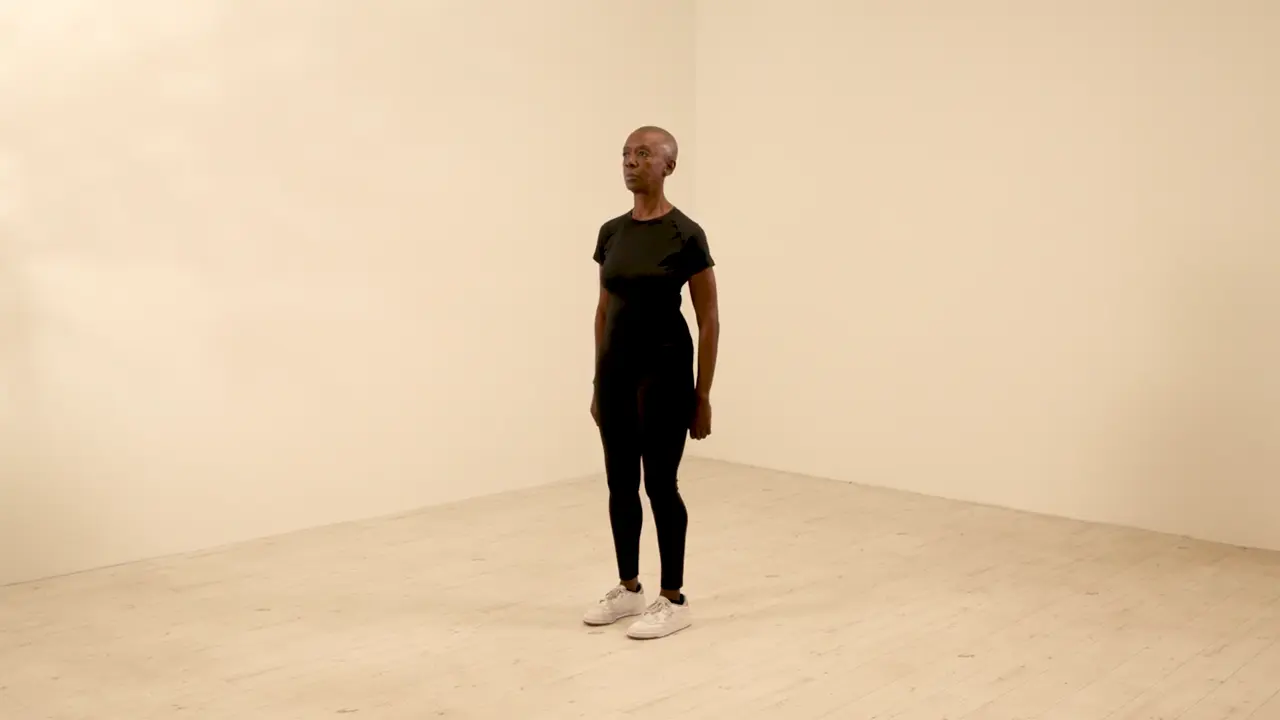
Side Step With Arm Raise
The Side Step with Arm Raise is a coordination and mobility exercise that engages the legs, shoulders, and core while improving rhythm and balance. Begin by stepping side to side in a steady rhythm—step to the right, then to the left. Once comfortable, add arm movement by swinging one arm straight forward and up as you step with the opposite leg. Continue alternating sides in a smooth, controlled motion. This exercise enhances coordination, upper and lower-body control, and overall functional movement.
Related patient information and medicines
Patient information leaflet
Multiple sclerosis
Multiple sclerosis is a disorder of the brain and spinal cord. In most cases, episodes of symptoms come and go for several years. Although there is no cure f... What is multiple sclerosis. Multiple sclerosis (MS) is a disease where patches of inflammation occur in parts of your brain and/or spinal cord. PatientPicksPlaceholder Understanding the.
Patient information leaflet
Cervical rib
About 1 in 100 people are born with an extra rib called a cervical rib. About 1 in 10 people who have a cervical rib develop thoracic outlet syndrome. About 1 in 200 people are born with an extra rib called a cervical rib. Because this is something that you are born with, cervical ribs are known as a congenital condition. At the back, this.

Patient information leaflet
Multiple pregnancy
In a multiple pregnancy, there is more than one baby growing in the womb (uterus) at the same time. Being pregnant with twins is the most common example. As the balls of cells implant into the wall of the womb (uterus), they meet up with some specialised cells from the mother's womb and, between them, start to form the afterbirth (placenta)..

Patient information leaflet
Sjögren's syndrome
Sjögren's syndrome is an autoimmune disease that causes the glands that produce tears and saliva to stop working. It is a life-long condition but treatments can help control symptoms such as dry eyes and dry mouth. Key points Sjögren’s syndrome is an autoimmune condition where the immune system attacks glands that produce moisture, mainly the tear.

Patient information leaflet
Charles Bonnet syndrome
Charles Bonnet syndrome is a common condition experienced by people who are losing, or have lost, their sight. It involves seeing things which are not really there (having visual hallucinations). The hallucinations are most marked in low light or when relaxing and are often complicated scenes involving faces, children and wild animals. People.

Patient information leaflet
Hand-arm vibration syndrome
Hand-arm vibration syndrome (sometimes abbreviated to HAVS) causes changes in the sensation of the fingers which can lead to permanent numbness of fingers, muscle weakness and, in some cases, bouts of white finger. It is caused by working with vibrating tools. It would be unusual to develop hand-arm vibration syndrome without using vibrating tools.
Further reading and references
- Noonan syndrome with multiple lentigines; MedlinePlus, National Library of Medicine.
- Kato H, Yoshida R, Tsukamoto K, Suga H, Eto H, Higashino T, Araki J, Ogata T, Yoshimura K. Familial cases of atypical clinical features genetically diagnosed as LEOPARD syndrome (multiple lentigines syndrome). Int J Dermatol. 2010 Oct;49(10):1146-51. doi: 10.1111/j.1365-4632.2010.04559.x.
- Limongelli G, Pacileo G, Marino B, Digilio MC, Sarkozy A, Elliott P, Versacci P, Calabro P, De Zorzi A, Di Salvo G, Syrris P, Patton M, McKenna WJ, Dallapiccola B, Calabro R. Prevalence and clinical significance of cardiovascular abnormalities in patients with the LEOPARD syndrome. Am J Cardiol. 2007 Aug 15;100(4):736-41. doi: 10.1016/j.amjcard.2007.03.093. Epub 2007 Jun 27.
- Nishi E, Mizuno S, Nanjo Y, Niihori T, Fukushima Y, Matsubara Y, Aoki Y, Kosho T. A novel heterozygous MAP2K1 mutation in a patient with Noonan syndrome with multiple lentigines. Am J Med Genet A. 2015 Feb;167A(2):407-11. doi: 10.1002/ajmg.a.36842. Epub 2014 Nov 25.
- Santoro C, Pacileo G, Limongelli G, Scianguetta S, Giugliano T, Piluso G, Ragione FD, Cirillo M, Mirone G, Perrotta S. LEOPARD syndrome: clinical dilemmas in differential diagnosis of RASopathies. BMC Med Genet. 2014 Apr 26;15:44. doi: 10.1186/1471-2350-15-44.
- Sarkozy A, Digilio MC, Dallapiccola B. Leopard syndrome. Orphanet J Rare Dis. 2008 May 27;3:13. doi: 10.1186/1750-1172-3-13.
- Stevenson DA, Schill L, Schoyer L, Andresen BS, Bakker A, Bayrak-Toydemir P, Burkitt-Wright E, Chatfield K, Elefteriou F, Elgersma Y, Fisher MJ, Franz D, Gelb BD, Goriely A, Gripp KW, Hardan AY, Keppler-Noreuil KM, Kerr B, Korf B, Leoni C, McCormick F, Plotkin SR, Rauen KA, Reilly K, Roberts A, Sandler A, Siegel D, Walsh K, Widemann BC. The Fourth International Symposium on Genetic Disorders of the Ras/MAPK pathway. Am J Med Genet A. 2016 Aug;170(8):1959-66. doi: 10.1002/ajmg.a.37723. Epub 2016 May 7.
- Yu ZH, Zhang RY, Walls CD, Chen L, Zhang S, Wu L, Liu S, Zhang ZY. Molecular basis of gain-of-function LEOPARD syndrome-associated SHP2 mutations. Biochemistry. 2014 Jul 1;53(25):4136-51. doi: 10.1021/bi5002695. Epub 2014 Jun 17.
Share your thoughts or experiences with others in our patient communities.
Simple access to trusted treatments and health services online.
Common conditions
Get help with common conditions through the NHS, without a GP appointment.





Sign up to the Patient newsletter
Your weekly dose of clear, trustworthy health advice - written to help you feel informed, confident and in control.
By subscribing you accept our Privacy Policy. You can unsubscribe at any time. We never sell your data.