protein tyrosine phosphatase non-receptor type 11
Last updated 24 Apr 2023
Meets Patient’s editorial guidelines
- DownloadDownload
- Share
- Language
- Discussion
- Ask Patient
- Audio Version
- Add to preferred sources on Google
The PTPN11 gene provides instructions for making a protein called SHP-2. This protein helps regulate the RAS/MAPK signaling pathway. This pathway is involved in several important cell functions, including the growth and division of cells (proliferation), the process by which cells mature to carry out specific functions (differentiation), cell movement (migration), and the self-destruction of cells (apoptosis). During embryonic development, the SHP-2 protein is critical in the development of the heart, blood cells, bones, and several other tissues.
Video picks for GenesVideo library
Normal function
The PTPN11 gene provides instructions for making a protein called SHP-2. This protein helps regulate the RAS/MAPK signaling pathway. This pathway is involved in several important cell functions, including the growth and division of cells (proliferation), the process by which cells mature to carry out specific functions (differentiation), cell movement (migration), and the self-destruction of cells (apoptosis). During embryonic development, the SHP-2 protein is critical in the development of the heart, blood cells, bones, and several other tissues.
The PTPN11 gene belongs to a class of genes known as oncogenes. When mutated, oncogenes have the potential to cause normal cells to become cancerous.
Conditions referring to this gene or chromosome
Other names
BPTP3
protein tyrosine phosphatase, non-receptor type 11 (Noonan syndrome 1)
protein-tyrosine phosphatase 2C
PTN11_HUMAN
PTP-1D
PTP2C
SH protein-tyrosine phosphatase
SH-PTP2
SH-PTP3
SHP2
SHP2 phosphatase
Patient picks for Genes

Diabetes
Diabetes diet: managing type 2 diabetes
If you have type 2 diabetes it is often difficult to know which foods you should or should not eat. Here we explain the key elements of a diabetes diet to help you prevent or delay associated health problems, and address some common myths around eating with type 2 diabetes.
by Lawrence Higgins

Kidney and urinary tract
Proteinuria
Proteins are molecules that are found in almost every part of the body, including in the blood. The kidneys normally have a filter which stops protein from entering the urine, except in very tiny amounts; however, kidney problems can cause higher levels of protein to be found in the urine.
by Dr Doug McKechnie, MRCGP
Digestive health
Functional dyspepsia
Functional dyspepsia (non-ulcer dyspepsia) causes pain and sometimes other symptoms in your upper tummy (abdomen). The cause is often not clear. Medication to reduce stomach acid helps in some cases. Infection with Helicobacter pylori (H. pylori) may cause a small number of cases. Clearing this infection, if present, helps in some people.
by Dr Rosalyn Adleman, MRCGP

Diet and nutrition
Plant-based proteins could help prevent high blood pressure
Eating a greater amount of minimally processed plant-based proteins - such as beans, nuts and lentils - may lower your chance of developing high blood pressure, according to new research.
by Laura Williamson
Healthy living
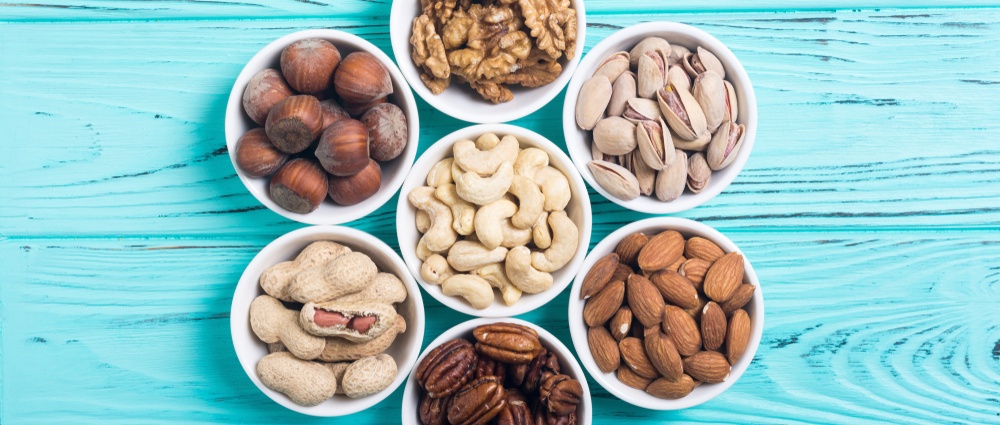
8 high-protein nuts to boost your strength
Packed with protein, delicious, easy to eat, and versatile - nuts are a great source of fuel for people building their fitness and strength. But not all nuts are created equal, which is why we count down the top eight nuts you should eat while strength training and serve these up with tasty recipe ideas.
by Lynn Stephen

Diet and nutrition
10 sources of plant-based protein for bone health
Plant-based diets are growing in popularity. People choose this way of eating for various reasons - to boost their health, help animals, and protect the environment. But switching to a plant-based diet may mean you're missing out on vital, bone-friendly nutrients. One of these is protein.
by Victoria Raw
Related patient information and medicines

Patient information leaflet
Mastocytosis and mast cell disorders
A mast cell is a type of white blood cell. If the condition is severe, surgery to remove the spleen (splenectomy), medicines that have an effect on the immune system (suc... Dr Sarah Jarvis , 28th September 2021 Midostaurin for treating advanced systemic mastocytosis The National Institute for Health and Care Excellence (NICE) has brought out new.

Patient information leaflet
Liver function tests
Liver function tests are a set of blood tests commonly done to check on the health of your liver. Changes in liver function tests give a clue as to whether your liver is under strain, inflamed, infected or diseased, and how badly. The pattern of the liver function tests can give a clue to the cause and can allow early detection of unsuspected.

Patient information leaflet
Diabetic kidney disease
Diabetic kidney disease is one of the causes of chronic kidney disease Chronic kidney disease , a long-term condition where the kidneys do not work as well as they should. Because of this the kidneys 'leak' abnormal amounts of protein from the blood into the urine. The main protein that leaks out from the damaged kidneys is called albumin. In.

Patient information leaflet
Breast cancer
What is breast cancer? | Patient Explainers Breast cancer is the most common cancer in women. ...) Follow Patient: Website: [https://patient.info/](https://patient.info/) Facebook: [https://www.facebook.com/patient](https://www.facebook.com/patient) Twitter: [https://twitter.com/patient](https://twitter.com/patient) Pinterest:.

Patient information leaflet
Mouth cancer
Diagnosing mouth cancer Your healthcare professional may suspect mouth cancer if you have a lesion in your mouth (such as a sore, an ulcer or a lump) which has not healed for 3 wee... Dr Krishna Vakharia , 16th October 2023 The National Institute for Health and Care Excellence (NICE) has recommended that a person should receive a diagnosis or.
Patient information leaflet
Proteinuria
Proteins are molecules that are found in almost every part of the body, including in the blood. The kidneys normally have a filter which stops protein from entering the urine, except in very tiny amounts; however, kidney problems can cause higher levels of protein to be found in the urine. What is proteinuria. Proteinuria means that there is an.
Further reading and references
- protein tyrosine phosphatase non-receptor type 11; MedlinePlus, National Library of Medicine.
- Bentires-Alj M, Paez JG, David FS, Keilhack H, Halmos B, Naoki K, Maris JM, Richardson A, Bardelli A, Sugarbaker DJ, Richards WG, Du J, Girard L, Minna JD, Loh ML, Fisher DE, Velculescu VE, Vogelstein B, Meyerson M, Sellers WR, Neel BG. Activating mutations of the noonan syndrome-associated SHP2/PTPN11 gene in human solid tumors and adult acute myelogenous leukemia. Cancer Res. 2004 Dec 15;64(24):8816-20. doi: 10.1158/0008-5472.CAN-04-1923.
- Chan G, Kalaitzidis D, Neel BG. The tyrosine phosphatase Shp2 (PTPN11) in cancer. Cancer Metastasis Rev. 2008 Jun;27(2):179-92. doi: 10.1007/s10555-008-9126-y.
- Gulec EY, Ocak Z, Candan S, Ataman E, Yarar C. Novel mutations in PTPN11 gene in two girls with Noonan syndrome phenotype. Int J Cardiol. 2015;186:13-5. doi: 10.1016/j.ijcard.2015.03.260. Epub 2015 Mar 19. No abstract available.
- Keren B, Hadchouel A, Saba S, Sznajer Y, Bonneau D, Leheup B, Boute O, Gaillard D, Lacombe D, Layet V, Marlin S, Mortier G, Toutain A, Beylot C, Baumann C, Verloes A, Cave H; French Collaborative Noonan Study Group. PTPN11 mutations in patients with LEOPARD syndrome: a French multicentric experience. J Med Genet. 2004 Nov;41(11):e117. doi: 10.1136/jmg.2004.021451. No abstract available.
- Mohi MG, Neel BG. The role of Shp2 (PTPN11) in cancer. Curr Opin Genet Dev. 2007 Feb;17(1):23-30. doi: 10.1016/j.gde.2006.12.011. Epub 2007 Jan 16.
- Romano AA, Allanson JE, Dahlgren J, Gelb BD, Hall B, Pierpont ME, Roberts AE, Robinson W, Takemoto CM, Noonan JA. Noonan syndrome: clinical features, diagnosis, and management guidelines. Pediatrics. 2010 Oct;126(4):746-59. doi: 10.1542/peds.2009-3207. Epub 2010 Sep 27.
- Tartaglia M, Gelb BD. Germ-line and somatic PTPN11 mutations in human disease. Eur J Med Genet. 2005 Apr-Jun;48(2):81-96. doi: 10.1016/j.ejmg.2005.03.001. Epub 2005 Apr 2.
- Tartaglia M, Gelb BD. Noonan syndrome and related disorders: genetics and pathogenesis. Annu Rev Genomics Hum Genet. 2005;6:45-68. doi: 10.1146/annurev.genom.6.080604.162305.
- Zhang J, Zhang F, Niu R. Functions of Shp2 in cancer. J Cell Mol Med. 2015 Sep;19(9):2075-83. doi: 10.1111/jcmm.12618. Epub 2015 Jun 19.
Share your thoughts or experiences with others in our patient communities.
Simple access to trusted treatments and health services online.
Common conditions
Get help with common conditions through the NHS, without a GP appointment.





Sign up to the Patient newsletter
Your weekly dose of clear, trustworthy health advice - written to help you feel informed, confident and in control.
By subscribing you accept our Privacy Policy. You can unsubscribe at any time. We never sell your data.