Osteoarthritis
Last updated 18 Aug 2020
Meets Patient’s editorial guidelines
- DownloadDownload
- Share
- Language
- Discussion
- Ask Patient
- Audio Version
- Add to preferred sources on Google
Osteoarthritis is a common disease of the joints that primarily occurs in older adults. This condition is characterised by the breakdown of cartilage, the tough but flexible tissue that covers the ends of the bones at the joints and allows smooth joint movements. One or more parts of the body can be affected, most often the hands, shoulders, spine, knees, or hips.
Video picks for Genetic conditionsVideo library
Description
Osteoarthritis is a common disease of the joints that primarily occurs in older adults. This condition is characterised by the breakdown of cartilage, the tough but flexible tissue that covers the ends of the bones at the joints and allows smooth joint movements. One or more parts of the body can be affected, most often the hands, shoulders, spine, knees, or hips.
Osteoarthritis usually develops slowly, causing pain, stiffness, and restricted movement as the condition gets worse. Areas of bone no longer cushioned by cartilage rub against each other and start to break down. Further damage is caused as the body attempts to repair and rebuild these tissues. The immune system, which plays a role in healing injuries, targets these areas, and its response leads to inflammation of the joint tissues. Abnormal growths of bone (osteophytes) and other tissue can also occur, and may be visible as enlarged joints. Enlargement of the joints of the fingers is especially noticeable.
People with osteoarthritis typically experience stiffness following periods of inactivity such as upon awakening or rising from a chair; the stiffness usually improves as they move around. In some affected individuals, the condition never causes major problems. In others, severe osteoarthritis can impair mobility and the ability to perform daily tasks, affecting quality of life and increasing the risk of other health conditions such as cardiovascular disease.
Osteoarthritis is most common in middle age or late adulthood, because the cartilage at the joints naturally begins to thin as people age. However, it can occur earlier in life, especially after injuries affecting the joints such as a type of knee injury called an anterior cruciate ligament (ACL) tear. People who are overweight or whose activities are particularly stressful to the joints are also at increased risk of developing osteoarthritis.
Inheritance patterns
The source lists the following possible inheritance patterns: Pattern unknown. More than one pattern can apply in different cases.
Related genes
Other names
Arthritis, degenerative
Arthropathy
Degenerative joint disease
Degenerative polyarthritis
Hypertrophic arthritis
OA
Osteoarthritis deformans
Osteoarthrosis
Patient picks for Genetic conditions

Bones, joints and muscles
Osteoarthritis
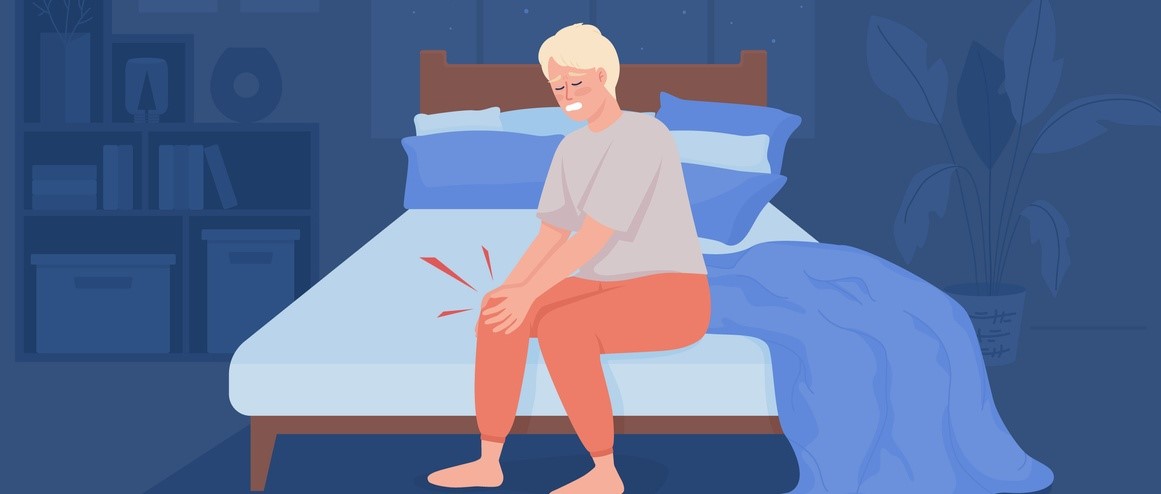
Osteoarthritis is a degenerative joint disease that causes pain and stiffness in joints. Symptoms may be helped by exercises, some physical devices and treatments and by losing weight if you are overweight. Anti-inflammatory painkillers and other medicines are sometimes advised. Joint replacement surgery is an option for severe cases.
by Dr Doug McKechnie, MRCGP
Bones, joints and muscles
What's the difference between osteoarthritis and rheumatoid arthritis?
The most common types of arthritis are osteoarthritis and rheumatoid arthritis. The former is caused by wear and tear of your joints, while the latter is an autoimmune disease that affects otherwise healthy joints. How can you tell them apart?
by Amberley Davis

Patient physio
Hip Pain Exercise: Range of Movement with Lilly Sabri | Patient Physio
Lilly Sabri, BSc Physiotherapy, MCSP, MHPC, MAACP, MACSPM Hip injuries are common in all age groups. The most common cause of chronic (long-standing) hip pain in adults is osteoarthritis. Because the hip is such a complex joint, hip pain can be caused by many different things including: muscular injuries; ligament injuries; bursa injuries; cartilage tears; bone problems; fractures; reduced blood flow to the hip joint; or infection. [https://patient.info/health/joint-pain/features/video-hip-pain-exercises](https://patient.info/health/joint-pain/features/video-hip-pain-exercises)

Hip pain exercises
Hip Pain Exercise: Core Muscle with Lilly Sabri | Patient Physio
Lilly Sabri, BSc Physiotherapy, MCSP, MHPC, MAACP, MACSPM Hip injuries are common in all age groups. The most common cause of chronic (long-standing) hip pain in adults is osteoarthritis. Because the hip is such a complex joint, hip pain can be caused by many different things including: muscular injuries; ligament injuries; bursa injuries; cartilage tears; bone problems; fractures; reduced blood flow to the hip joint; or infection. Find out more: [https://patient.info/health/joint-pain/features/video-hip-pain-exercises](https://patient.info/health/joint-pain/features/video-hip-pain-exercises) Follow Patient: Website: [https://patient.info/](https://patient.info/) Facebook: [https://www.facebook.com/patient](https://www.facebook.com/patient) Twitter: [https://twitter.com/patient](https://twitter.com/patient) Pinterest: [https://uk.pinterest.com/patient/](https://uk.pinterest.com/patient/) Instagram: [https://www.instagram.com/patient.info/](https://www.instagram.com/patient.info/)
by Lilly Sabri, MHPC

Hip pain exercises
Hip Pain Exercise: Inner Thigh Stretch with Lilly Sabri | Patient Physio
Lilly Sabri, BSc Physiotherapy, MCSP, MHPC, MAACP, MACSPM Hip injuries are common in all age groups. The most common cause of chronic (long-standing) hip pain in adults is osteoarthritis. Because the hip is such a complex joint, hip pain can be caused by many different things including: muscular injuries; ligament injuries; bursa injuries; cartilage tears; bone problems; fractures; reduced blood flow to the hip joint; or infection. Find out more: [https://patient.info/health/joint-pain/features/video-hip-pain-exercises](https://patient.info/health/joint-pain/features/video-hip-pain-exercises) Follow Patient: Website: [https://patient.info/](https://patient.info/) Facebook: [https://www.facebook.com/patient](https://www.facebook.com/patient) Twitter: [https://twitter.com/patient](https://twitter.com/patient) Pinterest: [https://uk.pinterest.com/patient/](https://uk.pinterest.com/patient/) Instagram: [https://www.instagram.com/patient.info/](https://www.instagram.com/patient.info/)
by Lilly Sabri, MHPC

Knee pain and exercises
What causes pain at the back of the knee?
Dr Sarah Jarvis MBE A Baker's cyst is a swelling that can develop behind the knee. It is filled with synovial fluid which is the lubricating fluid that is usually found inside the knee joint. It most commonly occurs if there is an underlying problem with your knee such as osteoarthritis. Symptoms can include pain, swelling and tightness behind the knee. Rarely, a Baker's cyst can split open (rupture) and cause similar symptoms to a deep vein thrombosis (DVT). A Baker's cyst often gets better and disappears by itself over time. However, there are various treatments that may help if you do have symptoms associated with it. [https://patient.info/health/knee-pain-patellofemoral-pain/bakers-cyst](https://patient.info/health/knee-pain-patellofemoral-pain/bakers-cyst)
by Dr Sarah Jarvis
Related patient information and medicines
Patient information leaflet
Osteoarthritis
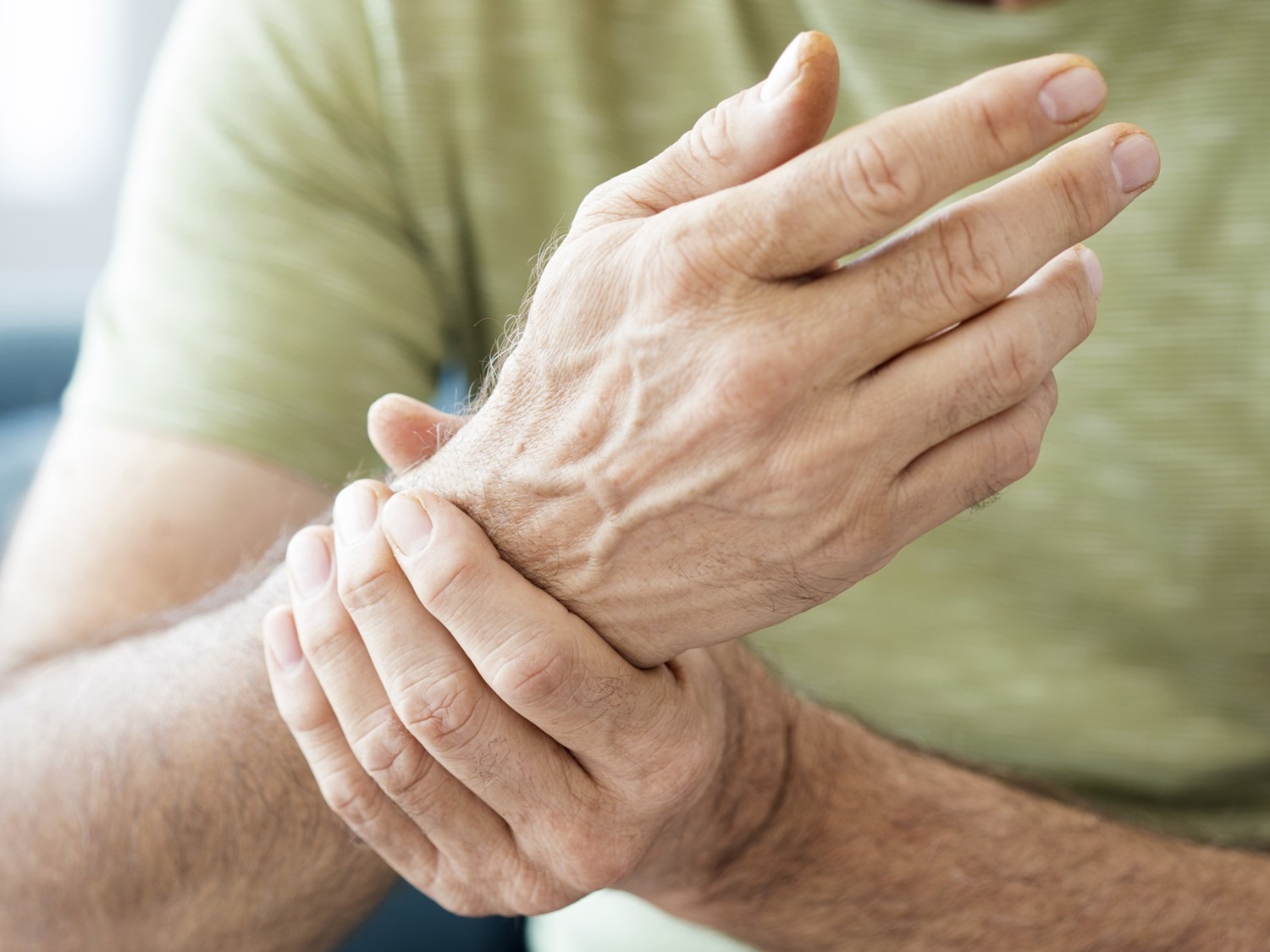
Osteoarthritis is a degenerative joint disease that causes pain and stiffness in joints. Symptoms may be helped by exercises, some physical devices and treatments and by losing weight if. What is osteoarthritis. Arthritis means inflammation of the joints. Osteoarthritis (OA) is the most common type of arthritis in the UK. Osteoarthritis affects.
Patient information leaflet
Arthritis
Arthritis means inflammation in a joint (like your knee, hip, elbow or fingers). ... This leaflet will explain a bit about how joints work and then go through the main causes of arthritis in easy-to-read language. Children and adults of all ages can be affected by arthritis, although the most common type is osteoarthritis and that affects older.

Patient information leaflet
Joint pain
What is joint pain (arthralgia). Osteoarthritis (OA). Osteoarthritis Rheumatoid arthritis (RA). Many joints feel painful, or there may be a feeling of pain 'all over' or in all joints. Osteoarthritis (OA) The most common form of arthritis in the UK. This is a joint pain caused by a 'wear and tear' of the joint over time. It can be worse if you are.
Patient information leaflet
Back and spine pain
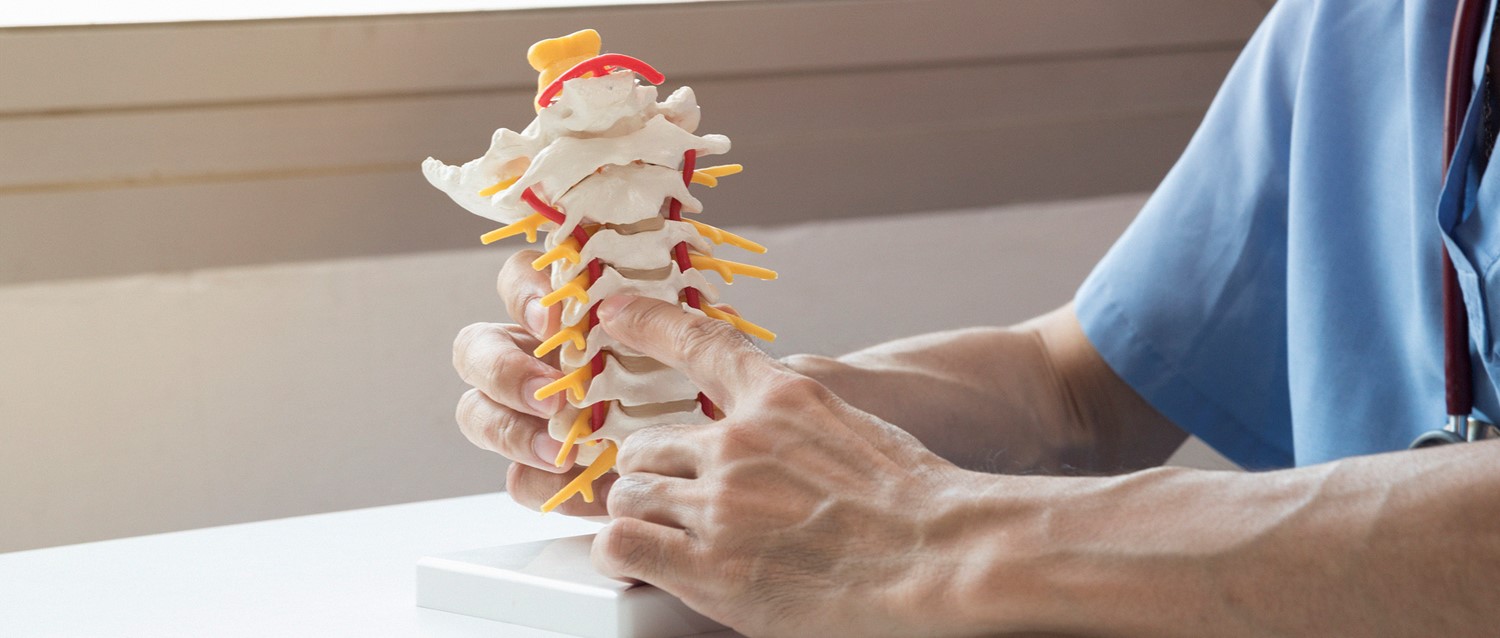
See the separate leaflet called Back pain in children Back pain in children. Less common causes Arthritis (joint inflammation) of all types can cause back pain: Osteoarthritis Osteoarthritis is a common type of arthritis that affects people as they get older. It can be a cause of back pain. Spinal stenosis is a common cause of pain in the buttocks.

Patient information leaflet
Hip problems
PatientPicksPlaceholder Causes of hip problems in adults Osteoarthritis Osteoarthritis Osteoarthritis is the most common cause of hip problems. ...s go through constant wear and tear, and keep repairing themselvesSometimes, the repair process can't keep up with the damage and osteoarthritis develops. Injury or deformity of your joints - from a.

Patient information leaflet
Knee replacement
The research on knee replacements suggests that the people who do best after a knee replacement are those with severe arthritis but not so bad that the joint is completely destroyed. The main reason for needing to have a knee replacement is arthritis in the knee: Osteoarthritis Osteoarthritis (OA) Osteoarthritis of the knee is the most common.
Further reading and references
- Osteoarthritis; MedlinePlus, National Library of Medicine.
- Chapman K, Valdes AM. Genetic factors in OA pathogenesis. Bone. 2012 Aug;51(2):258-64. doi: 10.1016/j.bone.2011.11.026. Epub 2011 Dec 8.
- Cross M, Smith E, Hoy D, Nolte S, Ackerman I, Fransen M, Bridgett L, Williams S, Guillemin F, Hill CL, Laslett LL, Jones G, Cicuttini F, Osborne R, Vos T, Buchbinder R, Woolf A, March L. The global burden of hip and knee osteoarthritis: estimates from the global burden of disease 2010 study. Ann Rheum Dis. 2014 Jul;73(7):1323-30. doi: 10.1136/annrheumdis-2013-204763. Epub 2014 Feb 19.
- Mahjoub M, Berenbaum F, Houard X. Why subchondral bone in osteoarthritis? The importance of the cartilage bone interface in osteoarthritis. Osteoporos Int. 2012 Dec;23 Suppl 8:S841-6. doi: 10.1007/s00198-012-2161-0. Epub 2012 Nov 22.
- Reynard LN, Loughlin J. The genetics and functional analysis of primary osteoarthritis susceptibility. Expert Rev Mol Med. 2013 Feb 18;15:e2. doi: 10.1017/erm.2013.4.
- Reynard LN. Analysis of genetics and DNA methylation in osteoarthritis: What have we learnt about the disease? Semin Cell Dev Biol. 2017 Feb;62:57-66. doi: 10.1016/j.semcdb.2016.04.017. Epub 2016 Apr 26.
- Rogers EL, Reynard LN, Loughlin J. The role of inflammation-related genes in osteoarthritis. Osteoarthritis Cartilage. 2015 Nov;23(11):1933-8. doi: 10.1016/j.joca.2015.01.003.
- Ruiz-Romero C, Fernandez-Puente P, Calamia V, Blanco FJ. Lessons from the proteomic study of osteoarthritis. Expert Rev Proteomics. 2015 Aug;12(4):433-43. doi: 10.1586/14789450.2015.1065182. Epub 2015 Jul 7.
- Shen J, Abu-Amer Y, O'Keefe RJ, McAlinden A. Inflammation and epigenetic regulation in osteoarthritis. Connect Tissue Res. 2017 Jan;58(1):49-63. doi: 10.1080/03008207.2016.1208655. Epub 2016 Jul 7.
- Steinberg J, Zeggini E. Functional genomics in osteoarthritis: Past, present, and future. J Orthop Res. 2016 Jul;34(7):1105-10. doi: 10.1002/jor.23296. Epub 2016 May 30.
- Thysen S, Luyten FP, Lories RJ. Targets, models and challenges in osteoarthritis research. Dis Model Mech. 2015 Jan;8(1):17-30. doi: 10.1242/dmm.016881.
- Wallace IJ, Worthington S, Felson DT, Jurmain RD, Wren KT, Maijanen H, Woods RJ, Lieberman DE. Knee osteoarthritis has doubled in prevalence since the mid-20th century. Proc Natl Acad Sci U S A. 2017 Aug 29;114(35):9332-9336. doi: 10.1073/pnas.1703856114. Epub 2017 Aug 14.
- Zengini E, Finan C, Wilkinson JM. The Genetic Epidemiological Landscape of Hip and Knee Osteoarthritis: Where Are We Now and Where Are We Going? J Rheumatol. 2016 Feb;43(2):260-6. doi: 10.3899/jrheum.150710. Epub 2015 Dec 1.
Share your thoughts or experiences with others in our patient communities.
Simple access to trusted treatments and health services online.
Common conditions
Get help with common conditions through the NHS, without a GP appointment.





Sign up to the Patient newsletter
Your weekly dose of clear, trustworthy health advice - written to help you feel informed, confident and in control.
By subscribing you accept our Privacy Policy. You can unsubscribe at any time. We never sell your data.