PPP2R5D-related intellectual disability
Last updated 1 Feb 2021
Meets Patient’s editorial guidelines
- DownloadDownload
- Share
- Language
- Discussion
- Ask Patient
- Audio Version
- Add to preferred sources on Google
PPP2R5D-related intellectual disability is a neurological disorder characterised by moderate to severe developmental delay and intellectual disability. Affected individuals have weak muscle tone (hypotonia); delayed development of motor skills, such as sitting, standing, and walking; and delayed speech development. Recurrent seizures (epilepsy) and autism spectrum disorder, which is characterised by impaired communications and social interaction, can also occur in affected individuals. Most people with PPP2R5D-related intellectual disability have an unusually large head size (macrocephaly), and some have other unusual facial features, including a prominent forehead (frontal bossing), widely spaced eyes (hypertelorism), and eyes that slant downward (downslanting palpebral fissures).
Video picks for Genetic conditionsVideo library
Description
PPP2R5D-related intellectual disability is a neurological disorder characterised by moderate to severe developmental delay and intellectual disability. Affected individuals have weak muscle tone (hypotonia); delayed development of motor skills, such as sitting, standing, and walking; and delayed speech development. Recurrent seizures (epilepsy) and autism spectrum disorder, which is characterised by impaired communications and social interaction, can also occur in affected individuals. Most people with PPP2R5D-related intellectual disability have an unusually large head size (macrocephaly), and some have other unusual facial features, including a prominent forehead (frontal bossing), widely spaced eyes (hypertelorism), and eyes that slant downward (downslanting palpebral fissures).
Inheritance patterns
The source lists the following possible inheritance patterns: Autosomal dominant. More than one pattern can apply in different cases.
Related genes
Other names
Autosomal dominant mental retardation 35
Patient picks for Genetic conditions

Children's health
How to support your child with a learning disability
All parents and carers have worries and concerns about their children at some point. For those with children who have learning disabilities, there can be further concerns about supporting your child's development, communication and independence.
by Milly Evans

Diabetes
Can you claim disability benefits if you have diabetes?
There’s a lot to take in when you or someone you care about is diagnosed with diabetes. Finding out what benefits you might be entitled to may not be at the top of your to-do list, but getting financial assistance may help you in the future. Here's an overview of what support you may be able to get.
by Victoria Raw

Brain and nerves
Alex Mitchell on comedy, disability - and why he won’t be labelled inspirational
Alex Mitchell is a stand-up comedian who you may recognise from ITV’s Britain’s Got Talent, where he first earned widespread recognition in 2024. Since then, he’s been carving out his place across the comedy circuit while also hosting his own podcast. Alex identifies as queer, is autistic, and in 2021 was diagnosed with functional neurological disorder (FND), a condition that affects communication between his brain and nervous system. As he explains, this gives him a distinctive voice in mainstream stand-up, though he is careful not to let it define him. I spoke with Alex about his health, how he navigates his condition through stand-up, and his desire not to be seen as an 'inspiration' because of his disability - but simply as a person doing what he loves.
by Victoria Raw
Diabetes
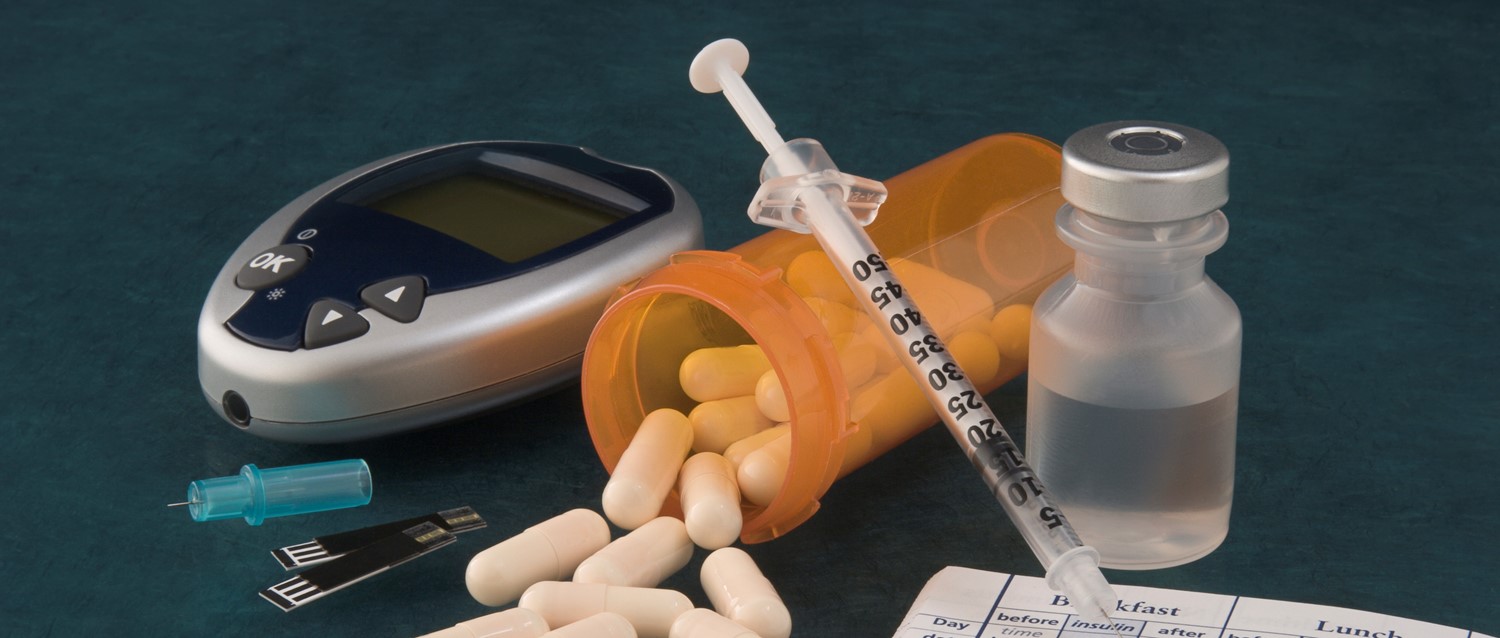
Is having diabetes a disability?
If you have diabetes, and it’s being well managed, the last thing you might expect is to be called disabled. But under the Equality Act of 2010, and the 1995 Disability Discrimination Act in Northern Ireland, it’s classed as an ‘unseen disability’.
by Danny Chadburn

Healthy living
How to exercise with a physical disability
When you have limited mobility, keeping fit and active can feel more difficult, but it doesn't have to be this way. Here are some simple expert tips on how to improve your fitness if you are disabled.
by Ginny Weeks

Travel and vaccinations
Dengue
Dengue (which used to be called dengue fever) is a viral illness which is very common in the tropics and subtropics. It is usually a flu-like illness lasting under a week but it can sometimes be very serious, even fatal.
by Dr Philippa Vincent, MRCGP
Related patient information and medicines

Patient information leaflet
Cerebral palsy
It is caused by brain injury or abnormal development of the brain that occurs while a child's brain is still developing. What is cerebral palsy. Cerebral palsy is a name for a group of life-long conditions that have problems with muscle function and control. Most people think o... Some people with cerebral palsy also have other problems such as.

Patient information leaflet
Premature babies
However about 1 in 10 of all prematur... One study of 241 children born before 26 weeks of gestation found: 1 in 5 had severe disability (for example, cerebral palsy + not walking, low cognitive scores, blindness, profound deafness). 1 in 4 had moderate disability (for example, cerebral palsy + walking, IQ/cognitive scores in the special needs.

Patient information leaflet
Dyslexia
Dyslexia is common. It is usually first noticed during the first few years at school. What is dyslexia. Dyslexia is a specific learning difficulty that causes problems with reading, writing and spelling. Dyslexia is a lifelong problem but help and support is available to help improve reading and writing skills and achieve success at school and at.

Patient information leaflet
Cri du chat syndrome
Cri du chat syndrome is a chromosome problem caused by a missing piece of chromosome 5. The syndrome is called cri du chat (French for cry of the cat) because affected babies often have a high-pitched cry. However, most people with cri du chat syndrome survive well into adulthood. About 1 in 10 babies born with cri du chat syndrome are severely.

Patient information leaflet
Down's syndrome
Down's syndrome (also known as Down syndrome) is a genetic chromosome problem. Someone with Down's syndrome has an extra copy of chromosome 21 in the cells of their body. This causes the typical features of the condition. All people with Down's syndrome have some degree of learning disability. They are also at increased chance of having various.

Patient information leaflet
Epilepsy and planning pregnancy
By enrolling with the UK Epilepsy and Pregnancy Register if you are pregnant and have epilepsy, you will help to give doctors a clearer picture of which medicines are safest for babies' health. ...oate medicine is linked to a higher risk than some other epilepsyEditor's note Dr Krishna Vakharia , 1st July 2024 The MHRA has introduced new safety.
Further reading and references
- PPP2R5D-related intellectual disability; MedlinePlus, National Library of Medicine.
- Houge G, Haesen D, Vissers LE, Mehta S, Parker MJ, Wright M, Vogt J, McKee S, Tolmie JL, Cordeiro N, Kleefstra T, Willemsen MH, Reijnders MR, Berland S, Hayman E, Lahat E, Brilstra EH, van Gassen KL, Zonneveld-Huijssoon E, de Bie CI, Hoischen A, Eichler EE, Holdhus R, Steen VM, Doskeland SO, Hurles ME, FitzPatrick DR, Janssens V. B56delta-related protein phosphatase 2A dysfunction identified in patients with intellectual disability. J Clin Invest. 2015 Aug 3;125(8):3051-62. doi: 10.1172/JCI79860. Epub 2015 Jul 13.
- Janssens V, Goris J. Protein phosphatase 2A: a highly regulated family of serine/threonine phosphatases implicated in cell growth and signalling. Biochem J. 2001 Feb 1;353(Pt 3):417-39. doi: 10.1042/0264-6021:3530417.
- Loveday C, Tatton-Brown K, Clarke M, Westwood I, Renwick A, Ramsay E, Nemeth A, Campbell J, Joss S, Gardner M, Zachariou A, Elliott A, Ruark E, van Montfort R; Childhood Overgrowth Collaboration; Rahman N. Mutations in the PP2A regulatory subunit B family genes PPP2R5B, PPP2R5C and PPP2R5D cause human overgrowth. Hum Mol Genet. 2015 Sep 1;24(17):4775-9. doi: 10.1093/hmg/ddv182. Epub 2015 May 13.
- Shang L, Henderson LB, Cho MT, Petrey DS, Fong CT, Haude KM, Shur N, Lundberg J, Hauser N, Carmichael J, Innis J, Schuette J, Wu YW, Asaikar S, Pearson M, Folk L, Retterer K, Monaghan KG, Chung WK. De novo missense variants in PPP2R5D are associated with intellectual disability, macrocephaly, hypotonia, and autism. Neurogenetics. 2016 Jan;17(1):43-9. doi: 10.1007/s10048-015-0466-9. Epub 2015 Nov 17.
- Yu UY, Yoo BC, Ahn JH. Regulatory B Subunits of Protein Phosphatase 2A Are Involved in Site-specific Regulation of Tau Protein Phosphorylation. Korean J Physiol Pharmacol. 2014 Apr;18(2):155-61. doi: 10.4196/kjpp.2014.18.2.155. Epub 2014 Apr 3.
Share your thoughts or experiences with others in our patient communities.
Simple access to trusted treatments and health services online.
Common conditions
Get help with common conditions through the NHS, without a GP appointment.





Sign up to the Patient newsletter
Your weekly dose of clear, trustworthy health advice - written to help you feel informed, confident and in control.
By subscribing you accept our Privacy Policy. You can unsubscribe at any time. We never sell your data.