Pyridoxal phosphate-responsive seizures
Last updated 2 Apr 2024
Meets Patient’s editorial guidelines
- DownloadDownload
- Share
- Language
- Discussion
- Ask Patient
- Audio Version
- Add to preferred sources on Google
Pyridoxal phosphate-responsive seizures (sometimes called pyridoxamine 5'-phosphate oxidase deficiency or PNPO deficiency) is a condition in which repeated seizures (epilepsy) typically begin within the first two weeks of life. In approximately 10 percent of individuals with PNPO deficiency, the seizures have a later onset, beginning after the first month of life. The seizures typically involve irregular involuntary muscle contractions (myoclonus), abnormal eye movements, or convulsions. In some cases, the seizures may last for several minutes or the seizures may occur too close together to allow for recovery between episodes (status epilepticus). Some babies with PNPO deficiency will experience seizures before birth, and some will experience a slow heart rate and a lack of oxygen before delivery (fetal distress).
Video picks for Genetic conditionsVideo library
Description
Pyridoxal phosphate-responsive seizures (sometimes called pyridoxamine 5'-phosphate oxidase deficiency or PNPO deficiency) is a condition in which repeated seizures (epilepsy) typically begin within the first two weeks of life. In approximately 10 percent of individuals with PNPO deficiency, the seizures have a later onset, beginning after the first month of life. The seizures typically involve irregular involuntary muscle contractions (myoclonus), abnormal eye movements, or convulsions. In some cases, the seizures may last for several minutes or the seizures may occur too close together to allow for recovery between episodes (status epilepticus). Some babies with PNPO deficiency will experience seizures before birth, and some will experience a slow heart rate and a lack of oxygen before delivery (fetal distress).
Anticonvulsant medications, which are usually given to control seizures, are not effective in people with PNPO deficiency. Instead, individuals with PNPO deficiency require lifelong treatment with one of the following forms of vitamin B6: pyridoxal 5'-phosphate (PLP) or pyridoxine. If untreated, people with this condition can develop severe brain dysfunction (encephalopathy), which can lead to death. Even though seizures can be controlled with PLP or pyridoxine, people with PNPO deficiency may still experience neurological problems such as developmental delays, learning disorders, and uncontrolled movements (dystonia).
Other conditions present with signs and symptoms that are very similar to those seen in people with PNPO deficiency. These include pyridoxine-dependent epilepsy caused by changes in the ALDH7A1 gene and PLPBP deficiency caused by changes in the PLPBP gene. Individuals with these conditions are also typically treated with a form of vitamin B6.
Inheritance patterns
The source lists the following possible inheritance patterns: Autosomal recessive. More than one pattern can apply in different cases.
Related genes
Other names
PNPO deficiency
PNPO-related neonatal epileptic encephalopathy
PNPOD
Pyridoxal 5′-phosphate-dependent epilepsy
Pyridoxal phosphate-dependent seizures
Pyridoxamine 5'-oxidase deficiency
Pyridoxamine 5'-phosphate oxidase deficiency
Pyridoxamine 5-prime-phosphate oxidase deficiency
Pyridoxine-resistant seizures, PLP-sensitive
Patient picks for Genetic conditions

Brain and nerves
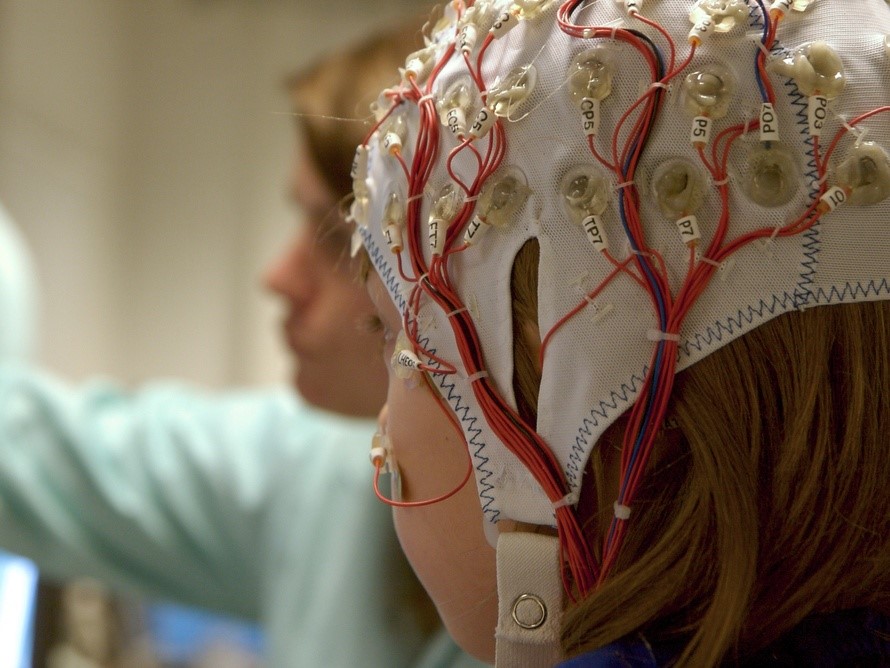
Epilepsy
About 1 in 30 people in the UK develop epilepsy at some stage in their lives. It most commonly starts in childhood and in people aged over 60. However, epilepsy can begin at any age. In general, seizures are well controlled by treatment in about 4 in 5 cases.
by Dr Doug McKechnie, MRCGP
Brain and nerves
Types of seizures
A seizure is a condition caused by a sudden burst of electrical activity in the brain. There are different types of seizures. This leaflet gives some information about what your doctor may wish to know and what tests may be advised after such an event.
by Dr Doug McKechnie, MRCGP

Brain and nerves
Living with epilepsy
This leaflet is a brief introduction to the practical considerations of living with epilepsy.
by Dr Colin Tidy, MRCGP

Brain and nerves
What to do when someone has an epileptic seizure
If you saw somebody having an epileptic seizure, would you know what to do? According to Epilepsy Action, there's a good chance the answer is no. Worse still, many people have misconceptions that may cause more harm than good.
by Victoria Raw
Brain and nerves
Sudden unexpected death in epilepsy
Sudden unexpected death occurs in a small number of people who have epilepsy. People most at risk are those with severe frequent seizures. Preventing seizures as much as possible with treatment may reduce the risk of sudden death. A support group may be helpful if you are bereaved by an unexpected death of a loved one.
by Dr Colin Tidy, MRCGP

Tests and investigations
Electroencephalograph
An electroencephalograph is a useful test to help diagnose epilepsy. It records the electrical activity of the brain. However, a normal result does not rule out epilepsy. Note: the information below is a general guide only. The arrangements, and the way tests are performed, may vary between different hospitals. Always follow the instructions given by your doctor or local hospital.
by Dr Colin Tidy, MRCGP
Related patient information and medicines

Patient information leaflet
Can I take Vitamin D and Wellbutrin together?
Vitamin D is a fat-soluble vitamin primarily processed by the liver and kidneys to its active form, while bupropion is metabolised mainly by the CYP2B6 enzyme system. Seek medical help immediately if your mood worsens or you have... Seizure disorders (epilepsy) or eating disorders Wellbutrin carries a significant risk of causing seizures. You must.
Patient information leaflet
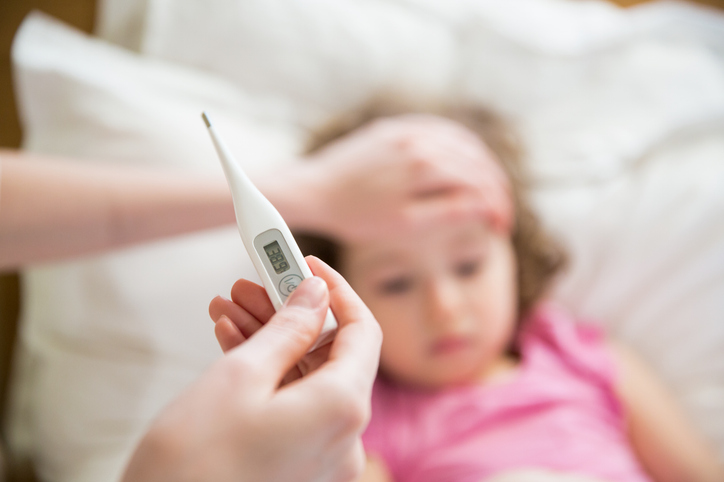
Rigors
In malarial zones (where malaria would be a highly likely cause of an unexplained temperature), malaria treatments may also be started before there is a firm diagnosis. Rigors are triggered by the presence of chemicals called pyrogens in the blood which 'turn up' the body's thermostat setting, telling the body to aim for a higher target.

Patient information leaflet
Vitamin D deficiency
Due to lack of sunlight, it is recommended that everyone in the UK over 1 year old take 10 micrograms (400 International Units) a day from October to March. What is vitamin D deficiency. Vitamin D deficiency means you don’t have enough vitamin D for your body to maintain health. Vitamin D is an essential vitamin that helps the body absorb calcium.

Patient information leaflet
Refeeding syndrome
Refeeding syndrome was first described in Far East prisoners after the second world war when they developed heart failure after starting to eat again after a prolonged period of starvation. Refeeding syndrome is a dangerous and life threatening shift of fluids and body salts (electrolytes) that can occur when malnourished patients receive.

Patient information leaflet
Can I take CBD oil and Clozapine together?
Taking CBD oil with clozapine can significantly increase the levels of clozapine in your blood. This can lead to serious side effects such as extreme drowsiness, dizziness, seizures, or a dangerous drop i... Why this happens Clozapine is broken down in the liver by specific proteins (enzymes) called CYP1A2 and CYP3A4. Important precautions.
Patient information leaflet
Hypoparathyroidism
Hypoparathyroidism can be successfully treated with calcium and vitamin D supplements but regular blood test monitoring is needed. What is hypoparathyroidism. What are the parathyroid glands. Two parathyroid glands lie behind each wing of the thyroid gland. The parathyroid glands release a chemical (hormone) called parathyroid hormone, often known.
Further reading and references
- Pyridoxal phosphate-responsive seizures; MedlinePlus, National Library of Medicine.
- Bagci S, Zschocke J, Hoffmann GF, Bast T, Klepper J, Muller A, Heep A, Bartmann P, Franz AR. Pyridoxal phosphate-dependent neonatal epileptic encephalopathy. Arch Dis Child Fetal Neonatal Ed. 2008 Mar;93(2):F151-2. doi: 10.1136/adc.2006.115162.
- Hoffmann GF, Schmitt B, Windfuhr M, Wagner N, Strehl H, Bagci S, Franz AR, Mills PB, Clayton PT, Baumgartner MR, Steinmann B, Bast T, Wolf NI, Zschocke J. Pyridoxal 5'-phosphate may be curative in early-onset epileptic encephalopathy. J Inherit Metab Dis. 2007 Feb;30(1):96-9. doi: 10.1007/s10545-006-0508-4. Epub 2006 Dec 23.
- Khayat M, Korman SH, Frankel P, Weintraub Z, Hershckowitz S, Sheffer VF, Elisha MB, Wevers RA, Falik-Zaccai TC. PNPO deficiency: an under diagnosed inborn error of pyridoxine metabolism. Mol Genet Metab. 2008 Aug;94(4):431-434. doi: 10.1016/j.ymgme.2008.04.008. Epub 2008 May 15.
- Mills PB, Surtees RA, Champion MP, Beesley CE, Dalton N, Scambler PJ, Heales SJ, Briddon A, Scheimberg I, Hoffmann GF, Zschocke J, Clayton PT. Neonatal epileptic encephalopathy caused by mutations in the PNPO gene encoding pyridox(am)ine 5'-phosphate oxidase. Hum Mol Genet. 2005 Apr 15;14(8):1077-86. doi: 10.1093/hmg/ddi120. Epub 2005 Mar 16.
- Plecko B, Mills P. PNPO Deficiency. 2022 Jun 23. In: Adam MP, Bick S, Mirzaa GM, Wallace SE, Amemiya A, editors. GeneReviews(R) [Internet]. Seattle (WA): University of Washington, Seattle; 1993-2026. Available from http://www.ncbi.nlm.nih.gov/books/NBK581452/
Share your thoughts or experiences with others in our patient communities.
Simple access to trusted treatments and health services online.
Common conditions
Get help with common conditions through the NHS, without a GP appointment.





Sign up to the Patient newsletter
Your weekly dose of clear, trustworthy health advice - written to help you feel informed, confident and in control.
By subscribing you accept our Privacy Policy. You can unsubscribe at any time. We never sell your data.