Type 1 diabetes
Last updated 22 Dec 2025
Meets Patient’s editorial guidelines
- DownloadDownload
- Share
- Language
- Discussion
- Ask Patient
- Audio Version
- Add to preferred sources on Google
Type 1 diabetes is a disorder characterised by abnormally high levels of blood glucose, also called blood sugar. In this form of diabetes, specialized cells in the pancreas called beta cells stop producing insulin. Insulin controls how much glucose (a type of sugar) is passed from the blood into cells for conversion to energy. Lack of insulin results in the inability to use glucose for energy or to control the amount of glucose in the blood.
Video picks for Genetic conditionsVideo library
Description
Type 1 diabetes is a disorder characterised by abnormally high levels of blood glucose, also called blood sugar. In this form of diabetes, specialized cells in the pancreas called beta cells stop producing insulin. Insulin controls how much glucose (a type of sugar) is passed from the blood into cells for conversion to energy. Lack of insulin results in the inability to use glucose for energy or to control the amount of glucose in the blood.
Type 1 diabetes can occur at any age, from early childhood to late adulthood. The first signs and symptoms of the disorder are caused by high blood glucose and may include frequent urination (polyuria), excessive thirst (polydipsia), fatigue, blurred vision, tingling or loss of feeling in the hands and feet, and weight loss. These symptoms may recur during the course of the disorder if blood glucose is not well controlled by insulin replacement therapy. Improper control can also cause blood glucose levels to become too low (hypoglycemia). This may occur when the body's needs change, such as during exercise or if eating is delayed. Hypoglycemia can cause headache, dizziness, hunger, shaking, sweating, weakness, and agitation.
Uncontrolled type 1 diabetes can lead to a life-threatening complication called diabetic ketoacidosis. Without insulin, cells cannot take in glucose. A lack of glucose in cells prompts the liver to try to compensate by releasing more glucose into the blood, and blood glucose can become extremely high. The cells, unable to use the glucose in the blood for energy, respond by using fats instead. Breaking down fats to obtain energy produces waste products called ketones, which can build up to toxic levels in people with type 1 diabetes, resulting in diabetic ketoacidosis. Affected individuals may begin breathing rapidly; develop a fruity odor in the breath; and experience nausea, vomiting, facial flushing, stomach pain, and dryness of the mouth (xerostomia). In severe cases, diabetic ketoacidosis can lead to coma and death.
Over many years, the chronic high blood glucose associated with diabetes may cause damage to blood vessels and nerves, leading to complications affecting many organs and tissues. The retina, which is the light-sensitive tissue at the back of the eye, can be damaged (diabetic retinopathy), leading to vision loss and eventual blindness. Kidney damage (diabetic nephropathy) may also occur and can lead to kidney failure and end-stage renal disease (ESRD). Pain, tingling, and loss of normal sensation (diabetic neuropathy) often occur, especially in the feet. Impaired circulation and absence of the normal sensations that prompt reaction to injury can result in permanent damage to the feet; in severe cases, the damage can lead to amputation. People with type 1 diabetes are also at increased risk of heart attacks, strokes, and problems with urinary and sexual function.
Inheritance patterns
The source lists the following possible inheritance patterns: Pattern unknown. More than one pattern can apply in different cases.
Related genes
Other names
Autoimmune diabetes
Diabetes mellitus type 1
Diabetes mellitus, insulin-dependent
Diabetes mellitus, type 1
IDDM
Insulin-dependent diabetes mellitus
JOD
Juvenile diabetes
Juvenile-onset diabetes
Juvenile-onset diabetes mellitus
T1D
Type 1 diabetes mellitus
Patient picks for Genetic conditions

Diabetes
Type 1 diabetes
Type 1 diabetes is the type of diabetes that typically develops in children and in young adults. In type 1 diabetes the body stops making insulin and the blood sugar (glucose) level goes very high. Treatment to control the blood glucose level is with insulin injections and a healthy diet. Other treatments aim to reduce the risk of complications. They include reducing blood pressure if it is high and advice to lead a healthy lifestyle.
by Dr Colin Tidy, MRCGP

Health and wellness video library
Type 1 diabetes videos
Our type 1 diabetes video hub features expert-led videos covering everything you need to know—from what causes type 1 diabetes and its common symptoms, to how it’s treated and the possible complications to watch out for. Whether you’re newly diagnosed or supporting someone with the condition, these videos are here to help you take control and live well.
by Lawrence Higgins

Diabetes
Video: What's the difference between type 1 and type 2 diabetes?
While they're both technically under the umbrella of diabetes, type 1 and type 2 are very different conditions which require a distinct set of treatments. We've looked at some of the main questions people have around each.
by Dr Sarah Jarvis

Diabetes
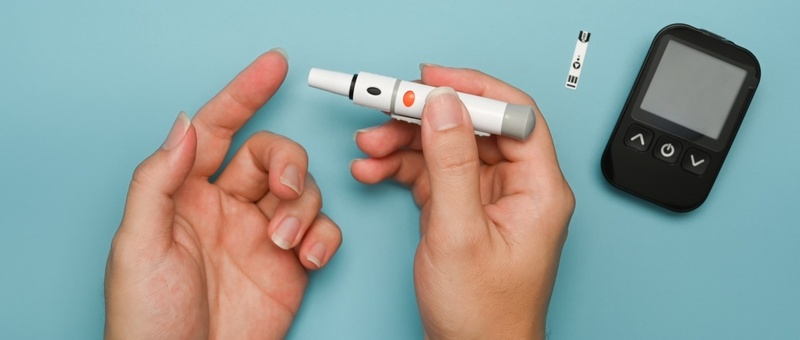
Continuous glucose monitoring in type 1 diabetes
Type 1 and type 2 diabetes are both potentially serious conditions which should always be taken seriously. They’re both diagnosed on the basis of high blood sugar. But in other respects they are very, very different. Type 2 is largely down to lifestyle – getting type 1 is absolutely nothing to do with whether you eat too much sugar, carry excess weight or don’t exercise enough. People with type 2 diabetes often never need insulin – those with type 1 need it from day one. Many people with type 2 diabetes never need treatment that carries a risk of disabling low blood sugar (hypoglycaemia) – people with type 1 live with this risk every day. As a result, many people with type 2 never need to check their blood sugar several times a day – for people with type 1, it’s a highly unwelcome occupational hazard.
by Dr Sarah Jarvis
Diabetes
MHRA approves teplizumab to delay progression of type 1 diabetes
Teplizumab (Tzield) has been approved by the Medicines and Healthcare products Regulatory Agency (MHRA) to help delay the onset of Stage 3 type 1 diabetes (T1D). Read on to see what this means if you are prescribed teplizumab and what it does for you.
by Lawrence Higgins

Diabetes
How your diet can help prevent type 2 diabetes
You've been given a prediabetes diagnosis, or have been identified as being at risk of type 2 diabetes - what can you do immediately to prevent type 2 diabetes?
by Rose Constantine Smith, ANutr
Related patient information and medicines
Patient information leaflet
Type 1 diabetes
Type 1 diabetes is the type of diabetes that typically develops in children and in young adults. In type 1 diabetes the body stops making insulin and the blood sugar (glucose) level goes very high. Treatment to control the blood glucose level is with insulin injections and a healthy diet. Find out more here:.

Patient information leaflet
Diabetes
There are two main types of diabetes - type 1 diabetes and type 2 diabetes. Find out more here: [https://patient.info/health/diabetes-mellitus-leaflet](https://patient.info/health/diabetes-mellitus-leaflet) Diabetes mellitus (just called diabetes from now on) occurs when the ... Type 1 diabetes is an autoimmune condition. Causes of type 1 diabetes.
Patient information leaflet
Diabetes in children
Type 1 diabetes most often first starts in children (particularly in children aged 6 months to 5 years or during puberty). Type 1 diabetes If your child has type 1 diabetes, symptoms tend to come on within a matter of days or weeks. ...ass urine much more frequentlyIt is thought that type 1 diabetes may often be due to an autoimmune disease, in.

Patient information leaflet
Insulin
Insulin is a hormone made naturally in the body by the pancreas. For more information on insulin, go to [https://patient.info/health/type-1-diabetes/insulins]... There are two different types of diabetes: Type 1 diabetes Type 1 diabetes is the type of diabetes that typically develops in children and young adults Type 1 diabetes. Type 1 diabetes is.

Patient information leaflet
Diabetes and illness
There is also further information in the following sections on Type 1 diabet... See also the article on Type 1 diabetes Type 1 diabetes. Frequently asked questions What happens to my diabetes when I am unwell. When a person with diabetes is unwell the sugar level in the blood tends to increase. This can happen even with a very mild illness such as.

Patient information leaflet
Blood glucose test (blood sugar) and HbA1c
Find out more: [https://patient.info/health/type-1-diabetes/features/how-low-blood-sug... Below are the main types of diabetes and related conditions: Type 1 Diabetes Mellitus : The immune system attacks the insulin-making cells in the pancreas. It usually presents in childhood and requires insulin injections. Type 2 Diabetes Mellitus : The body.
Further reading and references
- Type 1 diabetes; MedlinePlus, National Library of Medicine.
- Baker PR 2nd, Steck AK. The past, present, and future of genetic associations in type 1 diabetes. Curr Diab Rep. 2011 Oct;11(5):445-53. doi: 10.1007/s11892-011-0212-0.
- Forlenza GP, Rewers M. The epidemic of type 1 diabetes: what is it telling us? Curr Opin Endocrinol Diabetes Obes. 2011 Aug;18(4):248-51. doi: 10.1097/MED.0b013e32834872ce.
- Maahs DM, West NA, Lawrence JM, Mayer-Davis EJ. Epidemiology of type 1 diabetes. Endocrinol Metab Clin North Am. 2010 Sep;39(3):481-97. doi: 10.1016/j.ecl.2010.05.011.
- Menke A, Orchard TJ, Imperatore G, Bullard KM, Mayer-Davis E, Cowie CC. The prevalence of type 1 diabetes in the United States. Epidemiology. 2013 Sep;24(5):773-4. doi: 10.1097/EDE.0b013e31829ef01a. No abstract available.
- Morahan G. Insights into type 1 diabetes provided by genetic analyses. Curr Opin Endocrinol Diabetes Obes. 2012 Aug;19(4):263-70. doi: 10.1097/MED.0b013e328355b7fe.
- Noble JA, Valdes AM. Genetics of the HLA region in the prediction of type 1 diabetes. Curr Diab Rep. 2011 Dec;11(6):533-42. doi: 10.1007/s11892-011-0223-x.
- Polychronakos C, Li Q. Understanding type 1 diabetes through genetics: advances and prospects. Nat Rev Genet. 2011 Oct 18;12(11):781-92. doi: 10.1038/nrg3069.
- Steck AK, Rewers MJ. Genetics of type 1 diabetes. Clin Chem. 2011 Feb;57(2):176-85. doi: 10.1373/clinchem.2010.148221. Epub 2011 Jan 4.
- van Belle TL, Coppieters KT, von Herrath MG. Type 1 diabetes: etiology, immunology, and therapeutic strategies. Physiol Rev. 2011 Jan;91(1):79-118. doi: 10.1152/physrev.00003.2010.
Share your thoughts or experiences with others in our patient communities.
Simple access to trusted treatments and health services online.
Common conditions
Get help with common conditions through the NHS, without a GP appointment.





Sign up to the Patient newsletter
Your weekly dose of clear, trustworthy health advice - written to help you feel informed, confident and in control.
By subscribing you accept our Privacy Policy. You can unsubscribe at any time. We never sell your data.