insulin
Last updated 13 Jan 2026
Meets Patient’s editorial guidelines
- DownloadDownload
- Share
- Language
- Discussion
- Ask Patient
- Audio Version
- Add to preferred sources on Google
The INS gene provides instructions for producing the hormone insulin, which is made and secreted by specialized cells in the pancreas called beta cells. Insulin helps move glucose, also called blood sugar, from the blood into cells, where it is converted into energy. Glucose is a simple sugar and the primary energy source for most cells in the body.
Video picks for GenesVideo library
Normal function
The INS gene provides instructions for producing the hormone insulin, which is made and secreted by specialized cells in the pancreas called beta cells. Insulin helps move glucose, also called blood sugar, from the blood into cells, where it is converted into energy. Glucose is a simple sugar and the primary energy source for most cells in the body.
The precursor to insulin is called proinsulin, which consists of a single chain of protein building blocks (amino acids). The proinsulin chain is cut (cleaved) to form individual pieces called A and B chains. These chains are joined together by connections called disulfide bonds to form insulin.
Conditions referring to this gene or chromosome
Other names
IDDM1
IDDM2
proinsulin
Patient picks for Genes
Hormones
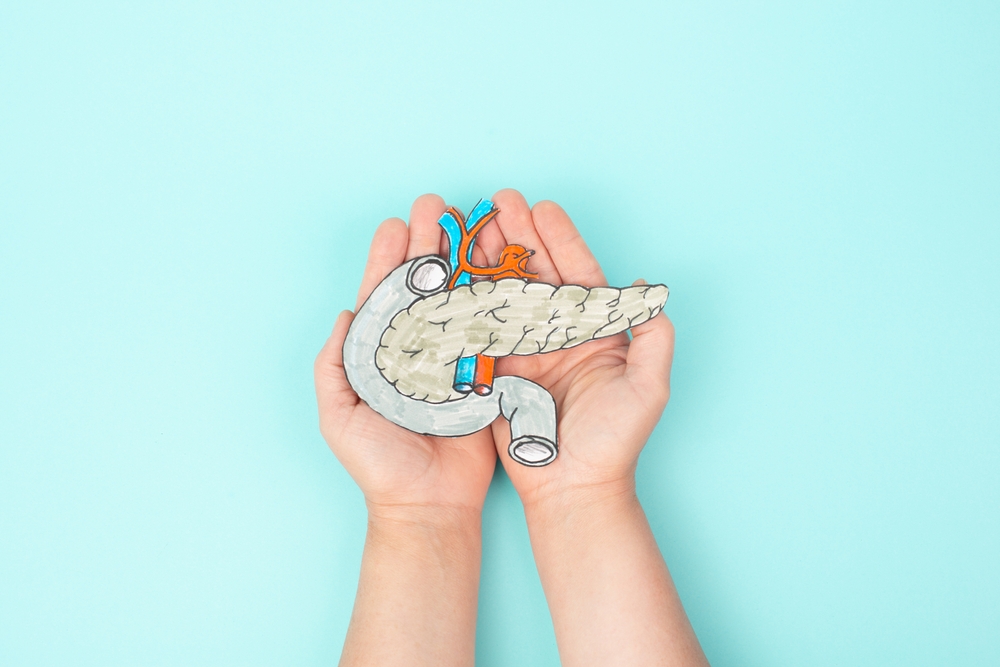
Insulin resistance: the common thread linking metabolic conditions
You may have come across the term “insulin resistance” - particularly if you’ve been having conversations about weight and metabolic health - but be a little unclear about what it actually is. Whilst it’s easy to think insulin resistance just means reduced glucose control, it’s actually far more complex than that. Dr Nienke Lees, Women's Health Service Lead, Genwell UK, explains what it means and how it connects conditions including type 2 diabetes, fatty liver disease, cardiovascular disease, and PCOS.
by Dr Nienke Lees
Treatment and medication
Insulin
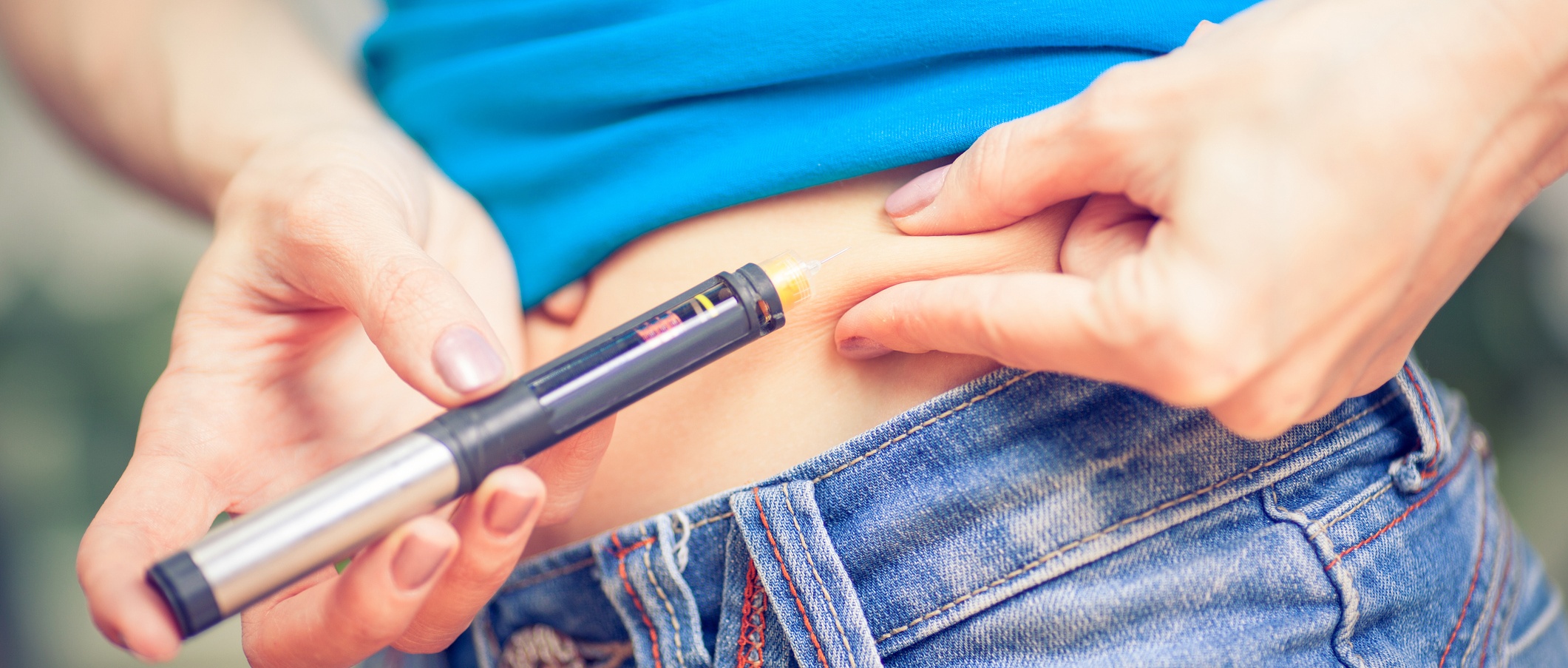
Insulin is a hormone made naturally in the body by the pancreas. This hormone controls the level of sugar (glucose) in the blood. People who have type 1 diabetes need to have regular insulin injections. In type 1 diabetes, the body stops making insulin and the blood sugar level goes very high. Some people who have type 2 diabetes may also need to have insulin injections to help control blood sugar levels. Insulin is usually injected under the skin between 2-4 times a day. There are different types of insulin available which are classified according to how quickly and for how long they work. Your doctor or diabetes nurse will discuss the various preparations and devices available and help you choose a regimen that is right for you. Treatment with insulin is usually lifelong.
by Dr Colin Tidy, MRCGP
Drug interactions checker
Can I take Mounjaro and Insulin together?
Taking Mounjaro (tirzepatide) and insulin together significantly increases your risk of having a 'hypo' (hypoglycaemia), which is when your blood sugar levels drop too low. Symptoms of a hypo can include feeling shaky, sweaty, dizzy, hungry, or confused. In severe cases, it can be dangerous.
Medicine
Insulin
Make sure you know which type (or types) of insulin to use, how much to inject, and what time of day to use it. Each time you collect a prescription, check the container to make sure it is the right insulin for you. Store unopened insulin in a refrigerator until it is needed.
by Michael Stewart, MRPharmS

Other diabetes
What does insulin do?
Dr Partha Kar In type 1 diabetes, the body stops making insulin and the blood sugar level goes very high. Some people who have type 2 diabetes may also need to have insulin injections to help control blood sugar levels. Insulin is usually injected under the skin between 2-4 times a day. For more information on insulin, go to [https://patient.info/health/type-1-diabetes/insulins](https://patient.info/health/type-1-diabetes/insulins)
by Dr Partha Kar, FRCP

Other diabetes
Sick day rules for people with diabetes.
Dr Sarah Jarvis MBE Any illness or other type of stress will raise your blood sugar (glucose) levels, even if you are off your food or eating less than usual. People with diabetes are unable to produce more insulin to control the glucose level. The increased glucose level can make you become very lacking in fluid in the body (dehydrated). For more information, go to [https://patient.info/health/diabetes-mellitus-leaflet/diabetes-and-illness](https://patient.info/health/diabetes-mellitus-leaflet/diabetes-and-illness)
by Dr Sarah Jarvis
Related patient information and medicines
Patient information leaflet
Insulin
Insulin is a hormone made naturally in the body by the pancreas. This hormone controls the level of sugar (glucose) in the blood. People who have type 1 di... Insulin is usually injected under the skin between 2-4 times a day. For more information on insulin, go to.

Patient information leaflet
Diabetes
Type 1 diabetes is an autoimmune condition. It is not caused by someone's diet or lifestyle. It usually develops quite quickly, over days or weeks, as the pancreas stops making insulin. Diabetes is a condition where there is not enough insulin being produced by the pancreas. Insulin is a hormone that the body needs in order to move glucose into.

Patient information leaflet
Type 2 diabetes treatment
One medicine (usually metformin) is used first but two or even three medicines may be needed. You... The rest of this leaflet is about medications to control blood glucose. However, some people with type 2 diabetes need insulin injections to help control blood sugar (glucose) levels. Our leaflet on diabetes and illness Diabetes and illness gives.
Patient information leaflet
Chronic pancreatitis
Chronic pancreatitis is long-term inflammation of the pancreas that causes the pancreas to become permanently damaged and stop working properly. The pancreas is an organ in the abdomen (tummy). Producing hormones to help control various things in the body. Insulin Insulin is a very important hormone produced by the pancreas. As the pancreas gets.
Patient information leaflet
Driving and diabetes
Insulin, used for people with type 1 diabetes and some people with type 2, can cause your blood sugar to drop too low - so-called hypoglycaemia episodes, or... If you have a Group 2 (bus and lorry) licence, you need to inform the DVLA if you take tablets for your diabetes, even if these do not include sulfonylureas or glinides Diabetes requiring.

Patient information leaflet
Diabetes and illness
Insulin may need to be increased or decreased when you're unwell. If on insulin therapy Insulin , do not stop treatment. The dose of insulin may need to be altered during periods of illness. If self-monitoring of blood glucose levels is required (for example on insulin therapy): An increase in monitoring frequency may be needed, such as at least.
Further reading and references
- insulin; MedlinePlus, National Library of Medicine.
- Boesgaard TW, Pruhova S, Andersson EA, Cinek O, Obermannova B, Lauenborg J, Damm P, Bergholdt R, Pociot F, Pisinger C, Barbetti F, Lebl J, Pedersen O, Hansen T. Further evidence that mutations in INS can be a rare cause of Maturity-Onset Diabetes of the Young (MODY). BMC Med Genet. 2010 Mar 12;11:42. doi: 10.1186/1471-2350-11-42.
- De Leon DD, Pinney SE. Permanent Neonatal Diabetes Mellitus. 2008 Feb 8 [updated 2025 Sep 25]. In: Adam MP, Bick S, Mirzaa GM, Wallace SE, Amemiya A, editors. GeneReviews(R) [Internet]. Seattle (WA): University of Washington, Seattle; 1993-2026. Available from http://www.ncbi.nlm.nih.gov/books/NBK1447/
- Edghill EL, Flanagan SE, Patch AM, Boustred C, Parrish A, Shields B, Shepherd MH, Hussain K, Kapoor RR, Malecki M, MacDonald MJ, Stoy J, Steiner DF, Philipson LH, Bell GI; Neonatal Diabetes International Collaborative Group; Hattersley AT, Ellard S. Insulin mutation screening in 1,044 patients with diabetes: mutations in the INS gene are a common cause of neonatal diabetes but a rare cause of diabetes diagnosed in childhood or adulthood. Diabetes. 2008 Apr;57(4):1034-42. doi: 10.2337/db07-1405. Epub 2007 Dec 27.
- Liu M, Haataja L, Wright J, Wickramasinghe NP, Hua QX, Phillips NF, Barbetti F, Weiss MA, Arvan P. Mutant INS-gene induced diabetes of youth: proinsulin cysteine residues impose dominant-negative inhibition on wild-type proinsulin transport. PLoS One. 2010 Oct 11;5(10):e13333. doi: 10.1371/journal.pone.0013333.
- Liu M, Hodish I, Haataja L, Lara-Lemus R, Rajpal G, Wright J, Arvan P. Proinsulin misfolding and diabetes: mutant INS gene-induced diabetes of youth. Trends Endocrinol Metab. 2010 Nov;21(11):652-9. doi: 10.1016/j.tem.2010.07.001. Epub 2010 Aug 18.
- Molven A, Ringdal M, Nordbo AM, Raeder H, Stoy J, Lipkind GM, Steiner DF, Philipson LH, Bergmann I, Aarskog D, Undlien DE, Joner G, Sovik O; Norwegian Childhood Diabetes Study Group; Bell GI, Njolstad PR. Mutations in the insulin gene can cause MODY and autoantibody-negative type 1 diabetes. Diabetes. 2008 Apr;57(4):1131-5. doi: 10.2337/db07-1467. Epub 2008 Jan 11.
- Polak M, Dechaume A, Cave H, Nimri R, Crosnier H, Sulmont V, de Kerdanet M, Scharfmann R, Lebenthal Y, Froguel P, Vaxillaire M; French ND (Neonatal Diabetes) Study Group. Heterozygous missense mutations in the insulin gene are linked to permanent diabetes appearing in the neonatal period or in early infancy: a report from the French ND (Neonatal Diabetes) Study Group. Diabetes. 2008 Apr;57(4):1115-9. doi: 10.2337/db07-1358. Epub 2008 Jan 2.
- Rubio-Cabezas O, Klupa T, Malecki MT; CEED3 Consortium. Permanent neonatal diabetes mellitus--the importance of diabetes differential diagnosis in neonates and infants. Eur J Clin Invest. 2011 Mar;41(3):323-33. doi: 10.1111/j.1365-2362.2010.02409.x. Epub 2010 Nov 4.
- Stoy J, Edghill EL, Flanagan SE, Ye H, Paz VP, Pluzhnikov A, Below JE, Hayes MG, Cox NJ, Lipkind GM, Lipton RB, Greeley SA, Patch AM, Ellard S, Steiner DF, Hattersley AT, Philipson LH, Bell GI; Neonatal Diabetes International Collaborative Group. Insulin gene mutations as a cause of permanent neonatal diabetes. Proc Natl Acad Sci U S A. 2007 Sep 18;104(38):15040-4. doi: 10.1073/pnas.0707291104. Epub 2007 Sep 12.
- Stoy J, Steiner DF, Park SY, Ye H, Philipson LH, Bell GI. Clinical and molecular genetics of neonatal diabetes due to mutations in the insulin gene. Rev Endocr Metab Disord. 2010 Sep;11(3):205-15. doi: 10.1007/s11154-010-9151-3.
- Weiss MA. Proinsulin and the genetics of diabetes mellitus. J Biol Chem. 2009 Jul 17;284(29):19159-63. doi: 10.1074/jbc.R109.009936. Epub 2009 Apr 24.
Share your thoughts or experiences with others in our patient communities.
Simple access to trusted treatments and health services online.
Common conditions
Get help with common conditions through the NHS, without a GP appointment.





Sign up to the Patient newsletter
Your weekly dose of clear, trustworthy health advice - written to help you feel informed, confident and in control.
By subscribing you accept our Privacy Policy. You can unsubscribe at any time. We never sell your data.