barttin CLCNK type accessory subunit beta
Last updated 1 Jul 2022
Meets Patient’s editorial guidelines
- DownloadDownload
- Share
- Language
- Discussion
- Ask Patient
- Audio Version
- Add to preferred sources on Google
The BSND gene provides instructions for making a protein called barttin. This protein is found primarily in the kidneys, where it attaches (binds) to two specific chloride channels: ClC-Ka (produced from the CLCNKA gene) and ClC-Kb (produced from the CLCNKB gene). The ClC-Ka and ClC-Kb channels transport charged atoms of chlorine (chloride ions) out of kidney cells.
Video picks for GenesVideo library
Normal function
The BSND gene provides instructions for making a protein called barttin. This protein is found primarily in the kidneys, where it attaches (binds) to two specific chloride channels: ClC-Ka (produced from the CLCNKA gene) and ClC-Kb (produced from the CLCNKB gene). The ClC-Ka and ClC-Kb channels transport charged atoms of chlorine (chloride ions) out of kidney cells.
Barttin is essential for the normal placement of ClC-Ka and ClC-Kb channels in the cell membrane. It also regulates the channels' stability and function. The transport of chloride ions is part of the mechanism by which the kidneys reabsorb salt (sodium chloride or NaCl) from the urine back into the bloodstream. The retention of salt affects the body's fluid levels and helps maintain blood pressure.
Barttin, ClC-Ka, and ClC-Kb are also found in the inner ear, where they play a role in normal hearing.
Conditions referring to this gene or chromosome
Other names
BART
Bartter syndrome, infantile, with sensorineural deafness (Barttin)
barttin
barttin CLCNK-type chloride channel accessory beta subunit
BSND_HUMAN
deafness, autosomal recessive 73
DFNB73
Patient picks for Genes

Treatment and medication
Beta-blockers
Beta-blockers are medicines that are used to treat a variety of conditions. Their full correct name is beta-adrenoceptor blocking medicines (or beta-adrenergic blocking agents), but they are commonly just called beta-blockers.
by Dr Rosalyn Adleman, MRCGP
Diabetes
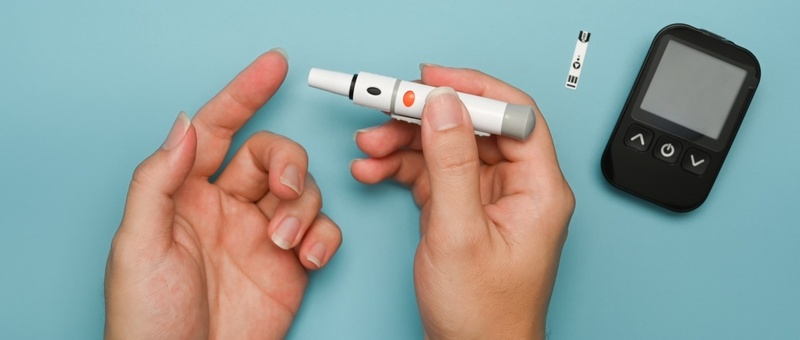
MHRA approves teplizumab to delay progression of type 1 diabetes
Teplizumab (Tzield) has been approved by the Medicines and Healthcare products Regulatory Agency (MHRA) to help delay the onset of Stage 3 type 1 diabetes (T1D). Read on to see what this means if you are prescribed teplizumab and what it does for you.
by Lawrence Higgins
Drug interactions checker
Can I take Betahistine and Citalopram together?
There are no known significant interactions between betahistine and citalopram. It is generally considered safe to take these two medicines together.

Tests and investigations
Blood groups and types
ABO and rhesus are both types of antigens found on the surface of red blood cells. There are lots of other types but these are the most important.
by Dr Rosalyn Adleman, MRCGP

Diabetes
Video: What's the difference between type 1 and type 2 diabetes?
While they're both technically under the umbrella of diabetes, type 1 and type 2 are very different conditions which require a distinct set of treatments. We've looked at some of the main questions people have around each.
by Dr Sarah Jarvis

Treatment and medication
Do beta blockers help with anxiety symptoms?
Whether you had sweaty palms before an exam or a racing heart before a driving test, we’ve all experienced the symptoms of anxiety from time to time. These physical reactions can be hard to cope with - especially if you need to perform under pressure - but medication called beta blockers can help provide some relief.
by Lydia Smith
Related patient information and medicines

Patient information leaflet
Can I take Bisoprolol and Trimbow together?
Bisoprolol may cause the airways to narrow, making it harder to breathe and potentially triggering asthma or COPD symptoms. It also makes the formoterol in the Trimbow inhaler less effective at opening your airways. Why this happens Bisoprolol is a 'beta-blocker' and formoterol (in Trimbow) is a 'beta-agonist'. They compete for the same receptors.
Patient information leaflet
Insulin
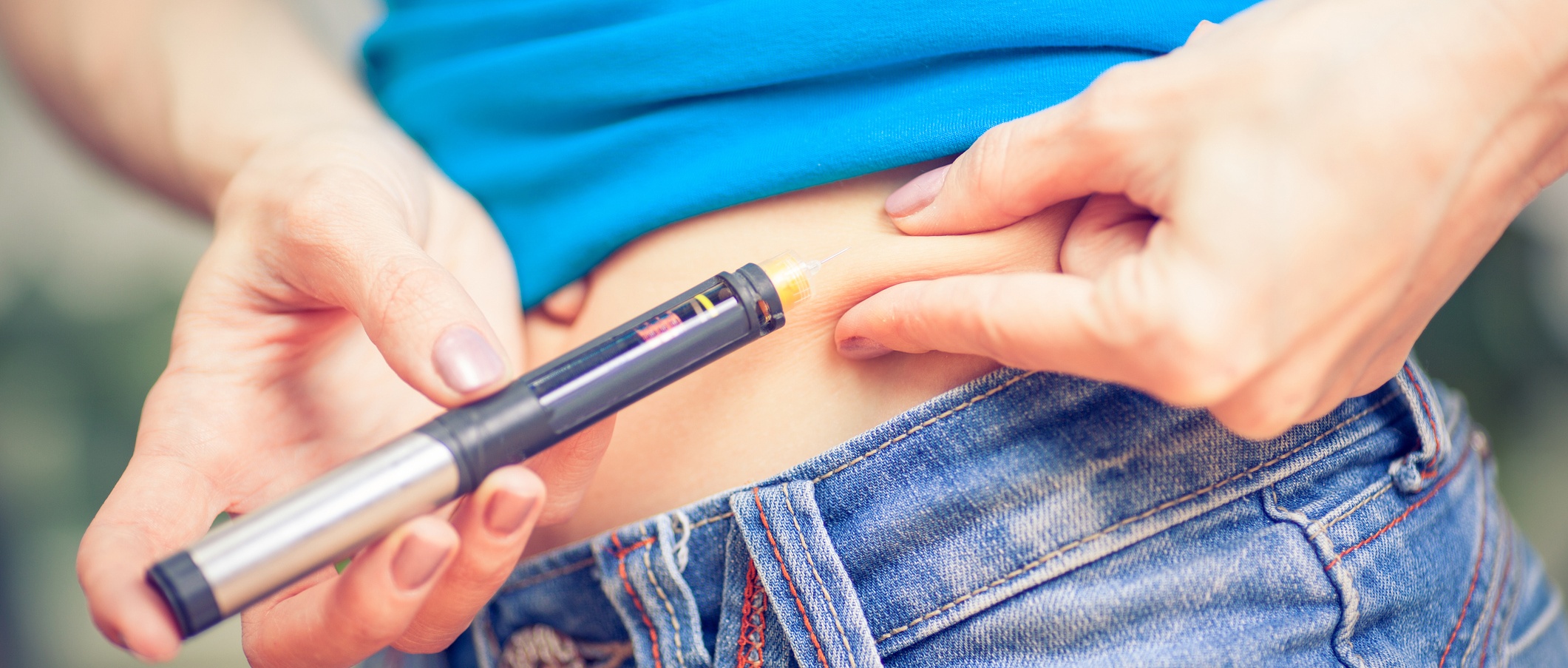
Insulin is a hormone made naturally in the body by the pancreas. This hormone controls the level of sugar (glucose) in the blood. Insulin is usually injected under the skin between 2-4 times a day. For more information on insulin, go to [https://patient.info/health/type-1-diabetes/insulins](https://patient.info/health/type-1-diabetes/insulins).
Patient information leaflet
Thalassaemia
Depending on which type you have, thalassaemia may cause no illness at all, or may be a serious lifelong condition requiring treatment. The main parts are called alpha chains and beta chains which are put together to make the haemoglobin molecule. In thalassaemia, part of the haemoglobin is faulty - usually either the alpha chains or the beta.
Patient information leaflet
Beta-blockers
Beta-blockers are medicines that are used to treat a variety of conditions. Their full correct name is beta-adrenoceptor blocking medicines (or beta-adrenergic blocking agents), but they are commonly just called beta-blockers. How do beta-blockers work. Beta-blockers work by blocking the transmission of certain nerve impulses. The ends of some.

Patient information leaflet
Calcium channel blockers
Calcium channel blockers (sometimes called calcium antagonists) are a group of medicines that affect the way calcium passes into certain muscle cells. They are commonly prescribed to manage high blood pressure , angina , Raynaud's phenomenon and some abnormal heart rhythms (arrhythmias). They are also used to try to stop premature labour in.
Patient information leaflet
Wolff-Parkinson-White syndrome
Wolff-Parkinson-White syndrome is not common but can cause a fast heart rate or other heart rhythm abnormalities from time to time. Treatment can be given for the fast heart rate and also to prevent any further episodes. What is Wolff-Parkinson-White syndrome. In Wolff-Parkinson-White (WPW) syndrome there is an extra connection (an accessory.
Further reading and references
- barttin CLCNK type accessory subunit beta; MedlinePlus, National Library of Medicine.
- Birkenhager R, Otto E, Schurmann MJ, Vollmer M, Ruf EM, Maier-Lutz I, Beekmann F, Fekete A, Omran H, Feldmann D, Milford DV, Jeck N, Konrad M, Landau D, Knoers NV, Antignac C, Sudbrak R, Kispert A, Hildebrandt F. Mutation of BSND causes Bartter syndrome with sensorineural deafness and kidney failure. Nat Genet. 2001 Nov;29(3):310-4. doi: 10.1038/ng752.
- Estevez R, Boettger T, Stein V, Birkenhager R, Otto E, Hildebrandt F, Jentsch TJ. Barttin is a Cl- channel beta-subunit crucial for renal Cl- reabsorption and inner ear K+ secretion. Nature. 2001 Nov 29;414(6863):558-61. doi: 10.1038/35107099.
- Hayama A, Rai T, Sasaki S, Uchida S. Molecular mechanisms of Bartter syndrome caused by mutations in the BSND gene. Histochem Cell Biol. 2003 Jun;119(6):485-93. doi: 10.1007/s00418-003-0535-2. Epub 2003 May 22.
- Janssen AG, Scholl U, Domeyer C, Nothmann D, Leinenweber A, Fahlke C. Disease-causing dysfunctions of barttin in Bartter syndrome type IV. J Am Soc Nephrol. 2009 Jan;20(1):145-53. doi: 10.1681/ASN.2008010102. Epub 2008 Sep 5.
- Kramer BK, Bergler T, Stoelcker B, Waldegger S. Mechanisms of Disease: the kidney-specific chloride channels ClCKA and ClCKB, the Barttin subunit, and their clinical relevance. Nat Clin Pract Nephrol. 2008 Jan;4(1):38-46. doi: 10.1038/ncpneph0689.
- Miyamura N, Matsumoto K, Taguchi T, Tokunaga H, Nishikawa T, Nishida K, Toyonaga T, Sakakida M, Araki E. Atypical Bartter syndrome with sensorineural deafness with G47R mutation of the beta-subunit for ClC-Ka and ClC-Kb chloride channels, barttin. J Clin Endocrinol Metab. 2003 Feb;88(2):781-6. doi: 10.1210/jc.2002-021398.
- Riazuddin S, Anwar S, Fischer M, Ahmed ZM, Khan SY, Janssen AG, Zafar AU, Scholl U, Husnain T, Belyantseva IA, Friedman PL, Riazuddin S, Friedman TB, Fahlke C. Molecular basis of DFNB73: mutations of BSND can cause nonsyndromic deafness or Bartter syndrome. Am J Hum Genet. 2009 Aug;85(2):273-80. doi: 10.1016/j.ajhg.2009.07.003. Epub 2009 Jul 30.
- Scholl U, Hebeisen S, Janssen AG, Muller-Newen G, Alekov A, Fahlke C. Barttin modulates trafficking and function of ClC-K channels. Proc Natl Acad Sci U S A. 2006 Jul 25;103(30):11411-6. doi: 10.1073/pnas.0601631103. Epub 2006 Jul 18.
Share your thoughts or experiences with others in our patient communities.
Simple access to trusted treatments and health services online.
Common conditions
Get help with common conditions through the NHS, without a GP appointment.





Sign up to the Patient newsletter
Your weekly dose of clear, trustworthy health advice - written to help you feel informed, confident and in control.
By subscribing you accept our Privacy Policy. You can unsubscribe at any time. We never sell your data.