cell division cycle 6
Last updated 18 Aug 2020
Meets Patient’s editorial guidelines
- DownloadDownload
- Share
- Language
- Discussion
- Ask Patient
- Audio Version
- Add to preferred sources on Google
The CDC6 gene provides instructions for making a protein that is important in the copying of a cell's DNA before the cell divides (a process known as DNA replication). The protein produced from this gene, called cell division cycle 6 or CDC6, is one of a group of proteins known as the pre-replication complex. In a multi-step process, the components of this complex attach (bind) to certain regions of DNA known as origins of replication (or origins), where the process of DNA copying begins. When the pre-replication complex is attached to the origin, replication is able to begin at that location. This tightly controlled process, called replication licensing, helps ensure that DNA replication occurs only once per cell division and is required for cells to divide.
Video picks for GenesVideo library
Normal function
The CDC6 gene provides instructions for making a protein that is important in the copying of a cell's DNA before the cell divides (a process known as DNA replication). The protein produced from this gene, called cell division cycle 6 or CDC6, is one of a group of proteins known as the pre-replication complex. In a multi-step process, the components of this complex attach (bind) to certain regions of DNA known as origins of replication (or origins), where the process of DNA copying begins. When the pre-replication complex is attached to the origin, replication is able to begin at that location. This tightly controlled process, called replication licensing, helps ensure that DNA replication occurs only once per cell division and is required for cells to divide.
Conditions referring to this gene or chromosome
Other names
cdc18-related protein
CDC18L
CDC6 cell division cycle 6 homolog
CDC6-related protein
CDC6_HUMAN
cell division control protein 6 homolog
cell division cycle 6 homolog
HsCDC18
HsCDC6
p62(cdc6)
Patient picks for Genes

Allergies, blood and immune system
Polycythaemia rubra vera
Polycythaemia rubra vera (PRV) is a myeloproliferative disorder, which means the bone marrow makes too many blood cells. It is also sometimes just called polycythaemia (PV). There is an abnormally high number of red blood cells in your blood. You may also have an abnormally high number of platelets and white blood cells.
by Dr Hayley Willacy, FRCGP
Cancer
Stem cell transplant
A stem cell transplant is where blood stem cells (the cells produced by the bone marrow to turn into different types of blood cells) are put back into your body when your bone marrow has been destroyed and cannot make stem cells itself. The bone marrow can be destroyed by diseases such as cancer, chemotherapy or radiotherapy. It is used to increase the chance of a cure or remission if you have a particular type of cancer or blood disorder. It usually involves intense chemotherapy followed by an infusion of stem cells. The treatment requires close nursing and medical care for a number of weeks. Your specialist would advise when the likely benefits of this procedure outweigh the risks.
by Dr Philippa Vincent, MRCGP

Cancer
What to expect during a LLETZ procedure for abnormal cells
Post 25, regular cervical screening is part of many people's medical routine. Often, cervical cells are completely normal and no further action is taken; you're usually asked to come back for another smear test in three years time. But in others, abnormal cells are detected and further treatment is needed. One such treatment is the LLETZ. But what is it, how does it work, and what are its side effects?
by Emily Reynolds
Children's health
Sickle cell trait
If you inherit a gene from one of your parents, called a sickle cell gene, you have a condition called sickle cell trait. If you inherit a sickle cell gene from both parents, you get a double dose of the sickle cell gene. This causes a condition called sickle cell disease (SCD).
by Dr Sarah Jarvis
Allergies, blood and immune system
Sickle cell disease
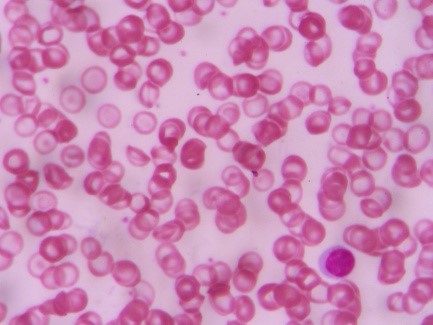
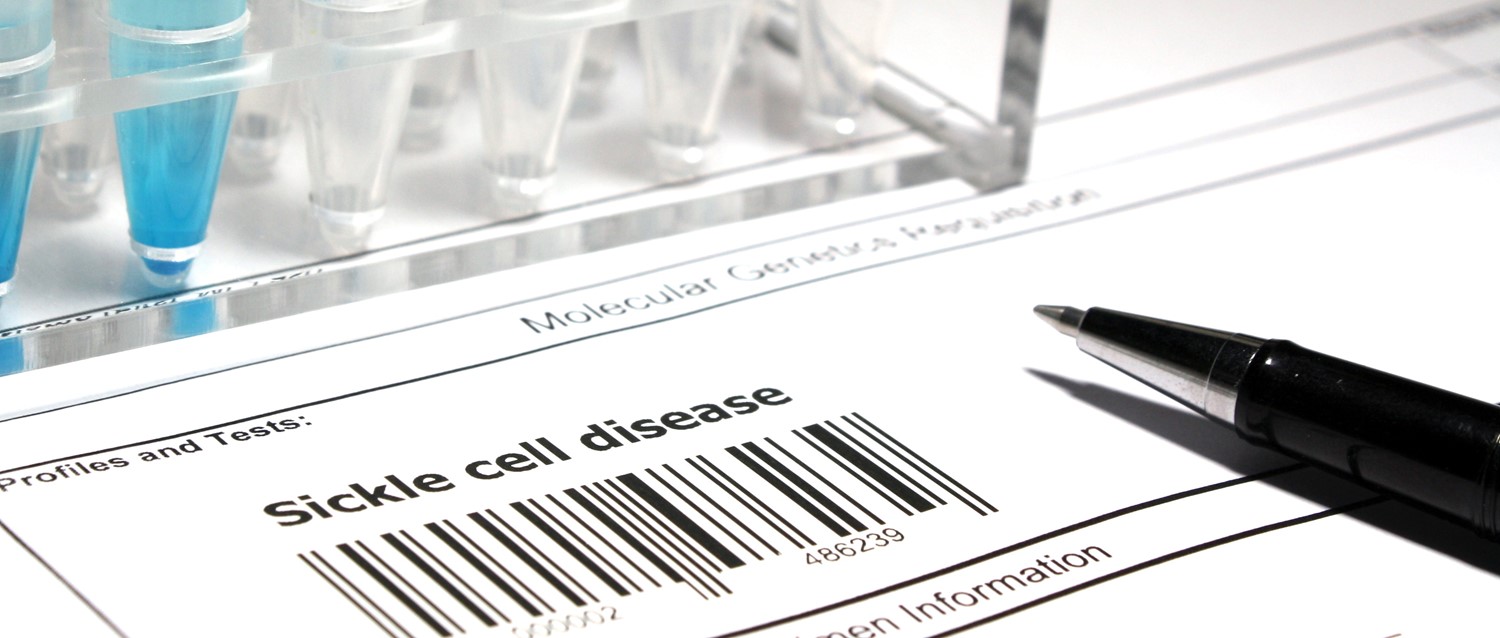
Sickle cell disease (SCD) is a serious, inherited condition affecting the blood and various organs in the body. It affects the red blood cells, causing episodes of 'sickling', which produce episodes of pain and other symptoms. In between episodes of sickling, people with SCD are normally well. Long-term complications can occur. Good treatment, started early in life, can prevent complications. So, early diagnosis and specialist treatment are advised for SCD. Sickle cell trait is not the same as sickle cell disease.
by Dr Hayley Willacy, FRCGP
Allergies, blood and immune system
What does the new treatment for sickle cell disease mean for sickle cell patients?
It has been over 20 years since the last breakthrough in the treatment of sickle cell disease. Now a new antibody-based drug has been approved that can significantly reduce the number of episodes of severe pain experienced by patients. What does this step mean for the 15,000 people living with sickle cell disorder in the UK?
by Amberley Davis
Related patient information and medicines

Patient information leaflet
Chemotherapy
Some cancers can be cured with chemotherapy alone. Sometimes chemotherapy is used in addition to another main treatment. For example, you may have surgery to remove a tumour but you may also be given a course of chemotherapy after the s... The length of a full course of treatment is often about six months. So this may consist of about six cycles.

Patient information leaflet
Klinefelter's syndrome
Klinefelter's syndrome is a genetic condition that only affects males. What is Klinefelter's syndrome (KS) In general, each cell in your body contains 46 chromosomes arranged in 23 pairs. It usually happens randomly during meiosis. Meiosis is cell division which produces egg and sperm cells (reproductive cells). Because of an error in cell.

Patient information leaflet
Acute myeloid leukaemia
Acute myeloid leukaemia is where the bone marrow makes large numbers of abnormal immature white blood cells which are derived from a myeloid stem cell. What is acute myeloid leukaemia. Acute myeloid leukaemia (AML) is a condition where the bone marrow makes large numbers of abnormal immature white blood cells which are derived from a myeloid stem.

Patient information leaflet
Cri du chat syndrome
Cri du chat syndrome is a chromosome problem caused by a missing piece of chromosome 5. The syndrome is called cri du chat (French for cry of the... Because of the head and face abnormalities, serious lung infection (pneumonia) Pneumonia is more common. Understanding chromosomes and cell division Chromosomes are found in the centre (nucleus) of a.

Patient information leaflet
Chronic myeloid leukaemia
Chronic myeloid leukaemia (CML) is sometimes called chronic myelogenous leukaemia, chronic granulocytic leukaemia, or chronic myelocytic leukaemia. What is chronic myeloid leukaemia. Chronic myeloid leukaemia (CML) is sometimes called chronic myelogenous leukaemia, chronic granulocytic leukaemia, or chronic myelocytic leukaemia. CML develops due.

Patient information leaflet
Gallium scan
A gallium scan uses a radioactive chemical to help create pictures which can show areas of possible infection, injury, inflammation or cancer. It does this by looking for areas where there is rapid cell division within the body. Note : the information below is a general guide only. A gallium scan is a type of nuclear medicine, or radionuclide scan.
Further reading and references
- cell division cycle 6; MedlinePlus, National Library of Medicine.
- Bicknell LS, Bongers EM, Leitch A, Brown S, Schoots J, Harley ME, Aftimos S, Al-Aama JY, Bober M, Brown PA, van Bokhoven H, Dean J, Edrees AY, Feingold M, Fryer A, Hoefsloot LH, Kau N, Knoers NV, Mackenzie J, Opitz JM, Sarda P, Ross A, Temple IK, Toutain A, Wise CA, Wright M, Jackson AP. Mutations in the pre-replication complex cause Meier-Gorlin syndrome. Nat Genet. 2011 Feb 27;43(4):356-9. doi: 10.1038/ng.775.
- Fernandez-Cid A, Riera A, Tognetti S, Herrera MC, Samel S, Evrin C, Winkler C, Gardenal E, Uhle S, Speck C. An ORC/Cdc6/MCM2-7 complex is formed in a multistep reaction to serve as a platform for MCM double-hexamer assembly. Mol Cell. 2013 May 23;50(4):577-88. doi: 10.1016/j.molcel.2013.03.026. Epub 2013 Apr 18.
- Niida H, Kitagawa M. Regulation of DNA replication licensing. Curr Drug Targets. 2012 Dec;13(13):1588-92. doi: 10.2174/138945012803529965.
Share your thoughts or experiences with others in our patient communities.
Simple access to trusted treatments and health services online.
Common conditions
Get help with common conditions through the NHS, without a GP appointment.





Sign up to the Patient newsletter
Your weekly dose of clear, trustworthy health advice - written to help you feel informed, confident and in control.
By subscribing you accept our Privacy Policy. You can unsubscribe at any time. We never sell your data.