glucose-6-phosphate dehydrogenase
Last updated 3 Apr 2025
Meets Patient’s editorial guidelines
- DownloadDownload
- Share
- Language
- Discussion
- Ask Patient
- Audio Version
- Add to preferred sources on Google
The G6PD gene provides instructions for making an enzyme called glucose-6-phosphate dehydrogenase. This enzyme, which is active in virtually all types of cells, is involved in the normal processing of carbohydrates. It plays a critical role in red blood cells, which carry oxygen from the lungs to tissues throughout the body. This enzyme helps protect red blood cells from damage and premature destruction.
Video picks for GenesVideo library
Normal function
The G6PD gene provides instructions for making an enzyme called glucose-6-phosphate dehydrogenase. This enzyme, which is active in virtually all types of cells, is involved in the normal processing of carbohydrates. It plays a critical role in red blood cells, which carry oxygen from the lungs to tissues throughout the body. This enzyme helps protect red blood cells from damage and premature destruction.
Glucose-6-phosphate dehydrogenase is responsible for the first step in the pentose phosphate pathway, a series of chemical reactions that convert glucose (a type of sugar found in most carbohydrates) to another sugar, ribose-5-phosphate. Ribose-5-phosphate is an important component of nucleotides, which are the building blocks of DNA and its chemical cousin RNA. This chemical reaction produces a molecule called NADPH, which plays a role in protecting cells from potentially harmful molecules called reactive oxygen species. These molecules are byproducts of normal cellular functions. Reactions involving NADPH produce compounds that prevent reactive oxygen species from building up to toxic levels within cells. The production of NADPH by glucose-6-phosphate dehydrogenase is essential in red blood cells, which are particularly susceptible to damage by reactive oxygen species because they lack other NADPH-producing enzymes.
Conditions referring to this gene or chromosome
Other names
G6PD1
G6PD_HUMAN
Patient picks for Genes

Diabetes
Blood glucose test (blood sugar) and HbA1c
Blood glucose (sugar) tests check the amount of glucose in the blood. These tests help diagnose diabetes, including type 1 and type 2 diabetes mellitus. They are also used to monitor glucose control in people already living with diabetes.
by Dr Mohammad Sharif Razai, MRCGP
Diabetes
What is flash glucose monitoring and how can it help people with diabetes?
Technology is changing the way we live our lives and making it easier to live with health conditions such as diabetes. A flash glucose monitor, also called a flash, uses a sensor that is placed on the back of the upper arm and worn externally by the user. It is attached to a tiny needle that sits just under the skin. This allows glucose information to be monitored quickly and easily. But what exactly are these devices and what are the benefits?
by Lydia Smith

Diabetes
Continuous glucose monitoring in type 1 diabetes
Type 1 and type 2 diabetes are both potentially serious conditions which should always be taken seriously. They’re both diagnosed on the basis of high blood sugar. But in other respects they are very, very different. Type 2 is largely down to lifestyle – getting type 1 is absolutely nothing to do with whether you eat too much sugar, carry excess weight or don’t exercise enough. People with type 2 diabetes often never need insulin – those with type 1 need it from day one. Many people with type 2 diabetes never need treatment that carries a risk of disabling low blood sugar (hypoglycaemia) – people with type 1 live with this risk every day. As a result, many people with type 2 never need to check their blood sugar several times a day – for people with type 1, it’s a highly unwelcome occupational hazard.
by Dr Sarah Jarvis

Diabetes
Non-diabetic hyperglycaemia (pre-diabetes)
In non-diabetic hyperglycaemia (NDH, previously known as impaired glucose tolerance or pre-diabetes), your blood sugar (glucose) is raised beyond the normal range. Whilst this raised glucose level is not so high that you have type 2 diabetes, you are at increased risk of developing type 2 diabetes when you have NDH.
by Dr Toni Hazell, FRCGP
Healthy living
Glucose Ketone Index (GKI) calculator
Open GKI calculator Want to track your level of ketosis? Use our Glucose Ketone Index (GKI) calculator to assess your metabolic state. Whether you're following a ketogenic diet for weight loss, diabetes management, or therapeutic reasons, this tool gives you a clearer picture of your current glucose–ketone balance.
by Patient infomatics team

Diabetes
Glucose tolerance test
The glucose tolerance test measures the body's response to sugar (glucose). A glucose tolerance test can show if you have diabetes, but can also show when the body can't manage blood sugar (glucose) levels well but not yet to the stage of diabetes.
by Dr Colin Tidy, MRCGP
Related patient information and medicines

Patient information leaflet
Jaundice
Jaundice means that the skin and other body parts turn a yellow colour. This increased amount of bilirubin then spills into the tissues of the bod... Conditions that cause an increased rate of breakdown of red blood cells include: Some genetic diseases, such as sickle cell anaemia Sickle cell disease , thalassaemia Thalassaemia , spherocytosis,.

Patient information leaflet
Can I take Devil's claw and Vitamin C together?
Diabetes Devil's claw may lower blood sugar levels; you must monitor your blood glucose closely as your diabetes medication dosage may need adjustment. Kidney stones (oxalate) High doses of vitamin C can increase the amount of oxalate in your urine, significantly r... G6PD deficiency If you have glucose-6-phosphate dehydrogenase (G6PD) deficiency,.

Patient information leaflet
Can I take Ginger and Vitamin C together?
Kidney stones (Calcium oxalate) High doses of Vitamin C can significantly increase the amount of oxalate in your urine, which may lead to the formation of kidney stones, especially if you have a history of them. G6PD deficiency If you have glucose-6-phosphate dehydrogenase (G6PD) deficiency, high doses of vitamin C can cause your red blood cells.

Patient information leaflet
Can I take Evening primrose oil and Vitamin C together?
... Kidney stones or kidney disease High doses of vitamin C can increase the amount of oxalate in your urine, significantly raising the risk of developing kidney stones. G6PD deficiency If you have glucose-6-phosphate dehydrogenase (G6PD) deficiency, high doses of vitamin C can cause your red blood cells to break down (haemolysis)..
Patient information leaflet
Gout
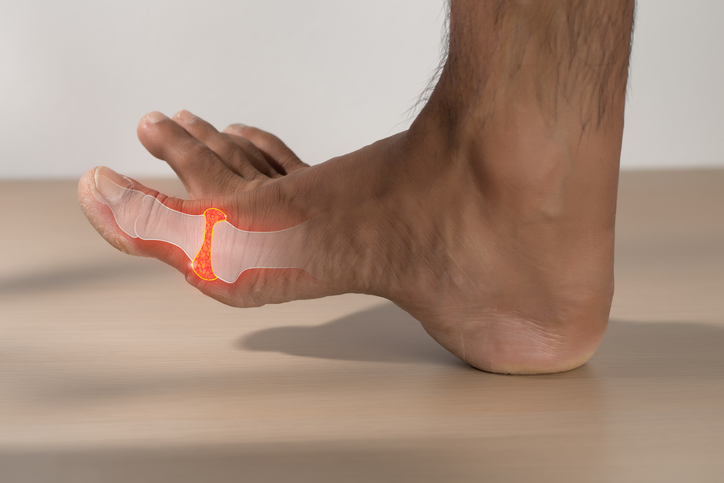
What is gout? | Patient Explainers Gout causes attacks of pain and swelling in one or more joints. Find out more: [https://patient.info/health/gout-leaflet](https://patient.info/health/gout-leaflet) Follow Patient: Website: [https://patient.info/](https://patient.info/) Facebook: [https://www.facebook.com/patient](https://www.facebook.com/patient).

Patient information leaflet
Planning to become pregnant
This leaflet offers advice for women who are planning to become pregnant. The aim is to plan ahead to reduce t... Duchenne muscular dystrophy Fragile X syndrome. Haemophilias A and B. Glucose-6-phosphate dehydrogenase deficiency. Other medical conditions Other conditions for which it is best to see a doctor before becoming pregnant include:.
Further reading and references
- glucose-6-phosphate dehydrogenase; MedlinePlus, National Library of Medicine.
- Biochemistry (fifth edition, 2002): Glucose 6-Phosphate Dehydrogenase Plays a Key Role in Protection Against Reactive Oxygen Species
- Cappellini MD, Fiorelli G. Glucose-6-phosphate dehydrogenase deficiency. Lancet. 2008 Jan 5;371(9606):64-74. doi: 10.1016/S0140-6736(08)60073-2.
- Efferth T, Schwarzl SM, Smith J, Osieka R. Role of glucose-6-phosphate dehydrogenase for oxidative stress and apoptosis. Cell Death Differ. 2006 Mar;13(3):527-8; author reply 529-30. doi: 10.1038/sj.cdd.4401807. No abstract available.
- Luzzatto L, Nannelli C, Notaro R. Glucose-6-Phosphate Dehydrogenase Deficiency. Hematol Oncol Clin North Am. 2016 Apr;30(2):373-93. doi: 10.1016/j.hoc.2015.11.006.
- Verrelli BC, McDonald JH, Argyropoulos G, Destro-Bisol G, Froment A, Drousiotou A, Lefranc G, Helal AN, Loiselet J, Tishkoff SA. Evidence for balancing selection from nucleotide sequence analyses of human G6PD. Am J Hum Genet. 2002 Nov;71(5):1112-28. doi: 10.1086/344345. Epub 2002 Oct 11.
Share your thoughts or experiences with others in our patient communities.
Simple access to trusted treatments and health services online.
Common conditions
Get help with common conditions through the NHS, without a GP appointment.





Sign up to the Patient newsletter
Your weekly dose of clear, trustworthy health advice - written to help you feel informed, confident and in control.
By subscribing you accept our Privacy Policy. You can unsubscribe at any time. We never sell your data.