growth hormone releasing hormone receptor
Last updated 18 Aug 2020
Meets Patient’s editorial guidelines
- DownloadDownload
- Share
- Language
- Discussion
- Ask Patient
- Audio Version
- Add to preferred sources on Google
The GHRHR gene provides instructions for making the growth hormone releasing hormone receptor. This receptor is active (expressed) on the growth-stimulating somatotropic cells in the pituitary gland. This gland is is located at the base of the brain and produces many hormones, including growth hormone. Growth hormone is necessary for the normal growth of the body's bones and tissues. The GHRHR receptor attaches (binds) to a molecule called growth hormone releasing hormone. This binding, along with the actions of other molecules, triggers the production of growth hormone and its release from the pituitary gland.
Video picks for GenesVideo library
Normal function
The GHRHR gene provides instructions for making the growth hormone releasing hormone receptor. This receptor is active (expressed) on the growth-stimulating somatotropic cells in the pituitary gland. This gland is is located at the base of the brain and produces many hormones, including growth hormone. Growth hormone is necessary for the normal growth of the body's bones and tissues. The GHRHR receptor attaches (binds) to a molecule called growth hormone releasing hormone. This binding, along with the actions of other molecules, triggers the production of growth hormone and its release from the pituitary gland.
Conditions referring to this gene or chromosome
Other names
GHRFR
GHRH receptor
GHRHR_HUMAN
GRF receptor
GRFR
growth hormone-releasing factor receptor
growth hormone-releasing hormone receptor
Patient picks for Genes

Hormones
Acromegaly
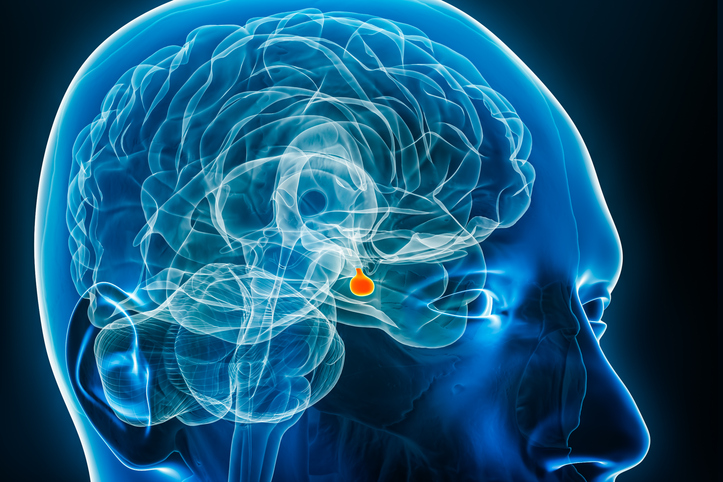
Acromegaly is a rare, progressive condition in which you make too much growth hormone. This causes a range of symptoms that develop gradually, often over several years. The most noticeable symptoms are that your hands and feet become larger and features of your face may become more prominent. The cause is usually a small non-cancerous growth (tumour) in the pituitary gland. Treatment options include surgery to remove the growth and medicines to block the release or effects of growth hormone.
by Dr Mohammad Sharif Razai, MRCGP
Hormones
Pituitary gland disorders
This leaflet gives a brief overview of the pituitary gland and the hormones it makes. The pituitary gland is found at the base of the brain and is 'pea-sized'. The pituitary gland is an overall controller of a number of other glands in the body, overseeing the function of these organs through hormones.
by Dr Hayley Willacy, FRCGP

Children's health
Restricted growth
Dwarfism is a medical or genetic condition which causes people to have restricted growth so that they are shorter than average. Specifically, people with dwarfism grow no higher than 4 ft 10 ins (147 cm). It can be due to literally hundreds of different causes, so the term actually includes many different medical conditions. The cause and type of dwarfism will therefore affect the outlook and problems that may be associated with it. The most common condition causing dwarfism is achondroplasia.
by Dr Hayley Willacy, FRCGP
Men's health
Is 'male menopause' real?
Menopause is a natural stage of life that women go through as they age. During this time, their reproductive hormone levels fluctuate and gradually decline, causing a range of physical and emotional symptoms. But can men experience something similar? Often referred to as ‘male menopause’, hormonal changes as men get older can also affect their health and wellbeing. We explore the symptoms, causes, and science behind 'male menopause' and why it deserves more attention.
by Victoria Raw

Hormones
Do you need a hormone imbalance test?
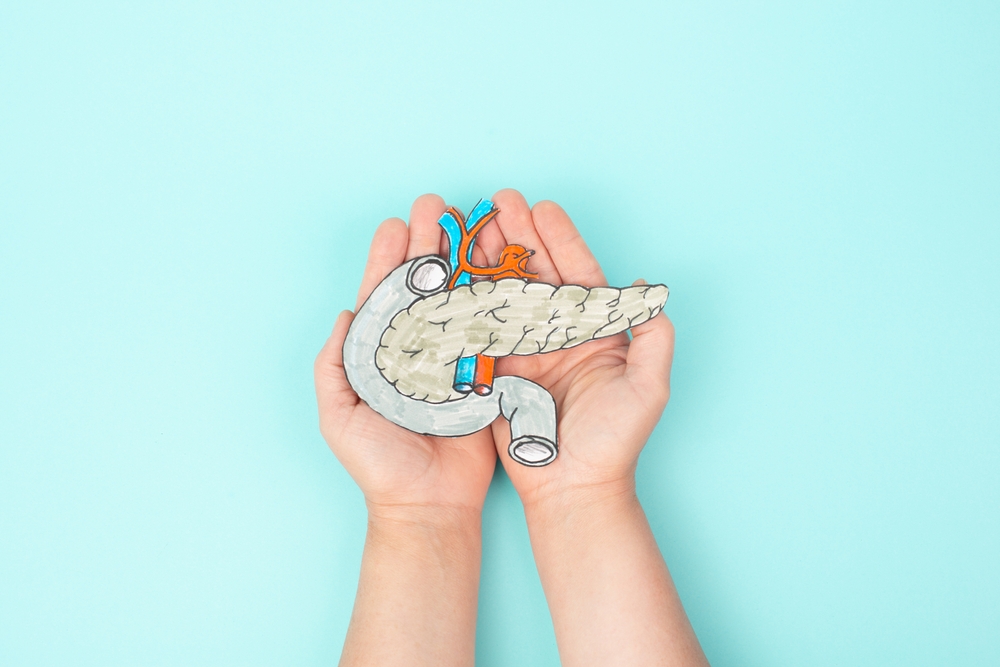
If your hormones are out of balance, your body may show certain symptoms or changes. The best way to check for a hormone imbalance is by talking to your doctor, who may recommend you for a test. In this article, we look at what a hormone imbalance test involves, the common symptoms, and explore potential health issues linked to hormonal imbalances.
by Victoria Raw
Hormones
Insulin resistance: the common thread linking metabolic conditions
You may have come across the term “insulin resistance” - particularly if you’ve been having conversations about weight and metabolic health - but be a little unclear about what it actually is. Whilst it’s easy to think insulin resistance just means reduced glucose control, it’s actually far more complex than that. Dr Nienke Lees, Women's Health Service Lead, Genwell UK, explains what it means and how it connects conditions including type 2 diabetes, fatty liver disease, cardiovascular disease, and PCOS.
by Dr Nienke Lees
Related patient information and medicines
Patient information leaflet
Acromegaly
Acromegaly is a rare, progressive condition in which you make too much growth hormone. This causes a range of sympto... See separate leaflet called Genetic Testing for more information Genetic testing. Rarely, acromegaly is caused by an overproduction of a hormone called growth hormone-releasing hormone (GHRH), which comes from the hypothalamus in.
Patient information leaflet
Pituitary gland disorders
This leaflet gives a brief overview of the pituitary gland and the hormones it makes. The pituitary gland is found at the base of the brain and is 'pea-sized'. Cushing's syndrome Prolactinoma. Prolactinoma Conditions where the pituitary gland fails to produce enough hormones include: Adult growth hormone deficiency. Diabetes insipidus Diabetes.

Patient information leaflet
Breast cancer
Dr Sarah Jarvis MBE If left untreated, cancers often go through three stages: local growth, spread to lymph channels and spread to other areas of the body. ...stages-of-cancer](https://patient.info/health/cancer/stages-of-cancer) Like any other cancer, breast cancerPresence of receptors Some breast cancer cells have receptors, which allow certain.

Patient information leaflet
Thyroid and parathyroid problems
This leaflet gives a brief overview of the thyroid and parathyroid glands and the common medical problems which can occur with these. What are the thyroid and parathyroid glands. Both the thyroid and parathyroid glands are endocrine glands. This means they make and release (secrete) hormones. Hormones are chemicals which are produced by the body.
Patient information leaflet
Restricted growth
Dwarfism is a medical or genetic condition which causes people to have restricted growth so that they are shorter than average. Disorders which affect hormones (particularly growth hormone), major organs (for example, kidney diseases), bones or the body's general functioning (metabolism) can slow growth. Most people will adapt thei... Treatment.
Patient information leaflet
Synacthen test
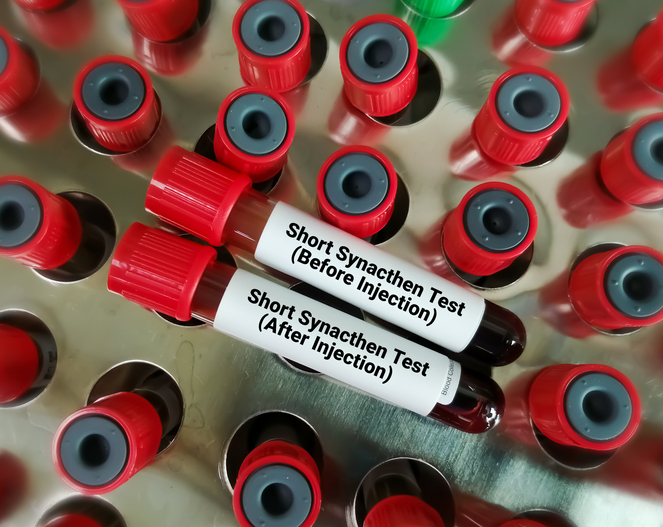
A synacthen test checks the function of the adrenal glands. It can help to see whether the adrenal glands are produc... Note : the information below is a general guide only. The arrangements, and the way tests are performed, often vary between different hospitals. Cortisol is a steroid hormone and is vital for health. Each adrenal chemical.
Further reading and references
- growth hormone releasing hormone receptor; MedlinePlus, National Library of Medicine.
- Alatzoglou KS, Dattani MT. Genetic causes and treatment of isolated growth hormone deficiency-an update. Nat Rev Endocrinol. 2010 Oct;6(10):562-76. doi: 10.1038/nrendo.2010.147.
- Alatzoglou KS, Turton JP, Kelberman D, Clayton PE, Mehta A, Buchanan C, Aylwin S, Crowne EC, Christesen HT, Hertel NT, Trainer PJ, Savage MO, Raza J, Banerjee K, Sinha SK, Ten S, Mushtaq T, Brauner R, Cheetham TD, Hindmarsh PC, Mullis PE, Dattani MT. Expanding the spectrum of mutations in GH1 and GHRHR: genetic screening in a large cohort of patients with congenital isolated growth hormone deficiency. J Clin Endocrinol Metab. 2009 Sep;94(9):3191-9. doi: 10.1210/jc.2008-2783. Epub 2009 Jun 30.
- Lin-Su K, Wajnrajch MP. Growth Hormone Releasing Hormone (GHRH) and the GHRH Receptor. Rev Endocr Metab Disord. 2002 Dec;3(4):313-23. doi: 10.1023/a:1020949507265. No abstract available.
- Mullis PE. Genetic control of growth. Eur J Endocrinol. 2005 Jan;152(1):11-31. doi: 10.1530/eje.1.01797.
- Mullis PE. Genetics of isolated growth hormone deficiency. J Clin Res Pediatr Endocrinol. 2010;2(2):52-62. doi: 10.4274/jcrpe.v2i2.52. Epub 2010 May 1.
Share your thoughts or experiences with others in our patient communities.
Simple access to trusted treatments and health services online.
Common conditions
Get help with common conditions through the NHS, without a GP appointment.





Sign up to the Patient newsletter
Your weekly dose of clear, trustworthy health advice - written to help you feel informed, confident and in control.
By subscribing you accept our Privacy Policy. You can unsubscribe at any time. We never sell your data.