glycoprotein Ib platelet subunit alpha
Last updated 11 Apr 2023
Meets Patient’s editorial guidelines
- DownloadDownload
- Share
- Language
- Discussion
- Ask Patient
- Audio Version
- Add to preferred sources on Google
The GP1BA gene provides instructions for making a protein called glycoprotein Ib-alpha (GPIbα). This protein is one piece (subunit) of a protein complex called GPIb-IX-V, which plays a role in blood clotting. GPIb-IX-V is found on the surface of small cells called platelets, which circulate in blood and are an essential component of blood clots. The complex can attach (bind) to a protein called von Willebrand factor, fitting together like a lock and its key. Von Willebrand factor is found on the inside surface of blood vessels, particularly when there is an injury. Binding of the GPIb-IX-V complex to von Willebrand factor allows platelets to stick to the blood vessel wall at the site of the injury. These platelets form clots, plugging holes in the blood vessels to help stop bleeding.
Video picks for GenesVideo library
Normal function
The GP1BA gene provides instructions for making a protein called glycoprotein Ib-alpha (GPIbα). This protein is one piece (subunit) of a protein complex called GPIb-IX-V, which plays a role in blood clotting. GPIb-IX-V is found on the surface of small cells called platelets, which circulate in blood and are an essential component of blood clots. The complex can attach (bind) to a protein called von Willebrand factor, fitting together like a lock and its key. Von Willebrand factor is found on the inside surface of blood vessels, particularly when there is an injury. Binding of the GPIb-IX-V complex to von Willebrand factor allows platelets to stick to the blood vessel wall at the site of the injury. These platelets form clots, plugging holes in the blood vessels to help stop bleeding.
To form the GPIb-IX-V complex, GPIbα interacts with other protein subunits called GPIb-beta, GPIX, and GPV, each of which is produced from a different gene. GPIbα is essential for assembly of the complex at the platelet surface. It is the piece of the complex that interacts with von Willebrand factor to trigger blood clotting. GPIbα also interacts with other blood clotting proteins to aid in other steps of the clotting process.
Conditions referring to this gene or chromosome
Other names
antigen CD42b-alpha
BDPLT1
BDPLT3
BSS
CD42B
CD42b-alpha
DBPLT3
glycoprotein Ib (platelet), alpha polypeptide
glycoprotein Ib platelet alpha subunit
GP-Ib alpha
GP1B
GPIbA
GPIbalpha
platelet glycoprotein Ib alpha chain precursor
platelet membrane glycoprotein 1b-alpha subunit
VWDP
Patient picks for Genes

Drug interactions checker
Can I take Citalopram and Ibuprofen together?
Taking citalopram and ibuprofen together can increase your risk of internal bleeding, particularly in the stomach or gut. You may notice signs like dark, tarry stools, or stomach pain. While many people take these together without issues, the combination makes your blood less likely to clot and can irritate the stomach lining.
Drug interactions checker
Can I take Warfarin and Ibuprofen together?
Taking ibuprofen while on warfarin significantly increases your risk of serious bleeding, particularly in the stomach or gut. This combination can cause internal bleeding that may be difficult to stop.

Health and wellness video library
IBS videos
Struggling with bloating, stomach pain or unpredictable bowels? Our IBS video hub is here to help you make sense of it all. From understanding what IBS actually is, to spotting the symptoms and exploring effective treatment options, these expert-led videos are packed with reliable information and practical advice to help you feel less alone.
by Lawrence Higgins

Drug interactions checker
Can I take Apixaban and Ibuprofen together?
Taking apixaban and ibuprofen together significantly increases your risk of serious bleeding. This includes internal bleeding, such as in the stomach or brain, which can be life-threatening. You may notice that you bruise more easily, or that small cuts take much longer to stop bleeding.
Children's health
Alpha-1 antitrypsin deficiency
Alpha-1 antitrypsin deficiency is an inherited genetic condition. A genetic condition is one that can be passed on from parents through genes. In alpha-1 antitrypsin deficiency the result of a genetic abnormality leads to lung and, in some people, liver damage. Lung symptoms are the most common and include shortness of breath, cough and wheezing. Symptoms can worsen over time. At present, there is no cure for alpha-1 antitrypsin deficiency. Treatment aims at slowing down the progression of the disease.
by Dr Philippa Vincent, MRCGP

Drug interactions checker
Can I take Ibuprofen and Quinine together?
Taking ibuprofen and quinine together may increase the risk of side effects, particularly those affecting the stomach and the heart. Both medications can be tough on the digestive system, potentially leading to stomach pain or irritation. Additionally, there is a small risk that combining these drugs could affect your heart rhythm or increase the chance of bruising and bleeding.
Related patient information and medicines
Patient information leaflet
Immune thrombocytopenic purpura
Immune thrombocytopenic purpura (ITP) is an autoimmune disorder. They may be used if you are having severe bleeding, and if other tr... Fostamatinib for immune thrombocytopenia Fostamatinib is usually used at the same stage of treatment as rituximab - for adults with long-term symptoms which have not responded to other treatments. The National.

Patient information leaflet
Can I take Certican (Everolimus) and Matcha together?
Drinking matcha tea while taking Certican (everolimus) may ... This could lead to an increased risk of side effects, such as mouth ulcers, infections, or kidney problems. Why this happens Certican is broken down in the body by a specific enzyme (CYP3A4) and a transport protein (P-glycoprotein). Matcha, which is a concentrated form of green tea,.
Patient information leaflet
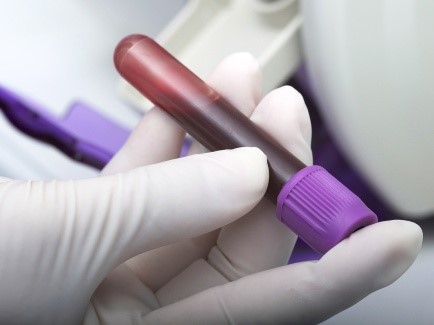
Blood clotting tests
Blood clotting tests are used to diagnose and assess bleeding problems and to monitor people who take warfarin or other anticoagulant medicines. You may be advised to have blood clotting tests: If you have a suspected bleeding disorder. For example, if you bleed a lot after cuts, or if you bruise easily. If you have certain liver diseases that can.

Patient information leaflet
Full blood count and blood film
Different conditions can cause an abnormality in a blood count. Therefore, if an abnormality is found, you often need further tests to find the cause. These tests include a full blood count test and a blood film test. In the United States, a full blood count is called a 'complete blood count' (CBC for short) and so you might see reference to this.

Patient information leaflet
Purpura
Because there are so many causes for purpura, diagnosing the reason why you have developed a purpuric rash takes a bit of detective work. What is purpura. Purpura just means purple. The term purpura is usually used to refer to a skin rash in which small spots of blood appear on the skin. A purpuric rash is not a disease but it is caused by.
Patient information leaflet
Aspirin and other antiplatelet medicines
Most people who have a cardiovascular disease (for example, angina, peripheral arterial disease, or a previous heart attack, transient ischaemic attack (TIA) or stroke) take a low-dose aspirin (75 mg) each day or clopidogrel (75 mg) each day. This reduces the risk of heart attack by about a third. It reduces the risk of having a stroke by about a.
Further reading and references
- glycoprotein Ib platelet subunit alpha; MedlinePlus, National Library of Medicine.
- Cauwenberghs N, Vanhoorelbeke K, Vauterin S, Deckmyn H. Structural determinants within platelet glycoprotein Ibalpha involved in its binding to von Willebrand factor. Platelets. 2000 Nov;11(7):373-8. doi: 10.1080/09537100020019157.
- Li R, Emsley J. The organizing principle of the platelet glycoprotein Ib-IX-V complex. J Thromb Haemost. 2013 Apr;11(4):605-14. doi: 10.1111/jth.12144.
- Othman M, Kaur H, Emsley J. Platelet-type von Willebrand disease: new insights into the molecular pathophysiology of a unique platelet defect. Semin Thromb Hemost. 2013 Sep;39(6):663-73. doi: 10.1055/s-0033-1353442. Epub 2013 Aug 11.
- Savoia A, Kunishima S, De Rocco D, Zieger B, Rand ML, Pujol-Moix N, Caliskan U, Tokgoz H, Pecci A, Noris P, Srivastava A, Ward C, Morel-Kopp MC, Alessi MC, Bellucci S, Beurrier P, de Maistre E, Favier R, Hezard N, Hurtaud-Roux MF, Latger-Cannard V, Lavenu-Bombled C, Proulle V, Meunier S, Negrier C, Nurden A, Randrianaivo H, Fabris F, Platokouki H, Rosenberg N, HadjKacem B, Heller PG, Karimi M, Balduini CL, Pastore A, Lanza F. Spectrum of the mutations in Bernard-Soulier syndrome. Hum Mutat. 2014 Sep;35(9):1033-45. doi: 10.1002/humu.22607. Epub 2014 Jul 15.
- Schade AJ, Arya M, Gao S, Diz-Kucukkaya R, Anvari B, McIntire LV, Lopez JA, Dong JF. Cytoplasmic truncation of glycoprotein Ib alpha weakens its interaction with von Willebrand factor and impairs cell adhesion. Biochemistry. 2003 Feb 25;42(7):2245-51. doi: 10.1021/bi026549n.
Share your thoughts or experiences with others in our patient communities.
Simple access to trusted treatments and health services online.
Common conditions
Get help with common conditions through the NHS, without a GP appointment.





Sign up to the Patient newsletter
Your weekly dose of clear, trustworthy health advice - written to help you feel informed, confident and in control.
By subscribing you accept our Privacy Policy. You can unsubscribe at any time. We never sell your data.