OCA2 melanosomal transmembrane protein
Last updated 18 Apr 2023
Meets Patient’s editorial guidelines
- DownloadDownload
- Share
- Language
- Discussion
- Ask Patient
- Audio Version
- Add to preferred sources on Google
The OCA2 gene (formerly called the P gene) provides instructions for making a protein called the P protein. This protein is located in melanocytes, which are specialized cells that produce a pigment called melanin. Melanin is the substance that gives skin, hair, and eyes their colour. Melanin is also found in the light-sensitive tissue at the back of the eye (the retina), where it plays a role in normal vision.
Video picks for GenesVideo library
Normal function
The OCA2 gene (formerly called the P gene) provides instructions for making a protein called the P protein. This protein is located in melanocytes, which are specialized cells that produce a pigment called melanin. Melanin is the substance that gives skin, hair, and eyes their colour. Melanin is also found in the light-sensitive tissue at the back of the eye (the retina), where it plays a role in normal vision.
Although the exact function of the P protein is unknown, it is essential for normal pigmentation and is likely involved in the production of melanin. Within melanocytes, the P protein may transport molecules into and out of structures called melanosomes (where melanin is produced). Researchers believe that this protein may also help regulate the relative acidity (pH) of melanosomes. Tight control of pH is necessary for most biological processes.
Conditions referring to this gene or chromosome
Other names
BOCA
Melanocyte-specific transporter protein
oculocutaneous albinism II
oculocutaneous albinism II (pink-eye dilution homolog, mouse)
P gene
P_HUMAN
PED
Pink-eyed dilution protein homolog
Patient picks for Genes
Healthy living
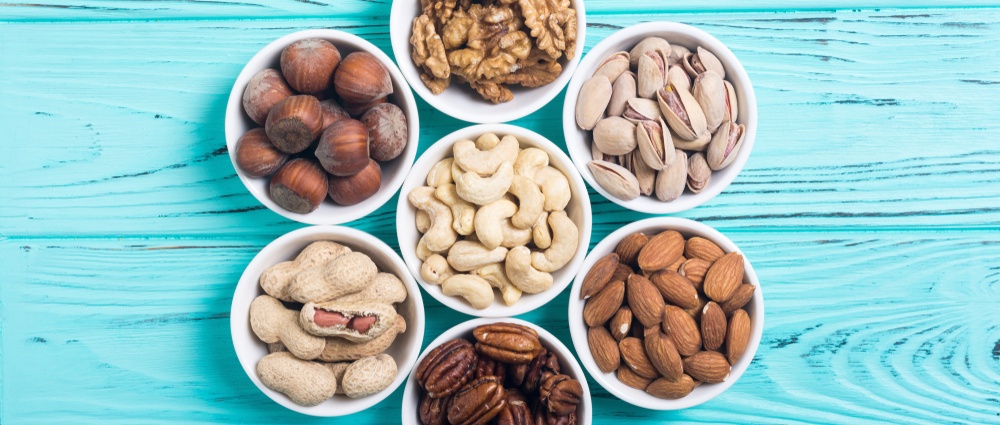
8 high-protein nuts to boost your strength
Packed with protein, delicious, easy to eat, and versatile - nuts are a great source of fuel for people building their fitness and strength. But not all nuts are created equal, which is why we count down the top eight nuts you should eat while strength training and serve these up with tasty recipe ideas.
by Lynn Stephen

Diet and nutrition
How a protein-packed breakfast can boost your health
When we think of breakfast, we often picture a bowl of cornflakes with milk. While it’s a classic morning staple, it might not be the most effective way to start your day, as it lacks protein. Adding more protein to your breakfast can boost your energy levels and help keep you feeling full for longer.
by Victoria Raw

Diet and nutrition
10 sources of plant-based protein for bone health
Plant-based diets are growing in popularity. People choose this way of eating for various reasons - to boost their health, help animals, and protect the environment. But switching to a plant-based diet may mean you're missing out on vital, bone-friendly nutrients. One of these is protein.
by Victoria Raw

Kidney and urinary tract
Proteinuria
Proteins are molecules that are found in almost every part of the body, including in the blood. The kidneys normally have a filter which stops protein from entering the urine, except in very tiny amounts; however, kidney problems can cause higher levels of protein to be found in the urine.
by Dr Doug McKechnie, MRCGP
Diet and nutrition
Plant-based proteins could help prevent high blood pressure
Eating a greater amount of minimally processed plant-based proteins - such as beans, nuts and lentils - may lower your chance of developing high blood pressure, according to new research.
by Laura Williamson

Treatment and medication
Are protein shakes good for weight loss?
Protein shakes have experienced a surge in popularity recently, with many people now drinking them daily to aid their journeys to improved fitness and better health. But what benefits do they offer, and can you drink protein shakes for weight loss?
by Emily Jane Bashforth
Related patient information and medicines

Patient information leaflet
Albinism
Albinism is a rare inherited (genetic) condition which reduces the amount of of melanin pigment in the skin, hair and/or eyes. Oculocutaneous albinism (OCA) Seven forms of OCA are now recognised - OCA1, OCA2, OCA3, OCA4, OCA5, OCA6 and OCA7. OCA2 OCA2, results from a genetic defect in a different protein that helps the tyrosinase enzyme to.

Patient information leaflet
Cataracts
Cataracts is when the lens of an eye becomes cloudy and affects vision. It commonly occurs in older people and develops gradually. View of eye from the side 113.gif The lens of the eye sits just behind the pupil, which is the opening in the coloured part of the eye (iris). Its job ... The lens is made of water and protein, and is normally clear.

Patient information leaflet
Glycogen storage disorders
Glycogen storage disorders are a group of inherited diseases. They result from a problem with one of the proteins (known as enzymes) involved in the conversion of glucose to glycogen, or the breakdown of glycogen back into glucose. They mostly tend to affect your liver and muscles. Most are diagnosed in childhood. Symptoms include weakness,.

Patient information leaflet
Genetic testing
Genetic testing is a type of medical test that identifies changes in chromosomes, genes or proteins. Genetic tests examine a person's DNA in a variety of ways to assess a person's genetic health. They are all designed to identify a particular gene that may cause a genetic disorder. We all have 46 chromosomes in our cells. Chromosomes are made from.

Patient information leaflet
Can I take Lactulose and Ropinirole together?
Simply search for your medicines to see potential interactions and what to do about them. Disclaimer This information is for general educational purposes only and should not be relied upon as a substitute for professional medical advice. Always consult your GP, pharmacist, or another qualified healthcare professional before making decisions about.

Patient information leaflet
Muscular dystrophy
The cause is an abnormal or 'faulty' gene. Genes are made from a biological material called DNA. Genes are the 'control centre' of each cell in the body, including muscle cells. The genes control the chemicals (proteins) that the cell makes. Some genes control the proteins needed for muscle fibres to work properly. Genetic mutations can affect.
Further reading and references
- OCA2 melanosomal transmembrane protein; MedlinePlus, National Library of Medicine.
- Bittel DC, Kibiryeva N, Talebizadeh Z, Butler MG. Microarray analysis of gene/transcript expression in Prader-Willi syndrome: deletion versus UPD. J Med Genet. 2003 Aug;40(8):568-74. doi: 10.1136/jmg.40.8.568.
- Bittel DC, Kibiryeva N, Talebizadeh Z, Driscoll DJ, Butler MG. Microarray analysis of gene/transcript expression in Angelman syndrome: deletion versus UPD. Genomics. 2005 Jan;85(1):85-91. doi: 10.1016/j.ygeno.2004.10.010.
- Brilliant MH. The mouse p (pink-eyed dilution) and human P genes, oculocutaneous albinism type 2 (OCA2), and melanosomal pH. Pigment Cell Res. 2001 Apr;14(2):86-93. doi: 10.1034/j.1600-0749.2001.140203.x.
- Duffy DL, Montgomery GW, Chen W, Zhao ZZ, Le L, James MR, Hayward NK, Martin NG, Sturm RA. A three-single-nucleotide polymorphism haplotype in intron 1 of OCA2 explains most human eye-color variation. Am J Hum Genet. 2007 Feb;80(2):241-52. doi: 10.1086/510885. Epub 2006 Dec 20.
- Fridman C, Hosomi N, Varela MC, Souza AH, Fukai K, Koiffmann CP. Angelman syndrome associated with oculocutaneous albinism due to an intragenic deletion of the P gene. Am J Med Genet A. 2003 Jun 1;119A(2):180-3. doi: 10.1002/ajmg.a.20105.
- Kerr R, Stevens G, Manga P, Salm S, John P, Haw T, Ramsay M. Identification of P gene mutations in individuals with oculocutaneous albinism in sub-Saharan Africa. Hum Mutat. 2000;15(2):166-72. doi: 10.1002/(SICI)1098-1004(200002)15:23.0.CO;2-Z.
- Lewis RA. Oculocutaneous Albinism Type 2 - RETIRED CHAPTER, FOR HISTORICAL REFERENCE ONLY. 2003 Jul 17 [updated 2012 Aug 16]. In: Adam MP, Bick S, Mirzaa GM, Wallace SE, Amemiya A, editors. GeneReviews(R) [Internet]. Seattle (WA): University of Washington, Seattle; 1993-2026. Available from http://www.ncbi.nlm.nih.gov/books/NBK1232/
- Oetting WS, Garrett SS, Brott M, King RA. P gene mutations associated with oculocutaneous albinism type II (OCA2). Hum Mutat. 2005 Mar;25(3):323. doi: 10.1002/humu.9318.
- Saitoh S, Oiso N, Wada T, Narazaki O, Fukai K. Oculocutaneous albinism type 2 with a P gene missense mutation in a patient with Angelman syndrome. J Med Genet. 2000 May;37(5):392-4. doi: 10.1136/jmg.37.5.392. No abstract available.
- Spritz RA, Bailin T, Nicholls RD, Lee ST, Park SK, Mascari MJ, Butler MG. Hypopigmentation in the Prader-Willi syndrome correlates with P gene deletion but not with haplotype of the hemizygous P allele. Am J Med Genet. 1997 Jul 11;71(1):57-62. doi: 10.1002/(sici)1096-8628(19970711)71:13.0.co;2-u.
- Suzuki T, Miyamura Y, Matsunaga J, Shimizu H, Kawachi Y, Ohyama N, Ishikawa O, Ishikawa T, Terao H, Tomita Y. Six novel P gene mutations and oculocutaneous albinism type 2 frequency in Japanese albino patients. J Invest Dermatol. 2003 May;120(5):781-3. doi: 10.1046/j.1523-1747.2003.12127.x.
- Toyofuku K, Valencia JC, Kushimoto T, Costin GE, Virador VM, Vieira WD, Ferrans VJ, Hearing VJ. The etiology of oculocutaneous albinism (OCA) type II: the pink protein modulates the processing and transport of tyrosinase. Pigment Cell Res. 2002 Jun;15(3):217-24. doi: 10.1034/j.1600-0749.2002.02007.x.
Share your thoughts or experiences with others in our patient communities.
Simple access to trusted treatments and health services online.
Common conditions
Get help with common conditions through the NHS, without a GP appointment.





Sign up to the Patient newsletter
Your weekly dose of clear, trustworthy health advice - written to help you feel informed, confident and in control.
By subscribing you accept our Privacy Policy. You can unsubscribe at any time. We never sell your data.