opsin 1, long wave sensitive
Last updated 18 Aug 2020
Meets Patient’s editorial guidelines
- DownloadDownload
- Share
- Language
- Discussion
- Ask Patient
- Audio Version
- Add to preferred sources on Google
The OPN1LW gene provides instructions for making a protein that is essential for normal colour vision. This protein is found in the retina, which is the light-sensitive tissue at the back of the eye. The retina contains two types of light receptor cells, called rods and cones, that transmit visual signals from the eye to the brain. Rods provide vision in low light. Cones provide vision in bright light, including colour vision. There are three types of cones, each containing a specific pigment (a photopigment called an opsin) that is most sensitive to particular wavelengths of light.
Video picks for GenesVideo library
Normal function
The OPN1LW gene provides instructions for making a protein that is essential for normal colour vision. This protein is found in the retina, which is the light-sensitive tissue at the back of the eye. The retina contains two types of light receptor cells, called rods and cones, that transmit visual signals from the eye to the brain. Rods provide vision in low light. Cones provide vision in bright light, including colour vision. There are three types of cones, each containing a specific pigment (a photopigment called an opsin) that is most sensitive to particular wavelengths of light.
The OPN1LW gene provides instructions for making an opsin pigment that is more sensitive to light in the yellow/orange part of the visible spectrum (long-wavelength light). Cones with this pigment are called long-wavelength-sensitive or L cones. In response to light, the photopigment triggers a series of chemical reactions within an L cone. These reactions ultimately alter the cell's electrical charge, generating a signal that is transmitted to the brain. The brain combines input from all three types of cones to produce normal colour vision.
The OPN1LW gene is located next to another opsin pigment gene, OPN1MW, on the X chromosome. The OPN1MW gene provides instructions for making a photopigment that is more sensitive to light at middle wavelengths (yellow/green light). Most people have one copy of the OPN1LW gene and one or more copies of the OPN1MW gene on each X chromosome. A nearby region of DNA, known as the locus control region (LCR), regulates the activity of these genes. Only the two opsin pigment genes nearest the LCR, generally the OPN1LW gene and the first copy of the OPN1MW gene, are active in the retina and contribute to colour vision.
Conditions referring to this gene or chromosome
Other names
L-pigment
long-wave-sensitive pigment
opsin 1 (cone pigments), long-wave-sensitive
OPSR_HUMAN
RCP
red cone photoreceptor pigment
red cone pigment
red-sensitive opsin
Patient picks for Genes
Ear, nose and throat
How long should you use a decongestant nasal spray? The new five-day warning explained
Winter brings many reasons to reach for a nasal spray, from seasonal viruses and allergies to dry nasal passages. However, health professionals are urging people not to overuse them, as they can cause unwanted side effects. We explain how long you should use nasal sprays for, the potential downsides of overuse, and why it’s important to take care while using them.
by Victoria Raw

Eye health
Hypermetropia
The medical name for long-sightedness is hypermetropia, sometimes called hyperopia. Eyesight problems, such as hypermetropia, are also known as refractive errors. Long-sightedness leads to problems with near vision (seeing things that are close up) and the eyes may commonly become tired. Distance vision (long sight) is, in the beginning, good. Long sight can be corrected by glasses, contact lenses, or laser eye surgery.
by Dr Colin Tidy, MRCGP

Sexual health
First long-acting injectable HIV treatment approved
For people living with HIV, the only treatment options to date have been in oral tablet form. Although effective, this method is reliant on a person taking the tablets daily and exactly as prescribed, which can lead to user error and contribute towards psychological problems around stigma. An alternative method - the first long-acting (long-lasting) injection - has just been approved for England and Wales.
by Amberley Davis

Oral and dental care
How to cope with sensitive teeth
If you have sensitive teeth you'll be all too familiar with the sharp pain set off by hot or cold foods and other common triggers. For most, the pain is temporary and is typically the result of worn tooth enamel. But for some there may be other causes and the pain may become chronic. We ask the experts how to manage sensitive teeth and the associated pain.
by Sally Turner

Healthy living
Nurturing intimacy: 6 tips for long-term relationships
It's common for intimacy in long-term relationships to be challenged by life changes, daily stresses, and even getting too comfortable. However, there are plenty of ways to reignite the spark, strengthen your connection, and keep the flame of love burning brightly.
by Victoria Raw

Travel and vaccinations
How long before you travel should you get vaccinated?
Being vaccinated against illness before travelling abroad may be inconvenient and mildly unpleasant, but don't be tempted to skip those injections - or to leave them until the last minute. We ask a GP and a specialist travel health nurse for their advice.
by Julian Turner
Related patient information and medicines

Patient information leaflet
Toothache
It is caused by inflammation of the dental pulp - the nerves and blood vessels inside our teeth. Dr Sarah Jarvis MBE Toothache is caused by inflammation of the dental pulp - the nerves and blood vessels inside our teeth. If you have gum disease,... Sinusitis With sinusitis Acute sinusitis , the roots of upper teeth can be closely related to the.

Patient information leaflet
Kidney stones
Kidney stones are hard stones that can cause severe pain in your side along with blood in your urine, and nausea and vomiting. You are more likely to develop kidney stones if you eat a Western diet, don't drink enough fluids or are overweight. Once you have had one episode they are likely to recur but there are several kidney stone treatment.
Patient information leaflet
Medication-overuse headache
The only effective treatment is to stop the medication that is causing it... This often causes headaches or migraines to get worse for a short time, before improving afterwards. Medication-overuse headache (medication-induced headache) is the third most common cause of headache after migraine and tension headache. Medication-overuse headache.

Patient information leaflet
Salivary gland stones
Salivary gland stones sometimes form in one of the salivary glands. These stones are small and form from chemicals in the saliva. A stone can cause a blockage of the flow of spit (saliva), which can lead to pain and swelling of the affected salivary gland. The reason why these stones form is not known. Sometimes a stone comes out into the mouth on.
Patient information leaflet
Insulin
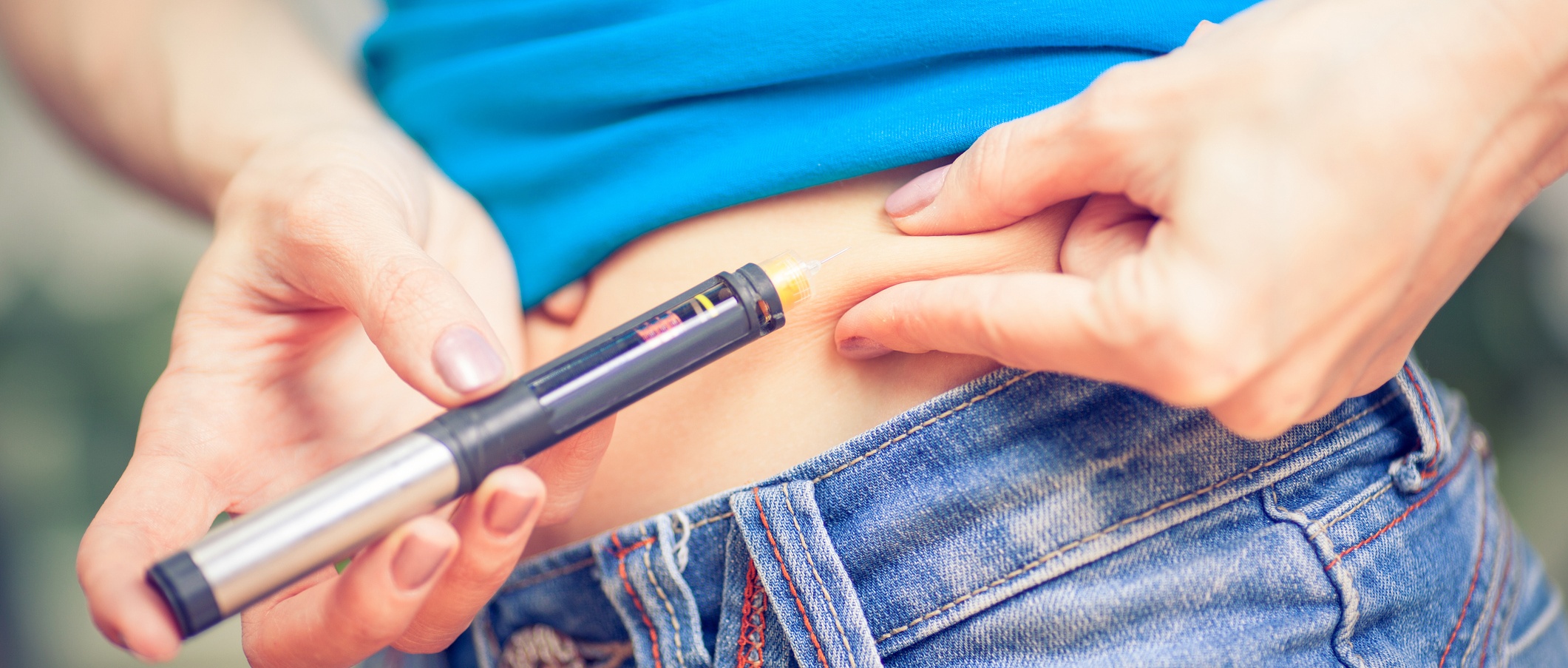
This hormone controls the level of sugar (glucose) in the blood. People who have type 1 diabetes need to have regular insulin injections. Insulin is usually injected under the skin between 2-4 times a day. For more information on insulin, go to.

Patient information leaflet
Peyronie's disease
Peyronie's disease causes a curved or bent penis. It is caused by scar tissue forming along the shaft of the penis. This causes painful erections and a bend or curve, usually about halfway along the penis. The change in shape is usually only obvious when the penis is erect. Peyronie's disease symptoms Initial symptoms of Peyronie's disease.
Further reading and references
- opsin 1, long wave sensitive; MedlinePlus, National Library of Medicine.
- Deeb SS. Molecular genetics of color-vision deficiencies. Vis Neurosci. 2004 May-Jun;21(3):191-6. doi: 10.1017/s0952523804213244.
- Deeb SS. The molecular basis of variation in human color vision. Clin Genet. 2005 May;67(5):369-77. doi: 10.1111/j.1399-0004.2004.00343.x.
- Gardner JC, Liew G, Quan YH, Ermetal B, Ueyama H, Davidson AE, Schwarz N, Kanuga N, Chana R, Maher ER, Webster AR, Holder GE, Robson AG, Cheetham ME, Liebelt J, Ruddle JB, Moore AT, Michaelides M, Hardcastle AJ. Three different cone opsin gene array mutational mechanisms with genotype-phenotype correlation and functional investigation of cone opsin variants. Hum Mutat. 2014 Nov;35(11):1354-62. doi: 10.1002/humu.22679.
- Michaelides M, Hunt DM, Moore AT. The cone dysfunction syndromes. Br J Ophthalmol. 2004 Feb;88(2):291-7. doi: 10.1136/bjo.2003.027102.
- Neitz J, Neitz M. The genetics of normal and defective color vision. Vision Res. 2011 Apr 13;51(7):633-51. doi: 10.1016/j.visres.2010.12.002. Epub 2010 Dec 15.
- Tang M, Park PS. Cone Opsins and Inherited Retinal Disease. Cells. 2026 Jun 17;15(12):1098. doi: 10.3390/cells15121098.
Share your thoughts or experiences with others in our patient communities.
Simple access to trusted treatments and health services online.
Common conditions
Get help with common conditions through the NHS, without a GP appointment.





Sign up to the Patient newsletter
Your weekly dose of clear, trustworthy health advice - written to help you feel informed, confident and in control.
By subscribing you accept our Privacy Policy. You can unsubscribe at any time. We never sell your data.