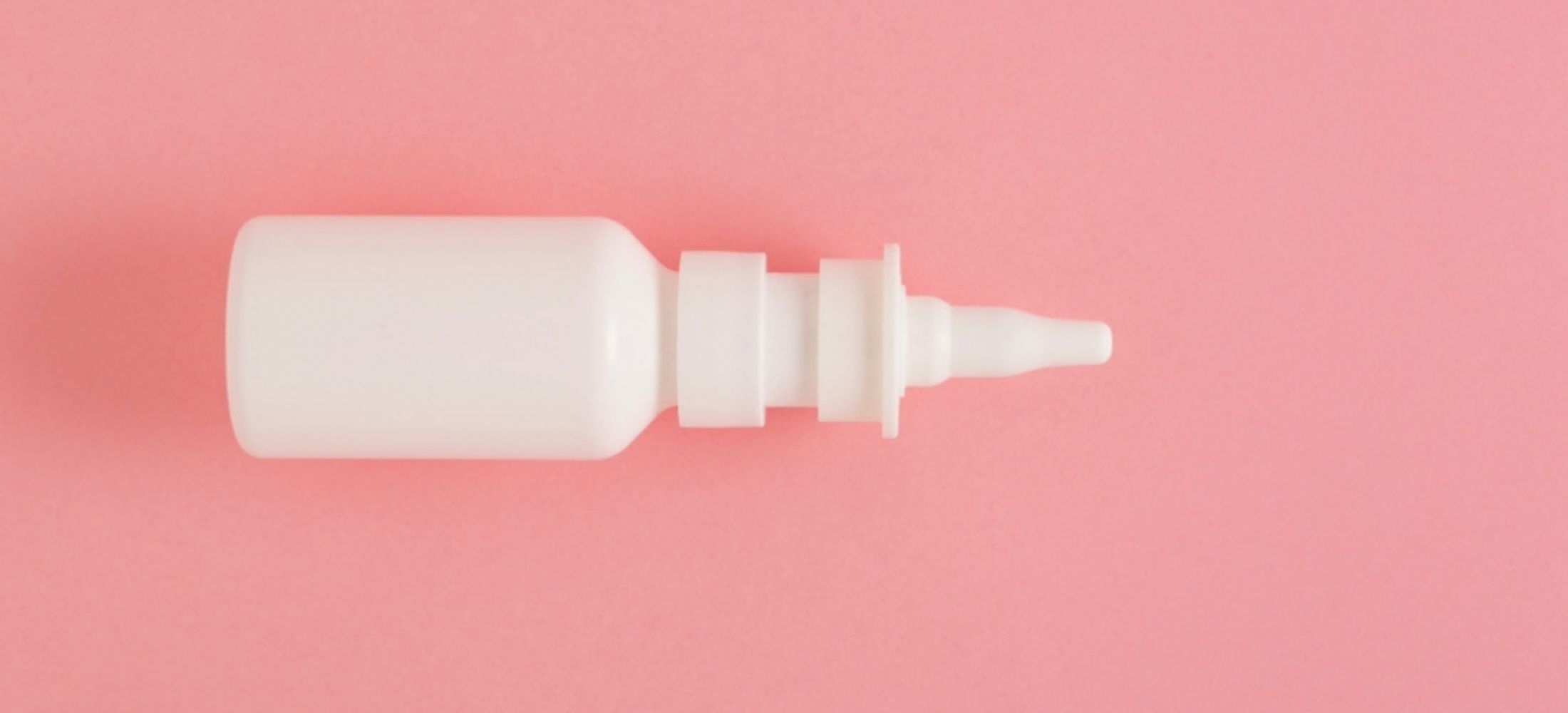
How long should you use a decongestant nasal spray? The new five-day warning explained
Peer reviewed by Dr Colin Tidy, MRCGPAuthored by Victoria RawOriginally published 12 Oct 2026
Meets Patient’s editorial guidelines
- DownloadDownload
- Share
- Language
- Discussion
- Audio Version
- Add to preferred sources on Google
Winter brings many reasons to reach for a nasal spray, from seasonal viruses and allergies to dry nasal passages. However, health professionals are urging people not to overuse them, as they can cause unwanted side effects.
We explain how long you should use nasal sprays for, the potential downsides of overuse, and why it’s important to take care while using them.
What causes nasal congestion?
Nasal congestion occurs when your nasal passages become blocked or ‘bunged up’ due to swollen blood vessels and inflamed tissues inside your nose. It’s often accompanied by excess mucus during a cold or flu.
Triggers include viral infections, environmental dryness, structural obstructions - for example, nasal polyps - and allergic reactions such as hay fever or allergic rhinitis.
There are various over-the-counter treatments available to help manage nasal congestion, depending on the underlying cause. If your condition does not require treatment from a health professional, it will usually clear up on its own. In these cases, treatment focuses on managing your symptoms until the condition passes.
One of the most widely used options for relieving nasal congestion is decongestant drops and sprays.
In the UK, pharmacy-bought nasal decongestants include xylometazoline, oxymetazoline, and ephedrine. These treatments work by narrowing swollen blood vessels in your nasal passages, helping to quickly reduce congestion and make it easier to breathe.
MHRA introduces a five-day limit for some nasal sprays
Previously, it was recommended that these nasal decongestants be taken for no more than seven days. However, the Medicines and Healthcare products Regulatory Agency (MHRA) has since issued updated safety advice regarding their use.
The MHRA now advises that nasal sprays and drops containing xylometazoline or oxymetazoline should not be used for more than five consecutive days. This is because prolonged use can lead to rebound congestion and cause symptoms to worsen.
What happens if you overuse nasal decongestant sprays?
We are now entering the first cold and flu season under the new MHRA guidelines, so it’s important to be mindful of how often you use these medicines.
Mr Samit Unadkat, a London-based ENT surgeon, warns that overusing nasal sprays can leave you feeling more congested rather than less. In rare cases, prolonged overuse can also cause lasting damage to the lining of your nose.
He explains that because these sprays are so effective and fast-acting, often providing relief within minutes, it is easy to become reliant on them. However, with repeated use, your nasal tissues can become less responsive to the treatment.
As the effects of each dose wear off, the lining of your nose can swell even more than before, creating a vicious cycle of increasing congestion, more frequent spray use, and, ultimately, even more blockage.
"This is called rhinitis medicamentosa - commonly known as rebound congestion," says Unadkat. "It is not an addiction in the same way as nicotine or opioids, but people can develop a powerful physical and psychological reliance on the bottle."

The potential side effects of overusing nasal sprays
When used sensibly and only for a few days, decongestant sprays are generally safe and effective. However, Unadkat warns that using them well beyond the recommended five-day limit can increase your chance of side effects and complications.
A more detailed list of these can include:
Rebound congestion - your nose becomes more blocked as each dose wears off, encouraging repeated use and creating a self-reinforcing cycle.
Reliance on the spray - some people may find themselves keeping a bottle by the bed, in the car, or in every coat pocket so it is always within reach.
A dry, raw, and fragile nasal lining - this can cause burning, crusting, and recurrent nosebleeds.
A reduced or temporarily lost sense of smell - prolonged use can affect your ability to smell normally.
Septal perforation in rare cases - prolonged misuse can potentially cause a permanent hole in your septum, the wall that separates the two sides of your nose.
Unadkat concludes that most cases settle once you stop using the spray. At this point, the underlying cause of the congestion - such as an allergy, lingering infection, or structural issue such as a deviated septum - can be properly assessed and treated.
He adds that saline rinses and, where appropriate, a steroid nasal spray may be a better long-term option than repeatedly reaching for a decongestant.
"Used correctly, decongestants are safe and effective," he says. "The rule is simple - five days, then stop. If your nose is still blocked, the spray may no longer be treating the issue. It may have become part of it."
Patient picks for Nose

Healthy living
Stay fit indoors: winter workout ideas you can do at home
With winter on the way, it can be tough to stay active outdoors. If you want to avoid gym costs and exercising in wet, chilly weather, we asked a fitness expert for some simple home workouts for the colder months.
by Victoria Raw

Diet and nutrition
Which foods help to fight infection?
As temperatures fall in the UK, it's the time of year when infections such as the common cold and flu spread more easily. But what you eat can provide a level of protection for you and your loved ones. When your body is fighting an infection, it needs all the help it can get. Of course, rest and hydration both play vital roles in recovery and good health. But food provides the nutrients and energy to help overcome illness and get you back on your feet. So, which food groups are best when you're trying to shake off an infection?
by Lynn Stephen
About the authorView full bio
Authored by

Victoria Raw
Feature Writer
BA (Hons), English Literature
Victoria is a content writer at Patient, with special interests spanning mental wellbeing, societal trends and the impact of technology on our health.
About the reviewerView full bio

Dr Colin Tidy, MRCGP
General Practitioner, Medical Author
MBBS, MRCGP, MRCP (Paediatrics), DCH
Dr Colin Tidy is an NHS Doctor, based in Oxfordshire.
Article history
Article also available in English, German, Spanish, French, Italian, Portuguese, Hindi, Hebrew, Arabic, and Swedish.
Next review due: 12 Oct 2029
12 Oct 2026 | Originally published
Authored by:
Victoria RawPeer reviewed by
Dr Colin Tidy, MRCGP
Join the conversation
Share your thoughts or experiences with others in our patient communities.

Ask, share, connect.
Browse discussions, ask questions, and share experiences across hundreds of health topics.

Feeling unwell?
Assess your symptoms online for free
Sign up to the Patient newsletter
Your weekly dose of clear, trustworthy health advice - written to help you feel informed, confident and in control.
By subscribing you accept our Privacy Policy. You can unsubscribe at any time. We never sell your data.