phosphofructokinase, muscle
Last updated 26 Jul 2023
Meets Patient’s editorial guidelines
- DownloadDownload
- Share
- Language
- Discussion
- Ask Patient
- Audio Version
- Add to preferred sources on Google
The PFKM gene provides instructions for making one piece (the PFKM subunit) of an enzyme called phosphofructokinase. This enzyme plays a role in the breakdown of a complex sugar called glycogen, which is a major source of stored energy in the body. The phosphofructokinase enzyme is made up of four subunits and is found in a variety of tissues. Different combinations of subunits are found in different tissues. In muscles used for movement (skeletal muscles), the phosphofructokinase enzyme is composed solely of subunits produced from the PFKM gene.
Video picks for GenesVideo library
Normal function
The PFKM gene provides instructions for making one piece (the PFKM subunit) of an enzyme called phosphofructokinase. This enzyme plays a role in the breakdown of a complex sugar called glycogen, which is a major source of stored energy in the body. The phosphofructokinase enzyme is made up of four subunits and is found in a variety of tissues. Different combinations of subunits are found in different tissues. In muscles used for movement (skeletal muscles), the phosphofructokinase enzyme is composed solely of subunits produced from the PFKM gene.
The cells' main source of energy is stored as glycogen. Glycogen can be broken down rapidly into the simple sugar glucose when energy is needed, for instance to maintain normal blood glucose levels between meals or for energy during exercise. Phosphofructokinase composed of PFKM subunits is involved in the sequence of events that breaks down glycogen to provide energy to muscle cells. Specifically, the enzyme converts a molecule called fructose-6-phosphate to a molecule called fructose 1,6-bisphosphate.
Conditions referring to this gene or chromosome
Other names
6-phosphofructo-1-kinase
6-phosphofructokinase, muscle type
K6PF_HUMAN
PFK-1
PFK-A
PFK1
PFKA
PFKX
phosphofructo-1-kinase isozyme A
phosphofructokinase 1
phosphofructokinase, polypeptide X
phosphofructokinase-M
phosphohexokinase
Patient picks for Genes

Diet and nutrition
How to build muscle on a vegan diet
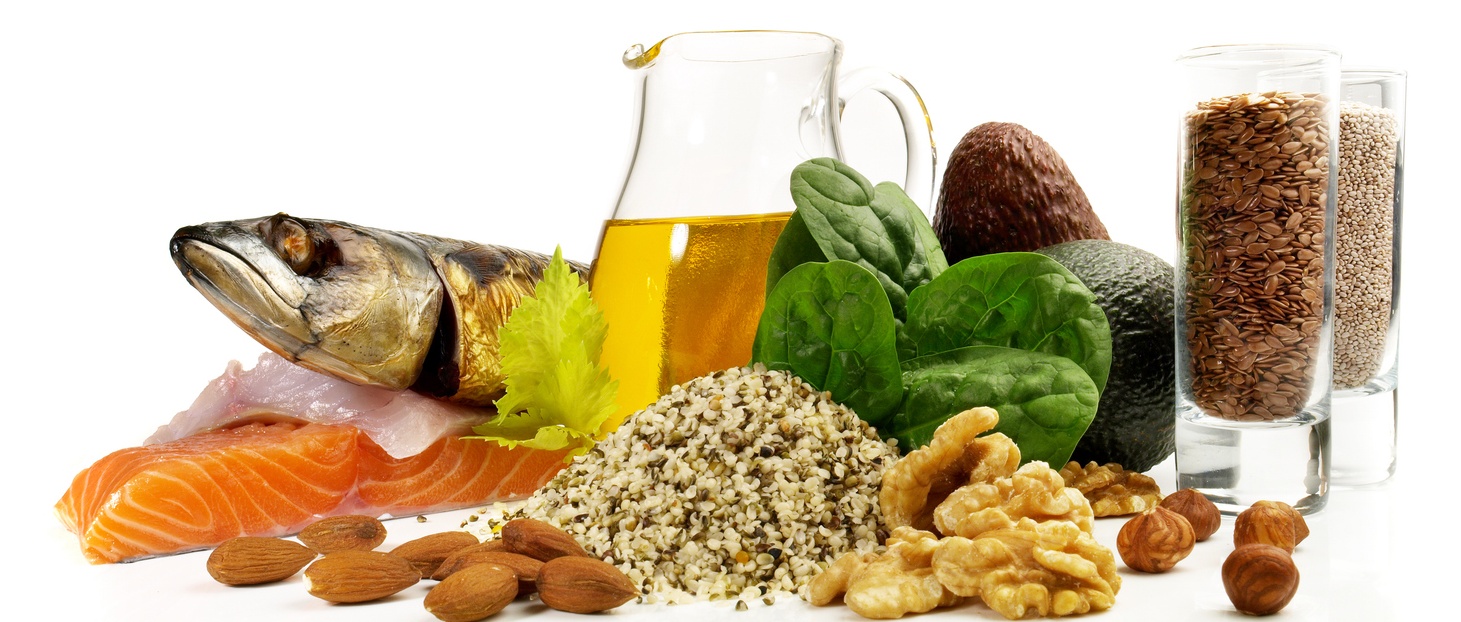
With 3.1% of adults now following plant-based diets, veganism in Great Britain is on the rise. There are growing numbers of people interested in making 'vegan gains' - building muscle on a vegan diet. With careful planning, it is possible to maximise muscle growth on a plant-based diet.
by Lynn Stephen
Diet and nutrition
What is choline? The nutrient for your memory, muscles and more
There's a good chance you're not consuming enough choline. This nutrient is needed for many jobs around the body. Find out how choline regulates memory, muscle movement, blood pressure and more - and the choline-rich foods we should all be eating.
by Amberley Davis

Bones, joints and muscles
Muscular dystrophy
Muscular dystrophy is an inherited (genetic) disorder causing muscle weakness. There are different types of muscular dystrophy, which vary as to how severe they are, ranging from very mild to severe. The different types also vary as to what age they begin. If muscular dystrophy is suspected, tests can help to make an accurate diagnosis. Other people in the family can also be tested to see if they have a muscular dystrophy gene. Muscular dystrophy cannot be cured but there are various treatments which can help.
by Dr Doug McKechnie, MRCGP

Health and wellness video library
Hip pain and exercises videos
Hip pain doesn’t just hurt—it interrupts your day, your sleep, and your peace of mind. Our hip pain video hub is designed to help you understand the most common causes of hip pain and, more importantly, what you can do about it. With easy-to-follow, guided exercise videos and professional advice, you’ll learn how to manage discomfort, improve mobility, and get back to doing the things you love.
by Victoria Raw

Bones, joints and muscles
The most likely reasons for your muscle pain
If you're always busy, rushing about and feeling stressed, it's likely to be a recipe to end up with muscle strains. The good news is there are some simple tips to keep you moving.
by Dr Sarah Jarvis

Treatment and medication
Steroid injections
Steroid injections can be used for joint problems and rheumatoid arthritis. They can also be used for some conditions affecting soft tissues, like tendon inflammation or tennis elbow. Steroid injections can be very effective but should be used with other treatments. There is also some evidence that steroid injections may be either completely ineffective or effective for just a relatively short period of time. Other treatments may include medicines for pain relief and physiotherapy, depending on the underlying condition. The side-effects from steroid injections are uncommon. However, the injected area may be sore for the first few days after the injection.
by Dr Hayley Willacy, FRCGP
Related patient information and medicines

Patient information leaflet
Duchenne muscular dystrophy
Duchenne muscular dystrophy is a condition which causes progressive muscle weakness. It starts in childhood and may be noticed when a child has difficulty standing up, climbing or running. It usually affects only boys, although girls may carry the Duchenne gene. Duchenne muscular dystrophy (DMD) is an inherited (genetic) condition which affects.
Patient information leaflet
Muscular dystrophy
Muscular dystrophy is an inherited (genetic) disorder causing muscle weakness. There are different types of muscular dystrophy, which vary as to how severe they are, ranging from very mild to severe. If muscular dystrophy is suspected, tests can help to make an accurate dia... Muscular dystrophy (MD) is the name given to a group of disorders which.
Patient information leaflet
Steroid injections
Steroid injections can be used for joint problems and rheumatoid arthritis. They can also be used for some conditions affecting soft tissues, like tendon inflammation or tennis elbow. Steroid injections can be very effective but should be used with other treatments. There is also some evidence that steroid injections may be either completely.

Patient information leaflet
Muscle weakness
This leaflet looks at types of muscle weakness and discusses the wide range of problems which can cause them. Muscle weakness is a common complaint but the word weakness can mean different things to different people - including tiredness, reduced power and failure to work at all. What is muscle weakness. The term muscle weakness can be used to.

Patient information leaflet
Hypermobility spectrum disorders
Hypermobility spectrum disorders include all people with what used to be called joint hypermobility syndrome, and before that benign joint hypermobility syndrome. ... Hypermobility spectrum disorders (HSDs) are a group of conditions that involve joint hypermobility (increased range of motion in the joints, sometimes referred to as "loose joints").
Patient information leaflet
Biological medicines for rheumatoid arthritis
Biological medicines are a newer type of medicine, used to ease the symptoms of rheumatoid arthritis and reduce the damaging effect of the disease on the joints. They are usually prescribed when you have tried older medicines called disease-modifying antirheumatic drugs (DMARDs) and these have not worked so well. If a biological medicine is going.
Further reading and references
- phosphofructokinase, muscle; MedlinePlus, National Library of Medicine.
- Bruser A, Kirchberger J, Kloos M, Strater N, Schoneberg T. Functional linkage of adenine nucleotide binding sites in mammalian muscle 6-phosphofructokinase. J Biol Chem. 2012 May 18;287(21):17546-17553. doi: 10.1074/jbc.M112.347153. Epub 2012 Apr 3.
- Schoneberg T, Kloos M, Bruser A, Kirchberger J, Strater N. Structure and allosteric regulation of eukaryotic 6-phosphofructokinases. Biol Chem. 2013 Aug;394(8):977-93. doi: 10.1515/hsz-2013-0130.
- Vives-Corrons JL, Koralkova P, Grau JM, Manu Pereira Mdel M, Van Wijk R. First description of phosphofructokinase deficiency in spain: identification of a novel homozygous missense mutation in the PFKM gene. Front Physiol. 2013 Dec 30;4:393. doi: 10.3389/fphys.2013.00393. eCollection 2013.
Share your thoughts or experiences with others in our patient communities.
Simple access to trusted treatments and health services online.
Common conditions
Get help with common conditions through the NHS, without a GP appointment.





Sign up to the Patient newsletter
Your weekly dose of clear, trustworthy health advice - written to help you feel informed, confident and in control.
By subscribing you accept our Privacy Policy. You can unsubscribe at any time. We never sell your data.