phosphorylase kinase regulatory subunit alpha 2
Last updated 26 Jul 2023
Meets Patient’s editorial guidelines
- DownloadDownload
- Share
- Language
- Discussion
- Ask Patient
- Audio Version
- Add to preferred sources on Google
The PHKA2 gene provides instructions for making one piece, the alpha subunit, of the phosphorylase b kinase enzyme. This enzyme is made up of 16 subunits, four each of the alpha, beta, gamma, and delta subunits. (Each subunit is produced from a different gene.) The alpha subunit helps regulate the activity of phosphorylase b kinase. This enzyme is found in various tissues, although it is most abundant in the liver and muscles. One version of the enzyme is found in liver cells and another in muscle cells. The alpha-2 subunit produced from the PHKA2 gene is part of the enzyme found in the liver.
Video picks for GenesVideo library
Normal function
The PHKA2 gene provides instructions for making one piece, the alpha subunit, of the phosphorylase b kinase enzyme. This enzyme is made up of 16 subunits, four each of the alpha, beta, gamma, and delta subunits. (Each subunit is produced from a different gene.) The alpha subunit helps regulate the activity of phosphorylase b kinase. This enzyme is found in various tissues, although it is most abundant in the liver and muscles. One version of the enzyme is found in liver cells and another in muscle cells. The alpha-2 subunit produced from the PHKA2 gene is part of the enzyme found in the liver.
Phosphorylase b kinase plays an important role in providing energy for cells. The main source of cellular energy is a simple sugar called glucose. Glucose is stored in muscle and liver cells in a form called glycogen. Glycogen can be broken down rapidly when glucose is needed, for instance to maintain normal levels of glucose in the blood between meals. Phosphorylase b kinase turns on (activates) another enzyme called glycogen phosphorylase b by converting it to the more active form, glycogen phosphorylase a. When active, this enzyme breaks down glycogen.
Conditions referring to this gene or chromosome
Other names
GSD9A
KPB2_HUMAN
PHK
phosphorylase b kinase regulatory subunit alpha, liver isoform
phosphorylase kinase alpha L subunit
phosphorylase kinase alpha-subunit
phosphorylase kinase, alpha 2 (liver)
PYK
PYKL
XLG
Patient picks for Genes
Treatment and medication
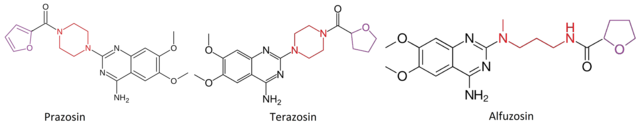
Alpha-blockers
Alpha-blockers are medicines that are mainly used to treat high blood pressure (hypertension) and problems with passing urine in men who have enlargement of the prostate gland. Prostate gland enlargement is also called benign prostatic hyperplasia (BPH).
by Dr Doug McKechnie, MRCGP

Children's health
Alpha-1 antitrypsin deficiency
Alpha-1 antitrypsin deficiency is an inherited genetic condition. A genetic condition is one that can be passed on from parents through genes. In alpha-1 antitrypsin deficiency the result of a genetic abnormality leads to lung and, in some people, liver damage. Lung symptoms are the most common and include shortness of breath, cough and wheezing. Symptoms can worsen over time. At present, there is no cure for alpha-1 antitrypsin deficiency. Treatment aims at slowing down the progression of the disease.
by Dr Philippa Vincent, MRCGP
Medicine
Phenoxybenzamine - an alpha-blocker
Adults will normally start with one capsule a day. This dose may then be increased over the next few days. It is common to feel dizzy or light-headed initially. This should soon settle. You may be given other medicines to take alongside phenoxybenzamine.
by Michael Stewart, MRPharmS

Medicine
Indoramin - an alpha-blocker
Indoramin is prescribed for two different medical conditions: 20 mg strength tablets are prescribed for men with prostate problems, and 25 mg strength tablets are prescribed for people with high blood pressure. You are advised not to drink alcohol while you are on indoramin. Do not drive and do not use tools or machines if you feel tired or dizzy.
by Michael Stewart, MRPharmS

Medicine
Alfacalcidol capsules and drops
Alfacalcidol is a type of vitamin D. You will need to have regular blood tests while you are taking the medicine so that your doctor can adjust your dose. Make sure you know the symptoms of too much calcium in your blood - these are losing your appetite, feeling thirsty, being sick (vomiting), feeling tired and losing weight. Please let your doctor know if you develop these symptoms.
by Michael Stewart, MRPharmS

Medicine
Prazosin - an alpha-blocker
Your first dose of prazosin may make you feel dizzy or faint, or start sweating. Take your first dose at bedtime and remain lying down until these symptoms have completely passed. Prazosin can cause dizziness which may affect your ability to drive. Make sure your reactions are normal before you drive and before you use tools or machines.
by Michael Stewart, MRPharmS
Related patient information and medicines

Patient information leaflet
Glycogen storage disorders
Glycogen storage disorders are a group of inherited diseases. They result from a problem with one of the proteins (known as enzymes) involved in the conversion of glucose to glycogen, or the breakdown of glycogen back into glucose. They mostly tend to affect your liver and muscles. Type II (Pompe's disease). Type VII (Tarui's disease). Type IX.

Patient information leaflet
Muscular dystrophy
Muscular dystrophy is an inherited (genetic) disorder causing muscle weakness. There are different types of muscular dystrophy, which vary as to how severe they are, ranging from very mild to severe. Also, if a child has delayed motor mil... MD may be diagnosed using one or more of the following tests: A blood test Blood tests for creatine kinase.

Patient information leaflet
Can I take Guanfacine and Tizanidine together?
You may feel faint, lightheaded, or even pass out, especially when standing up quickly. It can also significantly slow your heart rate. Why this happens Both guanfacine and tizanidine are 'alpha-2 agonists'. This means they work in a similar way to relax blood vessels and slow down the nervous system. When used together, their effects add up,.

Patient information leaflet
Pompholyx
Pompholyx is a type of eczema where there are itchy blisters on the hands and feet, followed by inflamed and dry skin. The condition is usually long-term, with symptoms that come and go at various times. The first step in managing pompholyx is to identify and avoid things that make it worse. Treatment includes creams and ointments to reduce.

Patient information leaflet
Liver function tests
Liver function tests are a set of blood tests commonly done to check on the health of your liver. Changes in liver function tests give a clue as to whether your liver is under strain, inflamed, infected or diseased, and how badly. The pattern of the liver function tests can give a clue to the cause and can allow early detection of unsuspected.

Patient information leaflet
Primary liver cancer
In primary liver cancer the cancer starts in the liver. In secondary liver cancer, the cancer spreads from another part of the body to the liver. Primary liver cancer is uncommon in the UK but is common in other parts of the world. In the UK, most cases develop as a complication of scarring of the liver (cirrhosis). In general the outlook is poor..
Further reading and references
- phosphorylase kinase regulatory subunit alpha 2; MedlinePlus, National Library of Medicine.
- Brushia RJ, Walsh DA. Phosphorylase kinase: the complexity of its regulation is reflected in the complexity of its structure. Front Biosci. 1999 Sep 15;4:D618-41. doi: 10.2741/brushia.
- Burwinkel B, Amat L, Gray RG, Matsuo N, Muroya K, Narisawa K, Sokol RJ, Vilaseca MA, Kilimann MW. Variability of biochemical and clinical phenotype in X-linked liver glycogenosis with mutations in the phosphorylase kinase PHKA2 gene. Hum Genet. 1998 Apr;102(4):423-9. doi: 10.1007/s004390050715.
- Burwinkel B, Shin YS, Bakker HD, Deutsch J, Lozano MJ, Maire I, Kilimann MW. Mutation hotspots in the PHKA2 gene in X-linked liver glycogenosis due to phosphorylase kinase deficiency with atypical activity in blood cells (XLG2). Hum Mol Genet. 1996 May;5(5):653-8. doi: 10.1093/hmg/5.5.653.
- Hendrickx J, Lee P, Keating JP, Carton D, Sardharwalla IB, Tuchman M, Baussan C, Willems PJ. Complete genomic structure and mutational spectrum of PHKA2 in patients with x-linked liver glycogenosis type I and II. Am J Hum Genet. 1999 Jun;64(6):1541-9. doi: 10.1086/302399.
Share your thoughts or experiences with others in our patient communities.
Simple access to trusted treatments and health services online.
Common conditions
Get help with common conditions through the NHS, without a GP appointment.





Sign up to the Patient newsletter
Your weekly dose of clear, trustworthy health advice - written to help you feel informed, confident and in control.
By subscribing you accept our Privacy Policy. You can unsubscribe at any time. We never sell your data.