phosphatidylinositol glycan anchor biosynthesis class A
Last updated 24 Feb 2022
Meets Patient’s editorial guidelines
- DownloadDownload
- Share
- Language
- Discussion
- Ask Patient
- Audio Version
- Add to preferred sources on Google
The PIGA gene provides instructions for making a protein called phosphatidylinositol glycan class A (shortened to PIG-A). The PIG-A protein takes part in a series of steps that produce a molecule called glycophosphatidylinositol (GPI) anchor. Specifically, the PIG-A protein is one piece of a group of proteins (a complex) that performs the first step of the series, which produces an intermediate molecule called N-acetylglucosaminyl phosphatidylinositol, or GlcNAc-PI.
Video picks for GenesVideo library
Normal function
The PIGA gene provides instructions for making a protein called phosphatidylinositol glycan class A (shortened to PIG-A). The PIG-A protein takes part in a series of steps that produce a molecule called glycophosphatidylinositol (GPI) anchor. Specifically, the PIG-A protein is one piece of a group of proteins (a complex) that performs the first step of the series, which produces an intermediate molecule called N-acetylglucosaminyl phosphatidylinositol, or GlcNAc-PI.
The GPI anchor, the ultimate product of the series of steps, attaches many different proteins to the cell membrane. These proteins are known as GPI-anchored proteins. Anchored proteins have a variety of roles, including sticking cells to one another, relaying signals into cells, and protecting cells from destruction.
Conditions referring to this gene or chromosome
Other names
GLCNAC-PI synthesis protein
GPI anchor biosynthesis
GPI3
phosphatidylinositol glycan anchor biosynthesis, class A
phosphatidylinositol glycan anchor biosynthesis, class A (paroxysmal nocturnal hemoglobinuria)
phosphatidylinositol glycan, class A (paroxysmal nocturnal hemoglobinuria)
phosphatidylinositol N-acetylglucosaminyltransferase subunit A
phosphatidylinositol-glycan biosynthesis, class A protein
PIG-A
PIGA_HUMAN
Patient picks for Genes

General health
Medical negligence
Most people receive good care from healthcare professionals. Sometimes, people receive poor care. If this happens, they may wish to make a complaint. If sub-standard care has led to avoidable harm, they may also wish to make a claim for compensation for medical negligence.
by Dr Doug McKechnie, MRCGP

Pregnancy
What do you learn in antenatal classes and what are the benefits?
Becoming a parent can be an overwhelming experience and looking after a newborn is often a steep learning curve. Antenatal classes can be a great way for new parents to prepare for the arrival of their baby. Here we look at what these classes cover, and what are the benefits of attending antenatal classes.
by Lawrence Higgins
Infections
Strep A
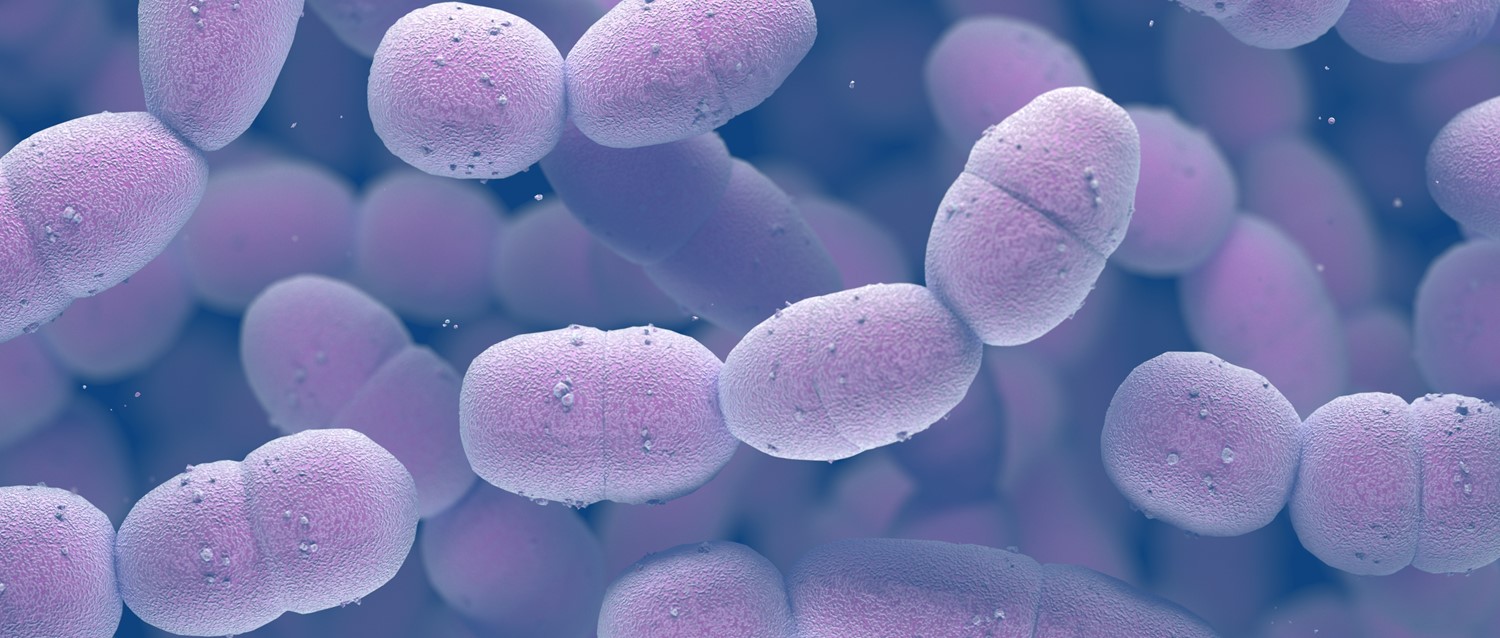
Strep A, or Group A streptococcus, is a common type of bacteria, which has been recognised as a cause of infections for many years. Most Group A streptococcus infections are mild, but in rare cases, these can cause serious illness and even death.
by Dr Colin Tidy, MRCGP

Chest and lungs
Viral cough
Most coughs are caused by viral infections and usually soon go. This leaflet gives some tips on what to do and discusses which symptoms may indicate a more serious illness. Viral infections commonly affect the throat (larynx), the main airway (trachea), or the airways going into the lungs (bronchi). These infections are sometimes called laryngitis, tracheitis, or bronchitis. Cough is often the main symptom.
by Dr Surangi Mendis, MRCGP

Podcasts
Me and myself
In this episode, Clare and Aileen turn their attention to what they describe as the primary relationship - the relationship we have with ourselves - and why it is so often the one we neglect, misunderstand or actively sideline.
by Thomas Andrew Porteus, MBCS
Preventative health
Open & Close the Chest
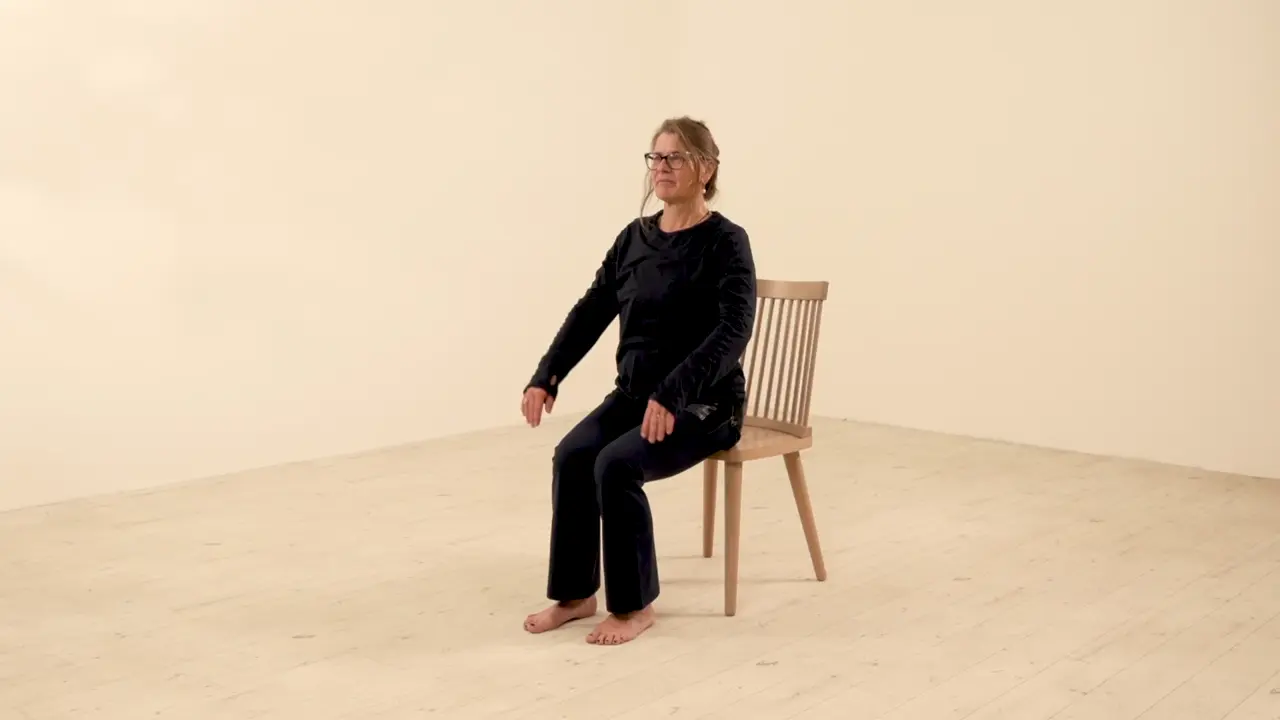
Open & Close the Chest is a fluid movement that expands and contracts the arms in rhythm with the breath. It improves respiratory function, opens the chest, and helps reduce tension across the upper body.
Related patient information and medicines

Patient information leaflet
Recreational drugs
These are published regularly. The latest statistics at the time of writing this leaflet are from the year ending March 2024: An estimated 8.8% of adults aged 16-59 had taken a drug in the last year (2.9 million people). This rises to 16.5% amongst 16-24 year olds. 1.8% of adults aged 16-59 use drugs frequently (more than once a month). 3% of.

Patient information leaflet
Blood groups and types
ABO and rhesus are both types of antigens found on the surface of red blood cells. There are lots of other types but these are the most important. The main reasons to know your blood group are if you need to have a blood transfusion or if you are pregnant. What is a blood group. Red blood cells (erythrocytes) have certain proteins on their.
Patient information leaflet
Mitral stenosis
Mitral stenosis means that when the mitral valve opens, it does not open fully. Dr Sarah Jarvis , 27th November 2021 NICE guidance on heart valve disease This leaflet has been archived and has not been reviewed since 2017. It does not include the latest guidance on investigations and treatments for mitral stenosis, which were produced by the.

Patient information leaflet
Cushing's syndrome
Cushing's syndrome is caused by too high a level of glucocorticoid in the body. This can be caused by taking steroid medication long-term (the common cause) or by the body making too much cortisol (the main glucocorticoid made by the body). There are various reasons why the body may produce too much cortisol, and complex tests may be needed to.
Patient information leaflet
Medication and treatment for dementia
These medicines do not cure dementia Memory loss and dementia and they may only work for some people. They also may only work for a short time (6-12 months) and generally slow the deterioration rather than preventing it. Medicines for dementia are always started by a doctor who specialises in treating dementia. There are four medicines available.
Patient information leaflet
Medical negligence
Has given you a po... There is a separate Health Service Ombudsman for England, Scotland, Wales and Northern Ireland. Governing bo. The Health and Care Professions Council (HCPC), for art therapists, biomedical scientists, chiropodists and podiatrists, clinical scientists, dieticians, hearing aid dispensers, occupational therapists, operating.
Further reading and references
- phosphatidylinositol glycan anchor biosynthesis class A; MedlinePlus, National Library of Medicine.
- Brodsky RA, Hu R. PIG-A mutations in paroxysmal nocturnal hemoglobinuria and in normal hematopoiesis. Leuk Lymphoma. 2006 Jul;47(7):1215-21. doi: 10.1080/10428190600555520.
- Gurnari C, Pagliuca S, Patel BJ, Awada H, Kongkiatkamon S, Terkawi L, Zawit M, Corey S, Lichtin AE, Carraway HE, Wahida A, Visconte V, Maciejewski JP. Implication of PIGA genotype on erythrocytes phenotype in Paroxysmal Nocturnal Hemoglobinuria. Leukemia. 2021 Aug;35(8):2431-2434. doi: 10.1038/s41375-020-01113-0. Epub 2021 Jan 22. No abstract available.
- Inoue N, Murakami Y, Kinoshita T. Molecular genetics of paroxysmal nocturnal hemoglobinuria. Int J Hematol. 2003 Feb;77(2):107-12. doi: 10.1007/BF02983208.
- Mortazavi Y, Merk B, McIntosh J, Marsh JC, Schrezenmeier H, Rutherford TR; BIOMED II Pathophysiology and Treatment of Aplastic Anaemia Study Group. The spectrum of PIG-A gene mutations in aplastic anemia/paroxysmal nocturnal hemoglobinuria (AA/PNH): a high incidence of multiple mutations and evidence of a mutational hot spot. Blood. 2003 Apr 1;101(7):2833-41. doi: 10.1182/blood-2002-07-2095. Epub 2002 Nov 7.
- Rosti V. The molecular basis of paroxysmal nocturnal hemoglobinuria. Haematologica. 2000 Jan;85(1):82-7.
- Tarailo-Graovac M, Sinclair G, Stockler-Ipsiroglu S, Van Allen M, Rozmus J, Shyr C, Biancheri R, Oh T, Sayson B, Lafek M, Ross CJ, Robinson WP, Wasserman WW, Rossi A, van Karnebeek CD. The genotypic and phenotypic spectrum of PIGA deficiency. Orphanet J Rare Dis. 2015 Feb 27;10:23. doi: 10.1186/s13023-015-0243-8.
Share your thoughts or experiences with others in our patient communities.
Simple access to trusted treatments and health services online.
Common conditions
Get help with common conditions through the NHS, without a GP appointment.





Sign up to the Patient newsletter
Your weekly dose of clear, trustworthy health advice - written to help you feel informed, confident and in control.
By subscribing you accept our Privacy Policy. You can unsubscribe at any time. We never sell your data.