glycogen phosphorylase L
Last updated 18 Aug 2020
Meets Patient’s editorial guidelines
- DownloadDownload
- Share
- Language
- Discussion
- Ask Patient
- Audio Version
- Add to preferred sources on Google
The PYGL gene provides instructions for making an enzyme called liver glycogen phosphorylase. This enzyme breaks down a complex sugar called glycogen. Liver glycogen phosphorylase is one of three related enzymes that break down glycogen in cells; the other glycogen phosphorylases are found in the brain and in muscles. Liver glycogen phosphorylase is found only in liver cells, where it breaks down glycogen into a type of sugar called glucose-1-phosphate. Additional steps convert glucose-1-phosphate into glucose, a simple sugar that is the main energy source for most cells in the body.
Video picks for GenesVideo library
Normal function
The PYGL gene provides instructions for making an enzyme called liver glycogen phosphorylase. This enzyme breaks down a complex sugar called glycogen. Liver glycogen phosphorylase is one of three related enzymes that break down glycogen in cells; the other glycogen phosphorylases are found in the brain and in muscles. Liver glycogen phosphorylase is found only in liver cells, where it breaks down glycogen into a type of sugar called glucose-1-phosphate. Additional steps convert glucose-1-phosphate into glucose, a simple sugar that is the main energy source for most cells in the body.
Conditions referring to this gene or chromosome
Other names
glycogen phosphorylase, liver form
GSD6
phosphorylase, glycogen, liver
PYGL_HUMAN
Patient picks for Genes

Children's health
Glycogen storage disorders
Glycogen storage disorders are a group of inherited diseases. They result from a problem with one of the proteins (known as enzymes) involved in the conversion of glucose to glycogen, or the breakdown of glycogen back into glucose. They mostly tend to affect your liver and muscles. Most are diagnosed in childhood. Symptoms include weakness, tiredness and low blood sugar levels. Newer treatment possibilities provide hope for an improved outlook (prognosis). Most people with a glycogen storage disorder respond well to treatment. However, type II (infantile Pompe's disease) can be difficult to treat and can affect life expectancy.
by Dr Roger Henderson, MBBS
Core strength & conditioning exercises
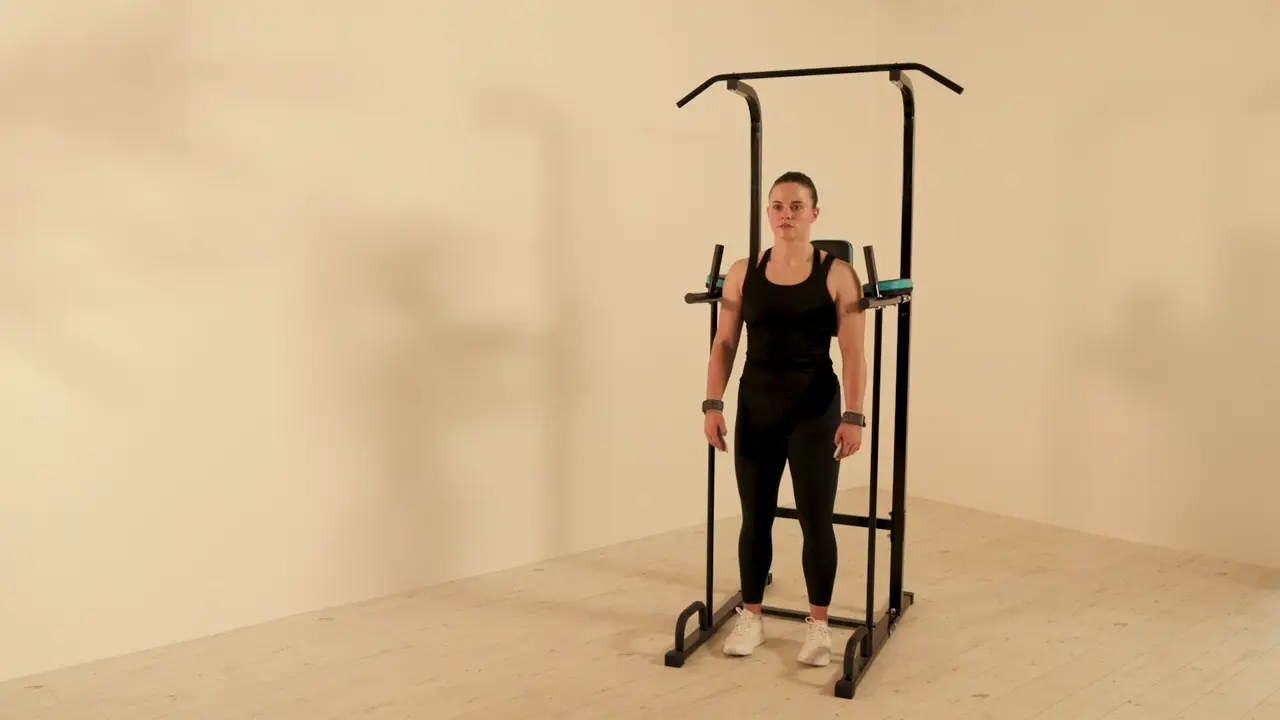
Hanging Leg Raise (L Shape)
The Pull-Up Bar Hanging Leg Raise (L Shape) is a core exercise that targets the lower abs and hip flexors. It involves hanging from a pull-up bar with an overhand grip and lifting your legs straight out in front of you to form an "L" shape with your body. By holding this position and raising your legs, you engage the lower abdominal muscles and hip flexors while maintaining a stable core. This exercise enhances core strength, flexibility, and grip endurance.

MSK
Drawing Bow & Arrow Fly
Settle into horse stance, feet wide and knees softly bent. Bring the hands into gentle fists in front of the chest, elbows relaxed. Extend the left arm and open the hand into an “L” shape with the thumb and index finger while the other three fingers curl inward. The left arm reaches out as though holding the bow. Keeping the knees bent, let the right fist remain in front of the chest, then draw the right elbow straight back along a clean line, as if pulling a bowstring. Turn the head and gaze through the space between the left thumb and index finger. With a steady exhale, “release” the arrow. Repeat to the other side, maintaining the rootedness of the legs and the spaciousness of the chest. Traditionally, this form is said to regulate the Wood, Metal, and Fire elements, supporting the Liver, Lungs, and Heart meridians. It helps open the chest, strengthen the back and legs, and cultivate clear focus—beneficial for vision, direction, and the sense of moving toward one’s aims.
Related patient information and medicines
Patient information leaflet
Glycogen storage disorders
Glycogen storage disorders are a group of inherited diseases. They result from a problem with one of the proteins (known as enzymes) involved in the conversion of glucose to glycogen, or the breakdown of glycogen back into glucose. The different types of glycogen storage disorder include: Type Ia (von Gierke's disease), type Ib. Type IX (liver.

Patient information leaflet
Liver function tests
Liver function tests are a set of blood tests commonly done to check on the health of your liver. Liver function Liver function The liver is a factory for the production and breakdown of carbohydrates, fats, proteins, ho... Some of the most important functions include: Production of these substances Glycogen (a carbohydrate energy store), which it.
Patient information leaflet
Primary biliary cholangitis
Primary biliary cholangitis (PBC) is a condition that slowly damages the bile ducts in your liver, leading to liver damage and, sometimes, liver scarring (cirrhosis). Liver function Liver function The liver is in the upper right part of the tummy (abdomen). Its functions include: Storing glycogen (fuel for the body) which is a starch made from.

Patient information leaflet
Liver failure
A healthy liver does a number of essential functions for the body. These include: Removing harmful substances from the body, including alcohol. Helping to make sure the blood clots properly. Storage of substances - for example, iron and glycogen (which is used to store glucose - for energy). Helping your body to fight against infection. Releasing.

Patient information leaflet
Hepatitis A
See the separate l... What does the liver do. Liver function Liver function The liver is in the upper right part of your tummy (abdomen). It has many functions which include: Storing glycogen (fuel for your body) which is made from sugars. When required, glycogen is broken down into glucose which is released into your bloodstream. Helping to.

Patient information leaflet
Muscle weakness
The amyloid damages the organs it attacks, including muscles. Other rare causes : Direct damage to muscles can occur in rare inherited metabolic conditions. Examples include: Glycogen storage diseases Blood glucose test (blood sugar) and HbA1c (in which glycogen, a carbohydrate, infiltrates muscles as well as other organs). Even rarer,.
Further reading and references
- glycogen phosphorylase L; MedlinePlus, National Library of Medicine.
- Beauchamp NJ, Taybert J, Champion MP, Layet V, Heinz-Erian P, Dalton A, Tanner MS, Pronicka E, Sharrard MJ. High frequency of missense mutations in glycogen storage disease type VI. J Inherit Metab Dis. 2007 Oct;30(5):722-34. doi: 10.1007/s10545-007-0499-9. Epub 2007 Aug 21.
- Burwinkel B, Bakker HD, Herschkovitz E, Moses SW, Shin YS, Kilimann MW. Mutations in the liver glycogen phosphorylase gene (PYGL) underlying glycogenosis type VI. Am J Hum Genet. 1998 Apr;62(4):785-91. doi: 10.1086/301790.
- Chang S, Rosenberg MJ, Morton H, Francomano CA, Biesecker LG. Identification of a mutation in liver glycogen phosphorylase in glycogen storage disease type VI. Hum Mol Genet. 1998 May;7(5):865-70. doi: 10.1093/hmg/7.5.865.
- Sallago JB, Weinstein DA. Glycogen Storage Disease Type VI. 2009 Apr 23 [updated 2026 Mar 5]. In: Adam MP, Bick S, Mirzaa GM, Wallace SE, Amemiya A, editors. GeneReviews(R) [Internet]. Seattle (WA): University of Washington, Seattle; 1993-2026. Available from http://www.ncbi.nlm.nih.gov/books/NBK5941/
Share your thoughts or experiences with others in our patient communities.
Simple access to trusted treatments and health services online.
Common conditions
Get help with common conditions through the NHS, without a GP appointment.





Sign up to the Patient newsletter
Your weekly dose of clear, trustworthy health advice - written to help you feel informed, confident and in control.
By subscribing you accept our Privacy Policy. You can unsubscribe at any time. We never sell your data.