regulator of G protein signaling 9 binding protein
Last updated 18 Aug 2020
Meets Patient’s editorial guidelines
- DownloadDownload
- Share
- Language
- Discussion
- Ask Patient
- Audio Version
- Add to preferred sources on Google
The RGS9BP gene (which is also known as R9AP) provides instructions for making a protein called RGS9 binding protein. This protein is found in the retina, which is the specialized tissue at the back of the eye that detects light and colour. Within the retina, the protein is associated with light-detecting cells called photoreceptors. As its name suggests, RGS9 binding protein interacts with a protein called RGS9 (which is produced from the RGS9 gene). It anchors the RGS9 protein to photoreceptors and stimulates RGS9's activity.
Video picks for GenesVideo library
Normal function
The RGS9BP gene (which is also known as R9AP) provides instructions for making a protein called RGS9 binding protein. This protein is found in the retina, which is the specialized tissue at the back of the eye that detects light and colour. Within the retina, the protein is associated with light-detecting cells called photoreceptors. As its name suggests, RGS9 binding protein interacts with a protein called RGS9 (which is produced from the RGS9 gene). It anchors the RGS9 protein to photoreceptors and stimulates RGS9's activity.
When light enters the eye, it stimulates specialized pigments in photoreceptor cells. This stimulation triggers a series of chemical reactions that produce an electrical signal, which is interpreted by the brain as vision. (This process is known as phototransduction.) Once photoreceptors have been stimulated by light, they must return to their resting state before they can be stimulated again. RGS9 and RGS9 binding protein are involved in a chemical reaction that helps return photoreceptors to their resting state quickly after light exposure.
Conditions referring to this gene or chromosome
Other names
FLJ45744
R9AP
regulator of G-protein signaling 9 binding protein
regulator of G-protein signaling 9-binding protein
RGS9 anchor protein
RGS9-anchoring protein
Patient picks for Genes

Health news
Influencers are promoting dangerous peptides on social media – and regulators are struggling to keep up
Once confined to niche bodybuilding forums and hardcore gyms, unproven injectable peptides are now being openly marketed online to the average gym-goer by social media influencers – and regulators struggling to keep up. Across Instagram, TikTok or YouTube, unapproved and harmful peptide products are being promoted as shortcuts to fat loss, anti-ageing, health and recovery and muscle growth. Peptides actually occur naturally in our body. They regulate a variety of important functions, including metabolism, appetite, hormone production and tissue repair. Synthetic versions of peptides are also used in some medicines, which are legitimate and have been clinically proven. These include GLP-1s (which are used for weight loss and managing diabetes) and insulin. But a booming, parallel “grey market” now exists online for unapproved peptide compounds. These products are primarily being sold by so-called wellness brands and in influencer-led storefronts. Many of these products are marketed as cutting-edge solutions for optimising health and body enhancement. The problem is that many of these substances have not undergone full clinical safety evaluation and are not approved for human use. Many have also been found to be contaminated with other harmful ingredients. Unapproved injectable peptides therefore pose serious health risks. Some of the risks they may pose00092-0/abstract) include nausea, vomiting, abdominal pain, gastrointestinal issues, headaches and fatigue or weakness. Immune issues, as well as allergic reactions and infections have also been reported. Moreover, there’s a clear lack of rigorous human safety data. Yet these risks often aren’t disclosed by the people selling them.
by Luke Cox

Diet and nutrition
How a protein-packed breakfast can boost your health
When we think of breakfast, we often picture a bowl of cornflakes with milk. While it’s a classic morning staple, it might not be the most effective way to start your day, as it lacks protein. Adding more protein to your breakfast can boost your energy levels and help keep you feeling full for longer.
by Victoria Raw
Healthy living
Natural protein verses protein powder: which is better for strength training?
Consuming enough protein is essential for building strong muscles. Protein powder shakes are not a complete replacement for natural protein sources found in your food. However, you may consider supplementing your diet and strength-training regime with protein shakes. Before you decide if this is right for you, there are several benefits and considerations to take into account.
by Amberley Davis

Kidney and urinary tract
Proteinuria
Proteins are molecules that are found in almost every part of the body, including in the blood. The kidneys normally have a filter which stops protein from entering the urine, except in very tiny amounts; however, kidney problems can cause higher levels of protein to be found in the urine.
by Dr Doug McKechnie, MRCGP
Healthy living
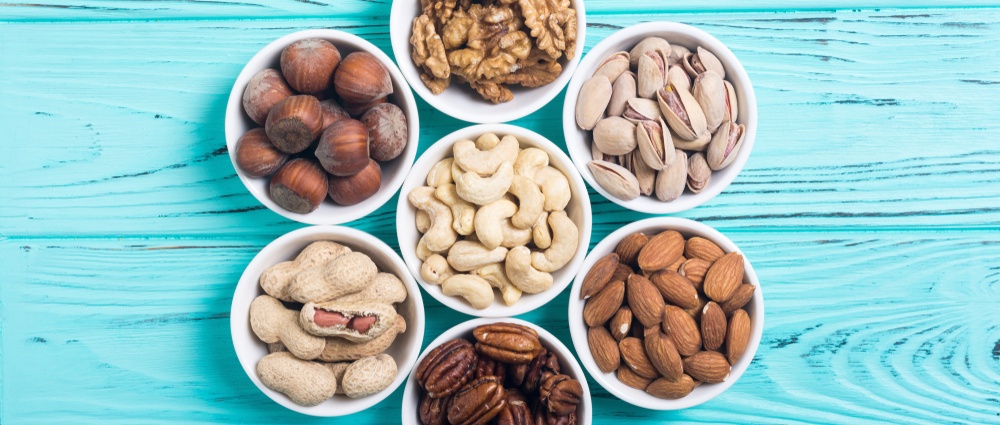
8 high-protein nuts to boost your strength
Packed with protein, delicious, easy to eat, and versatile - nuts are a great source of fuel for people building their fitness and strength. But not all nuts are created equal, which is why we count down the top eight nuts you should eat while strength training and serve these up with tasty recipe ideas.
by Lynn Stephen

Diet and nutrition
10 sources of plant-based protein for bone health
Plant-based diets are growing in popularity. People choose this way of eating for various reasons - to boost their health, help animals, and protect the environment. But switching to a plant-based diet may mean you're missing out on vital, bone-friendly nutrients. One of these is protein.
by Victoria Raw
Related patient information and medicines

Patient information leaflet
Nephrotic syndrome
Nephrotic syndrome is a condition where the 'filters' in the kidney become 'leaky' and large amounts of protein leak from the blood into the urine. The main symptom is fluid retention (oedema) which is mainly due to the low protein level in the blood. A syndrome is a set of symptoms and signs that tend to occur together and which can be caused by.

Patient information leaflet
The immune system
This leaflet gives a brief overview of the immune system and how it works. A person with a weak immune system might have difficulty fighting off infections. In autoimmune diseases the body is unable to tell what is its own and what is foreign, so it attacks itself. Autoimmune diseases can attack any part of the body - eg, type 1 diabetes.
Patient information leaflet
Blood tests
The main reasons to know your blood group are if you need to have a blood transfusion or if you are pregnant. You cannot request a blood test just to know your blood group on the NHS. What is blood made up of. Blood cells These can be seen under a microscope and make up about 40% of the blood's volume. Blood cells are made in the bone marrow by.
Patient information leaflet
Glomerulonephritis
Glomerulonephritis is the name given to a range of conditions that can affect the kidney, specifically the glomeruli of the kidney. The glomeruli become damaged, commonly because of a problem with the body's immune system. Treatment will depend on the underlying cause as well as the severity of symptoms. Glomerulonephritis is the name given to a.

Patient information leaflet
Dukan diet
The Dukan diet was developed by Pierre Dukan. It is one of the high-protein diets in which both fats and carbohydrates are restricted. This is unlike the Atkins diet Atkins diet , ketogenic diet, and other low-carbohydrate:high-fat (LCHF) diets, in which fat is not restricted. The Dukan diet consists of four phases designed to aid fast weight loss.

Patient information leaflet
Polycythaemia rubra vera
There is an abnormally high number of red blood cells in your blood. You may also have an abnormally high number of platelets and white blood cells. What is normal blood made up of. Blood cells, which can be seen under a microscope, make up about 40% of the blood's volume. One drop of blood contains about five million red cells. This binds to.
Further reading and references
- regulator of G protein signaling 9 binding protein; MedlinePlus, National Library of Medicine.
- Cheng JY, Luu CD, Yong VH, Mathur R, Aung T, Vithana EN. Bradyopsia in an Asian man. Arch Ophthalmol. 2007 Aug;125(8):1138-40. doi: 10.1001/archopht.125.8.1138. No abstract available.
- Michaelides M, Li Z, Rana NA, Richardson EC, Hykin PG, Moore AT, Holder GE, Webster AR. Novel mutations and electrophysiologic findings in RGS9- and R9AP-associated retinal dysfunction (Bradyopsia). Ophthalmology. 2010 Jan;117(1):120-127.e1. doi: 10.1016/j.ophtha.2009.06.011. Epub 2009 Oct 8.
- Nishiguchi KM, Sandberg MA, Kooijman AC, Martemyanov KA, Pott JW, Hagstrom SA, Arshavsky VY, Berson EL, Dryja TP. Defects in RGS9 or its anchor protein R9AP in patients with slow photoreceptor deactivation. Nature. 2004 Jan 1;427(6969):75-8. doi: 10.1038/nature02170.
Share your thoughts or experiences with others in our patient communities.
Simple access to trusted treatments and health services online.
Common conditions
Get help with common conditions through the NHS, without a GP appointment.





Sign up to the Patient newsletter
Your weekly dose of clear, trustworthy health advice - written to help you feel informed, confident and in control.
By subscribing you accept our Privacy Policy. You can unsubscribe at any time. We never sell your data.