SIX homeobox 1
Last updated 18 Aug 2020
Meets Patient’s editorial guidelines
- DownloadDownload
- Share
- Language
- Discussion
- Ask Patient
- Audio Version
- Add to preferred sources on Google
The SIX1 gene is part of a group of similar genes known as the SIX gene family. Genes in this family provide instructions for making proteins that bind to DNA and control the activity of other genes. Based on this role, SIX proteins are called transcription factors.
Video picks for GenesVideo library
Normal function
The SIX1 gene is part of a group of similar genes known as the SIX gene family. Genes in this family provide instructions for making proteins that bind to DNA and control the activity of other genes. Based on this role, SIX proteins are called transcription factors.
The SIX1 protein interacts with several other proteins, including the protein produced from the EYA1 gene, to regulate the activity of genes that are important for normal development. Before birth, these protein interactions appear to be essential for the normal formation of many tissues. These include the second branchial arch, which gives rise to tissues in the front and side of the neck; the ears; the kidneys; the nose; a gland called the thymus that is part of the immune system; and muscles used for movement (skeletal muscles).
Conditions referring to this gene or chromosome
Other names
BOS3
homeobox protein SIX1
sine oculis homeobox (Drosophila) homolog 1
sine oculis homeobox homolog 1
sine oculis homeobox homolog 1 (Drosophila)
SIX1_HUMAN
TIP39
Patient picks for Genes

Diabetes Q&A
What should you do if you have a hypo while driving?
Dr Sarah Jarvis If you have type 1 diabetes, you'll often be encouraged to control your blood sugar to almost the same levels as someone who doesn't have diabetes, especially if you're young and don't have complications of diabetes or other medical conditions. This is because high blood glucose in the long term is linked to damage to your kidneys, eyes, nerves, feet and heart. However, keeping tight control of your blood glucose does increase the risk of hypos. [https://patient.info/health/type-1-diabetes/features/how-low-blood-sugar-is-dangerous](https://patient.info/health/type-1-diabetes/features/how-low-blood-sugar-is-dangerous)
by Dr Sarah Jarvis

Fibroids Q&A
Do fibroids shrink after menopause?
Dr Sarah Jarvis MBE Probably at least 1 in 2 women develop one or more fibroids in their lifetime, and probably more. They usually develop in women aged 30-50 and can sometimes run in families. [https://patient.info/health/periods-and-period-problems/fibroids](https://patient.info/health/periods-and-period-problems/fibroids)
by Dr Sarah Jarvis

Diabetes Q&A
Who is most at risk from developing type 2 diabetes?
Dr Partha Kar The number of people with type 2 diabetes is increasing in the UK, as it is more common in people who are overweight or obese. It also tends to run in families. It is around five times more common in South Asian and African-Caribbean people (often developing before the age of 40 in this group). It is estimated that there are around 940,000 people in England with type 2 diabetes who have not yet been diagnosed with the condition. [https://patient.info/health/type-2-diabetes#nav-1](https://patient.info/health/type-2-diabetes#nav-1)
by Dr Partha Kar, FRCP

Depression
What is postnatal depression?
Prof. Swaran Singh About 1 in 10 mothers develop postnatal depression. Support and understanding from family, friends and sometimes from a professional such as a health visitor can help you to recover. Other treatment options include psychological treatments such as cognitive behavioural therapy or antidepressant medicines. [https://patient.info/health/postnatal-depression-leaflet](https://patient.info/health/postnatal-depression-leaflet)
by Prof Swaran Singh, FRCPsych
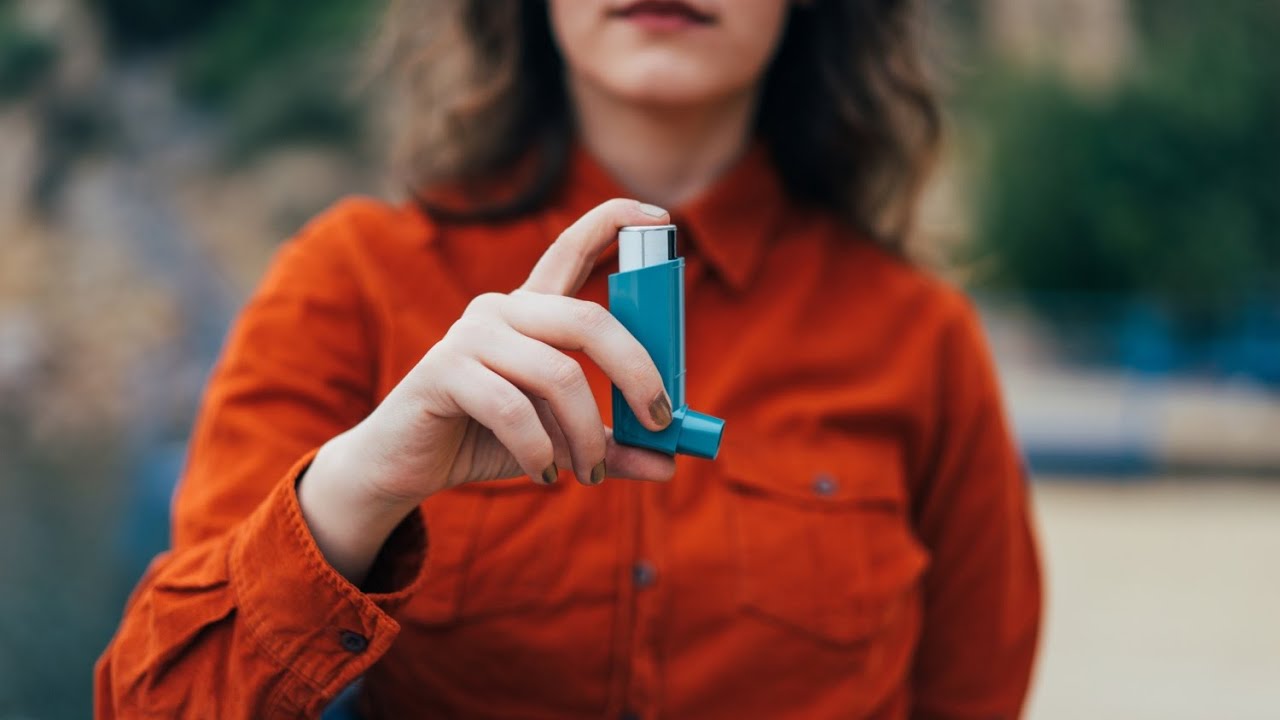
Asthma & COPD
How do I know if I have asthma?
Dr Sarah Jarvis MBE The common symptoms are cough and wheeze. You may also become breathless and develop a feeling of chest tightness. Symptoms can range from mild to severe between different people and at different times in the same person. Each episode of symptoms may last just an hour or so, or persist for days or weeks unless treated. [https://patient.info/health/asthma-leaflet#nav-1](https://patient.info/health/asthma-leaflet#nav-1)
by Dr Sarah Jarvis

Depression Q&A
Is depression a form of mental illness?
Prof. Swaran Singh An episode of depression serious enough to require treatment occurs in about 1 in 4 women and 1 in 10 men at some point in their lives. Some people have two or more episodes of depression at various times in their lives. [https://patient.info/health/depression-leaflet#nav-0](https://patient.info/health/depression-leaflet#nav-0)
by Prof Swaran Singh, FRCPsych
Related patient information and medicines

Patient information leaflet
Circumcision
Circumcision is an operation to remove the fold of skin, called the foreskin, that covers the tip of the penis. Circumcision is mostly performed on babies and young children, though it can be carried out at any age. It is done for both medical and religious reasons. Circumcision is available on the NHS only for medical reasons. The procedure must.

Patient information leaflet
Coeliac disease
It is an autoimmune disease. The immune system makes white blood cells (lymphocytes) and antibodies to protect against foreign objects such as bacteria, viruses and other germs. In an autoimmune disease, the immune system mistakes part or parts of the body as foreign. Other autoimmune diseases include type 1 diabetes, rheumatoid arthritis and some.

Patient information leaflet
Alpha-1 antitrypsin deficiency
If the balance tips and there is too much activity, lung tissue can start to become damaged b... A1AT helps to balance the protease enzymes in the lungs and stop lung damage. What is alpha-1 antitrypsin deficiency. A1AT deficiency is an inherited genetic condition. A genetic condition is one that can be passed on from parents through genes. It was.
Patient information leaflet
Antidepressants
Antidepressant medicines are effective for treating depression. Around half of people with moderate or severe depression feel better within a few weeks of starting treatment. They are also used for other conditions such as recurrent headaches and some forms of pain. A course of antidepressants (used for depression) will be taken for at least six.
Patient information leaflet
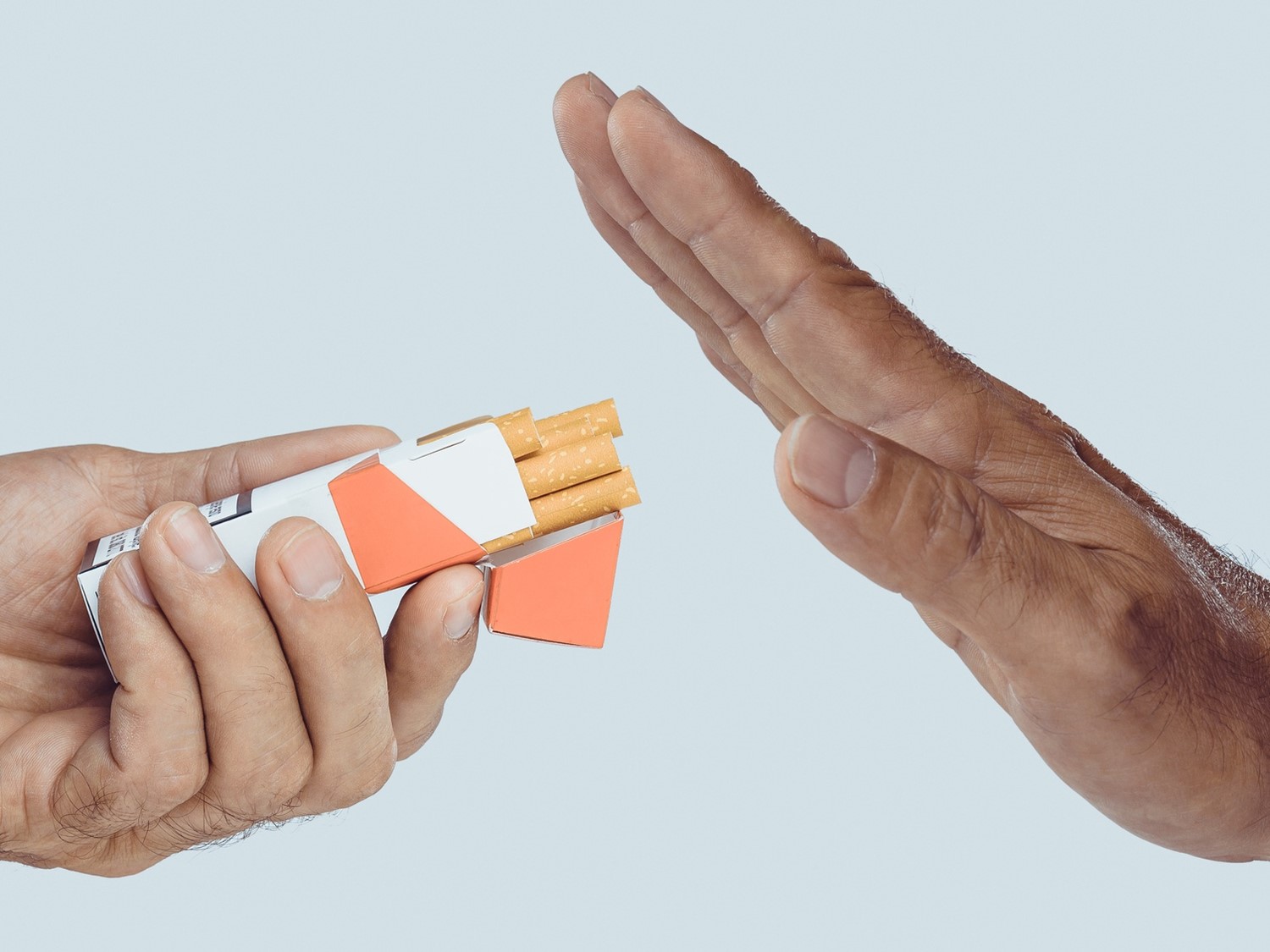
Smoking
If you are a long-term smoker,. Put another way, in the UK about 8 in 10 non-smokers live past the age of 70 but only about half of long-term smokers live past 70. The younger you are when you start smoking, the more likely you are to smoke for longer and to die early from smoking. ServiceUpsellPlaceholder Many smoking-related deaths are not quick.
Patient information leaflet
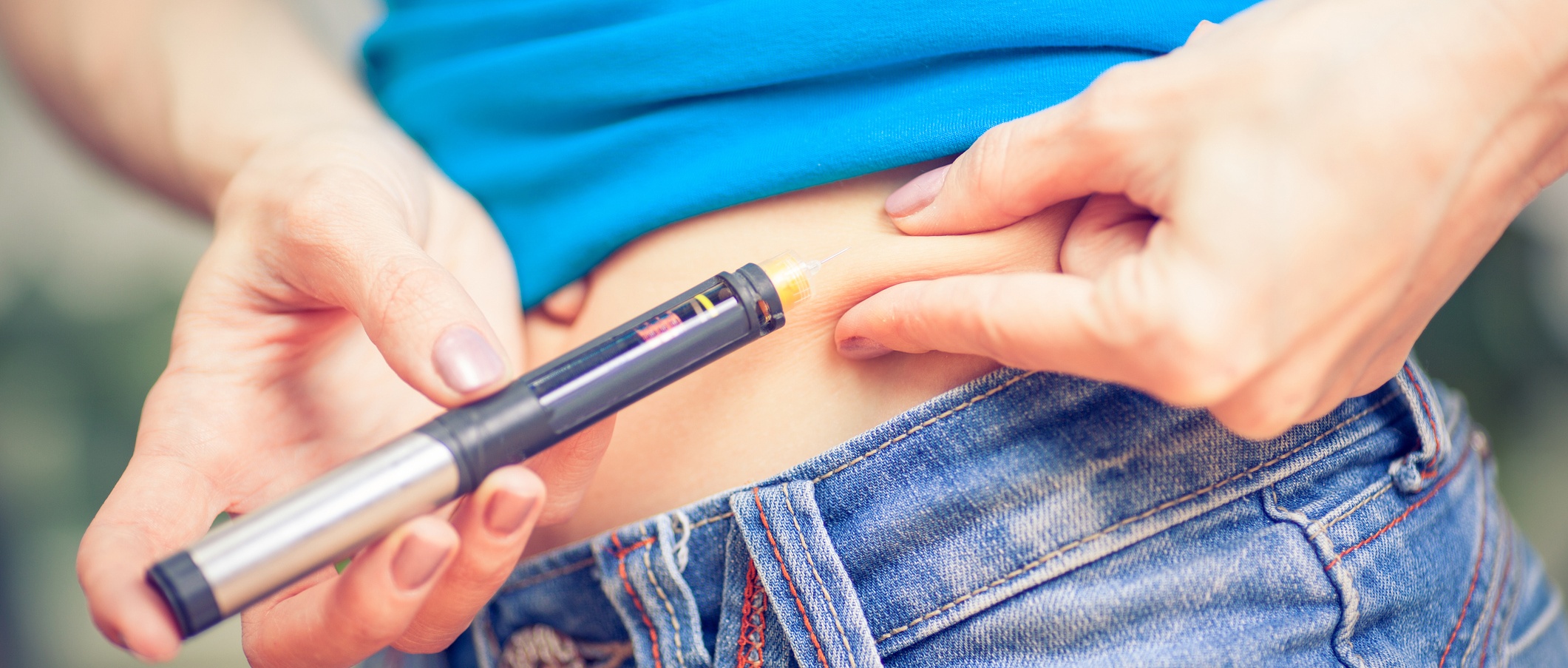
Insulin
Insulin is a hormone made naturally in the body by the pancreas. This hormone controls the level of sugar (glucose) in the blood. People who have type 1 diabetes need to have regular insulin injections. In type 1 diabetes, the body stops making insulin and the blood sugar level goes very high. Some people who have type 2 diabetes may also need to.
Further reading and references
- SIX homeobox 1; MedlinePlus, National Library of Medicine.
- Kochhar A, Orten DJ, Sorensen JL, Fischer SM, Cremers CW, Kimberling WJ, Smith RJ. SIX1 mutation screening in 247 branchio-oto-renal syndrome families: a recurrent missense mutation associated with BOR. Hum Mutat. 2008 Apr;29(4):565. doi: 10.1002/humu.20714.
- Krug P, Moriniere V, Marlin S, Koubi V, Gabriel HD, Colin E, Bonneau D, Salomon R, Antignac C, Heidet L. Mutation screening of the EYA1, SIX1, and SIX5 genes in a large cohort of patients harboring branchio-oto-renal syndrome calls into question the pathogenic role of SIX5 mutations. Hum Mutat. 2011 Feb;32(2):183-90. doi: 10.1002/humu.21402.
- Mosrati MA, Hammami B, Rebeh IB, Ayadi L, Dhouib L, Ben Mahfoudh K, Hakim B, Charfeddine I, Mnif J, Ghorbel A, Masmoudi S. A novel dominant mutation in SIX1, affecting a highly conserved residue, result in only auditory defects in humans. Eur J Med Genet. 2011 Sep-Oct;54(5):e484-8. doi: 10.1016/j.ejmg.2011.06.001. Epub 2011 Jun 15.
- Ruf RG, Xu PX, Silvius D, Otto EA, Beekmann F, Muerb UT, Kumar S, Neuhaus TJ, Kemper MJ, Raymond RM Jr, Brophy PD, Berkman J, Gattas M, Hyland V, Ruf EM, Schwartz C, Chang EH, Smith RJ, Stratakis CA, Weil D, Petit C, Hildebrandt F. SIX1 mutations cause branchio-oto-renal syndrome by disruption of EYA1-SIX1-DNA complexes. Proc Natl Acad Sci U S A. 2004 May 25;101(21):8090-5. doi: 10.1073/pnas.0308475101. Epub 2004 May 12.
- Smith RJH, Azaiez H. Branchiootorenal Spectrum Disorder. 1999 Mar 19 [updated 2025 Jun 26]. In: Adam MP, Bick S, Mirzaa GM, Wallace SE, Amemiya A, editors. GeneReviews(R) [Internet]. Seattle (WA): University of Washington, Seattle; 1993-2026. Available from http://www.ncbi.nlm.nih.gov/books/NBK1380/
Share your thoughts or experiences with others in our patient communities.
Simple access to trusted treatments and health services online.
Common conditions
Get help with common conditions through the NHS, without a GP appointment.





Sign up to the Patient newsletter
Your weekly dose of clear, trustworthy health advice - written to help you feel informed, confident and in control.
By subscribing you accept our Privacy Policy. You can unsubscribe at any time. We never sell your data.