unc-80 subunit of NALCN channel complex
Last updated 1 Aug 2025
Meets Patient’s editorial guidelines
- DownloadDownload
- Share
- Language
- Discussion
- Ask Patient
- Audio Version
- Add to preferred sources on Google
The UNC80 gene provides instructions for making a large protein that is important in the functioning of a sodium channel called NALCN. Sodium channels transport positively charged sodium atoms (sodium ions) into cells and play a key role in a cell's ability to generate and transmit electrical signals. The UNC80 protein forms a bridge between NALCN and another protein called UNC79; along with several other molecules, these proteins group together to form a functional NALCN channel complex (channelosome). UNC80 also helps locate and stabilize the NALCN channelosome in the cell membrane of nerve cells (neurons). The channelosome helps regulate the activity level (excitability) of these cells.
Video picks for GenesVideo library
Normal function
The UNC80 gene provides instructions for making a large protein that is important in the functioning of a sodium channel called NALCN. Sodium channels transport positively charged sodium atoms (sodium ions) into cells and play a key role in a cell's ability to generate and transmit electrical signals. The UNC80 protein forms a bridge between NALCN and another protein called UNC79; along with several other molecules, these proteins group together to form a functional NALCN channel complex (channelosome). UNC80 also helps locate and stabilize the NALCN channelosome in the cell membrane of nerve cells (neurons). The channelosome helps regulate the activity level (excitability) of these cells.
Conditions referring to this gene or chromosome
Other names
C2orf21
FLJ33496
KIAA1843
protein unc-80 homolog isoform 1
protein unc-80 homolog isoform 2
UNC-80
unc-80 homolog, NALCN activator
Patient picks for Genes
Mental health
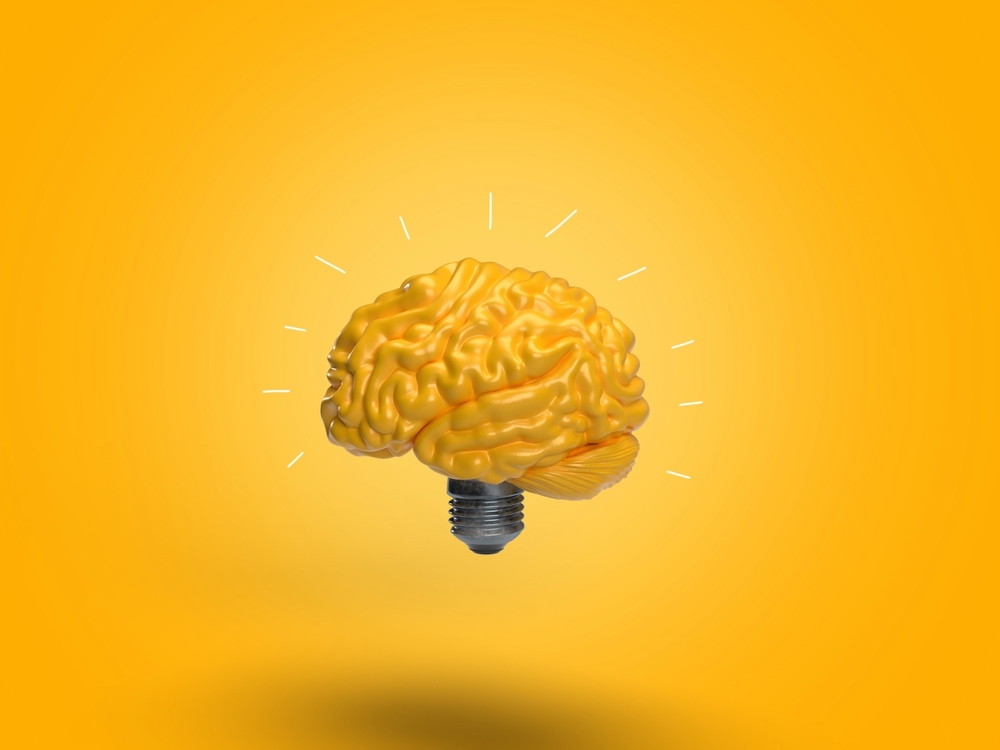
Mind and body control - how to channel your ‘internal telekinesis’
The dark nights have arrived, and right on cue, Mike Flanagan has turned his attention to one of Stephen King’s most iconic tales of teenage torment and supernatural terror... Carrie. The story of a schoolgirl with telekinetic powers - the fictional ability to move objects using the mind alone - has gripped our morbid imaginations for decades. Little wonder, then, that this horror classic is getting a new lease of life in a television adaptation. But while we ourselves may not be able to bend spoons or move furniture, we do possess our own real-world form of ‘internal-telekinesis’. Through mental focus and controlled breathing, we can influence our heart rate and help calm an overworked nervous system.
by Hannah Boynton-Forshaw

Women's health
Endometrial hyperplasia
Endometrial hyperplasia is a thickening of the womb (uterus) lining. The womb lining is called the endometrium. Hyperplasia means over ("hyper" in Latin) growth ("plasia" in Latin).
by Dr Philippa Vincent, MRCGP

Diet and nutrition
Beyond the grape: uncorking the health facts about resveratrol
Red grapes have a secret weapon that protects them from disease - resveratrol. Could it do the same for you? Found mostly in the skin of red grapes, this natural compound is hailed by some as holding the key to good health. But is it really worth the excitement? Read on to find out more.
by Victoria Raw
Treatment and medication
Calcium channel blockers
Calcium channel blockers (sometimes called calcium antagonists) are a group of medicines that affect the way calcium passes into certain muscle cells. They are commonly prescribed to manage high blood pressure, angina, Raynaud's phenomenon and some abnormal heart rhythms (arrhythmias). They are also used to try to stop premature labour in pregnancy. A calcium-channel blocker can be used alone. However, one is often combined with another medicine to treat high blood pressure or angina, when one medicine alone has not worked so well.
by Dr Toni Hazell, FRCGP

Diet and nutrition
What is The Fast 800 diet?
If you're trying to reach a healthy weight, lose tummy fat, reduce your risk of weight-related diseases, or possibly even reverse your type 2 diabetes, The Fast 800 diet may be for you. At its heart, this diet is about helping you move through quick weight loss to sustainable eating that keeps it off long-term. But it's not right for everyone, and there are some safety considerations.
by Amberley Davis

Drug interactions checker
Can I take Devil's claw and Vitamin B complex together?
There are no known significant interactions between devil's claw and a standard vitamin B complex supplement. It is generally considered safe to take these two together.
Related patient information and medicines

Patient information leaflet
Cervical rib
In other people the cervical rib can be connected to your first rib by a band of tough, fibrous tissue. The thoracic outlet runs from the base of your neck to your armpit. You have a thoracic outlet on the left and the right side of your body. A number of structures pass through your thoracic outlet, including some important blood vessels and.
Patient information leaflet
Peripheral vasodilators
Peripheral vasodilators are medicines that are used to treat conditions that affect blood vessels in outer (peripheral) parts of the body such as the arms and legs. For example, they are used to treat peripheral arterial disease and Raynaud's phenomenon. They ease the symptoms of these conditions by dilating the blood vessels, preventing them from.

Patient information leaflet
Microvascular angina
There is no agreed definition for CSX. The underlying cause may be sudden narrowing (spasm) of normal coronary arteries without any evidence of atheromatous fatty plaques. What is cardiac syndrome X. Cardiac syndrome X (CSX) is thought to be a type of angina Angina. In CSX chest pain is felt when the heart works harder but the heart arteries.
Patient information leaflet
Heart valve disease
Heart valves sit in between the chambers of the heart and control the blood flow through the heart. There are four common types of heart valve problem - mitral stenosis, mitral regurgitation , aortic stenosis and aortic regurgitation. The leaflet called Anatomy of the heart includes details about the function of the heart and how the heart beats..
Patient information leaflet
Stages of cancer
If left untreated, cancers often go through three stages: local growth, spread to lymph channels and spread to other areas of the body. What do we mean by the term stages of cancer. The stage of a cancer is a measure of how much the cancer has grown and spread. Some cancers are also graded by looking at features of the cancer cells, using a.
Patient information leaflet
Achalasia
Achalasia is an uncommon condition that affects the muscles of the gullet (oesophagus). It usually causes difficulty in swallowing both food and fluids. There are different treatments available which can improve symptoms. What is achalasia. Achalasia affects both the muscles and the nerves of the oesophagus, especially initially the nerves that.
Further reading and references
- unc-80 subunit of NALCN channel complex; MedlinePlus, National Library of Medicine.
- Cochet-Bissuel M, Lory P, Monteil A. The sodium leak channel, NALCN, in health and disease. Front Cell Neurosci. 2014 May 20;8:132. doi: 10.3389/fncel.2014.00132. eCollection 2014.
- Perez Y, Kadir R, Volodarsky M, Noyman I, Flusser H, Shorer Z, Gradstein L, Birnbaum RY, Birk OS. UNC80 mutation causes a syndrome of hypotonia, severe intellectual disability, dyskinesia and dysmorphism, similar to that caused by mutations in its interacting cation channel NALCN. J Med Genet. 2016 Jun;53(6):397-402. doi: 10.1136/jmedgenet-2015-103352. Epub 2015 Nov 6.
- Shamseldin HE, Faqeih E, Alasmari A, Zaki MS, Gleeson JG, Alkuraya FS. Mutations in UNC80, Encoding Part of the UNC79-UNC80-NALCN Channel Complex, Cause Autosomal-Recessive Severe Infantile Encephalopathy. Am J Hum Genet. 2016 Jan 7;98(1):210-5. doi: 10.1016/j.ajhg.2015.11.013. Epub 2015 Dec 17.
- Stray-Pedersen A, Cobben JM, Prescott TE, Lee S, Cang C, Aranda K, Ahmed S, Alders M, Gerstner T, Aslaksen K, Tetreault M, Qin W, Hartley T, Jhangiani SN, Muzny DM, Tarailo-Graovac M, van Karnebeek CD; Care4Rare Canada Consortium; Baylor-Hopkins Center for Mendelian Genomics; Lupski JR, Ren D, Yoon G. Biallelic Mutations in UNC80 Cause Persistent Hypotonia, Encephalopathy, Growth Retardation, and Severe Intellectual Disability. Am J Hum Genet. 2016 Jan 7;98(1):202-9. doi: 10.1016/j.ajhg.2015.11.004. Epub 2015 Dec 17.
- Valkanas E, Schaffer K, Dunham C, Maduro V, du Souich C, Rupps R, Adams DR, Baradaran-Heravi A, Flynn E, Malicdan MC, Gahl WA, Toro C, Boerkoel CF. Phenotypic evolution of UNC80 loss of function. Am J Med Genet A. 2016 Dec;170(12):3106-3114. doi: 10.1002/ajmg.a.37929. Epub 2016 Aug 11.
Share your thoughts or experiences with others in our patient communities.
Simple access to trusted treatments and health services online.
Common conditions
Get help with common conditions through the NHS, without a GP appointment.





Sign up to the Patient newsletter
Your weekly dose of clear, trustworthy health advice - written to help you feel informed, confident and in control.
By subscribing you accept our Privacy Policy. You can unsubscribe at any time. We never sell your data.