What is a chromosome?
Meets Patient’s editorial guidelines
- DownloadDownload
- Share
- Language
- Discussion
- Ask Patient
- Audio Version
- Add to preferred sources on Google
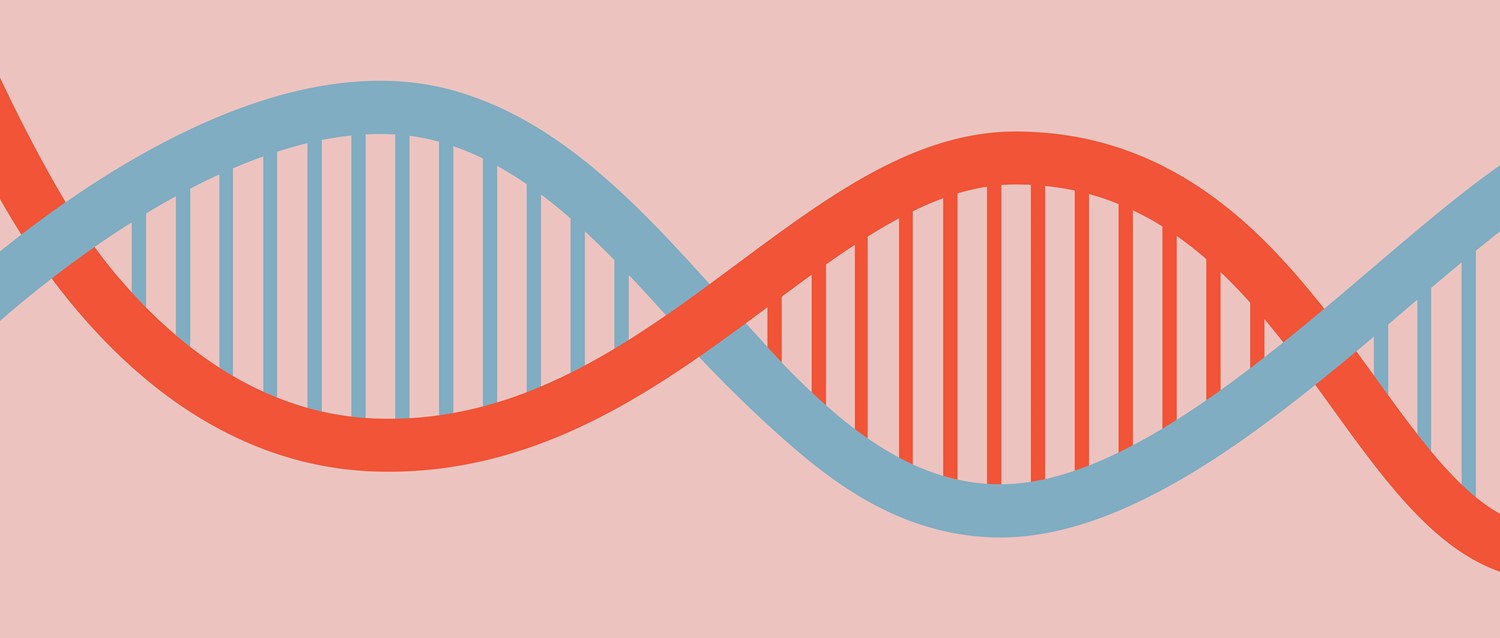
In the nucleus of each cell, the DNA molecule is packaged into thread-like structures called chromosomes. Each chromosome is made up of DNA tightly coiled many times around proteins called histones that support its structure.
Video picks for Understanding geneticsVideo library
Overview
In the nucleus of each cell, the DNA molecule is packaged into thread-like structures called chromosomes. Each chromosome is made up of DNA tightly coiled many times around proteins called histones that support its structure.
Chromosomes are not visible in the cell’s nucleus—not even under a microscope—when the cell is not dividing. However, the DNA that makes up chromosomes becomes more tightly packed during cell division and is then visible under a microscope. Most of what researchers know about chromosomes was learned by observing chromosomes during cell division.
Each chromosome has a constriction point called the centromere, which divides the chromosome into two sections, or “arms.” The short arm of the chromosome is labeled the “p arm.” The long arm of the chromosome is labeled the “q arm.” The location of the centromere on each chromosome gives the chromosome its characteristic shape, and can be used to help describe the location of specific genes.
Patient picks for Understanding genetics
Children's health
What is a genetic disorder?
It's estimated that one in 25 children in the UK are affected by a genetic disorder - that's around 30,000 babies and children being newly diagnosed each year. Ahead of Jeans for Genes Day on Friday 21st September, an expert reveals seven things you probably didn't know about genetic conditions.
by Natalie Healey
Allergies, blood and immune system
What is blood?
Blood is made up of liquid (plasma) and various different types of cells. An average-sized man has about 5-6 litres of blood in his body; a woman has slightly less. Blood has many different functions - detailed below.
by Dr Jacqueline Payne, FRCGP
Podcasts
The Big O... Oh No!
Clare and Janet discuss orgasms - and what can help if it isn’t happening for you or your partner. Also the myths surrounding female orgasm. Do you really know what the clitoris looks like?!
by Thomas Andrew Porteus, MBCS

General health and lifestyle
Ideas, Concerns and Expectations - a guide to filling in your GP’s online form
Booking a GP appointment has changed. Instead of waiting on the phone line at 8am, many people now complete an online consultation form through their practice website. At first glance, it may feel like another bureaucratic hurdle. But in fact, these forms are designed to help you, and your GP team, get to the heart of your problem more quickly. The way you fill them in makes a real difference. When you provide clear, thoughtful information, it not only helps the practice decide whether something is urgent, but also ensures you are directed to the right person in the wider primary care team. That might be your GP - but it could just as easily be a nurse, a pharmacist, a physiotherapist, or another professional who can meet your needs sooner. One of the simplest tools to guide you is known as Ideas, Concerns and Expectations, or ICE.
by Thomas Andrew Porteus, MBCS

Bones, joints and muscles
What is hypermobility syndrome?
Having supple joints with a wide range of motion allows the body to move freely, and for some people - gymnasts, athletes and dancers, for example - this can be an advantage. But being super flexible can have its drawbacks, too. When you're hypermobile, your joints move easily beyond the normal range. Over time, this can cause pain and in the very worst cases, dislocation or long-term damage to the joint. It can also be linked to a range of issues in other parts of the body.
by Allie Anderson

Cancer
What is cancer 'prehabilitation'?
A cancer diagnosis is one of the most difficult things a person can face during their lifetime. As waiting times peak across the UK, experts explain how support before - known as prehabilitation - as well as during and after treatment can help people cope with cancer.
by Ellie Broughton
Related patient information and medicines

Patient information leaflet
Chronic myeloid leukaemia
Chronic myeloid leukaemia (CML) is sometimes called chronic myelogenous leukaemia, chronic granulocytic leukaemia, or chronic myelocytic leukaemia. Chromosomes are the parts in th... In most cases of CML the abnormal cells contain a change in chromosome 22. This changed chromosome is shortened and is called the 'Philadelphia chromosome'. An.

Patient information leaflet
Acute lymphoblastic leukaemia
Cell and chromosome analysis Detailed tests are done on abnormal cells obtained from the bone marrow sample or blood test. The chromosomes within the cells are checked for ce... Chromosomes are the parts in the cell which contain DNA - the genetic makeup of the cell. (These changes in chromosomes only occur in the leukaemia cells, not the normal.

Patient information leaflet
Cri du chat syndrome
Cri du chat syndrome is a chromosome problem caused by a missing piece of chromosome 5. The syndrome is called cri du chat (French for cry of the cat) because affected babies oft... Understanding chromosomes and cell division Chromosomes are found in the centre (nucleus) of a cell. They carry genetic information in the form of genes. 'Genetic'.

Patient information leaflet
Haemophilia
Haemophilia is a rare bleeding disorder that affects your ability to make a clot. Genes and haemophilia In the centre (nucleus) of most cells in your body, the DNA molecule is packaged into thread-like structures called chromosomes. A gene is the basic unit of your genetic material. It is made up of a sequence (or piece) of DNA and sits at a.
Patient information leaflet
Acute myeloid leukaemia
Cell and chromosome analysis Detailed tests are done on abnormal blast cells obtained from the bone marrow sample or blood test. The chromosomes within the cells are checked for certain changes. Chromosomes are the parts in the cell which contain DNA - the genetic make-up of the cell. Various subtypes of AML can be diagnosed by detecting changes.

Patient information leaflet
Colour vision deficiency
The most common type - red-green colour blindness - is caused by an abnormal gene on the X chromosome and is much more common in males. ...have 46 chromosomesThe 23rd pair of chromosomes are the sex chromosomes, which match exactly in women (who have two X chromosomes) but not in men - who have one X and one Y. Each of your 46 chromosomes carries.
Further reading and references
- What is a chromosome?; MedlinePlus, National Library of Medicine.
Share your thoughts or experiences with others in our patient communities.
Simple access to trusted treatments and health services online.
Common conditions
Get help with common conditions through the NHS, without a GP appointment.





Sign up to the Patient newsletter
Your weekly dose of clear, trustworthy health advice - written to help you feel informed, confident and in control.
By subscribing you accept our Privacy Policy. You can unsubscribe at any time. We never sell your data.