What are mRNA vaccines and how do they work?
Meets Patient’s editorial guidelines
- DownloadDownload
- Share
- Language
- Discussion
- Ask Patient
- Audio Version
- Add to preferred sources on Google
Vaccines help prevent infection by preparing the body to fight foreign invaders (such as bacteria, viruses, or other pathogens). All vaccines introduce into the body a harmless piece of a particular bacteria or virus, triggering an immune response. Most vaccines contain a weakened or dead bacteria or virus. However, scientists have developed a new type of vaccine that uses a molecule called messenger RNA (mRNA) rather than part of an actual bacteria or virus. Messenger RNA is a type of RNA that is necessary for protein production. Once cells finish making a protein, they quickly break down the mRNA. mRNA from vaccines does not enter the nucleus and does not alter DNA.
Video picks for Understanding geneticsVideo library
Overview
Vaccines help prevent infection by preparing the body to fight foreign invaders (such as bacteria, viruses, or other pathogens). All vaccines introduce into the body a harmless piece of a particular bacteria or virus, triggering an immune response. Most vaccines contain a weakened or dead bacteria or virus. However, scientists have developed a new type of vaccine that uses a molecule called messenger RNA (mRNA) rather than part of an actual bacteria or virus. Messenger RNA is a type of RNA that is necessary for protein production. Once cells finish making a protein, they quickly break down the mRNA. mRNA from vaccines does not enter the nucleus and does not alter DNA.
mRNA vaccines work by introducing a piece of mRNA that corresponds to a viral protein, usually a small piece of a protein found on the virus’s outer membrane. (Individuals who get an mRNA vaccine are not exposed to the virus, nor can they become infected with the virus by the vaccine.) By using this mRNA, cells can produce the viral protein. As part of a normal immune response, the immune system recognizes that the protein is foreign and produces specialized proteins called antibodies. Antibodies help protect the body against infection by recognizing individual viruses or other pathogens, attaching to them, and marking the pathogens for destruction. Once produced, antibodies remain in the body, even after the body has rid itself of the pathogen, so that the immune system can quickly respond if exposed again. If a person is exposed to a virus after receiving mRNA vaccination for it, antibodies can quickly recognise it, attach to it, and mark it for destruction before it can cause serious illness.
Like all vaccines in the United States, mRNA vaccines require authorization or approval from the Food and Drug Administration (FDA) before they can be used. Currently vaccines for COVID-19, the disease caused by the SARS-CoV-2 coronavirus, are the only authorized or approved mRNA vaccines. These vaccines use mRNA that directs cells to produce copies of a protein on the outside of the coronavirus known as the “spike protein”. Researchers are studying how mRNA might be used to develop vaccines for additional diseases.
Patient picks for Understanding genetics
COVID-19
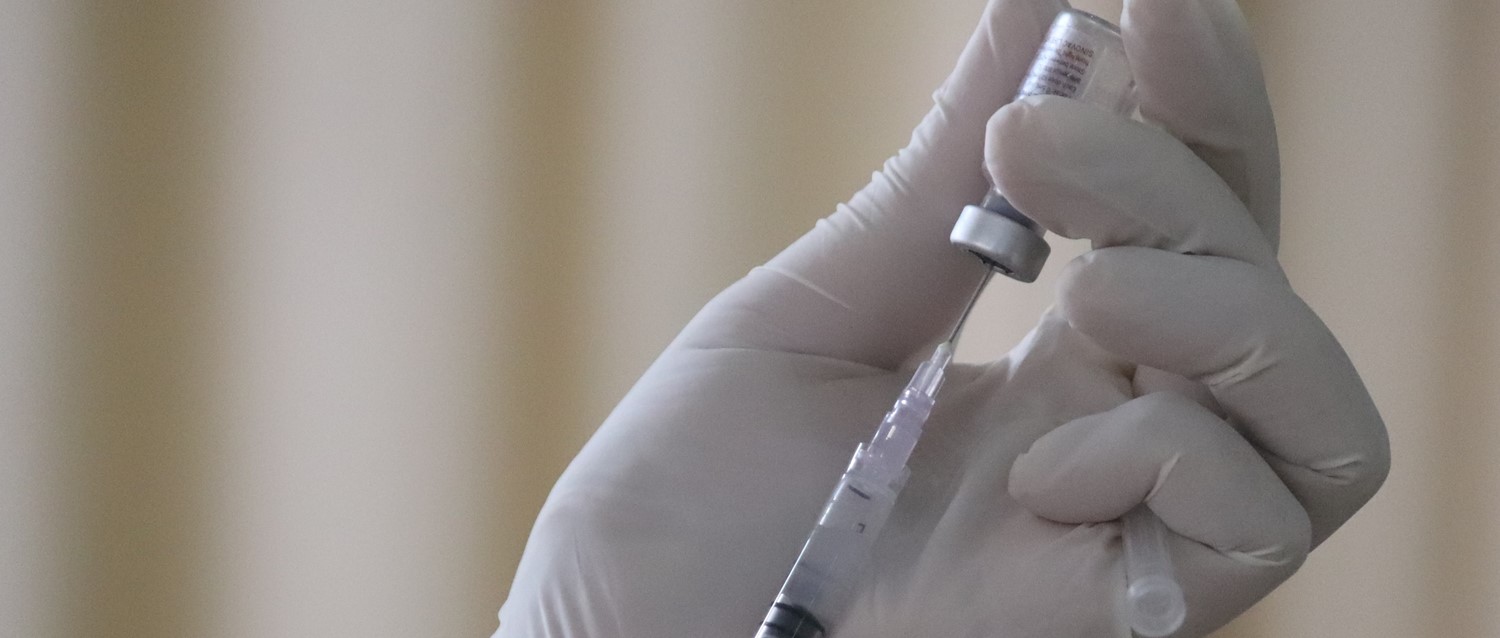
What are the benefits of mixing and matching COVID-19 booster vaccines?
With cases of COVID-19 rising in the UK, people who are eligible are being urged to get their booster vaccines. Some people may receive a different vaccine from the one they had for their previous jabs. But is this safe - and are there any advantages to mixing and matching vaccines?
by Lydia Smith
COVID-19
What COVID-19 vaccines and medications are available around the world?
Since the initial reports of pneumonia cases with no identifiable origin in December 2019 in Wuhan, China, COVID-19 has spread around the world. Nearly two years on from the start of the pandemic, however, various COVID-19 vaccines and treatments have been developed and approved for use in record time.
by Lydia Smith

COVID-19
COVID-19 antibody tests: how do they work and who can get tested?
Testing is key to bringing the UK out of the pandemic and out of lockdown. As an antibody test is finally approved by Public Health England and made available for NHS and care home staff, some NHS patients and private booking, what do you need to know about it?
by Milly Evans

General health and lifestyle
Ideas, Concerns and Expectations - a guide to filling in your GP’s online form
Booking a GP appointment has changed. Instead of waiting on the phone line at 8am, many people now complete an online consultation form through their practice website. At first glance, it may feel like another bureaucratic hurdle. But in fact, these forms are designed to help you, and your GP team, get to the heart of your problem more quickly. The way you fill them in makes a real difference. When you provide clear, thoughtful information, it not only helps the practice decide whether something is urgent, but also ensures you are directed to the right person in the wider primary care team. That might be your GP - but it could just as easily be a nurse, a pharmacist, a physiotherapist, or another professional who can meet your needs sooner. One of the simplest tools to guide you is known as Ideas, Concerns and Expectations, or ICE.
by Thomas Andrew Porteus, MBCS

Podcasts
Surviving holidays
Holidays, thanksgiving, Christmas, birthdays - those special, wonderful moments we dream of. But if you’ve ever walked away from a Christmas dinner or a family holiday wondering what on earth went wrong - this podcast is for you.
by Thomas Andrew Porteus, MBCS

Healthy living
Blue light filters: do they really work?
Most of us spend several hours looking at digital screens every day, all of which emit varying levels of blue light. There's debate about the damage and effects blue light has on our vision and health, and if blue light filters help. We investigate the science to find out.
by Lynn Stephen
Related patient information and medicines

Patient information leaflet
Immunisation for flu
Getting the flu vaccine is a safe and effective way to protect against becoming seriously ill with flu. What is the flu jab for. Some people can become seriously ill with flu, needing hospital treatment, and it can be life-threatening. Certain groups of people, such as older adults and young children, are at higher risk from flu infection. Getting.

Patient information leaflet
Myocarditis
The cause is not known but it tends to develop ... A rare side-effect of some medicines and a rare complication of various diseases. Myocarditis can be a rare side-effect of some types of Covid mRNA vaccine COVID-19 mRNA Vaccine - although the risk of getting myocarditis due to a Covid vaccine is less than the risk of getting myocarditis due to.
Patient information leaflet
Vaccines and egg allergies
Which v... There are two types of vaccine, given as part of the UK's routine immunisation programme, which may contain very small amounts of egg protein. These are: The measles Measles , mumps Mumps and rubella Rubella (MMR) vaccine MMR vaccination. Some types of influenza (flu) vaccine Immunisation for flu. Other vaccines - not required by most.
Medicine leaflet
COVID-19 mRNA Vaccine
About COVID-19 mRNA vaccine (Comirnaty®, Spikevax®) Type of medicine COVID-19 mRNA vaccine Used for Protection against infection caused by SARS-CoV-2 virus, original and Omicron variants A... The COVID-19 mRNA vaccine contains single strands of messenger RNA that encode the spike protein. They are produced in test tubes and embedded within tiny.
Patient information leaflet
Preventing infection after splenectomy
Do you really need to travel. If you do travel, make sure you are fully immunised. Also, obtain up-to-date information about protecting against the type of malaria in the country you are to visit. This will include taking tablets to prevent malaria, and using mosquito nets, insect repellents, etc. Take the antimalarial tablets exactly as advised.

Patient information leaflet
Polio and polio vaccine
Polio (poliomyelitis), is a serious illness that can be debilitating and life-threatening. There is no cure but thanks to vaccinations, the illness is rare. Polio is very rare in places with polio vaccination, because the vaccine is so effective. All children and adults should be immunised against polio. See your practice nurse if you think that.
Further reading and references
- What are mRNA vaccines and how do they work?; MedlinePlus, National Library of Medicine.
- Jain S, Venkataraman A, Wechsler ME, Peppas NA. Messenger RNA-based vaccines: Past, present, and future directions in the context of the COVID-19 pandemic. Adv Drug Deliv Rev. 2021 Oct 9;179:114000. doi: 10.1016/j.addr.2021.114000. Epub ahead of print. PMID: 34637846; PMCID: PMC8502079.
- Verbeke R, Lentacker I, De Smedt SC, Dewitte H. The dawn of mRNA vaccines: The COVID-19 case. J Control Release. 2021 May 10;333:511-520. doi: 10.1016/j.jconrel.2021.03.043. Epub 2021 Mar 30. PMID: 33798667; PMCID: PMC8008785.
- Microscopic image of SARS-CoV-2, the virus that causes COVID-19. Spike proteins are seen surrounding the outer membrane of each virus particle. Credit: NIAID
Share your thoughts or experiences with others in our patient communities.
Simple access to trusted treatments and health services online.
Common conditions
Get help with common conditions through the NHS, without a GP appointment.





Sign up to the Patient newsletter
Your weekly dose of clear, trustworthy health advice - written to help you feel informed, confident and in control.
By subscribing you accept our Privacy Policy. You can unsubscribe at any time. We never sell your data.