Bench Press
Published 26 Nov 2026Watch time: 36 sec
Meets Patient’s editorial guidelines
Watch this video
The Bench Press is an upper body exercise that primarily targets the chest, shoulders, and triceps. It involves lying on a flat bench with a barbell or dumbbells held above your chest. By lowering the weights to chest level and then pressing them back up to arm's length, you build strength and muscle in the chest, shoulders, and triceps.
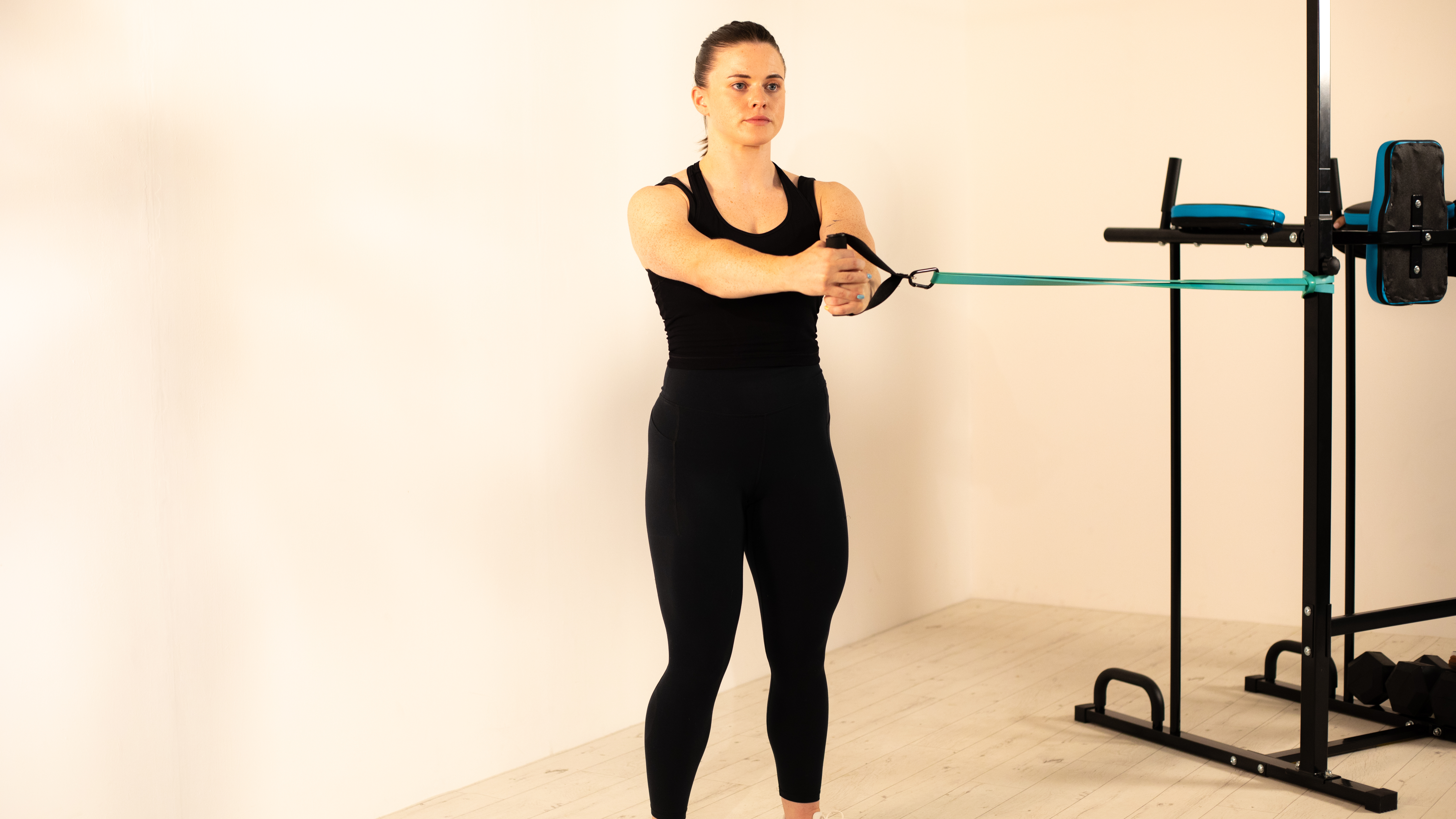
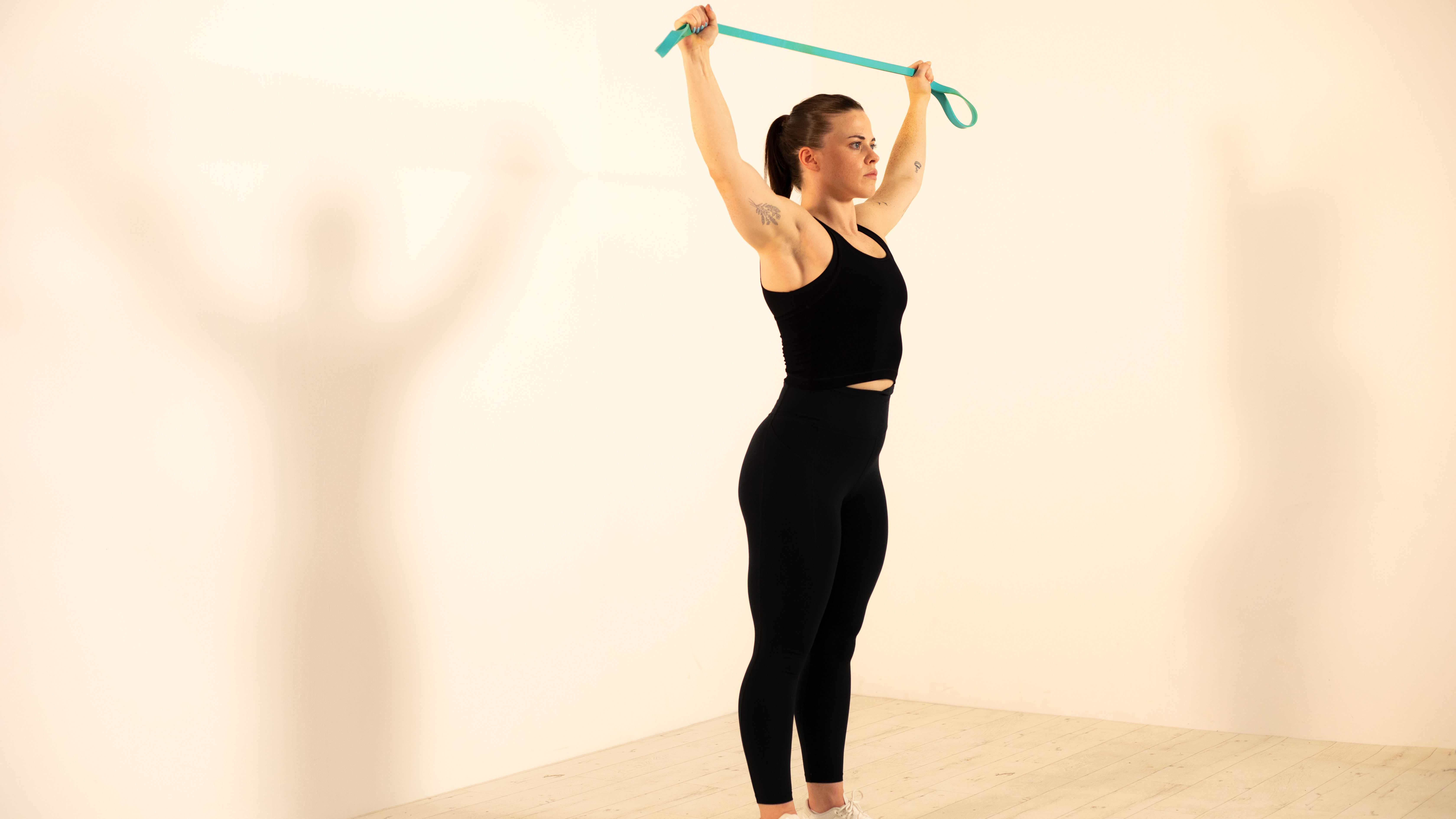
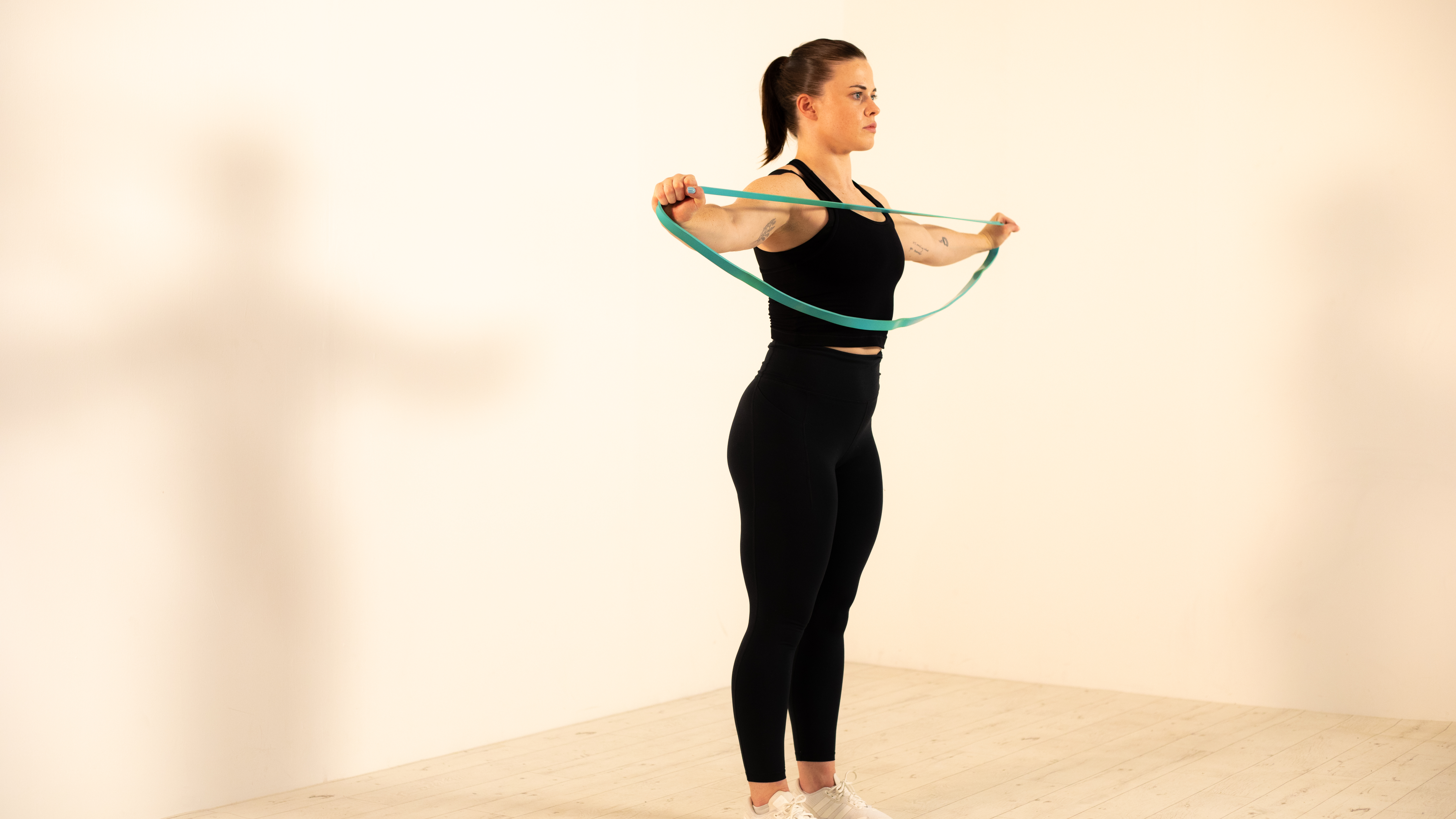
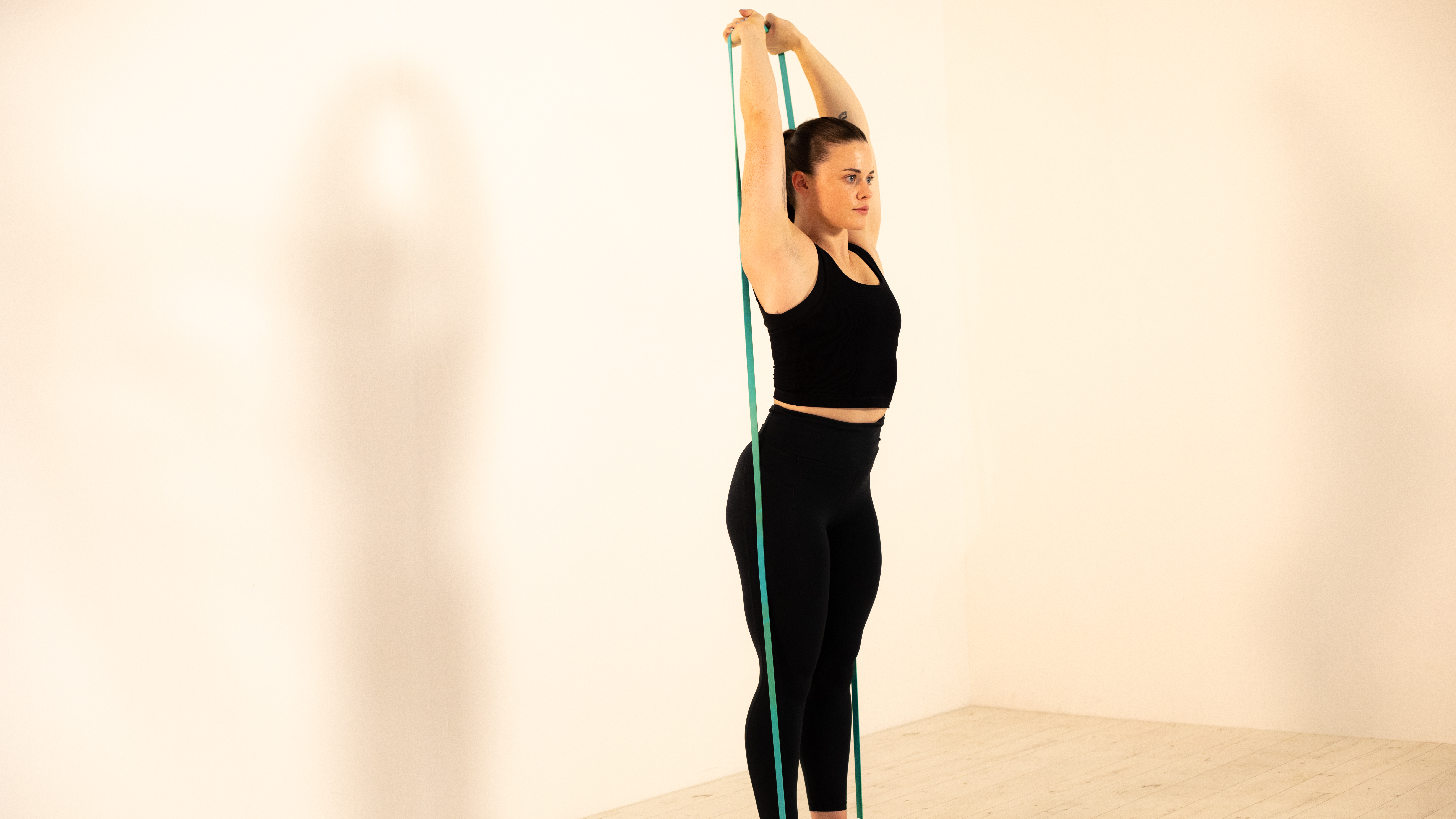
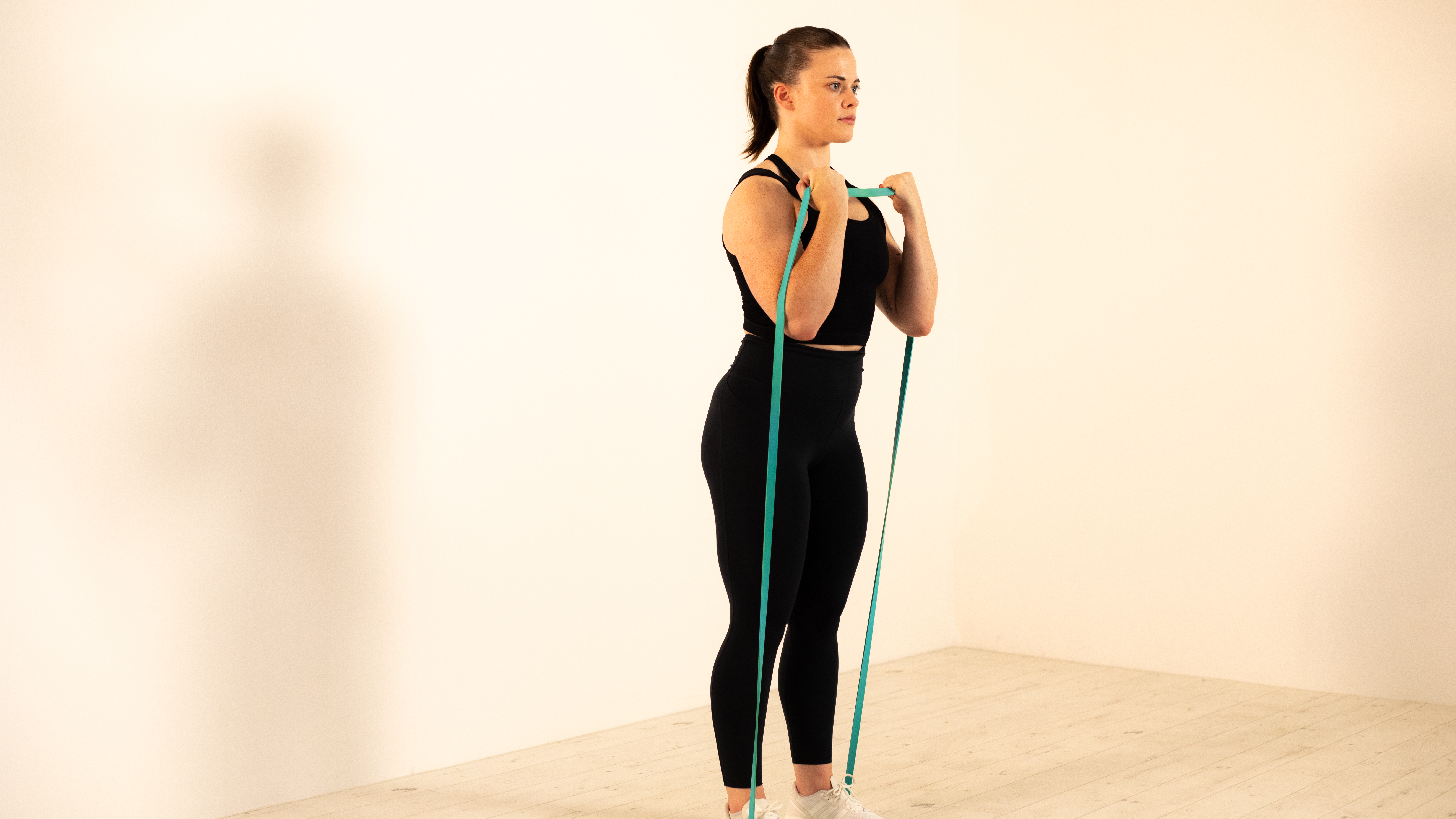
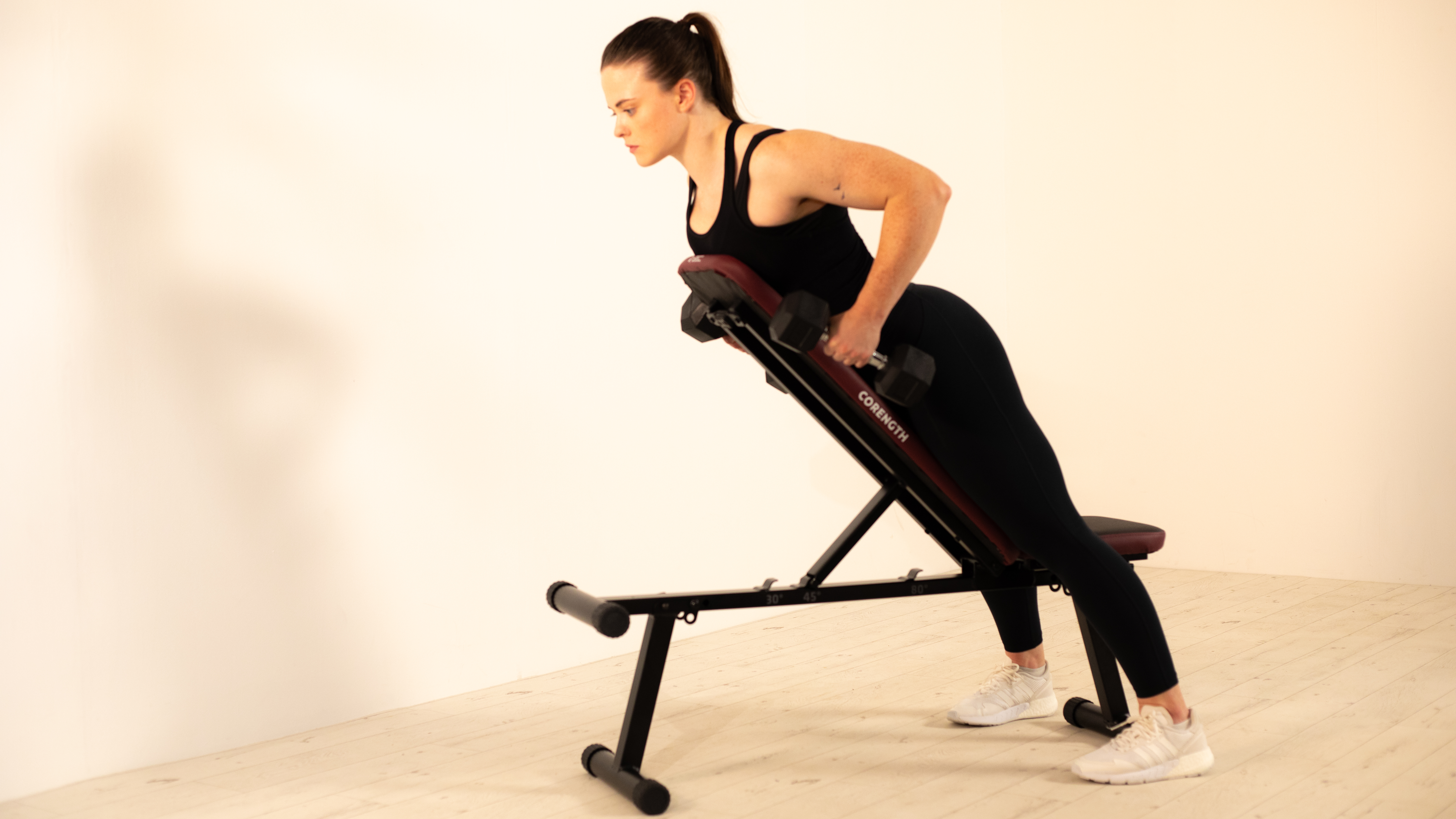
Video details
Heart health and blood vessels
What happens to your blood pressure when you're not measuring it?
Think about the last time you had your blood pressure checked. Perhaps you were sitting in your GP's surgery, waiting for the cuff to inflate. Seconds later, two numbers appeared on the screen. Those numbers provide useful information about your blood pressure at that moment. But blood pressure changes throughout the day and night. Some people even have higher readings at the GP's surgery than at home - known as white coat hypertension - while others have normal readings in the surgery but higher blood pressure elsewhere (masked hypertension).
by Hilo
Skin, nail and hair health
Pressure sores
A pressure sore is also known as a 'bed sore' or a 'pressure ulcer'. It is a sore or broken (ulcerated) area of skin caused by irritation and continuous pressure on part of your body. Pressure sores are more common over places where your bones are close to your skin (bony prominences) such as your heels, the lower part of your back and your bottom. There are various things that can increase your risk of developing a pressure sore. In particular, risk increases if your mobility is reduced for some reason and you are spending long periods lying in bed or sitting in a chair. There are various measures you can take to prevent most pressure sores developing. These include changing your position as much as possible and also using pressure-relieving devices.
by Dr Hayley Willacy, FRCGP
Heart health and blood vessels
Home and ambulatory blood pressure recording
Blood pressure recording outside of the doctor's surgery is recommended in most people who are suspected of having high blood pressure. This is because readings taken while people are going about their daily lives are more accurate than those taken in a doctor's surgery. They may also be used to give the doctor information about how well a blood pressure medicine is working. The ideal method is ambulatory blood pressure monitoring, which uses a portable recorder. If this is inconvenient or uncomfortable, readings can be taken using a traditional blood pressure machine at home.
by Dr Colin Tidy, MRCGP
Heart health and blood vessels
Low blood pressure
Low blood pressure (also called hypotension) is quite common and isn't usually a problem. However, it can cause symptoms in some people or some situations. Postural or orthostatic hypotension is low blood pressure on standing up from lying or sitting and is more common in teenagers and older people. edit
by Dr Rachel Hudson, MRCGP

Heart health and blood vessels
The best exercise if you have high blood pressure
Exercise is a great way of managing high blood pressure (hypertension). If you’re physically active, you’re likely to have a stronger heart that pumps blood with less effort, decreasing the force on your arteries. In one study, sedentary older adults who started exercising saw their systolic blood pressure drop by an average of 3.9%.
by Abi Millar
Treatment and medication
ACE inhibitors
ACE inhibitors are medicines that are used mainly in the treatment of high blood pressure (hypertension) and heart failure. They are also used in some people with diabetes, for some forms of kidney disease, and after a heart attack, to help protect the heart. They have a variety of effects on the body. Their ability to relax blood vessels is one of the most important. The side-effects most commonly associated with ACE inhibitors are usually minor. A common side-effect is a persistent dry cough.
by Dr Toni Hazell, FRCGP
Share your thoughts or experiences with others in our patient communities.