
Is it cow's milk allergy or lactose intolerance?
Peer reviewed by Dr Sarah JarvisAuthored by Dr Jennifer Kelly, MRCGPOriginally published 9 Nov 2017
Meets Patient’s editorial guidelines
- DownloadDownload
- Share
- Language
- Discussion
- Ask Patient
- Audio Version
- Add to preferred sources on Google
The supermarket chiller aisles are bursting with lactose-free and dairy milk substitutes these days. There's never been more choice for what to put on your cornflakes. But many people confuse the terms 'lactose intolerance' and 'cow's milk allergy'. So what's the difference?
Video picks for Food allergy and intoleranceVideo library
Allergy or intolerance?
An allergy is when the immune system overreacts to a particular food, in this case, cow's milk. Because the immune system is affected, it can cause a wide range of symptoms that can occur in a number of different parts of the body.
But an intolerance is different to an allergy. It simply means that the body cannot deal with something that has been eaten (in this case lactose - the sugar found in milk) in some way. Usually an intolerance only causes symptoms within the gut, such as bloating and diarrhoea.
Cow's milk protein allergy
Cow's milk protein allergy (CMPA) is the most common food allergy in children. It affects around 5% of children under three. Most grow out of the condition by the time they attend school, and 50% by the time they are a year old. A true allergy to cow's milk is quite rare in older children and adults.
If your baby or child appears to be developing symptoms after drinking cow's milk, it is far more likely that they have CMPA than lactose intolerance. Symptoms may happen rapidly in some children (immediate reactions) or can take hours or even days to develop (delayed reactions).
Immediate reactions are quite easy to identify as they develop soon after cow's milk has been consumed. If your child develops rashes, sneezing, running eyes, hives or vomiting soon after drinking cow's milk, this can suggest an allergy. Formula milk is made from cow's milk, and your baby can react to cow's milk from your breast milk if you eat or drink any dairy products while breastfeeding. This means an allergy to cow's milk can occur both in formula and breastfed babies.
Emergencies
If you or your child ever have a rapid reaction that causes lip swelling or breathing problems, this is a medical emergency and needs urgent treatment. Call 999.
Immediate allergic reactions to cow's milk, such as hives or running eyes are know as IGE mediated reactions. This type of reaction is far less common than delayed reactions to cows milk (non IgE).
Delayed (non IGE) reactions can be harder to pick up because they can take hours or even days to develop after drinking cow's milk - especially for babies, who drink milk several times a day. Symptoms to look for in your child can include skin problems (such as eczema), acid reflux, vomiting or diarrhoea.
Babies or children with CMPA may also suffer from poor weight gain or struggle to feed. They are also often described as 'fussy' babies.
Lactose intolerance
Lactose intolerance happens when your body can't break down the sugar found in milk properly. This causes mainly gut symptoms such as diarrhoea, bloating and cramps. It is actually extremely rare for a baby to be born with a lactose intolerance, although some may develop it after a vomiting or diarrhoeal illness.
Does my child have a cow's milk allergy?
If you are concerned your child is reacting to cow's milk or another food, it is important to make sure you see a doctor. In the meantime, keeping a food diary for your child if they are weaned can prove very useful.
If you are breastfeeding your baby, it is still possible for them to react to cow's milk through your milk. So if you are breastfeeding and concerned your child is having a reaction, please see your doctor to discuss things further.
Managing the condition
Once CMPA or lactose intolerance has been diagnosed, you may be offered advice on how to manage the condition. This may include tips from a dietician on alternatives to cow's milk formulas and how to avoid it in processed foods. You may also need advice on avoiding foods that contain cow's milk in your own diet if you are breastfeeding.
Cow's milk allergy
The best way to manage cow's milk protein allergy is to completely remove all dairy products from your baby or child's feed. (or your own if you are breastfeeding) .Please seek advice from a healthcare professional before making large changes to your own or your child's diet. It's worth reading the cow's milk allergy information on Allergy UK too.
Most milk substitutes from the supermarket are not suitable for children under the age of 2 years, so non-breastfed babies would need a specialist formula. These formulas can be made avaiable from your GP, and form two main groups. Hydrolysed formulas are made by breaking the protein in cow's milk protein down into smaller pieces, making it less likely to cause an allergic reaction. This is the standard treatment for infants with cow's milk allergy in the UK. For children who are more severely allergic, amino acid formulas which are broken down even further, making them less likely to cause a reaction, can be used. Soya milk formulas are not generally advised for very young children with CMPA.
Certain milk alternatives (for example, rice milk) should be avoided in older children as well (up to the age of 5 years) so please ask your doctor or dietician for guidance. There are many dairy-free alternative milks available now, including soya, coconut, and almond milks. Most of these products are available in forms that are fortified with calcium and vitamins to make them nutritionally more similar to cow's milk.
Lactose intolerance
Today, lactose-free milk and other dairy products are available in most major supermarkets. This is great for those with lactose intolerance, as there are fewer dietary restrictions than there used to be.
Currently there is a potential treatment for lactose intolerance undergoing clinical trials. The medication is called RP-G28 and could potentially reverse the condition, meaning that foods containing lactose would no longer need to be avoided by those with an intolerance. The research looks promising but far more research is needed before such a medication will be available in the pharmacy.
Patient picks for Food allergy and intolerance
Allergies, blood and immune system
Lactose intolerance
Lactose intolerance is a condition in which the body has difficulty digesting lactose. Lactose is a sugar found in milk and other dairy foods. People with lactose intolerance may get diarrhoea, stomach pains and bloating if they drink milk or eat dairy foods. Some people are born with a tendency to develop lactose intolerance; others get it as a result of gastroenteritis or chemotherapy. The treatment is mainly to avoid lactose.
by Dr Doug McKechnie, MRCGP
Allergies, blood and immune system
Cow's milk protein allergy
Cow's milk protein allergy is one of the most common food allergies seen in children. It is most commonly seen during the first year of life. Many children who have been allergic to cow's milk protein become tolerant to it by the time they are 5 years old.
by Dr Hayley Willacy, FRCGP
Allergies, blood and immune system
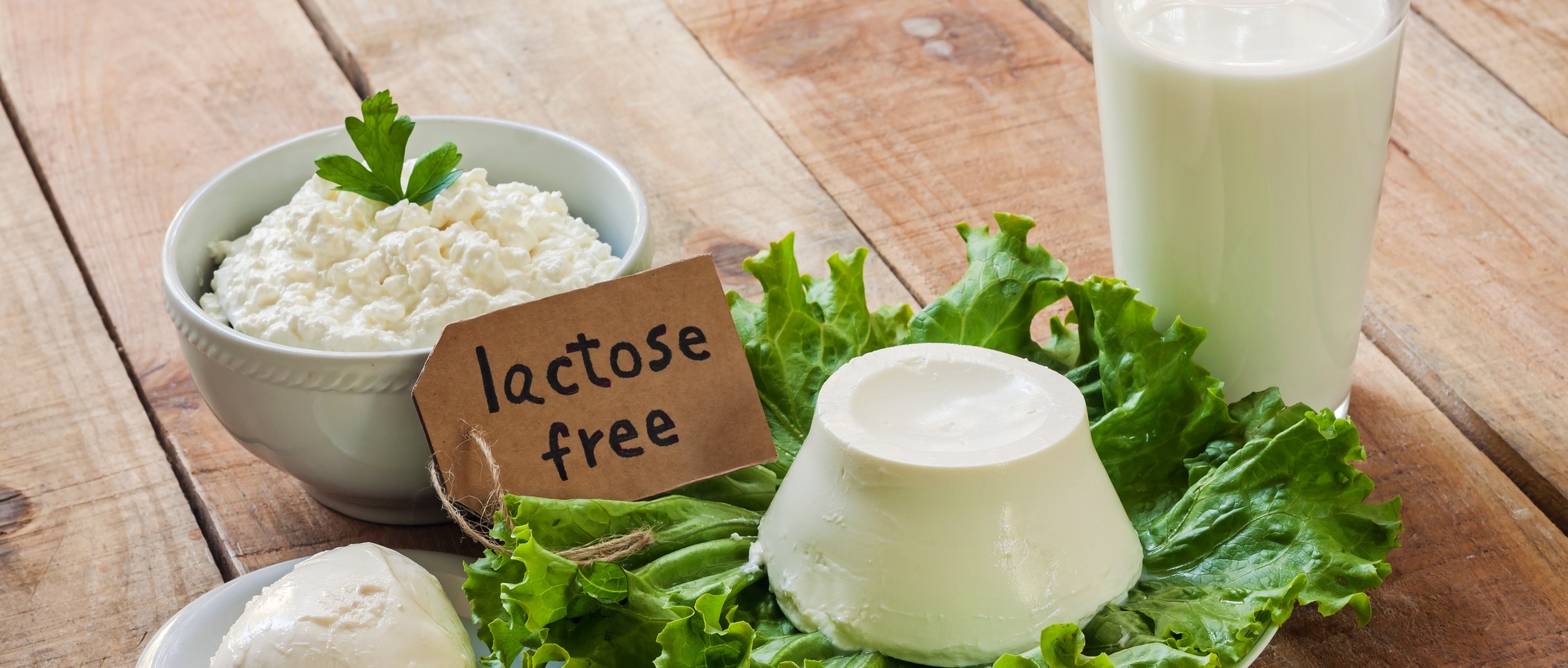
What can you eat if you're lactose intolerant?
Lactose intolerance is a condition in which there is not enough lactase in the body. Lactase is the chemical (enzyme) that breaks down (digests) 'milk sugar' (lactose) in the body. It is common in adults and it can vary in severity.
by Dr Jan Sambrook, MRCGP
Allergies, blood and immune system
What are the signs of a cow's milk allergy in babies?
Feeding and nursing a baby can be a difficult enough without the added challenge of an allergy. Cow's milk allergy (CMA), or cow's milk protein allergy (CMPA), is one of the most common food allergies in children. However, there's a lot of misinformation about allergies. So, what exactly is a cow's milk allergy and what are the symptoms in babies?
by Lawrence Higgins

Allergies, blood and immune system
Food allergy and intolerance
Food allergy and food intolerance are not the same thing. The following leaflet explores the difference between them, their causes, and how they are diagnosed and managed.
by Dr Hayley Willacy, FRCGP

Allergies, blood and immune system
What is the difference between allergy and intolerance?
Make no mistake - food allergies can be deadly, and they're on the rise. The tiniest exposure to something you have a severe allergy to can be fatal so it's important to be aware of the signs of an allergic reaction to food.
by Dr Sarah Jarvis
About the authorView full bio
Authored by

Dr Jennifer Kelly, MRCGP
General Practitioner, Medical Author
MBChB, MRCGP
Dr Jennifer Kelly is a GP and medical author for Patient.info.
About the reviewerView full bio

Dr Sarah Jarvis
Clinical Consultant
MA (Cantab), BM, BCh (Oxon), DRCOG, FRCGP, MBE
After training in medicine at Cambridge and Oxford, Dr Sarah Jarvis MBE became a GP.
Article history
Article also available in English, German, Spanish, French, Italian, Portuguese, Hindi, Hebrew, Arabic, and Swedish.
9 Nov 2017 | Originally published
Authored by:
Dr Jennifer Kelly, MRCGPPeer reviewed by
Dr Sarah Jarvis
Share your thoughts or experiences with others in our patient communities.
Sign up to the Patient newsletter
Your weekly dose of clear, trustworthy health advice - written to help you feel informed, confident and in control.
By subscribing you accept our Privacy Policy. You can unsubscribe at any time. We never sell your data.