
Is a dairy-free diet healthy?
Peer reviewed by Dr Sarah JarvisAuthored by Dr Carrie Ruxton, PhD, Child NutritionOriginally published 14 Nov 2017
Meets Patient’s editorial guidelines
- DownloadDownload
- Share
- Language
- Discussion
- Ask Patient
- Audio Version
- Add to preferred sources on Google
While increasing numbers of people are buying dairy-free products, fewer than 5% have a diagnosed allergy or intolerance. Milk and dairy foods are valuable sources of protein, calcium, B vitamins and iodine so make sure you really need to cut them out of your diet. Your doctor will be able to advise.
One issue to be considered when you decide to give up the white stuff is how to replace dairy-sourced nutrients. This article will examine alternatives for the key nutrients found in dairy foods, and offer tips for a lactose-free diet, including treats!
Video picks for DietVideo library
The lowdown on lactose
Lactose is the natural sugar found in milk and other dairy foods. In healthy people, lactose in the diet is broken down during digestion by an enzyme called lactase. But in people with lactose intolerance, the enzyme is missing, or in short supply. This causes the lactose to remain intact until it reaches the lower digestive tract where bacteria break it down. Unfortunately, this process leads to bloating, gas, diarrhoea and pain.
Lactose intolerance in inherited in a small proportion of those affected and is more common in people with South Asian heritage. However, in the majority of people with the condition, the cause can be a bout of gastroenteritis, or complications relating to bowel diseases, such as Crohn's, or due to medical treatments, such as chemotherapy. For many of these individuals, the lactose intolerance will resolve in time.
It's worth noting that lactose intolerance is different from cow's milk allergy which is due to dairy proteins. Therefore, people with cow's milk allergy need to avoid all dairy foods but people with lactose intolerance can have lactose-free dairy products, and will often tolerate yoghurt, kefir and hard cheeses.
"Cultured or fermented dairy products like yoghurt and cheese contain the least amount of lactose because the culturing process pre-digests much of the lactose," says chef Christine Bailey. “In addition, during the cheese-making process lactose is removed along with whey."
Which nutrients to watch
The main dairy nutrients which need to be replaced with other sources are protein, B vitamins, calcium and iodine.
Protein
Protein in particularly important for growing children so make sure your lactose intolerant child is offered fish, red meat, poultry, eggs, beans or pulses with each main meal. Adults generally have enough protein in the diet so don't need to make a special effort to replace dairy proteins. B vitamins are found in a range of protein-rich foods so, if you are eating a variety of these, you are probably getting enough.
Calcium
Calcium is important for bone development in children as well as maintenance of bone structure in adults. Non-dairy sources include green leafy vegetables, seeds, nuts and fortified foods/drinks.
Dietician Maeve Hanan says: "Lactose-free products are usually needed to provide enough calcium so choose fortified soya, oat, nut, or coconut-based milks, yoghurts and cheeses. You can also use milks marketed as 'lactose-free'. Ordinary hard cheeses (Cheddar, Parmesan, Emmental, Wensleydale) contain very little lactose and and can be another option."
Vitamin D
Calcium needs sufficient vitamin D to work effectively. As levels of vitamin D in the UK are too low, the government recommends a daily 10 microgram supplement in winter and spring for adults and children aged over 5 years. Groups at risk of low vitamin D status should take a year-round supplement. These include younger children, breastfed babies, pregnant and lactating women, elderly people, and those with dark skins or who cover up for religious or cultural reasons.
Iodine
Iodine is now recognised as a nutrient of concern for many people, particularly women of childbearing age and teenagers. A new study revealed that non-dairy milks made from soya, coconut, almond, rice and oats are too low in iodine, providing just two micrograms of the 150 micrograms we need daily. In contrast, a glass of cow's milk provides around 70 micrograms of iodine.
Author of the study, Dr Sarah Bath from the University of Surrey, remarks: "Iodine matters because deficiency during pregnancy affects fetal brain development and is linked to lower intelligence in children. Of course, milk is not the only way to obtain iodine. Other rich sources include eggs and seafood, particularly white fish such as cod. For people who cannot or will not eat these alternatives - such as vegans or those who dislike fish - it can be hard to meet the recommended iodine intake. Some people may need to consider an iodine supplement but avoid products based on kelp as their iodine levels can be too high."
Healthy eating options
Hanan says that she'd recommend the same varied and balanced diet for those with lactose intolerance as she would for anybody else.
"The only difference is replacing some lactose-containing foods with lactose-free alternatives. For example, a healthy snack could be a piece of fruit, a handful of nuts or seeds, wholegrain crackers or carrot sticks with hummus, a bowl of wholegrain cereal with a lactose-free fortified milk, or fruit with lactose-free yoghurt (or regular yoghurt if you are able to tolerate this)."
Bailey adds: "If you are lactose intolerant, you could still snack on hard cheese with crackers or have a pot of lactose-free yoghurt or dairy-free yoghurt with some berries. Good options for children and adults that provide calcium and magnesium for bone health include nuts and seeds, nut butters or tahini with oat cakes or lactose-free milk/fortified dairy-free milk made into a smoothie with fruit. Remember to include in your diet foods rich in vitamin D such as eggs or oily fish. Lunch options could be hard-boiled eggs in a salad, Spanish omelette, or canned mackerel mashed onto wholegrain toast."
Sweets and treats
These can be part of a healthy, balanced diet for active people within a normal body weight range. Aim for small portions and try not to eat them too often if the snacks are high in sugar.
Options for lactose intolerance may include jelly-type confectionery, boiled sweets, plain dark chocolate, sorbets, some types of biscuits, plain crisps, and cereal bars. However, it is important to check the ingredients label for milk or lactose as these may be listed in different ways - for example, whey, curds or cream. If milk is present, it will be shown in bold on the ingredients label.
Some ingredients may sound like they contain lactose when they don't, such as lactic acid, sodium lactate and cocoa butter. These ingredients don't need to be avoided if you're lactose intolerant.
Of course, baking at home is another way to create lactose-free treats. There are plenty of great recipes online.
Patient picks for Diet
Diet and nutrition
The Reducetarian diet - how to eat less meat
If you're considering cutting back on meat - whether for health, environmental, or ethical reasons - the reducetarian approach is a good way to get started. It encourages gradual, sustainable reductions in animal product consumption, allowing you to make meaningful changes at your own pace. We spoke with Olympic cycling medallist and former world record holder Switch4Good founder Dotsie Bausch about her personal journey with eating less meat, and her practical tips for reducing your own intake.
by Victoria Raw
Brain and nerves
Can diet affect your ADHD?
As more people are diagnosed with ADHD, there is growing interest in effective ways to help control its symptoms. One promising area of focus is nutrition, with emerging evidence suggesting that what you eat may play a role in managing the condition. We spoke to the experts for their take on whether your diet can impact ADHD symptoms.
by Victoria Raw
Diet and nutrition
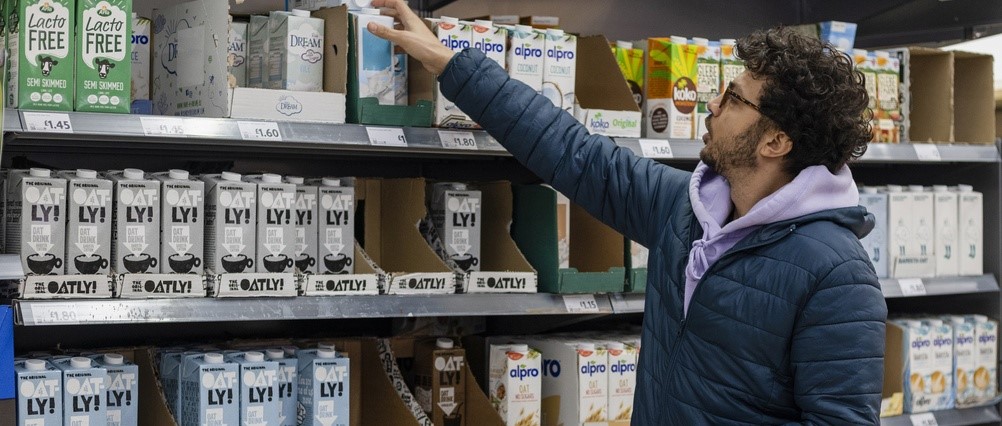
Ultra-processed foods: Are dairy-free milks like oat or soya good for us?
Sales of plant-based milks, like oat, soya, almond and coconut milk, have increased dramatically in the last few years. Around 1 in 3 British people drink dairy-free milks, turning it into a £400 million-a-year market in the UK. But with many of these drinks classed as ultra-processed, are they actually good for us?
by Lydia Smith
Diet and nutrition
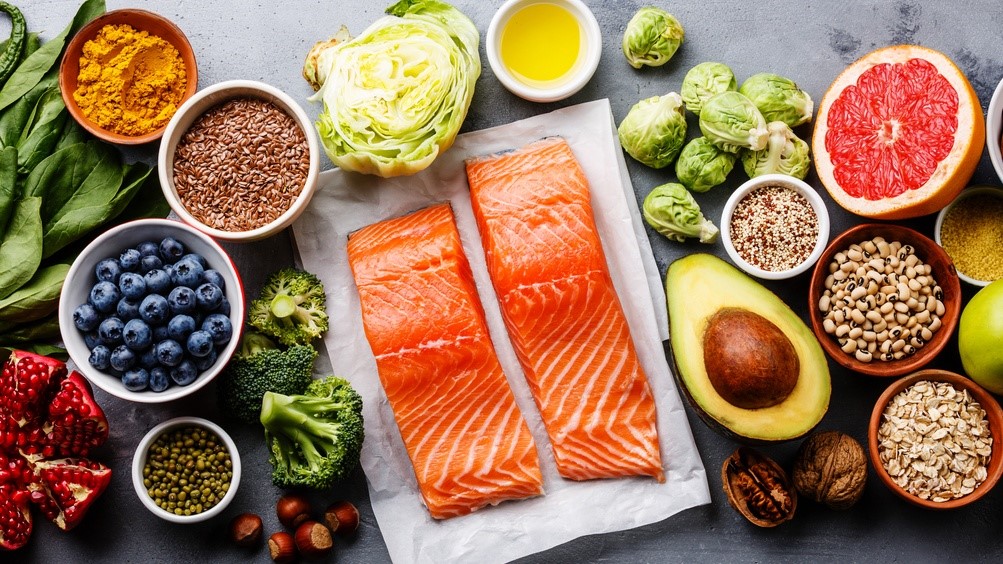
What is the TLC diet and can it improve your heart health?
If your cholesterol levels are higher than they should be, you may be more likely to have heart disease. However, there are steps you can take to lower your cholesterol and protect your health. One way is to follow the TLC diet - or Therapeutic Lifestyle Changes diet - to reduce your cholesterol. But what can you eat on the plan, and can it keep your heart healthier?
by Victoria Raw
Diet and nutrition
What is the Whole30 diet?
Many physical and mental problems are linked to what you eat. Perhaps you're struggling with a lack of energy, poor sleep, digestive issues, or low mood - how do you work out if what you're eating is to blame? The Whole30 diet is a highly restrictive, 30-day elimination diet that claims to get you these answers. Celebrities like Busy Phillips and Emmy Rossum have described the Whole30 diet as intense but worthwhile. We sift through the hype and ask if Whole30 is grounded in evidence - or if it's just another fad.
by Amberley Davis

Diet and nutrition
What is the Ornish diet and can it transform your health?
The Ornish diet is a plant-based plan, originally developed by Dr Dean Ornish as a way of preventing and reversing heart disease. It promotes a diet low in fat, and high in fibre, alongside significant lifestyle changes. It encourages you to reduce your intake of sugar and processed foods, while incorporating regular exercise, and managing stress.
by Victoria Raw
About the authorView full bio
Authored by

Dr Carrie Ruxton, PhD, Child Nutrition
Dietitian and Health Writer
PhD, Child Nutrition
Dr Carrie Ruxton qualified as a Dietitian at Queen Margaret University, Edinburgh, before gaining a PhD in Child Nutrition.
About the reviewerView full bio

Dr Sarah Jarvis
Clinical Consultant
MA (Cantab), BM, BCh (Oxon), DRCOG, FRCGP, MBE
After training in medicine at Cambridge and Oxford, Dr Sarah Jarvis MBE became a GP.
Article history
Article also available in English, German, Spanish, French, Italian, Portuguese, Hindi, Hebrew, Arabic, and Swedish.
14 Nov 2017 | Originally published
Authored by:
Dr Carrie Ruxton, PhD, Child NutritionPeer reviewed by
Dr Sarah Jarvis
Share your thoughts or experiences with others in our patient communities.
Sign up to the Patient newsletter
Your weekly dose of clear, trustworthy health advice - written to help you feel informed, confident and in control.
By subscribing you accept our Privacy Policy. You can unsubscribe at any time. We never sell your data.