How to deal with a fear of judgement whilst exercising
Peer reviewed by Dr Sarah JarvisAuthored by Lydia SmithOriginally published 2 Sept 2020
Meets Patient’s editorial guidelines
- DownloadDownload
- Share
- Language
- Discussion
- Audio Version
- Add to preferred sources on Google
Life under lockdown has taken its toll on many of us. The lack of routine, exercising less, comfort eating and the stress of living through a global pandemic have affected us both mentally and physically. Exercise can help us feel better, but this can be easier said than done if you're feeling self-conscious. So what can you do if you're worried about being judged?
According to a King's College London and Ipsos MORI survey of 2,254 people, 48% said they put on weight during lockdown - and the same percentage reported feeling more anxious or depressed than usual.
Very few people stride into a gym or set off for a run feeling confident every single time. You may worry about being unfit or looking silly in front of other people - and it can be daunting to join a new class with people you don't know. Even wearing an old pair of leggings or lycra sports clothes can make you feel awkward and uncomfortable.
Why do we feel judged?
"A fear of being judged can lower our self-esteem and affect how we feel about ourselves. We can feel that others are evaluating our weight," says Dr Rhonda Cohen, a registered sport and exercise psychologist and member of the British Psychological Society.
"We may feel that others are judging our lack of fitness or even our old sports clothes and this can make us feel unsure about ourselves and question our behaviour," she adds. "It can also prevent us from adhering to an exercise programme as we lose our confidence in being able to present ourselves in front of others."
John-Paul Davies, a psychotherapist and spokesperson for the UK Council for Psychotherapy, says it's normal to focus on our imagined flaws when around other people.
"With gyms combining lots of unknown strangers with a primary focus on your external appearance, you can see why your fear can really push forward in them," he explains. "Fear is meant to be uncomfortable to make sure you do something about it. It usually wants you to avoid whatever it sees as causing the discomfort.
"Even if you manage to override the discomfort and get to the gym, it can make your experience so uncomfortable you're unlikely to want to repeat it."
Doing exercise isn't just about improving your physical health and trying to shift any pounds gained during lockdown, but it's essential for your mental health too. It releases brain chemicals such as endorphins, which help to relieve discomfort and boost our mood. So how can you ignore any worries and enjoy being active with confidence?
Find a class you love
For Rae Radford, 58, finding something you love doing - rather than forcing yourself to an abs class that you hate - is key when it comes to overcoming worries about exercising.
"Does anybody actually walk into a gym on the first day thinking they look great? My guess is probably not," she says. "I have had stages in my life where I have been super fit, fit, somewhere in the middle and fat. I bounce into the gym when I'm super fit, but the other times I'm always aware of others judging me.
"Unfortunately, I have rather large knockers and running, jumping or doing jacks isn't ever going to be graceful. But I have found spin classes and I love to spin, proving that there is something out there for everyone."
Think about what you're afraid of
It's also helpful to build up your confidence little by little. "You can try to notice and then manage the particular fear-based thoughts and behaviours that exercise triggers," Davies says.
"Try to be aware of what your fear part is telling you and know that it most often distorts your perception of yourself and others. It'll always amplify, even imagine, 'flaws' in you and assume other people are much more critical and concerned about you than they really are."
Think about what is scaring you and whether it's a legitimate fear. If you're worried about people watching you exercise, the likelihood is that they're far too busy doing their own routines to focus on you. Very few people will notice what you are doing or wearing. And remember, everyone looks sweaty and dishevelled when exercising - especially if they are working hard.
Set achievable goals
It also helps to set yourself small goals and aims, such as trying out a new class or doing a home workout. If you hate gyms, there are plenty of online exercise videos you can do in the comfort of your home.
"Setting and achieving exercise goals also gives you a sense of achievement and competency in life and resulting changes to your physical shape can increase self-esteem and confidence," says Davies.
Look after yourself
To feel more confident in general, you need to learn how to relax and enjoy yourself - even when things are stressful. "Most of us though will feel more balanced after mindfulness and meditation, a walk in nature and spending time outdoors," says Davies.
Getting enough sleep, good nutrition, drinking plenty of water and spending time with people we love are also key. Reading, dancing and listening to music and, particularly, being physically active all help too.
"All of these will turn down your fear part and put more energy into the part of you that's about connection with self and others - the place of confidence," he adds.
"When your fear is turned down generally in life, you'll be more likely to be able to enjoy the gym. Rather than forcing yourself to do that now if it makes you too anxious, try to focus on all the other ways there are to improve your well-being and build more of them into your daily routine."
Patient picks for Exercise and physical activity
Healthy living
How to run a 10k with no experience
At the beginning of the year, I was clinging on to my New Year's resolution of getting in shape and somehow signed myself up for a 10 kilometre race around Kew Gardens in London. What could go wrong? For one, I had no experience and no idea where to start. Luckily, I sought advice from some experts. Pairing this with my own training experience, here are a few tips to see you through your first 10k.
by Georgia Gallant
Healthy living
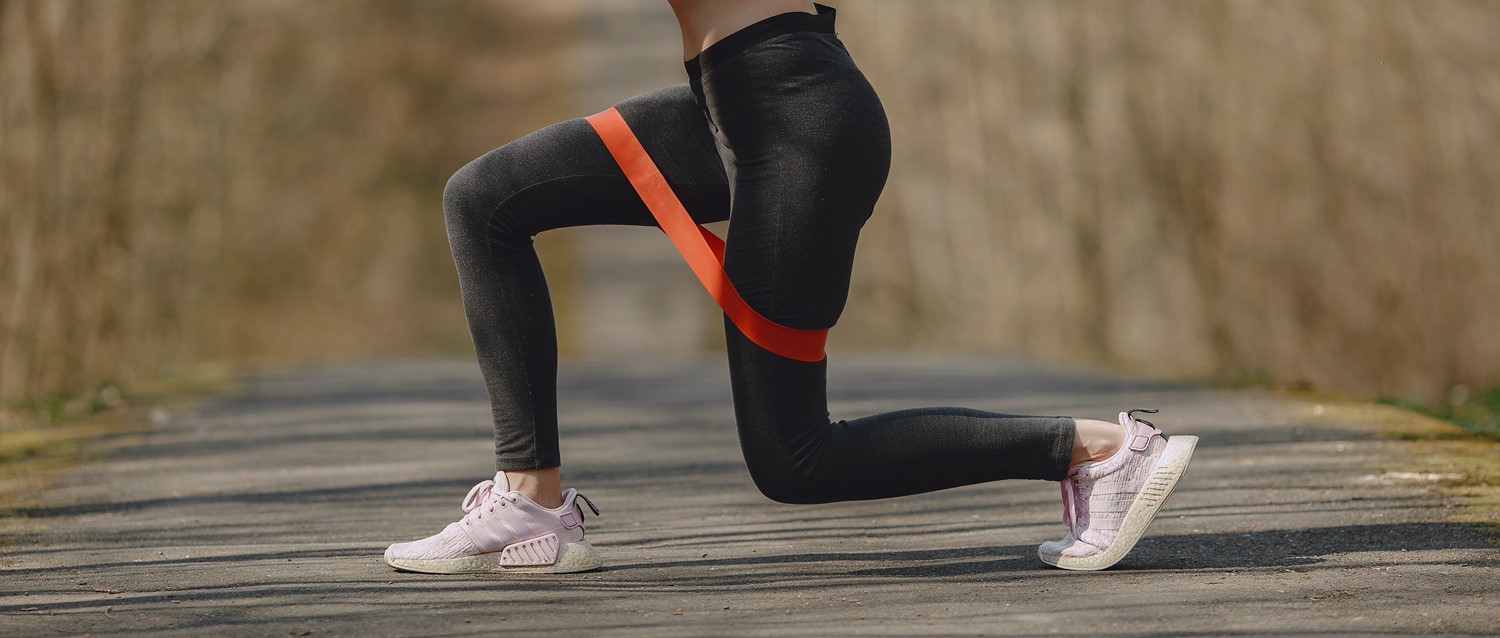
What are the best resistance band exercises for legs?
Resistance band exercises for legs are a great way to target and tone the large muscle groups in your legs while burning fat. Supported by a healthy diet, a routine resistance band leg workout could lead to more powerful, tighter leg muscles that are more defined in appearance.
by Amberley Davis
About the authorView full bio

Lydia Smith
Feature writer
BA, MA, MSc
Lydia Smith is an award-winning journalist and feature writer who has written extensively on women's health and mental health. She is currently studying for an MSc in psychology.
About the reviewerView full bio

Dr Sarah Jarvis
Clinical Consultant
MA (Cantab), BM, BCh (Oxon), DRCOG, FRCGP, MBE
After training in medicine at Cambridge and Oxford, Dr Sarah Jarvis MBE became a GP.
Article history
Article also available in English, German, Spanish, French, Italian, Portuguese, Hindi, Hebrew, Arabic, and Swedish.
2 Sept 2020 | Originally published
Authored by:
Lydia SmithPeer reviewed by
Dr Sarah Jarvis
Join the conversation
Share your thoughts or experiences with others in our patient communities.

Ask, share, connect.
Browse discussions, ask questions, and share experiences across hundreds of health topics.

Feeling unwell?
Assess your symptoms online for free
Sign up to the Patient newsletter
Your weekly dose of clear, trustworthy health advice - written to help you feel informed, confident and in control.
By subscribing you accept our Privacy Policy. You can unsubscribe at any time. We never sell your data.
More in healthy living
- Building healthy boundaries for a fresh start to the new year
- Can the clocks changing affect insomnia?
- Deep resting squat - can this simple posture unlock flexibility, mobility, and longevity?
- Grounding mats: can they boost your wellbeing?
- UpdatedHeartburn at night: how to improve sleep quality with heartburn
- Helping your child cope with stress and worry over Christmas
- Honey may be the natural buzz you need to fuel your workouts
- How to create healthy drinking habits that last beyond Dry January
- How to fall asleep fast: 5 simple methods for speedy sleep
- Is Pilates good for weight loss?
- Movember spotlight: black men's mental health
- Should you take regular breaks from drinking alcohol throughout the year?
- What are the dangers of drinking in hot weather?
- What your dreams can reveal about your health
- When to take a mental health day at work - and how to talk to your boss
- Why do we need sleep?
- Why does drinking alcohol affect your sleep?
- Why losing weight can cause hair loss - and what to do about it
- Why we should be making mental health New Year resolutions