
Why spending time outdoors can improve your health
Peer reviewed by Dr Krishna Vakharia, MRCGPLast updated by Victoria RawLast updated 3 Dec 2024
Meets Patient’s editorial guidelines
- DownloadDownload
- Share
- Language
- Discussion
- Ask Patient
- Audio Version
- Add to preferred sources on Google
Being outdoors has been shown to lower stress, blood pressure and heart rate, while boosting mood and improving mental health. And whether you're walking, running or pottering in the garden, being outside is increasingly being prescribed by health professionals to enhance people's wellbeing.
Video picks for Exercise and physical activityVideo library
If you've ever felt better after going for a walk, you'll know that spending time outside - especially in green spaces - is one of the fastest ways to upgrade your health and happiness.
Lee Chambers, a wellbeing consultant says that spending time outdoors is a full sensory experience, which anchors us in the present moment. It helps us to feel connected, grounded and a part of something much bigger than ourselves.
"You get the benefits of sunlight, honouring our circadian rhythm and stimulating serotonin secretion," he explains. "Being outdoors, you are likely to be moving, which has the ability to elevate your mood. You are also likely to be interacting with a natural environment and not bombarded with stimulation, which can lower your cortisol levels and give you pleasant biophilic patterns and colours to focus on."
Why is being outdoors so good for us?
Physical exercise is known to release brain chemicals such as endorphins, which help to relieve discomfort and boost your mood. However, research shows that simply being in a green space and reconnecting with nature can do wonders for your health.
A study found that a one-hour walk in nature reduces stress more than walking for an hour in a city. Research by King's College London found that exposure to trees, the sky and birdsong helps our psychological health. And it doesn't take long to reap the benefits of the great outdoors either - as little as 10 minutes in a natural setting can help us feel happier and lessen the effects of both physical and mental stress.
In fact, being outdoors is so good for us that the ancient Japanese tradition of 'forest bathing' has become increasingly popular in the West in recent years. Known in Japan as shinrin yoku, this simple method of being calm and quiet amongst the trees, observing nature around you and breathing deeply can help us to de-stress in a natural way.
There is also growing evidence that gardening is particularly therapeutic as it combines physical activity with exposure to sunlight and nature.
Green Gym
Many people turn to 'Green Gyms' to pass the time and switch off. Green Gyms are free outdoor sessions run by the UK organisation The Conservation Volunteers, where people are guided in practical conservation activities like planting trees, sowing meadows and establishing wildlife ponds.
Green Gym activities can curb social isolation and give volunteers a sense of achievement and purpose - while allowing you to give back to your communities.
A moment of calm
Sally Brown, a BACP-registered therapist says: "Anecdotally, most of us would say being outside just makes us feel calmer, and we know that reduced stress has a significant impact on wellbeing. Other theories point to the release of specific phytoncides by trees - airborne chemicals that plants emit - which when breathed in have a similar effect to aromatherapy on the body, boosting the immune system.
"There might also be a mindfulness effect - perhaps we're more likely to pay attention to our surroundings when we are somewhere green and pleasant which takes our focus away from our thinking and worries for a while."
Psychotherapist Alivia Rose says that even the act of moving indoors to outdoors - and experiencing fresh air - can be symbolic to us.
"Being outside allows you to step away from your worries and concerns when you see the wider world," she explains. "It helps you move out of your inner emotional and over-thinking mental life, connecting you more with your body.
"It helps you change your perspective and sense of well-being, in the realisation that there is a bigger world out here - bigger than your inner more difficult world. It helps shift your introspection."
How to spend more time outdoors
Not everyone has access to their own private garden to enjoy, but there are plenty of other ways to spend more time outside.
Try gardening
Gardening is good for you for many reasons. Firstly, gardening is a deeply mindful activity that requires you to focus and be in the moment, allowing you to let go of worries and stress. Cultivating plants is also a creative outlet that provides satisfaction too. Watching a seed grow into a flower or a plant bearing vegetables is satisfying and rewarding - whether in your own back garden or community garden, or getting your hands dirty filling up some window boxes.
Brown says: "According to the biophilia hypothesis, humans have naturally evolved to spend time in green spaces so we function best close to nature. Gardening means we're very physically close to nature. It's perhaps the ultimate grounding activity. It also feels like a safe space to be outside - especially if you're on your own - taking away any anxiety about who you might meet, what you need to wear or how you look."
If you don't have your own garden, consider joining the estimated 300,000 allotment holders across the UK. While interest and waiting lists have grown - especially since the pandemic - rent is inexpensive and they're available with fairly short waits in some parts of the country. And of course you have the added advantage of joining a like-minded group of enthusiasts who often contribute to a real community spirit.
Join a 'green gym'
Green Gyms are a great way to meet other people and learn more about wildlife conservation. Although there is an emphasis on health and fitness, the sessions are suitable for all abilities.
Chambers explains that Green Gyms are a structured way to garner the well-being benefits of being outdoors, giving us a platform to increase our confidence by learning new skills.
"Taking part is a form of exercise and activity that offers the benefits of movement in parallel with the impact of being in a natural environment, he says. "They are also fulfilling, as we give something back to nature, we connect with others taking part, and we become enveloped in the task we are carrying out."
Go walking
Walking in a green park is a great way to exercise and gain the benefits of being outdoors. Search for routes nearby that take you through green spaces, flowers and trees and try to stay in the moment as you wander. Even a short walk in your lunch break can be enough to boost your mood.
Join a community gardening club
With many people living in rented accommodation where outdoor space can be a rarity, organisations like Social Farms & Gardens allow people to track down local horticulture groups.
Community gardening groups and Green Gyms are an increasing option for doctors to socially prescribe to patients - and for good reason. Living close to nature and spending time outside have significant and wide-ranging health benefits, reducing your chance of developing type 2 diabetes, heart disease, premature death, stress, and high blood pressure. Some research even suggests that green space is associated with a lower likelihood of developing psychiatric disorders.
Brown says: "Many volunteer groups are doing similar projects across the country, and nature prescriptions continue to gain traction as a great way to achieve a range of wellbeing benefits while making a difference to our local area.
"Whether you find your own or go through your doctor, just getting started will be a great way to get socially connected and outdoors."
Patient picks for Exercise and physical activity
Mental health
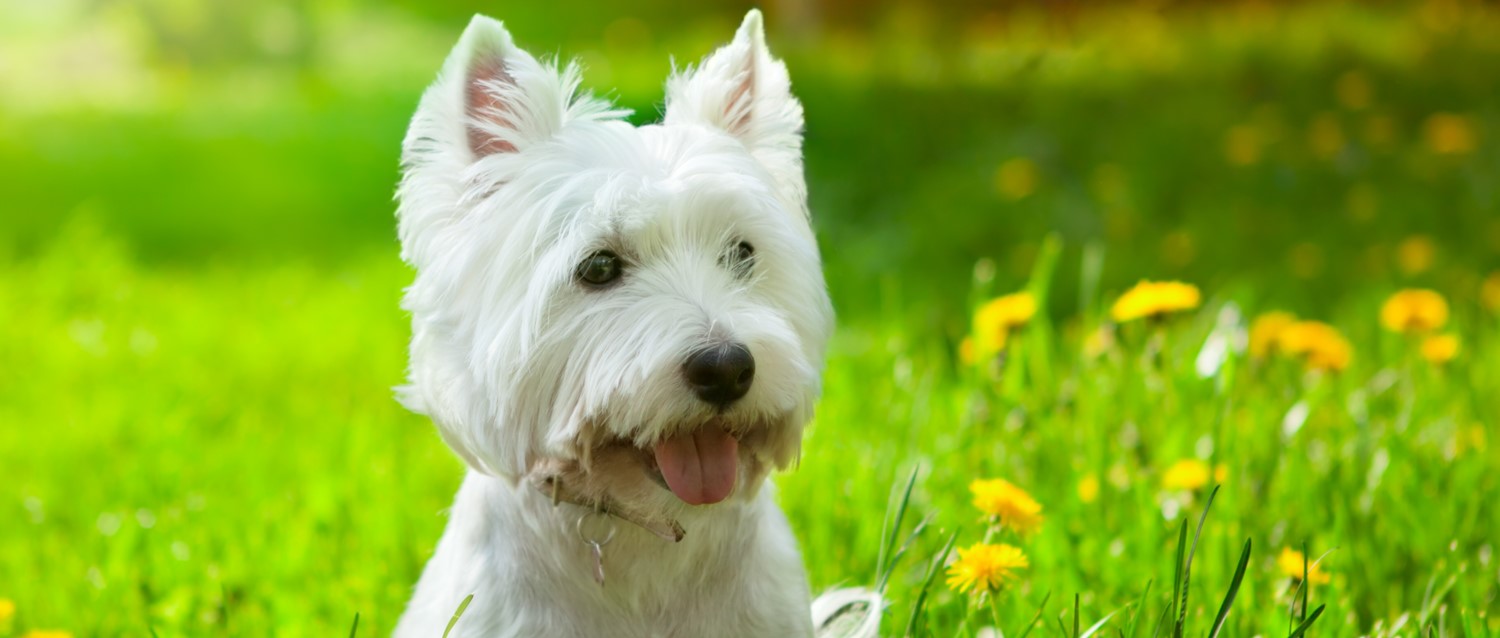
Why walking your dog can boost your mental health
Dogs love daily walks because they get to sniff, exercise and spend quality time with their owners - and if they’re lucky, chase a tennis ball too. The good news is that owners also receive the benefits of these walks, as spending time in nature, exercising and getting fresh air can work wonders for our mental health.
by Lydia Smith

Mental health
Can spending time in nature benefit your mental health?
It's been suggested that spending more time in nature could be an effective form of stress management and even help more severe mental health problems. But what's the evidence behind this theory? And how does 'ecotherapy' compare to more conventional treatments?
by Ellie Broughton

Hormones
Why getting outdoors can support you through menopause
Getting outdoors, breathing in fresh air, moving around, and enjoying nature is a great way to boost your wellbeing. It can also help ease the symptoms of menopause. Read on to see why it helps and what you can do to make the most of it.
by Lawrence Higgins

Mental health
What is forest bathing and can it improve your health?
Life can feel pretty busy and overwhelming. We spend so much time looking down at our phone screens, that our minds, and our necks, have little opportunity to rest. This is where forest bathing can help - a gentle practice of slowing down and immersing yourself in nature, which can also support your mental and physical wellbeing. We spoke to a clinical therapist to demystify what forest bathing is, and how you can get involved.
by Hannah Boynton-Forshaw

Heart health and blood vessels
What happens to your blood pressure when you're not measuring it?
Think about the last time you had your blood pressure checked. Perhaps you were sitting in your GP's surgery, waiting for the cuff to inflate. Seconds later, two numbers appeared on the screen. Those numbers provide useful information about your blood pressure at that moment. But blood pressure changes throughout the day and night. Some people even have higher readings at the GP's surgery than at home - known as white coat hypertension - while others have normal readings in the surgery but higher blood pressure elsewhere (masked hypertension).
by Hilo
Diet and nutrition
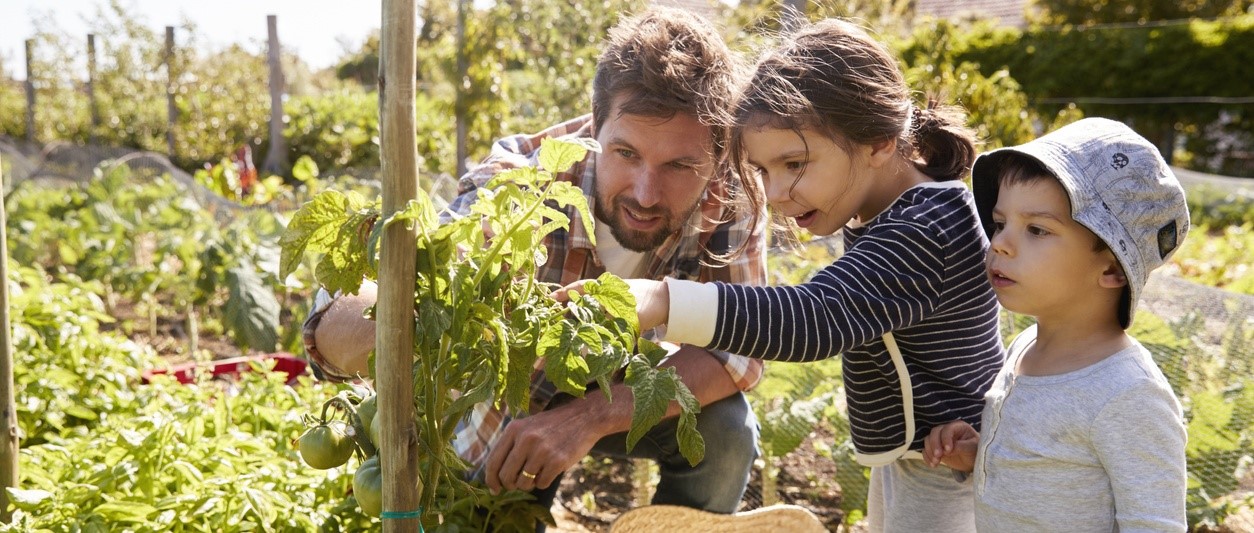
Why grow your own food for your health?
For the average UK family, the quality and prices of shop-bought food can make it difficult to follow a healthy diet. If you can grow your own veg, fruit, and herbs - even in modest amounts - you can support your physical and mental health.
by Amberley Davis
About the authorView full bio
Updated by

Victoria Raw
Feature Writer
BA (Hons), English Literature
Victoria is a content writer at Patient, with special interests spanning mental wellbeing, societal trends, and the impact of technology on our health.
Throughout her career, Victoria has partnered with a range of charities such as Ovarian Cancer Action, Scleroderma and Raynaud's UK, St John Ambulance, Andy's Man Club, the RSPCA, and Barnardo's. Her work has seen her interview a variety of well-known personalities - among them actress Gaynor Faye, Sky Sports presenter Adam Smith, and comedian Alex Mitchell, exploring their experiences and stories.
Authored by

Lydia Smith
Feature writer
BA, MA, MSc
Lydia Smith is an award-winning journalist and feature writer who has written extensively on women's health and mental health. She is currently studying for an MSc in psychology.
About the reviewerView full bio

Dr Krishna Vakharia, MRCGP
Chief Medical Officer for Health, Optum UK
MBChB, MRCGP(2013), BMedSci (hons), DFSRH, DRCOG, PGDipDerm (Distn)
Dr Krishna Vakharia is an NHS GP. She is also a regular examiner for the postgraduate Diploma in Practical Dermatology at Cardiff University as well as being the Chief Medical Officer for health at Optum UK.
Article history
Article also available in English, German, Spanish, French, Italian, Portuguese, Hindi, Hebrew, Arabic, and Swedish.
Next review due: 3 Dec 2027
3 Dec 2024 | Latest version
12 Apr 2021 | Originally published
Authored by:
Lydia Smith
Share your thoughts or experiences with others in our patient communities.
Sign up to the Patient newsletter
Your weekly dose of clear, trustworthy health advice - written to help you feel informed, confident and in control.
By subscribing you accept our Privacy Policy. You can unsubscribe at any time. We never sell your data.