
Could your face mask be causing your acne?
Peer reviewed by Dr Sarah JarvisAuthored by Andrea DowneyOriginally published 8 Nov 2020
Meets Patient’s editorial guidelines
- DownloadDownload
- Share
- Language
- Discussion
- Ask Patient
- Audio Version
- Add to preferred sources on Google
Have you noticed you're breaking out more often than usual and in areas where your face mask sits? You're not alone. 'Maskne' is one of the unexpected consequences of the coronavirus pandemic. So why do we get it, and how can we get rid of it?
Explore acne treatment options
Get expert healthcare advice from the comfort of home. Complete a quick online consultation, available 24/7, with your request reviewed by a UK-registered clinician. Next day delivery available on eligible treatments.

Video picks for AcneVideo library
Many people are experiencing redness, spots and a worsening of acne symptoms due to wearing a face mask or covering - a condition dubbed 'maskne'.
While you're wearing your face mask to do your bit to protect others from the risk of COVID-19, breakouts can still be painful and distressing.
Dr Thivi Maruthappu, consultant dermatologist and spokesperson for the British Skin Foundation explains 'maskne' and how you can treat it.
Spot of bother
Face masks can actually cause a variety of skin problems, the most common being mask acne, Dr Maruthappu says.
"Masks create a warm and humid environment underneath them which traps moisture and sebum," she explains.
"This can aggravate pre-existing acne or cause new breakouts by clogging pores. These pores become inflamed leading to the classical red tender acne lesion. Maskne typically occurs around the mouth and nose area but can also affect the jawline."
The cause of maskne is no different to the cause of any other acne. Acne is caused by excess oil on the skin combined with a blockage in the pores.
Excess oil production combined with blockage of hair follicles/sebaceous glands, or oil glands, and overgrowth of the bacterium propionibacterium acne causes spots, Dr Maruthappu explains.
"It can be exacerbated by stress, hormonal factors and medications."
Masks can also cause irritation in tight areas, such as across the nose, dry skin and redness.
"This can be worse if you have underlying skin conditions such as eczema or rosacea. In such cases it is important to use a rich barrier moisturiser before wearing your mask," Dr Maruthappu adds.
Banish breakouts
Now you know what causes maskne, how can you banish those breakouts?
Luckily, there are easy steps you can take to help prevent spots and treat existing ones.
Looking after your skin
"If you are developing acne due to face masks, it's important to cleanse your skin carefully twice a day and, in particular, after you take your mask off when you get home," Dr Maruthappu says.
"Use non-comedogenic products which should reduce the likelihood of pores getting blocked. In addition, avoid wearing makeup or oil-containing products under your mask as this can exacerbate acne."
Face washes, make-up, moisturisers and other cosmetic products should say if they are non-comedogenic on their packaging. Non-comedogenic essentially means the product is not likely to cause pore blockages, or comedones to use the technical term.
But it's also important not to over cleanse as this can cause dry skin. The skin's natural reaction to drying out is to create more oil which, you guessed it, can make acne worse.
Over-the-counter treatments
There is also a range of over-the-counter acne treatments you can find in your local pharmacy to help treat spots, Dr Maruthappu says.
"Ingredients to look for in acne-fighting products are salicylic acid, benzyl peroxide and niacinamide, which can be used morning and night," she explains.
"Avoid oil-containing ingredients which can frequently exacerbate acne."
Switch it up
You may find switching to a mask that is more breathable helpful in managing breakouts.
Materials that create excess humidity and warmth underneath them are likely to make spots worse.
"Masks made of natural fibres are often better but need to be washed on a regular basis to remove built-up oil, dead skin cells and bacteria," suggests Dr Maruthappu.
Unfortunately, not wearing a mask is not an option.
In England it is compulsory to wear a face covering or mask when on public transport; in shops and supermarkets; in pubs, bars and restaurants except when seated; in theatres, museums and other entertainment venues; in banks and post offices; and in places of worship. The rules vary in Scotland, Wales and Northern Ireland.
Fines of up to £200 have been introduced for people not wearing a mask where expected to, which doubles upon the next offence.
There are exceptions to the rule including children under 11; people who cannot wear a mask due to disability or mental health reasons; people with asthma; if you are speaking to someone who relies on lip reading; and in situations where a mask may cause distress.
Patient picks for Acne
Skin, nail and hair health
How to get rid of acne scars: your ultimate guide
It may be one of the most common skin complaints, but the physical and mental scars that acne leaves behind can be a great source of stress. Fortunately, there's a wide range of treatment options to suit various acne scar types and severities.
by Amberley Davis
Skin, nail and hair health
Is there a link between diet and acne?
You don't have to look very far online to find someone proffering a miracle 'acne diet' or 'hormone-balancing' dietary supplement that will supposedly clear up your skin for good. But what does the evidence really say?
by Sarah Graham
Children's health
Erythema toxicum neonatorum
Erythema toxicum neonatorum (ETN) is a common skin rash affecting healthy newborn babies. It is not serious, does not cause the baby any harm and clears up without any treatment. It is sometimes known as erythema toxicum, baby acne or toxic erythema of the newborn.
by Dr Hayley Willacy, FRCGP

Skin, nail and hair health
How to tell the difference between acne and other skin problems
How many times have you woken up, looked in the mirror and thought: “What invaded my face overnight?”. In a desperate attempt to erase any signs of the annoying red spots, you immediately reach for the fast-acting acne treatment and start rubbing away, only to be disappointed when that strange-looking pimple or rash is still staring back at you the next day.
by Sara Lindberg
Healthy living
How modern life affects your weight - beyond diet and exercise
If our bodies are designed to regulate our weight, why are more people living with obesity than ever before? Our genes haven't changed significantly over recent decades, but our environment, lifestyles, and individual biology all influence how our bodies regulate hunger, burn energy, and store fat. Understanding these factors can help explain why managing weight is more difficult for some people than others, even when they're trying to make healthier choices.
by Dr Caroline Butler
COVID-19
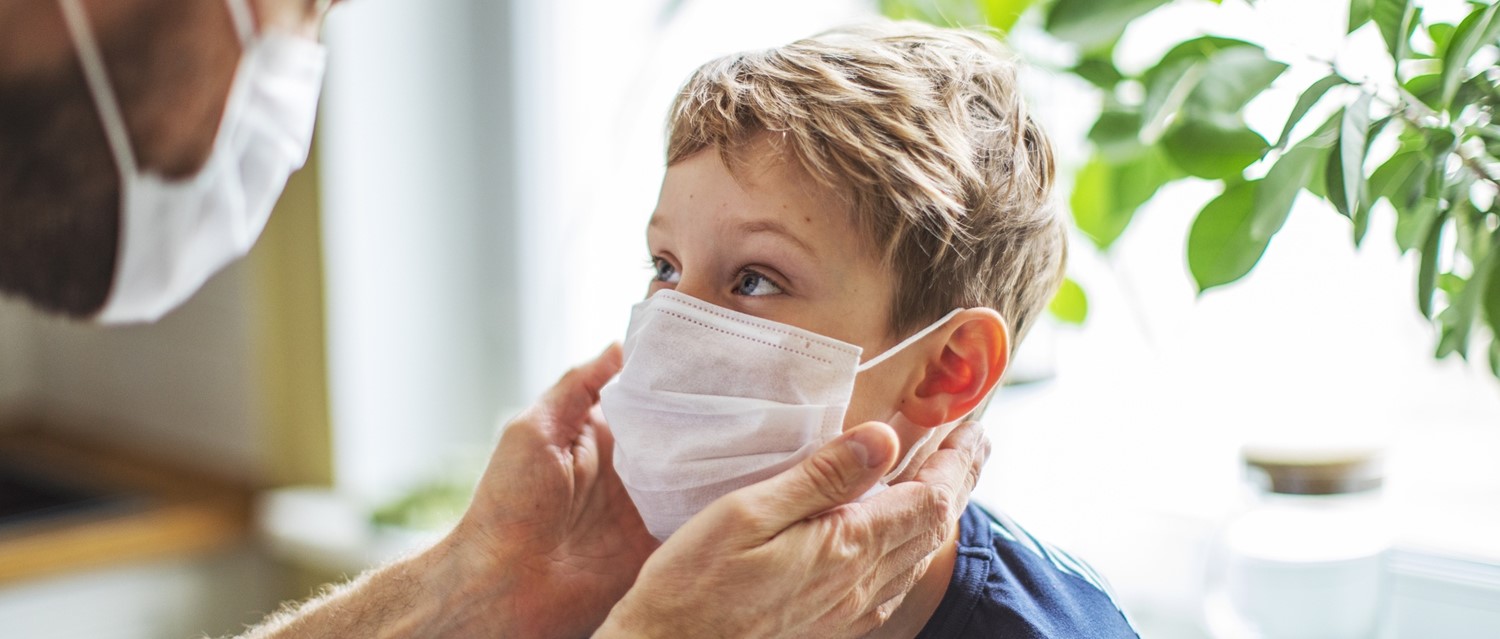
Tips to help your kids get used to face masks and coverings
As many schools now insist pupils over 11 wear masks in certain situations, lots of our children will be donning a face covering for the first time. But how should masks be worn? And how can we help our children to use them effectively?
by Gillian Harvey
About the author
Authored by

Andrea Downey
About the reviewerView full bio

Dr Sarah Jarvis
Clinical Consultant
MA (Cantab), BM, BCh (Oxon), DRCOG, FRCGP, MBE
After training in medicine at Cambridge and Oxford, Dr Sarah Jarvis MBE became a GP.
Share your thoughts or experiences with others in our patient communities.
Sign up to the Patient newsletter
Your weekly dose of clear, trustworthy health advice - written to help you feel informed, confident and in control.
By subscribing you accept our Privacy Policy. You can unsubscribe at any time. We never sell your data.