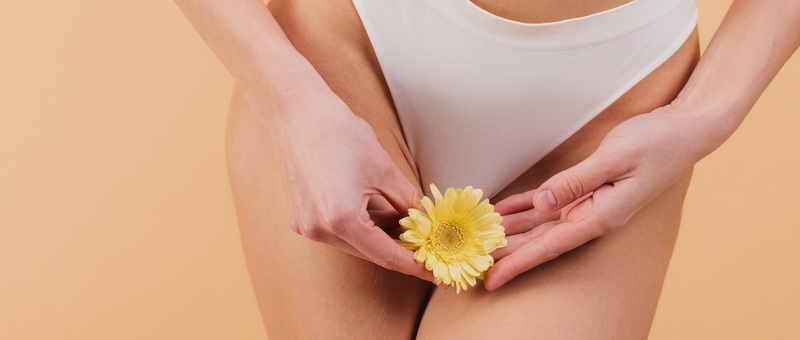
What is vulvar dermatitis?
Peer reviewed by Dr Colin Tidy, MRCGPLast updated by Victoria RawLast updated 2 Jul 2025
Meets Patient’s editorial guidelines
- DownloadDownload
- Share
- Language
- Discussion
- Ask Patient
- Audio Version
- Add to preferred sources on Google
Vulvar dermatitis affects the skin around your vagina. Treating it depends on the underlying cause. We asked a dermatologist to help us understand why you might get vulvar dermatitis, and how it can be treated.
Explore treatments for dermatitis
Get expert healthcare advice from the comfort of home. Complete a quick online consultation, available 24/7, with your request reviewed by a UK-registered clinician. Next day delivery available on eligible treatments.

Video picks for Vaginal and vulval healthVideo library
Vulvar dermatitis is a skin condition that causes itching, irritation, and inflammation of the outside area surrounding your vagina (vulva) - including your clitoris and labia. Your vagina and anus are inside your body so are not part of the vulval area.
What are the symptoms of vulvar dermatitis?
Common signs of vulvar dermatitis include dry skin, itching, burning, and the appearance of a red rash.
Other symptoms of vulvar dermatitis include:
Sore skin that feels like it's stinging.
Skin that is thicker in the affected area.
Areas of skin that appear red or darker.
Skin that feels wet and is leaking fluid.
Pain in your vulva area during sex, when inserting a tampon, or during a medical internal pelvic exam.
Dr Sophie Momen, Consultant Dermatologist, Cadogan Clinic, London says that vulvar dermatitis can impact your quality of life, causing discomfort and sometimes embarrassment if affecting intimate relationships.
"The British Association of Dermatologists (BAD) and the National Eczema Society (NES) have excellent informative resources, including local and national support groups," she says. "However, it's important to have any symptoms assessed by a healthcare professional.
"Any rash or lump and bump that does not go away - either on its own or after a course of prescribed treatment - may suggest a more serious underlying condition."
What causes vulvar dermatitis?
Vulvar dermatitis may be caused by vulvar eczema (atopic dermatitis) or contact dermatitis.
Momen explains that if your vulvar dermatitis is caused by vulvar eczema, you may have a history of eczema in other areas of your body.
"You might also have had other atopic diseases, such as hay fever, allergies and rhinitis - a condition where your nose becomes inflamed by something you're allergic to," she explains. "If it is due to an allergy, then you may not have had eczema previously."
According to Momen, vulval skin is sensitive and can be irritated easily by certain irritants, allergens and products.
These include:
Cosmetics and toiletries - for example, soaps, shampoos, perfumes, deodorants.
Toilet wipes.
Panty liners.
Synthetic material - for example, nylon.
Lubricants.
Food preservatives.
Nickel.
Pee.
Poo.
How is vulvar dermatitis treated?
Treating vulvar dermatitis depends on the underlying cause.
Momen explains that for cases where vulvar eczema is the cause, then your doctor may prescribe an emollient and a steroid ointment.
She adds that it's important to receive an accurate diagnosis so your doctor can rule out other causes of vulva rashes - such as psoriasis, lichen planus or lichen sclerosus.
"They will need to take a full detailed history and examination," says Momen. "You will be asked about conditions that run in your family, your lifestyle and how you care for your skin in this area."
In some cases, you may be referred to a specialist, as patch testing could be required to rule out an allergic component. A sample of your skin (biopsy) may also be needed to confirm the diagnosis.
If your vulvar dermatitis is due to an allergy, then avoiding the allergen will hopefully ease your symptoms.
Momen says that treating the affected area will involve avoiding any substances that you are allergic to, or that may irritate the skin.
How to treat the area:
Wash once a day with lukewarm (not too hot) water.
Avoid using soaps for washing.
Wear cotton underwear and loose-fitting clothing.
Do not use feminine hygiene products and douching.
Emollients and steroid ointments, and soap substitutes may also be prescribed by your doctor.
How can vulvar dermatitis be prevented?
Completely preventing flare-ups of vulvar dermatitis can be challenging. However, if your condition is triggered by an allergy, following the recommended lifestyle changes and avoiding known allergens or irritants can significantly lower your chance of developing - or redeveloping - it.
Momen concludes by saying that the skin around your vagina should be looked after with care. Your vaginal skin is very sensitive and can be irritated easily.
"Washing your vaginal area once a day is enough," she says. "It's better to keep things simple and to wash with water and a soap substitute - such as epaderm ointment. Avoid any soaps, cosmetics, wipes, perfumes, deodorants or hygiene products in this delicate genital area."
Patient picks for Vaginal and vulval health

Women's health
Understanding vaginal cysts
Noticing a cyst in and around your vagina can be worrying and unexpected. However, they are very common and usually nothing to worry about. Here we explain what these cysts are, and the possible causes of having one.
by Victoria Raw

Women's health
Vulval problems
There are many different conditions that can affect your vulva, ranging from mild infections to skin conditions and, very rarely, to cancer. They can all cause very different symptoms, including itching, bleeding, rashes or a lump. It is very important that if you notice any new symptoms or lumps in your genital area then you see a doctor promptly. Your doctor will be able to examine you and decide which treatment will be appropriate to you. This will depend on the underlying cause of your symptoms.
by Dr Rachel Hudson, MRCGP

Health and wellness video library
Vaginal and vulvar videos
Our vaginal and vulvar video hub provides easy-to-follow information on common vulvovaginal concerns such as infections, itching, dryness, discharge, pain, and more.
by Victoria Raw

General health and lifestyle
Ideas, Concerns and Expectations - a guide to filling in your GP’s online form
Booking a GP appointment has changed. Instead of waiting on the phone line at 8am, many people now complete an online consultation form through their practice website. At first glance, it may feel like another bureaucratic hurdle. But in fact, these forms are designed to help you, and your GP team, get to the heart of your problem more quickly. The way you fill them in makes a real difference. When you provide clear, thoughtful information, it not only helps the practice decide whether something is urgent, but also ensures you are directed to the right person in the wider primary care team. That might be your GP - but it could just as easily be a nurse, a pharmacist, a physiotherapist, or another professional who can meet your needs sooner. One of the simplest tools to guide you is known as Ideas, Concerns and Expectations, or ICE.
by Thomas Andrew Porteus, MBCS

Podcasts
The Big O... Oh No!
Clare and Janet discuss orgasms - and what can help if it isn’t happening for you or your partner. Also the myths surrounding female orgasm. Do you really know what the clitoris looks like?!
by Thomas Andrew Porteus, MBCS
General health and lifestyle
What is weather change sickness?
If you've ever felt under the weather when the seasons change - or when temperatures have significantly soared or plummeted - then you're not alone. Weather change sickness describes the effects of dramatic changes in weather on our physical health. While these changes alone can't directly make us ill, they are linked to several factors that can make us feel run-down at different points of the year.
by Lynn Stephen
About the authorView full bio
Updated by

Victoria Raw
Feature Writer
BA (Hons), English Literature
Victoria is a content writer at Patient, with special interests spanning mental wellbeing, societal trends, and the impact of technology on our health.
Throughout her career, Victoria has partnered with a range of charities such as Ovarian Cancer Action, Scleroderma and Raynaud's UK, St John Ambulance, Andy's Man Club, the RSPCA, and Barnardo's. Her work has seen her interview a variety of well-known personalities - among them actress Gaynor Faye, Sky Sports presenter Adam Smith, and comedian Alex Mitchell, exploring their experiences and stories.
Authored by
Victoria Raw
Feature Writer
BA (Hons), English Literature
Victoria is a content writer at Patient, with special interests spanning mental wellbeing, societal trends, and the impact of technology on our health.
Throughout her career, Victoria has partnered with a range of charities such as Ovarian Cancer Action, Scleroderma and Raynaud's UK, St John Ambulance, Andy's Man Club, the RSPCA, and Barnardo's. Her work has seen her interview a variety of well-known personalities - among them actress Gaynor Faye, Sky Sports presenter Adam Smith, and comedian Alex Mitchell, exploring their experiences and stories.
About the reviewerView full bio

Dr Colin Tidy, MRCGP
General Practitioner, Medical Author
MBBS, MRCGP, MRCP (Paediatrics), DCH
Dr Colin Tidy is an NHS Doctor, based in Oxfordshire.
Article history
Article also available in English, German, Spanish, French, Italian, Portuguese, Hindi, Hebrew, Arabic, and Swedish.
Next review due: 3 Jul 2028
2 Jul 2025 | Latest version
12 Nov 2024 | Originally published
Authored by:
Victoria Raw
Share your thoughts or experiences with others in our patient communities.
Sign up to the Patient newsletter
Your weekly dose of clear, trustworthy health advice - written to help you feel informed, confident and in control.
By subscribing you accept our Privacy Policy. You can unsubscribe at any time. We never sell your data.