Combined malonic and methylmalonic aciduria
Last updated 26 Jul 2023
Meets Patient’s editorial guidelines
- DownloadDownload
- Share
- Language
- Discussion
- Ask Patient
- Audio Version
- Add to preferred sources on Google
Combined malonic and methylmalonic aciduria (CMAMMA) is a condition characterised by high levels of certain chemicals, known as malonic acid and methylmalonic acid, in the body. A distinguishing feature of this condition is higher levels of methylmalonic acid than malonic acid in the urine, although both are elevated.
Video picks for Genetic conditionsVideo library
Description
Combined malonic and methylmalonic aciduria (CMAMMA) is a condition characterised by high levels of certain chemicals, known as malonic acid and methylmalonic acid, in the body. A distinguishing feature of this condition is higher levels of methylmalonic acid than malonic acid in the urine, although both are elevated.
The signs and symptoms of CMAMMA can begin in childhood. In some children, the buildup of acids causes the blood to become too acidic (ketoacidosis), which can damage the body's tissues and organs. Other signs and symptoms may include involuntary muscle tensing (dystonia), weak muscle tone (hypotonia), developmental delay, an inability to grow and gain weight at the expected rate (failure to thrive), low blood glucose (hypoglycemia), and coma. Some affected children have an unusually small head size (microcephaly).
Other people with CMAMMA do not develop signs and symptoms until adulthood. These individuals usually have neurological problems, such as seizures, loss of memory, a decline in thinking ability, or psychiatric diseases.
Inheritance patterns
The source lists the following possible inheritance patterns: Autosomal recessive. More than one pattern can apply in different cases.
Related genes
Other names
CMAMMA
Patient picks for Genetic conditions

Treatment and medication
Check your medicines for interactions
Use this medicine and drug interaction checker to see whether your medicines, supplements, vitamins, foods, or certain health conditions may interact with each other. It can help you understand potential risks, avoid unwanted side effects, and decide when it’s important to speak to a pharmacist, GP, or other healthcare professional. The tool is suitable for checking both prescription and over-the-counter medicines, as well as common supplements and herbal remedies. Open in a new window

Allergies, blood and immune system
Sjögren's syndrome
Sjögren's syndrome is an autoimmune disease that causes the glands that produce tears and saliva to stop working. It is a life-long condition but treatments can help control symptoms such as dry eyes and dry mouth.
by Dr Doug McKechnie, MRCGP

Pregnancy
Multiple pregnancy
In a multiple pregnancy, there is more than one baby growing in the womb (uterus) at the same time. Being pregnant with twins is the most common example. Both mother and babies need extra monitoring during pregnancy as the risks are higher than in a singleton pregnancy.
by Dr Toni Hazell, FRCGP

Pregnancy
Cervical insufficiency and suture
Cervical insufficiency (sometimes called cervical incompetence) occurs when the neck of the womb (the cervix) softens, shortens and opens without any other symptoms of labour. This may be in the second trimester or early in the third, leading to premature delivery of the baby. Cervical suture - also called cervical cerclage or cervical stitch - is a stitch placed in/around the cervix. This is to try to prevent late miscarriage or premature birth in women who are felt to be at high risk of cervical insufficiency.
by Dr Hayley Willacy, FRCGP
Cancer
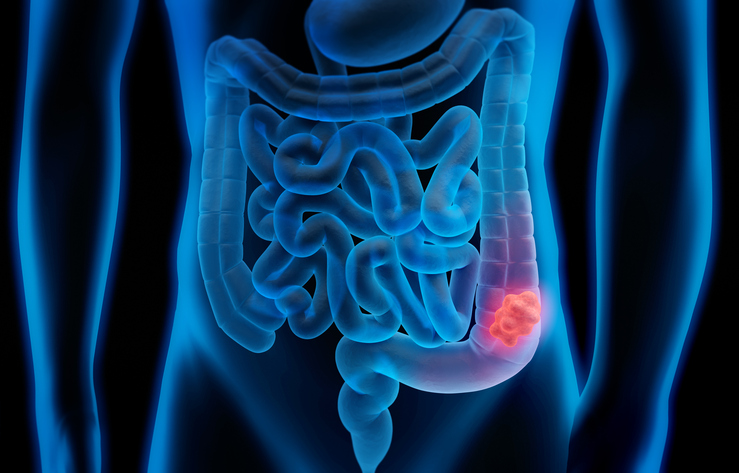
Bowel cancer
Colon cancer and rectal cancer (also called colorectal cancer) are common in the UK. The colon and rectum are parts of your bowel. Most cases occur in people aged over 50. If bowel cancer is diagnosed at an early stage, there is a good chance of a cure. In general, the more advanced the cancer (the more it has grown and spread), the less chance that treatment will be curative. However, treatment can often slow the progress of the cancer.
by Dr Doug McKechnie, MRCGP

Tests and investigations
CT scan
Note: the information below is a general guide only. The arrangements, and the way tests are performed, may vary between different hospitals. Always follow the instructions given by your doctor or local hospital.
by Dr Rachel Hudson, MRCGP
Related patient information and medicines
Patient information leaflet
Check your medicines for interactions
Use this medicine and drug interaction checker to see whether your medicines, supplements, vitamins, foods, or certain health conditions may interact with each other. It can help you understand potential risks, avoid unwanted side effects, and decide when it’s important to speak to a pharmacist, GP, or other healthcare professional. The tool is.
Patient information leaflet
Sjögren's syndrome
Sjögren's syndrome is an autoimmune disease that causes the glands that produce tears and saliva to stop working. It is a life-long condition but treatments can help control symptoms such as dry eyes and dry mouth. Key points Sjögren’s syndrome is an autoimmune condition where the immune system attacks glands that produce moisture, mainly the tear.

Patient information leaflet
Newborn bloodspot test
Mothers of all newborn babies are offered testing for certain rare but serious health conditions by testing blood taken from the baby's heel. This is the blood spot screening programme and it is also known as the heel prick test. How is ... Also, a sudden and severe drop in blood sugar levels can occur. All four devolved nations of the United.
Patient information leaflet
Multiple pregnancy
Screening for Down’s syndrome, Edwards’ syndrome and Patau’s syndrome: NIPT; NHSE Oct 2023 NHSE Screening for Down’s syndrome, Edwards’ syndrome and Patau’s syndrome: NIPT The specialist team in multiple pregnancy You will usually be in the hands of a team of specialists, made up of the ultrasonographer, your midwife and a doctor who specialises.
Patient information leaflet
Cervical insufficiency and suture
Cervical insufficiency (sometimes called cervical incompetence) occurs when the neck of the womb (the cervix) softens, shortens and opens without any other symptoms of labour. This may be in the second trimester or early in the third, leading to premature delivery of the baby. This is to try to prevent late miscarriage or premature birth in women.
Patient information leaflet
Bowel cancer
Colon cancer and rectal cancer (also called colorectal cancer) are common in the UK. The colon and rectum are parts of ... What is bowel cancer? | Patient Explainers Colon cancer and rectal cancer (also called colorectal cancer) are common in the UK. Dr Krishna Vakharia , 16th October 2023 The National Institute for Health and Care Excellence.
Further reading and references
- Combined malonic and methylmalonic aciduria; MedlinePlus, National Library of Medicine.
- Alfares A, Nunez LD, Al-Thihli K, Mitchell J, Melancon S, Anastasio N, Ha KC, Majewski J, Rosenblatt DS, Braverman N. Combined malonic and methylmalonic aciduria: exome sequencing reveals mutations in the ACSF3 gene in patients with a non-classic phenotype. J Med Genet. 2011 Sep;48(9):602-5. doi: 10.1136/jmedgenet-2011-100230. Epub 2011 Jul 23.
- Gregg AR, Warman AW, Thorburn DR, O'Brien WE. Combined malonic and methylmalonic aciduria with normal malonyl-coenzyme A decarboxylase activity: a case supporting multiple aetiologies. J Inherit Metab Dis. 1998 Jun;21(4):382-90. doi: 10.1023/a:1005302607897.
- Kolker S, Schwab M, Horster F, Sauer S, Hinz A, Wolf NI, Mayatepek E, Hoffmann GF, Smeitink JA, Okun JG. Methylmalonic acid, a biochemical hallmark of methylmalonic acidurias but no inhibitor of mitochondrial respiratory chain. J Biol Chem. 2003 Nov 28;278(48):47388-93. doi: 10.1074/jbc.M308861200. Epub 2003 Sep 12.
- Melo DR, Kowaltowski AJ, Wajner M, Castilho RF. Mitochondrial energy metabolism in neurodegeneration associated with methylmalonic acidemia. J Bioenerg Biomembr. 2011 Feb;43(1):39-46. doi: 10.1007/s10863-011-9330-2.
- Sloan JL, Johnston JJ, Manoli I, Chandler RJ, Krause C, Carrillo-Carrasco N, Chandrasekaran SD, Sysol JR, O'Brien K, Hauser NS, Sapp JC, Dorward HM, Huizing M; NIH Intramural Sequencing Center Group; Barshop BA, Berry SA, James PM, Champaigne NL, de Lonlay P, Valayannopoulos V, Geschwind MD, Gavrilov DK, Nyhan WL, Biesecker LG, Venditti CP. Exome sequencing identifies ACSF3 as a cause of combined malonic and methylmalonic aciduria. Nat Genet. 2011 Aug 14;43(9):883-6. doi: 10.1038/ng.908.
Share your thoughts or experiences with others in our patient communities.
Simple access to trusted treatments and health services online.
Common conditions
Get help with common conditions through the NHS, without a GP appointment.





Sign up to the Patient newsletter
Your weekly dose of clear, trustworthy health advice - written to help you feel informed, confident and in control.
By subscribing you accept our Privacy Policy. You can unsubscribe at any time. We never sell your data.