Congenital sucrase-isomaltase deficiency
Last updated 14 Feb 2023
Meets Patient’s editorial guidelines
- DownloadDownload
- Share
- Language
- Discussion
- Ask Patient
- Audio Version
- Add to preferred sources on Google
Congenital sucrase-isomaltase deficiency is a rare genetic disorder that affects an individual's ability to digest certain sugars. People with this condition cannot break down the sugars sucrose and maltose. Sucrose (a sugar found in fruits, and also known as table sugar) and maltose (the sugar found in grains) are called disaccharides because they are made of two simple sugars. Disaccharides are broken down into simple sugars during digestion. Sucrose is broken down into glucose and another simple sugar called fructose, and maltose is broken down into two glucose molecules. People with congenital sucrase-isomaltase deficiency cannot break down the sugars sucrose and maltose, and other compounds made from these sugar molecules (carbohydrates).
Video picks for Genetic conditionsVideo library
Description
Congenital sucrase-isomaltase deficiency is a rare genetic disorder that affects an individual's ability to digest certain sugars. People with this condition cannot break down the sugars sucrose and maltose. Sucrose (a sugar found in fruits, and also known as table sugar) and maltose (the sugar found in grains) are called disaccharides because they are made of two simple sugars. Disaccharides are broken down into simple sugars during digestion. Sucrose is broken down into glucose and another simple sugar called fructose, and maltose is broken down into two glucose molecules. People with congenital sucrase-isomaltase deficiency cannot break down the sugars sucrose and maltose, and other compounds made from these sugar molecules (carbohydrates).
Congenital sucrase-isomaltase deficiency usually becomes apparent after an infant is weaned and starts to consume fruits, juices, grains, and other starchy food. After ingestion of sucrose or maltose, an affected individual will typically experience stomach cramps, bloating, excess gas production, and diarrhea. These digestive problems can lead to failure to gain weight and grow at the expected rate (failure to thrive) and malnutrition.
Inheritance patterns
The source lists the following possible inheritance patterns: Autosomal recessive. More than one pattern can apply in different cases.
Related genes
Other names
Congenital sucrose intolerance
Congenital sucrose-isomaltose malabsorption
CSID
Disaccharide intolerance I
SI deficiency
Sucrase-isomaltase deficiency
Patient picks for Genetic conditions
Healthy living
Vitamin A deficiency
Vitamins are a group of substances needed in small amounts by the body to maintain health. Vitamin A cannot be made by the human body and so it is an essential part of the diet. Vitamin A is important for healthy eyes, good eyesight (vision), healthy skin and to help you fight infections. Vitamin A is sometimes also called retinol. Foods that contain vitamin A include liver, milk, eggs and fish-liver oils. Another substance called beta carotene (which is found in green leafy and orange/yellow vegetables and fruits) can also be converted by your body to vitamin A. Mild forms of vitamin A deficiency can usually be treated without any long-term problems. Vitamin A deficiency is much more common in low-income countries, where it is often very severe and can cause loss of vision and even death.
by Dr Toni Hazell, FRCGP
Hormones
Congenital adrenal hyperplasia
Congenital adrenal hyperplasia is an inherited (genetic) condition causing swelling of the adrenal glands. The condition is associated with a decrease in the blood level of a hormone called cortisol and an increase in the level of male sex hormones (androgens) in both sexes. Some people get a mild condition that produces no symptoms. Others (mainly baby boys) develop a severe form that can be life-threatening. Medical treatment to correct hormone levels is available. Surgery to improve the appearance of unusual genitalia (in girls) is sometimes considered.
by Dr Rosalyn Adleman, MRCGP
Diet and nutrition
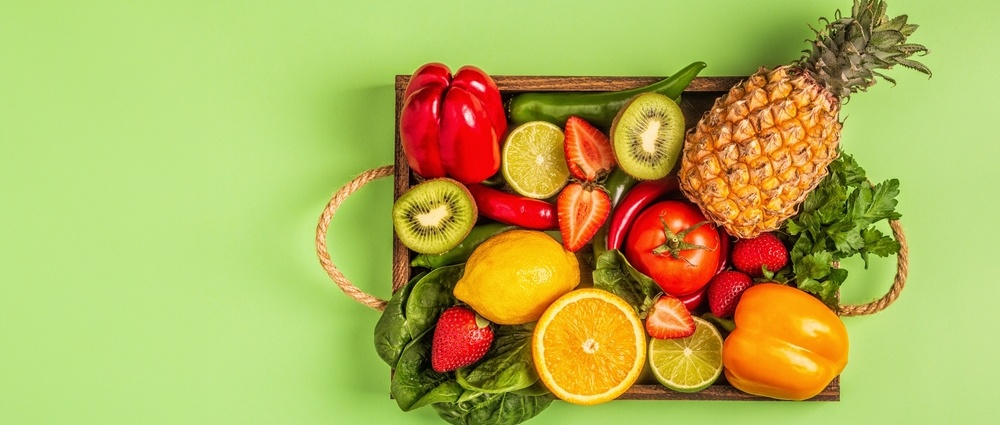
Vitamin C: benefits, sources, and deficiency
Most of us know vitamin C is good for us, but do you know all the ways that this essential nutrient benefits your health? Here you can find out how easy it is to get enough vitamin C, as well as what happens when you consume too little and too much.
by Lynn Stephen
Healthy living
Vitamin C deficiency
Vitamin C cannot be made by the human body and so is an essential component of the diet. It is needed for the health and repair of various tissues in the body, including skin, bone, teeth and cartilage. Persistent lack of dietary vitamin C in can lead to a condition called scurvy. Symptoms of scurvy include easy bruising, easy bleeding and joint and muscle pains. Vitamin C deficiency can be treated with supplements of vitamin C and a diet rich in vitamin C.
by Dr Philippa Vincent, MRCGP

Children's health
Congenital heart disease
Congenital heart disease is a condition where an abnormality (defect) develops in the heart before birth. There are a number of types of congenital heart defect. Some are mild and cause few problems; others are life-threatening for the baby.
by Dr Mary Harding, MRCGP
Healthy living
Zinc deficiency, excess and supplementation
Zinc is needed for many of the chemical reactions which are going on inside us all the time at micro-level. We get zinc from our diets but not getting enough can cause a wide variety of symptoms, some of which are very vague.
by Dr Toni Hazell, FRCGP
Related patient information and medicines

Patient information leaflet
Planning to become pregnant
This leaflet offers advice for women who are planning to become pregnant. The aim is to plan ahead to reduce the risk of any harm to the baby and to reduce the risk of pregnancy complications. Women on regular medication, or who have a long-term medical condition, may need to seek medical advice to discuss any changes which may need to be made..
Patient information leaflet
Newborn bloodspot test
Mothers of all newborn babies are offered testing for certain rare but serious health conditions by testing blood taken from the baby's heel. This is the blood spot screening programme and it is also known as the heel prick test. Medium-chain acyl-Co-A dehydrogenase deficiency (MCADD)- this is a very rare, but potentially life-threatening,.
Patient information leaflet
Fetal anticonvulsant syndrome
Women with epilepsy who are pregnant and worried about their medication should not stop taking it without talking to their doctor. Stopping your medication makes you more likely to have seizures which can also be a risk to the baby. How common is fetal anticonvulsant syndrome. For women with epilepsy who are not taking medicines called.
Patient information leaflet
Anaemia
Anaemia means that you have fewer red blood cells than normal or you have less haemoglobin than normal in each red blood cell. In either case, a reduced amount of oxygen is carried around in the bloodstream. Anaemia types and causes Iron-deficiency anaemia Lack of iron is the most common type of anaemia in the UK. This is called iron-deficiency.
Patient information leaflet
Can I take Vitamin B12 and Vitamin C together?
Using other medicines Taking multiple medicines. Our Medicines Interaction Checker helps you check whether your prescriptions, over-the-counter medicines, and supplements are safe to take together. Simply search for your medicines to see potential interactions and what to do about them. Disclaimer This information is for general educational.
Patient information leaflet
Can I take Folic acid and Vitamin C together?
Chronic alcohol consumption is a common cause of folate deficiency. Using other medicines Taking multiple medicines. Our Medicines Interaction Checker helps you check whether your prescriptions, over-the-counter medicines, and supplements are safe to take together. Simply search for your medicines to see potential interactions and what to do about.
Further reading and references
- Congenital sucrase-isomaltase deficiency; MedlinePlus, National Library of Medicine.
- Belmont JW, Reid B, Taylor W, Baker SS, Moore WH, Morriss MC, Podrebarac SM, Glass N, Schwartz ID. Congenital sucrase-isomaltase deficiency presenting with failure to thrive, hypercalcemia, and nephrocalcinosis. BMC Pediatr. 2002 Apr 25;2:4. doi: 10.1186/1471-2431-2-4.
- Husein DM, Wanes D, Marten LM, Zimmer KP, Naim HY. Heterozygotes Are a Potential New Entity among Homozygotes and Compound Heterozygotes in Congenital Sucrase-Isomaltase Deficiency. Nutrients. 2019 Sep 25;11(10):2290. doi: 10.3390/nu11102290.
- Jacob R, Zimmer KP, Schmitz J, Naim HY. Congenital sucrase-isomaltase deficiency arising from cleavage and secretion of a mutant form of the enzyme. J Clin Invest. 2000 Jul;106(2):281-7. doi: 10.1172/JCI9677.
- Keiser M, Alfalah M, Propsting MJ, Castelletti D, Naim HY. Altered folding, turnover, and polarized sorting act in concert to define a novel pathomechanism of congenital sucrase-isomaltase deficiency. J Biol Chem. 2006 May 19;281(20):14393-9. doi: 10.1074/jbc.M513631200. Epub 2006 Mar 16.
- Naim HY, Roth J, Sterchi EE, Lentze M, Milla P, Schmitz J, Hauri HP. Sucrase-isomaltase deficiency in humans. Different mutations disrupt intracellular transport, processing, and function of an intestinal brush border enzyme. J Clin Invest. 1988 Aug;82(2):667-79. doi: 10.1172/JCI113646.
- Ouwendijk J, Moolenaar CE, Peters WJ, Hollenberg CP, Ginsel LA, Fransen JA, Naim HY. Congenital sucrase-isomaltase deficiency. Identification of a glutamine to proline substitution that leads to a transport block of sucrase-isomaltase in a pre-Golgi compartment. J Clin Invest. 1996 Feb 1;97(3):633-41. doi: 10.1172/JCI118459.
- Ritz V, Alfalah M, Zimmer KP, Schmitz J, Jacob R, Naim HY. Congenital sucrase-isomaltase deficiency because of an accumulation of the mutant enzyme in the endoplasmic reticulum. Gastroenterology. 2003 Dec;125(6):1678-85. doi: 10.1053/j.gastro.2003.09.022.
- Sander P, Alfalah M, Keiser M, Korponay-Szabo I, Kovacs JB, Leeb T, Naim HY. Novel mutations in the human sucrase-isomaltase gene (SI) that cause congenital carbohydrate malabsorption. Hum Mutat. 2006 Jan;27(1):119. doi: 10.1002/humu.9392.
- Sibley E. Carbohydrate intolerance. Curr Opin Gastroenterol. 2004 Mar;20(2):162-7. doi: 10.1097/00001574-200403000-00019.
Share your thoughts or experiences with others in our patient communities.
Simple access to trusted treatments and health services online.
Common conditions
Get help with common conditions through the NHS, without a GP appointment.





Sign up to the Patient newsletter
Your weekly dose of clear, trustworthy health advice - written to help you feel informed, confident and in control.
By subscribing you accept our Privacy Policy. You can unsubscribe at any time. We never sell your data.