Familial Mediterranean fever
Last updated 4 Mar 2026
Meets Patient’s editorial guidelines
- DownloadDownload
- Share
- Language
- Discussion
- Ask Patient
- Audio Version
- Add to preferred sources on Google
Familial Mediterranean fever is an inherited condition characterised by recurrent episodes of painful inflammation in the abdomen, chest, or joints. These episodes are often accompanied by fever and sometimes a rash or headache. Occasionally inflammation may occur in other parts of the body, such as the heart; the membrane surrounding the brain and spinal cord; and in males, the testicles. In about half of affected individuals, attacks are preceded by mild signs and symptoms known as a prodrome. Prodromal symptoms include mildly uncomfortable sensations in the area that will later become inflamed, or more general feelings of discomfort.
Video picks for Genetic conditionsVideo library
Description
Familial Mediterranean fever is an inherited condition characterised by recurrent episodes of painful inflammation in the abdomen, chest, or joints. These episodes are often accompanied by fever and sometimes a rash or headache. Occasionally inflammation may occur in other parts of the body, such as the heart; the membrane surrounding the brain and spinal cord; and in males, the testicles. In about half of affected individuals, attacks are preceded by mild signs and symptoms known as a prodrome. Prodromal symptoms include mildly uncomfortable sensations in the area that will later become inflamed, or more general feelings of discomfort.
The first episode of illness in familial Mediterranean fever usually occurs in childhood or the teenage years, but in some cases, the initial attack occurs much later in life. Typically, episodes last 12 to 72 hours and can vary in severity. Episodes generally occur once a month, and in affected women of reproductive age, attacks often correspond with menstruation or ovulation. However, the length of time between episodes can range from days to years. During these periods, affected individuals usually have no signs or symptoms related to the condition. However, without treatment to help prevent attacks and complications, a buildup of protein deposits (amyloidosis) in the body's organs and tissues may occur, especially in the kidneys, which can lead to kidney failure.
Inheritance patterns
The source lists the following possible inheritance patterns: Autosomal dominant; Autosomal recessive. More than one pattern can apply in different cases.
Related genes
Other names
Benign paroxysmal peritonitis
Familial paroxysmal polyserositis
FMF
MEF
Recurrent polyserositis
Reimann periodic disease
Siegal-Cattan-Mamou disease
Wolff periodic disease
Patient picks for Genetic conditions
Signs and symptoms
Fever
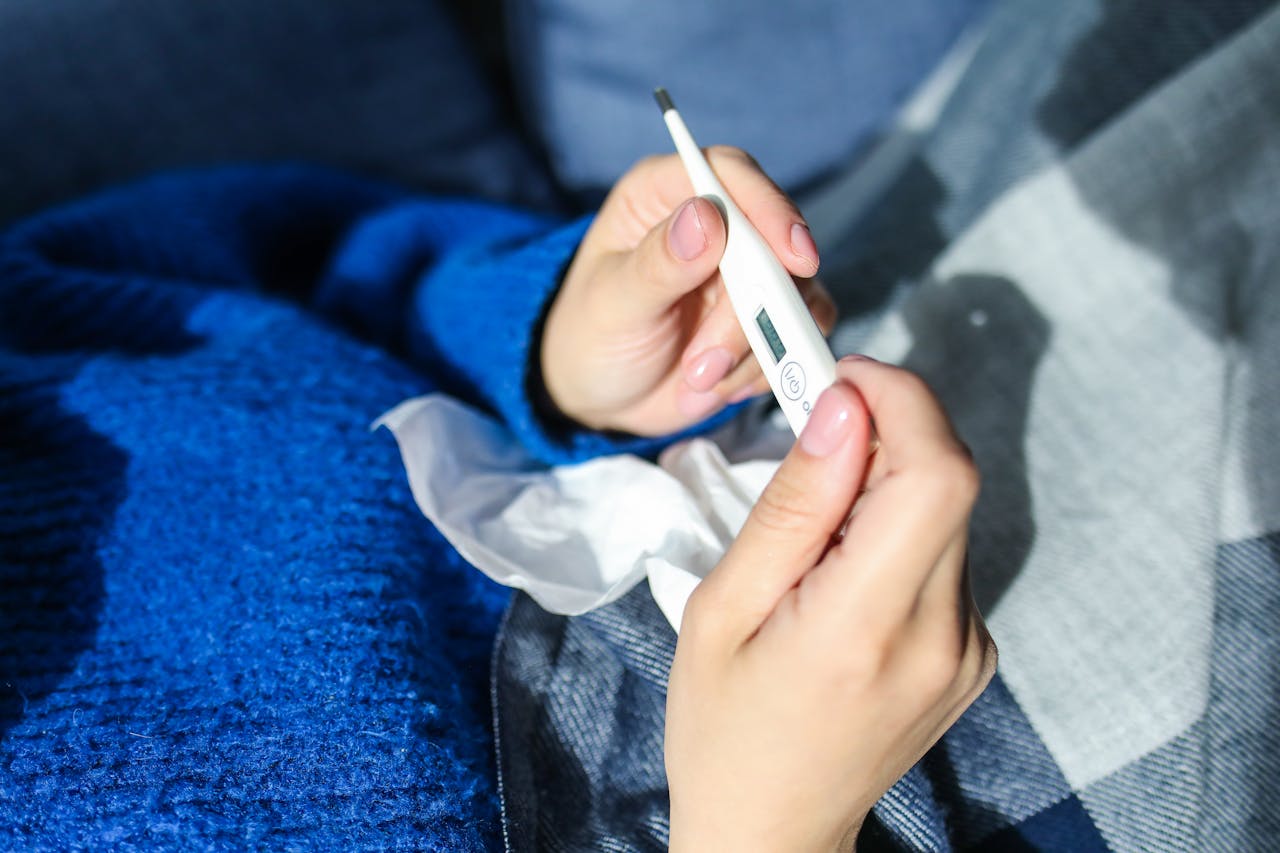
A fever, also known as a high temperature or high fever, is when your body temperature temporarily rises above 38°C (100.4°F). Fever itself is not an illness and is usually a symptom of an underlying condition, such as an infection. This leaflet explains the what causes a fever, signs you have a fever, and when you should see a doctor.
by Dr Colin Tidy, MRCGP

Health and wellness video library
Flu, colds and fever videos
Feeling a little under the weather? Our flu, colds and fever video hub explains everything you need to know about these common winter illnesses. From recognising symptoms to knowing when to seek help. Whether you're looking for ways to ease a sore throat, reduce a high temperature, or prevent the spread of infection, our trusted advice is here to help you.
by Lawrence Higgins

Children's health
Febrile seizure
A febrile seizure is a convulsion that occurs in some children with a high temperature (fever). The vast majority of febrile seizures are not serious. Most occur with mild common illnesses. Full recovery with no permanent damage is usual. The main treatment is aimed at the illness that caused the fever.
by Dr Philippa Vincent, MRCGP
Signs and symptoms
Rigors
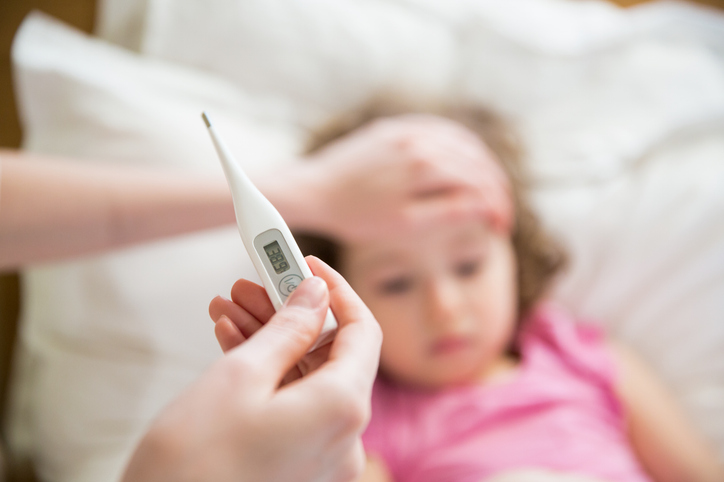
Rigors are episodes in which your temperature rises - often quite quickly - whilst you have severe shivering accompanied by a feeling of coldness ('the chills'). The fever may be quite high and the shivering may be quite dramatic.
by Dr Toni Hazell, FRCGP

Healthy living
Mediterranean diet
The term 'Mediterranean Diet' describes a specific mix of dietary food ingredients, shown to promote health and long life in people.
by Dr Colin Tidy, MRCGP
Signs and symptoms
Fever in children
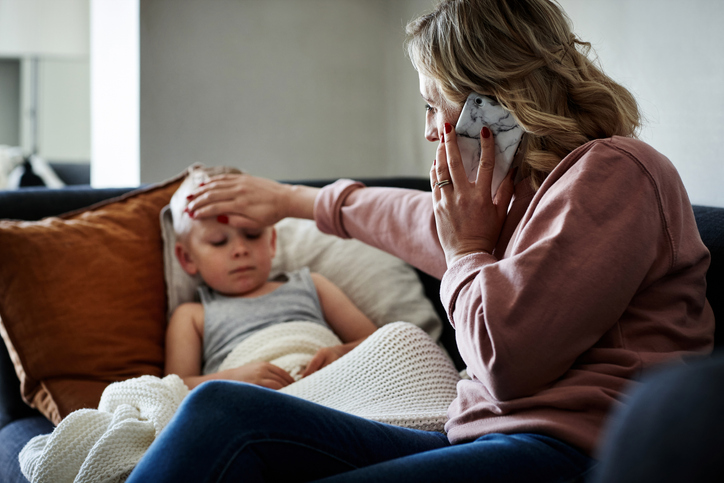
A fever occurs when the body temperature is higher than normal. Normal body temperature varies a little, but a temperature above 38°C is considered a fever. Sometimes the upper range of normal is considered to be 37.5°C or 37.8°C - for consistency, this article will use 38°C as the cut-off for a high temperature. This article is specifically regarding fever in children.
by Dr Philippa Vincent, MRCGP
Related patient information and medicines

Patient information leaflet
Pemphigus vulgaris
Pemphigus vulgaris is a very serious skin disease that causes blisters. It is rare. Pemphigus vulgaris is more serious than most other blistering skin conditions. Before treatment became availab... It is very rare in children. Men and women are equally affected. It is more common in certain groups of people - those from the Mediterranean, from the.
Patient information leaflet
Fever
A fever, also known as a high temperature or high fever, is when your body temperature temporarily rises above 38°C (100.4°F). This leaflet explains the what causes a fever, signs you have a fever, and when you should see a doctor. ...Twitter: [https://twitter.com/patient](https://twitter.com/patient) Pinterest:.

Patient information leaflet
Dengue
Dengue (which used to be called dengue fever) is a viral illness which is very common in the tropics and subtropics. It is usually a flu-like illness lasting under a week but it can sometimes be very serious, even fatal. What is dengue. Dengue is a mosquito-borne viral illness carried by the Aedes mosquito. There are four 'strains' of the dengue.
Patient information leaflet
Febrile seizure
A febrile seizure is a convulsion that occurs in some children with a high temperature (fever). The vast majority of febrile seizures are not serious. Most occur with mild common illnesses. Full recovery with no permanent damage is usual. The main treatment is aimed at the illness that caused the fever. What causes a febrile seizure. A febrile.

Patient information leaflet
Sore throat
Key points A sore throat is pain or irritation in the back of the throat that is often worse when swallowing. It is usually caused by viral infections, such as the cold or flu, but bacteria, allergies, irritants, or acid reflux can also be the cause. Common symptoms include pain, scratchiness, and swollen glands. See a doctor if the pain is.
Patient information leaflet
Swollen lymph glands
Swollen lymph glands (also called lymph nodes) are usually a sign that your body is fighting infection, but they can have other causes. Common areas for swollen glands include the neck, under the chin, in the armpits and in the groin. If your glands haven't gone down after 2 weeks, are getting bigger, or you are struggling to ... What are swollen.
Further reading and references
- Familial Mediterranean fever; MedlinePlus, National Library of Medicine.
- Bakkaloglu A. Familial Mediterranean fever. Pediatr Nephrol. 2003 Sep;18(9):853-9. doi: 10.1007/s00467-003-1185-2. Epub 2003 Jun 27.
- Bhat A, Naguwa SM, Gershwin ME. Genetics and new treatment modalities for familial Mediterranean fever. Ann N Y Acad Sci. 2007 Sep;1110:201-8. doi: 10.1196/annals.1423.022.
- Booth DR, Gillmore JD, Lachmann HJ, Booth SE, Bybee A, Soyturk M, Akar S, Pepys MB, Tunca M, Hawkins PN. The genetic basis of autosomal dominant familial Mediterranean fever. QJM. 2000 Apr;93(4):217-21. doi: 10.1093/qjmed/93.4.217.
- Eisenstein EM, Berkun Y, Ben-Chetrit E. Familial Mediterranean fever: a critical digest of the 2012-2013 literature. Clin Exp Rheumatol. 2013 May-Jun;31(3 Suppl 77):103-7. Epub 2013 Sep 9.
- Lidar M, Kedem R, Berkun Y, Langevitz P, Livneh A. Familial Mediterranean fever in Ashkenazi Jews: the mild end of the clinical spectrum. J Rheumatol. 2010 Feb;37(2):422-5. doi: 10.3899/jrheum.090401. Epub 2009 Dec 15.
- Lidar M, Livneh A. Familial Mediterranean fever: clinical, molecular and management advancements. Neth J Med. 2007 Oct;65(9):318-24.
- Mikula M, Buller A, Sun W, Strom CM. Prevalence of known mutations in the familial Mediterranean fever gene (MEFV) in various carrier screening populations. Genet Med. 2008 May;10(5):349-52. doi: 10.1097/GIM.0b013e3181723cc8.
- Rabinovitch E, Harats D, Yaron P, Luvish T, Lidar M, Kedem R, Shaish A, Ben-Dov I, Livneh A. Familial Mediterranean fever gene and protection against asthma. Ann Allergy Asthma Immunol. 2007 Dec;99(6):517-21. doi: 10.1016/S1081-1206(10)60380-8.
- Stoffman N, Magal N, Shohat T, Lotan R, Koman S, Oron A, Danon Y, Halpern GJ, Lifshitz Y, Shohat M. Higher than expected carrier rates for familial Mediterranean fever in various Jewish ethnic groups. Eur J Hum Genet. 2000 Apr;8(4):307-10. doi: 10.1038/sj.ejhg.5200446.
- Yepiskoposyan L, Harutyunyan A. Population genetics of familial Mediterranean fever: a review. Eur J Hum Genet. 2007 Sep;15(9):911-6. doi: 10.1038/sj.ejhg.5201869. Epub 2007 Jun 13.
- Zadeh N, Getzug T, Grody WW. Diagnosis and management of familial Mediterranean fever: integrating medical genetics in a dedicated interdisciplinary clinic. Genet Med. 2011 Mar;13(3):263-9. doi: 10.1097/GIM.0b013e31820e27b1.
Share your thoughts or experiences with others in our patient communities.
Simple access to trusted treatments and health services online.
Common conditions
Get help with common conditions through the NHS, without a GP appointment.





Sign up to the Patient newsletter
Your weekly dose of clear, trustworthy health advice - written to help you feel informed, confident and in control.
By subscribing you accept our Privacy Policy. You can unsubscribe at any time. We never sell your data.