Hereditary fibrosing poikiloderma with tendon contractures, myopathy, and pulmonary fibrosis
Last updated 17 Aug 2021
Meets Patient’s editorial guidelines
- DownloadDownload
- Share
- Language
- Discussion
- Ask Patient
- Audio Version
- Add to preferred sources on Google
Hereditary fibrosing poikiloderma with tendon contractures, myopathy, and pulmonary fibrosis (abbreviated POIKTMP), is a disorder that affects many parts of the body, particularly the skin, muscles, lungs, and pancreas. Signs and symptoms vary among affected individuals.
Video picks for Genetic conditionsVideo library
Description
Hereditary fibrosing poikiloderma with tendon contractures, myopathy, and pulmonary fibrosis (abbreviated POIKTMP), is a disorder that affects many parts of the body, particularly the skin, muscles, lungs, and pancreas. Signs and symptoms vary among affected individuals.
People with POIKTMP have patchy changes in skin coloring and small clusters of blood vessels just under the skin (telangiectases), a combination known as poikiloderma. These skin changes begin in infancy and occur primarily on the face. They can also have red, scaly skin patches and mild swelling (lymphedema) of the arms and legs; thickened skin on the palms of the hands and soles of the feet (palmoplantar keratoderma); and abnormal hardening (sclerosis) of tissues in the fingers and toes. People with this disorder usually have sparse scalp hair, and their eyelashes and eyebrows can also be sparse or absent. Affected individuals have a decreased ability to sweat (hypohidrosis), which impairs their ability to tolerate heat.
Reduced movement of joints (contractures) caused by shortening of the connective tissues that attach muscles to bone (tendons) usually develops during childhood in people with POIKTMP. These contractures often affect the calf, resulting in turning in (valgus deformity) of the feet. Contractures can also affect the elbows and wrists. In addition, people with POIKTMP usually develop muscle weakness (myopathy) in the arms and legs, and medical imaging shows abnormal fatty tissue in the muscles.
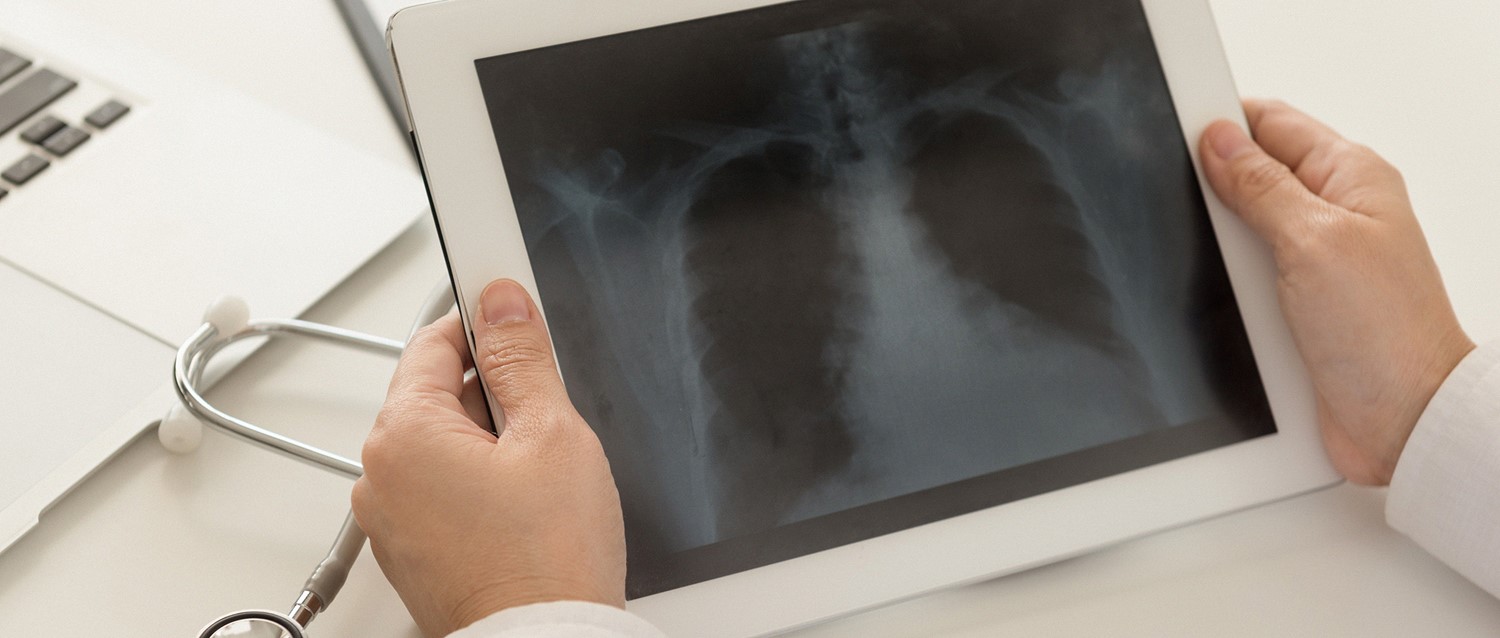
Adults with POIKTMP can develop a condition called pulmonary fibrosis, in which scar tissue forms in the lungs. Pulmonary fibrosis eventually causes difficulty breathing and can be life-threatening within a few years after symptoms begin.
In addition to the skin, muscle, and lung problems that give this condition its name, people with POIKTMP can also have a shortage (deficiency) of enzymes produced by the pancreas to aid in the digestion of fats. This deficiency can lead to diarrhea and poor absorption of fats and fat-soluble vitamins. Liver problems, short stature, and delayed puberty can also occur in affected individuals. Intellectual development is not affected by this disorder.
Inheritance patterns
The source lists the following possible inheritance patterns: Autosomal dominant. More than one pattern can apply in different cases.
Related genes
Other names
Hereditary sclerosing poikiloderma with tendon and pulmonary involvement
HFP
POIKTMP
Patient picks for Genetic conditions
Chest and lungs
Pulmonary fibrosis
Pulmonary fibrosis is a serious lung disease where the tiny air sacs of the lungs (the alveoli) and the lung tissue next to the alveoli become damaged and scarred, resulting in lung fibrosis. The main symptom is shortness of breath that gradually gets worse. The cause is often not known but pulmonary fibrosis can be caused by a variety of underlying conditions. Treatments include treating any underlying cause in addition to steroids and other medicines. Increasingly lung transplantation may be considered.
by Dr Toni Hazell, FRCGP

General health and lifestyle
Book a Pharmacy First online consultation
NHS Pharmacy First is a new scheme from the Government and NHS in England. It allows patients to get treatment, including prescription medications where necessary, for common conditions without the need for a GP appointment. Through NHS Pharmacy First, My Local Surgery offers fast, free private online consultations with an NHS pharmacist for quick.
by Thomas Andrew Porteus, MBCS
Pregnancy
Cervical insufficiency and suture
Cervical insufficiency (sometimes called cervical incompetence) occurs when the neck of the womb (the cervix) softens, shortens and opens without any other symptoms of labour. This may be in the second trimester or early in the third, leading to premature delivery of the baby. Cervical suture - also called cervical cerclage or cervical stitch - is a stitch placed in/around the cervix. This is to try to prevent late miscarriage or premature birth in women who are felt to be at high risk of cervical insufficiency.
by Dr Hayley Willacy, FRCGP

Foot care
Plantar fasciitis
Heel and foot pain are very common. A common cause is plantar fasciitis which causes pain under the heel. It usually goes away with time but various treatments may help.
by Dr Surangi Mendis, MRCGP
Condition & symptom support
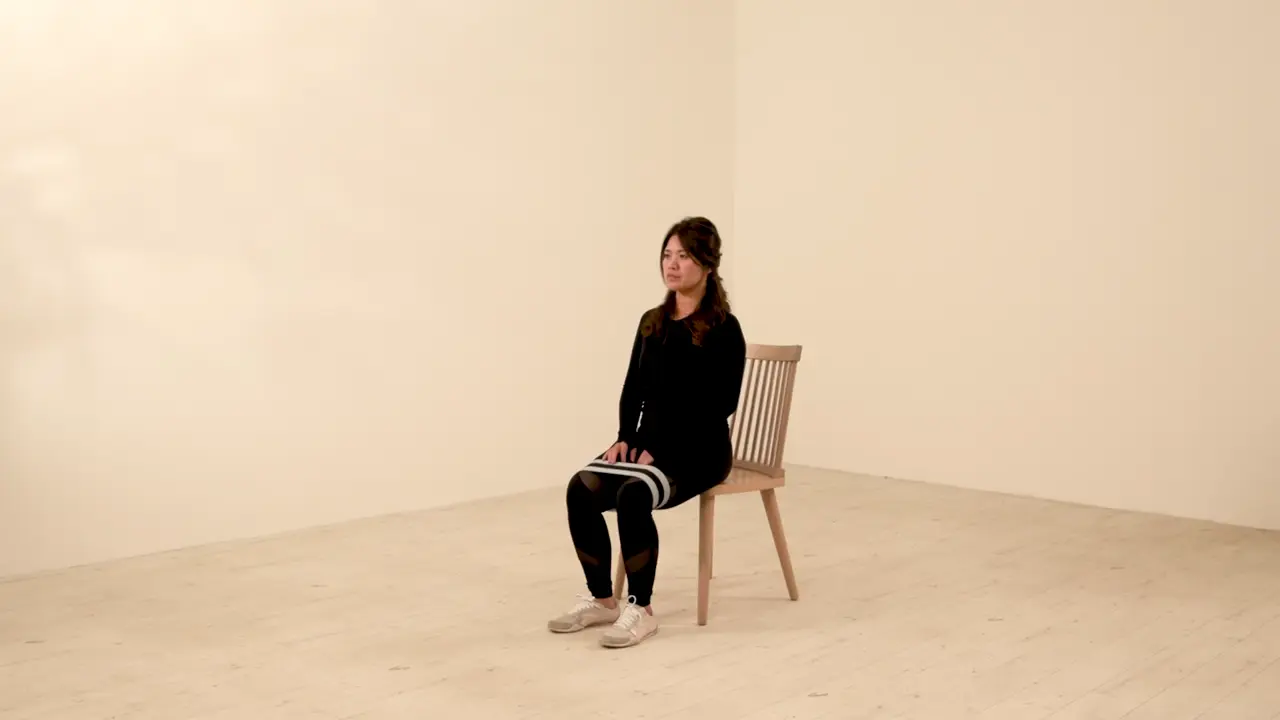
Seated Hip Abductions With Resistance Band
The Seated Hip Abduction With Resistance Band strengthens the outer hips and glutes while improving lower-body control. Sit tall with a resistance band looped around your thighs, feet flat, and knees bent. Press your knees outward against the band, then return slowly to the starting position. This exercise enhances hip strength, joint stability, and posture.
Condition & symptom support
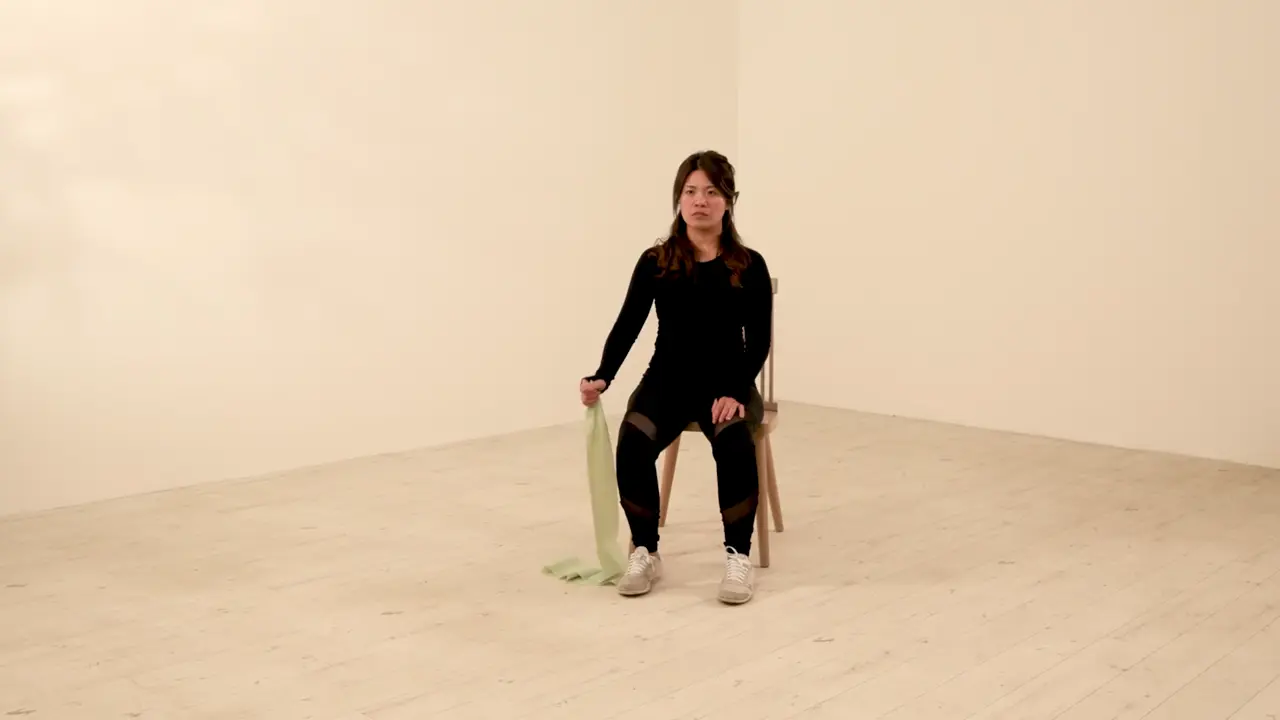
Seated Single Arm Banded Overhead Press
The Seated Single Arm Banded Overhead Press is a unilateral strength exercise that targets the shoulders and arms. Sit tall with one end of the resistance band under your foot and hold the other end in one hand at shoulder height. Press the band overhead until your arm is straight, then lower with control. This exercise builds shoulder stability and balanced strength.
Related patient information and medicines
Patient information leaflet
Pulmonary fibrosis
Pulmonary fibrosis is a serious lung disease where the tiny air sacs of the lungs (the alveoli) and the lung tissue next to the alveoli become damaged and scarred, resulting in lung fibrosis. The cause is often not known but pulmonary fibros... Over a period of time, the inflammation slowly leads to scarring (pulmonary fibrosis). Examples include.

Patient information leaflet
Gallium scan
A gallium scan uses a radioactive chemical to help create pictures which can show areas of possible infection, injury, inflammation or cancer. It does this by looking for areas where there is rapid cell division within the body. Monitor the response to antibiotic treatment Antibiotics. Diagnose inflammatory conditions such as pulmonary fibrosis.
Patient information leaflet
Chronic obstructive pulmonary disease
Chronic obstructive pulmonary disease (COPD) is a long-term condition of the lungs where the flow of air to the lungs is obstructed. A small number of people have a hereditary (genetic) risk of COPD due to very rare protein deficiencies that can lead to lung, liver and blood disorders. Both asthma and COPD are common, and some peopl... As well as.

Patient information leaflet
Respiratory failure
Acute on chronic - this is usually a sudden or quick worsening of the respiratory function in someone who already has chronic resp... Causes of respiratory failure Common causes of type I respiratory failure Chronic obstructive pulmonary disease (COPD) Chronic obstructive pulmonary disease. Pulmonary oedema Pulmonary oedema. Pulmonary fibrosis.

Patient information leaflet
Pneumothorax
Other lung diseases that may be complicated by a pneumothorax include: Pneumonia Pneumonia. Sarcoidosis Sarcoidosis. Cystic fibrosis Cystic fibrosis. Lung cancer Lung cancer. Idiopathic pulmonary fibrosis Pulmonary fibrosis. Other causes of pneumothorax An injury to the chest - for example, a car crash or a stab wound. Surgical operations..

Patient information leaflet
Chronic persistent cough in adults
There are characteristic bouts of coughing, followed by a "whoop" as you catch your breath. Usually symptoms are being short of breath, tired and having swollen ankles. Occasionally there can be a cough. Pulmonary fibrosis Pulmonary fibrosis. This is caused by damage and scarring of lung tissue, which causes cough and breathlessness. For more.
Further reading and references
- Hereditary fibrosing poikiloderma with tendon contractures, myopathy, and pulmonary fibrosis; MedlinePlus, National Library of Medicine.
- Khumalo NP, Pillay K, Beighton P, Wainwright H, Walker B, Saxe N, Mayosi BM, Bateman ED. Poikiloderma, tendon contracture and pulmonary fibrosis: a new autosomal dominant syndrome? Br J Dermatol. 2006 Nov;155(5):1057-61. doi: 10.1111/j.1365-2133.2006.07473.x.
- Kury S, Mercier S, Shaboodien G, Besnard T, Barbarot S, Khumalo NP, Mayosi BM, Bezieau S. CUGC for hereditary fibrosing poikiloderma with tendon contractures, myopathy, and pulmonary fibrosis (POIKTMP). Eur J Hum Genet. 2016 May;24(5). doi: 10.1038/ejhg.2015.205. Epub 2015 Oct 7. No abstract available.
- Mercier S, Kury S, Salort-Campana E, Magot A, Agbim U, Besnard T, Bodak N, Bou-Hanna C, Breheret F, Brunelle P, Caillon F, Chabrol B, Cormier-Daire V, David A, Eymard B, Faivre L, Figarella-Branger D, Fleurence E, Ganapathi M, Gherardi R, Goldenberg A, Hamel A, Igual J, Irvine AD, Israel-Biet D, Kannengiesser C, Laboisse C, Le Caignec C, Mahe JY, Mallet S, MacGowan S, McAleer MA, McLean I, Meni C, Munnich A, Mussini JM, Nagy PL, Odel J, O'Regan GM, Pereon Y, Perrier J, Piard J, Puzenat E, Sampson JB, Smith F, Soufir N, Tanji K, Thauvin C, Ulane C, Watson RM, Khumalo NP, Mayosi BM, Barbarot S, Bezieau S. Expanding the clinical spectrum of hereditary fibrosing poikiloderma with tendon contractures, myopathy and pulmonary fibrosis due to FAM111B mutations. Orphanet J Rare Dis. 2015 Oct 15;10:135. doi: 10.1186/s13023-015-0352-4.
- Mercier S, Kury S, Shaboodien G, Houniet DT, Khumalo NP, Bou-Hanna C, Bodak N, Cormier-Daire V, David A, Faivre L, Figarella-Branger D, Gherardi RK, Glen E, Hamel A, Laboisse C, Le Caignec C, Lindenbaum P, Magot A, Munnich A, Mussini JM, Pillay K, Rahman T, Redon R, Salort-Campana E, Santibanez-Koref M, Thauvin C, Barbarot S, Keavney B, Bezieau S, Mayosi BM. Mutations in FAM111B cause hereditary fibrosing poikiloderma with tendon contracture, myopathy, and pulmonary fibrosis. Am J Hum Genet. 2013 Dec 5;93(6):1100-7. doi: 10.1016/j.ajhg.2013.10.013. Epub 2013 Nov 21.
- Otsu U, Moriwaki S, Iki M, Nozaki K, Horiguchi Y, Kiyokane K. Early blistering, poikiloderma, hypohidrosis, alopecia and exocrine pancreatic hypofunction: a peculiar variant of Rothmund-Thomson syndrome? Eur J Dermatol. 2008 Nov-Dec;18(6):632-4. doi: 10.1684/ejd.2008.0509. Epub 2008 Oct 27.
- Seo A, Walsh T, Lee MK, Ho PA, Hsu EK, Sidbury R, King MC, Shimamura A. FAM111B Mutation Is Associated With Inherited Exocrine Pancreatic Dysfunction. Pancreas. 2016 Jul;45(6):858-62. doi: 10.1097/MPA.0000000000000529.
- Takeichi T, Nanda A, Yang HS, Hsu CK, Lee JY, Al-Ajmi H, Akiyama M, Simpson MA, McGrath JA. Syndromic inherited poikiloderma due to a de novo mutation in FAM111B. Br J Dermatol. 2017 Feb;176(2):534-536. doi: 10.1111/bjd.14845. Epub 2016 Dec 22. No abstract available.
Share your thoughts or experiences with others in our patient communities.
Simple access to trusted treatments and health services online.
Common conditions
Get help with common conditions through the NHS, without a GP appointment.





Sign up to the Patient newsletter
Your weekly dose of clear, trustworthy health advice - written to help you feel informed, confident and in control.
By subscribing you accept our Privacy Policy. You can unsubscribe at any time. We never sell your data.