Hypomagnesemia with secondary hypocalcemia
Last updated 18 Aug 2020
Meets Patient’s editorial guidelines
- DownloadDownload
- Share
- Language
- Discussion
- Ask Patient
- Audio Version
- Add to preferred sources on Google
Hypomagnesemia with secondary hypocalcemia is an inherited condition caused by the body's inability to absorb and retain magnesium that is taken in through the diet. As a result, magnesium levels in the blood are severely low (hypomagnesemia).
Video picks for Genetic conditionsVideo library
Description
Hypomagnesemia with secondary hypocalcemia is an inherited condition caused by the body's inability to absorb and retain magnesium that is taken in through the diet. As a result, magnesium levels in the blood are severely low (hypomagnesemia).
Hypomagnesemia impairs the function of the parathyroid glands, which are small hormone-producing glands located in the neck. Normally, the parathyroid glands release a hormone that increases blood calcium levels when they are low. Magnesium is required for the production and release of parathyroid hormone, so when magnesium is too low, insufficient parathyroid hormone is produced and blood calcium levels are also reduced (hypocalcemia). The hypocalcemia is described as "secondary" because it occurs as a consequence of hypomagnesemia.
Shortages of magnesium and calcium can cause neurological problems that begin in infancy, including painful muscle spasms (tetany) and seizures. If left untreated, hypomagnesemia with secondary hypocalcemia can lead to developmental delay, intellectual disability, a failure to gain weight and grow at the expected rate (failure to thrive), and heart failure.
Inheritance patterns
The source lists the following possible inheritance patterns: Autosomal recessive. More than one pattern can apply in different cases.
Related genes
Other names
Familial primary hypomagnesemia with hypocalcuria
HOMG
HSH
Hypomagnesemic tetany
Intestinal hypomagnesemia 1
Intestinal hypomagnesemia with secondary hypocalcemia
Patient picks for Genetic conditions

General health and lifestyle
Book a Pharmacy First online consultation
NHS Pharmacy First is a new scheme from the Government and NHS in England. It allows patients to get treatment, including prescription medications where necessary, for common conditions without the need for a GP appointment. Through NHS Pharmacy First, My Local Surgery offers fast, free private online consultations with an NHS pharmacist for quick.
by Thomas Andrew Porteus, MBCS

Condition & symptom support
Seated Hip Abductions With Resistance Band
The Seated Hip Abduction With Resistance Band strengthens the outer hips and glutes while improving lower-body control. Sit tall with a resistance band looped around your thighs, feet flat, and knees bent. Press your knees outward against the band, then return slowly to the starting position. This exercise enhances hip strength, joint stability, and posture.

Diabetes
Dealing with hyperglycaemia
This leaflet is created from first aid advice provided by St John Ambulance, the nation's leading first aid charity. This advice is no substitute for first aid training - find a training course near you.
by St John Ambulance

Preventative health
Open & Close the Chest
Open & Close the Chest is a fluid movement that expands and contracts the arms in rhythm with the breath. It improves respiratory function, opens the chest, and helps reduce tension across the upper body.

Preventative health
Pigeon Stretch with Body Low
With the release of the Upper Body over your front leg, you are allowing your Upper Body to relax forward into the movement. In this Pigeon Stretch variation, really focus on the deep stretch in the Lower Body as you relax your Upper Body forward to a point that works for you and breathe gently into the stretch.
Podcasts
Losing it!
Why losing your erection doesn’t have to be the catastrophe you might think it is. Clare and Janet discuss ways to help with erection problems.
by Thomas Andrew Porteus, MBCS
Related patient information and medicines

Patient information leaflet
Immunisation for flu
Getting the flu vaccine is a safe and effective way to protect against becoming seriously ill with flu. What is the flu jab for. Flu can cause much more severe symptoms than the common cold Common cold. Some people can become seriously ill with flu, needing hospital treatment, and it can be life-threatening. Certain groups of people, such as older.
Patient information leaflet
Addison's disease
This is made in the pituitary gland. Strictly speaking, this is not a condition of the adrenals, and is not classed as Addison's disease. However, it causes similar symptoms and is called secondary hypoadrenalism, or secondary adrenal insufficiency. Secondary adrenal insufficiency occurs when ACTH levels are too low. Causes of a low ACTH level.

Patient information leaflet
Diabetic kidney disease
Diabetic kidney disease is a complication that occurs in some people with diabetes. It can progress to kidney failure in some cases. Treatment aims to prevent or delay the progression of the disease. Also, it aims to reduce the risk of developing cardiovascular diseases such as heart attack and stroke which are much more common than average in.

Patient information leaflet
Restless legs syndrome
What is restless legs syndrome. Restless legs syndrome (RLS) is sometimes called Willis-Ekbom disease after the doctors who first described it. It is a condition where you have an urge to move your legs. This is usually caused by an uncomfortable or unpleasant feeling in the legs. Restless legs syndrome symptoms Many people with RLS find it.

Patient information leaflet
Diabetes and illness
If you have diabetes - or have to care for someone who has - it's important to be prepared to cope with illness. If you don't test your blood sugars at home, be aware of the symptoms of a high blood sugar (hyperglycaemia), which may include feeling very thirsty, passing much more urine than usual, feeling weak or tired, and blurred vision. .
Patient information leaflet
Diabetic neuropathy
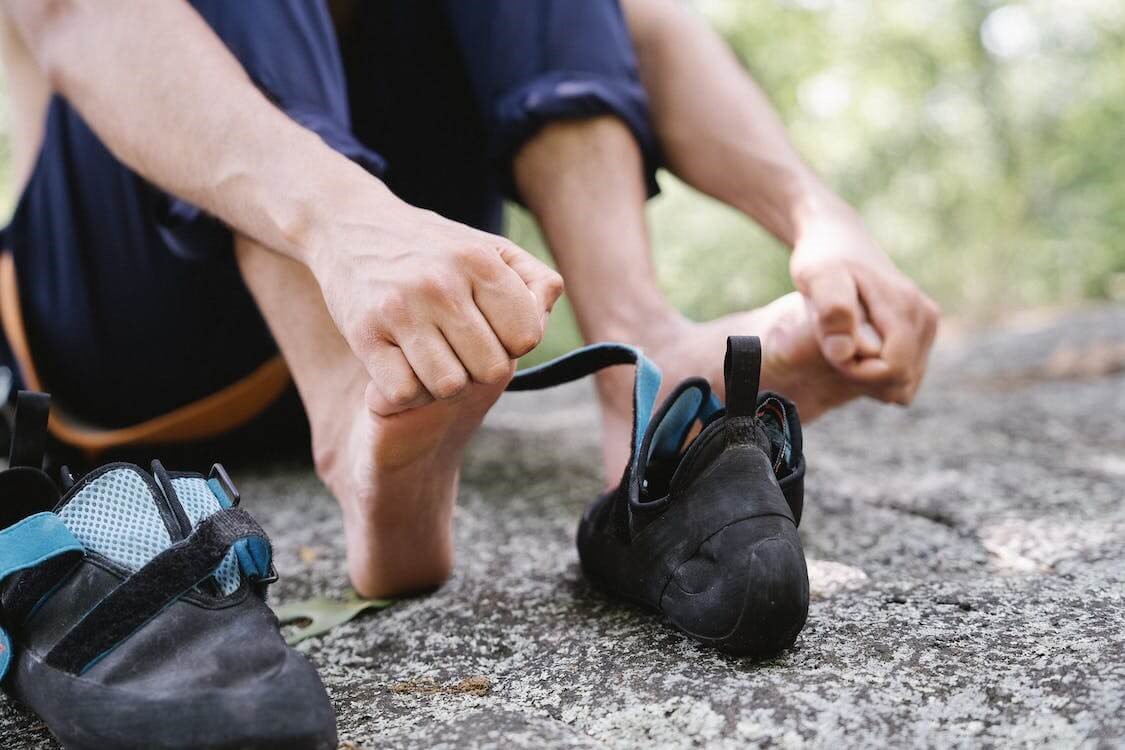
Diabetic neuropathy is a type of nerve damage that can occur if you have diabetes. Diabetic neuropathy is a common complication of both type 1 diabetes and type 2 diabetes. If any such minor injury is ignored then the wound may become ... The diabetes foot care Diabetic foot ulcers leaflet provides more details. Autonomic neuropathy Damage to the.
Further reading and references
- Hypomagnesemia with secondary hypocalcemia; MedlinePlus, National Library of Medicine.
- Chubanov V, Gudermann T, Schlingmann KP. Essential role for TRPM6 in epithelial magnesium transport and body magnesium homeostasis. Pflugers Arch. 2005 Oct;451(1):228-34. doi: 10.1007/s00424-005-1470-y. Epub 2005 Jun 17.
- Katayama K, Povalko N, Yatsuga S, Nishioka J, Kakuma T, Matsuishi T, Koga Y. New TRPM6 mutation and management of hypomagnesaemia with secondary hypocalcaemia. Brain Dev. 2015 Mar;37(3):292-8. doi: 10.1016/j.braindev.2014.06.006. Epub 2014 Jun 28.
- Lainez S, Schlingmann KP, van der Wijst J, Dworniczak B, van Zeeland F, Konrad M, Bindels RJ, Hoenderop JG. New TRPM6 missense mutations linked to hypomagnesemia with secondary hypocalcemia. Eur J Hum Genet. 2014 Apr;22(4):497-504. doi: 10.1038/ejhg.2013.178. Epub 2013 Aug 14.
- Schlingmann KP, Sassen MC, Weber S, Pechmann U, Kusch K, Pelken L, Lotan D, Syrrou M, Prebble JJ, Cole DE, Metzger DL, Rahman S, Tajima T, Shu SG, Waldegger S, Seyberth HW, Konrad M. Novel TRPM6 mutations in 21 families with primary hypomagnesemia and secondary hypocalcemia. J Am Soc Nephrol. 2005 Oct;16(10):3061-9. doi: 10.1681/ASN.2004110989. Epub 2005 Aug 17.
- Schlingmann KP, Weber S, Peters M, Niemann Nejsum L, Vitzthum H, Klingel K, Kratz M, Haddad E, Ristoff E, Dinour D, Syrrou M, Nielsen S, Sassen M, Waldegger S, Seyberth HW, Konrad M. Hypomagnesemia with secondary hypocalcemia is caused by mutations in TRPM6, a new member of the TRPM gene family. Nat Genet. 2002 Jun;31(2):166-70. doi: 10.1038/ng889. Epub 2002 May 28.
Share your thoughts or experiences with others in our patient communities.
Simple access to trusted treatments and health services online.
Common conditions
Get help with common conditions through the NHS, without a GP appointment.





Sign up to the Patient newsletter
Your weekly dose of clear, trustworthy health advice - written to help you feel informed, confident and in control.
By subscribing you accept our Privacy Policy. You can unsubscribe at any time. We never sell your data.