Juvenile primary lateral sclerosis
Last updated 18 Aug 2020
Meets Patient’s editorial guidelines
- DownloadDownload
- Share
- Language
- Discussion
- Ask Patient
- Audio Version
- Add to preferred sources on Google
Juvenile primary lateral sclerosis is a rare disorder characterised by progressive weakness and tightness (spasticity) of muscles in the arms, legs, and face. The features of this disorder are caused by damage to motor neurons, which are specialized nerve cells in the brain and spinal cord that control muscle movement.
Video picks for Genetic conditionsVideo library
Description
Juvenile primary lateral sclerosis is a rare disorder characterised by progressive weakness and tightness (spasticity) of muscles in the arms, legs, and face. The features of this disorder are caused by damage to motor neurons, which are specialized nerve cells in the brain and spinal cord that control muscle movement.
Symptoms of juvenile primary lateral sclerosis begin in early childhood and progress slowly over many years. Early symptoms include clumsiness, muscle weakness and spasticity in the legs, and difficulty with balance. As symptoms progress, the spasticity spreads to the arms and hands and individuals develop slurred speech, drooling, difficulty swallowing, and an inability to walk.
Inheritance patterns
The source lists the following possible inheritance patterns: Autosomal recessive. More than one pattern can apply in different cases.
Related genes
Other names
JPLS
Juvenile PLS
PLSJ
Primary lateral sclerosis, juvenile
Patient picks for Genetic conditions
Allergies, blood and immune system
Systemic sclerosis
Systemic sclerosis is a type of scleroderma, which means hard skin. If you have scleroderma, you have areas of hardening of the skin. In systemic sclerosis, you can also get hardening of some of your internal organs. This stops them working normally. There are many possible symptoms and problems that may develop with systemic sclerosis because the extent of the disease can vary greatly from person to person. People with systemic sclerosis should have regular monitoring of blood pressure, blood and urine tests, and lung function, and should report any unexplained symptoms promptly to a doctor. Systemic sclerosis cannot be cured but there are various treatments which can help. Newer treatments have improved the outlook for this condition.
by Dr Colin Tidy, MRCGP

Digestive health
Primary biliary cholangitis
Primary biliary cholangitis (PBC) is a condition that slowly damages the bile ducts in your liver, leading to liver damage and, sometimes, liver scarring (cirrhosis).
by Dr Hayley Willacy, FRCGP

Children's health
1 in 5 children starting primary school are not fully protected against serious illnesses
Around 1 in 5 children going back to school are not protected against several serious illnesses. Read here about why UK Health Security Agency (UKHSA) and NHS England urge you to check your child’s vaccination record and catch up on any missed jabs, and what illnesses the vaccinations protect against.
by Lawrence Higgins
Brain and nerves
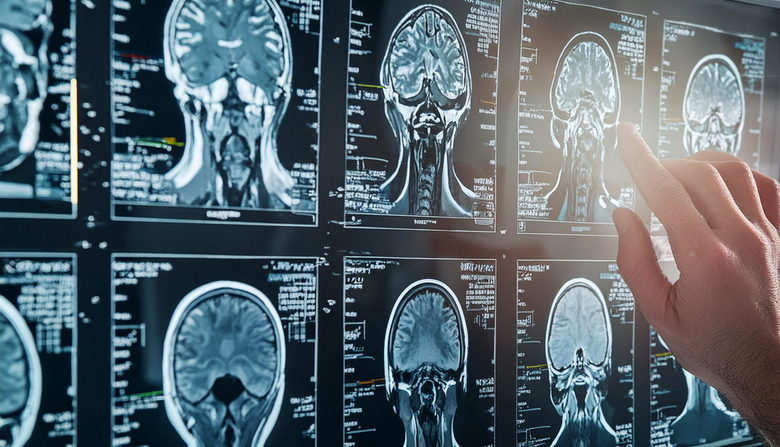
Multiple sclerosis
Multiple sclerosis is a disorder of the brain and spinal cord. It can cause various symptoms. In most cases, episodes of symptoms come and go for several years. In time, some symptoms can become permanent and can cause disability. Although there is no cure for multiple sclerosis, various medicines and therapies may reduce the number of flare-ups and can help to ease symptoms and disability.
by Dr Hayley Willacy, FRCGP

Children's health
Juvenile idiopathic arthritis
Juvenile idiopathic arthritis is a condition in which persisting joint inflammation first occurs in children under the age of 16 years. Affected joints become painful and swollen, and can become damaged. Juvenile idiopathic arthritis cannot generally be cured but there are effective treatments. These help symptoms, prevent any long-standing joint problems, and can lead to remission.
by Dr Doug McKechnie, MRCGP

Preventative health
Rainbow Dance Seated
Sit comfortably toward the front of the chair with your feet flat on the floor, knees slightly apart and aligned with the hips. Keep the spine long and relaxed. Open your arms out to the sides, imagining you are holding a rainbow — each palm supporting one end of its arc. Gently shift your weight into one sit bone, and as you do, bend sideways toward the opposite side (so if you shift right, you lean left). Keep the movement soft and spacious, lifting through the ribs rather than collapsing. This gentle lateral stretch supports the Stomach meridian, traditionally linked with digestion and overall nourishment. The movement can also help release tension across the shoulders and encourage ease in the nervous system. Return to centre, switch sides, and continue flowing side to side, as though moving beneath a rainbow that arches and softens with each breath.
Related patient information and medicines
Patient information leaflet
Localised scleroderma
Localised scleroderma causes one or more patches of hard skin. There are different types. It is two or three times more common in women t... It can occur at any age and is as common in children as it is in adults. About 3 in a million children in the UK and Ireland develop localised scleroderma every year. Children are nine or ten times more.

Patient information leaflet
Immunisation for flu
Getting the flu vaccine is a safe and effective way to protect against becoming seriously ill with flu. What is the flu jab for. Certain groups of people, such as older adults and young children, are at higher risk from flu infection. Getting the flu vaccine reduces the risk of catching flu, and also reduces the chances of becoming seriously.

Patient information leaflet
Joint pain
Paget's disease of bone : see the separate leaflet called Paget's disease of bone Page... Causes of joint pain in children and adolescents Many of the causes of joint pain in adults can also be the cause in children. However, because of developing bones and joints, there are other conditions that can cause joint pain in children and teenagers..

Patient information leaflet
Huntington's disease
What is Huntington's disease. Huntington's disease is a genetically inherited condition that gradually damages brain function. It progresses over time, often proving fatal by the age of 40 - 50. Between 5-10 in 100 people with H... This is known as juvenile Huntington's disease. It can cause more severe symptoms. It is all part of the way that.
Patient information leaflet
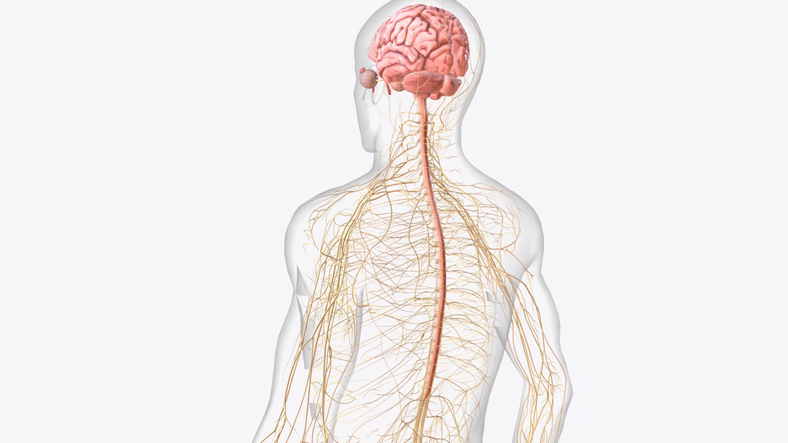
Motor neurone disease
Motor neurone disease (MND) is a neurological condition causes a progressive weakness and wasting of many of the muscles in the body. There are various types of motor neurone disease. This leaflet is mainly about amyotrophic lateral sclerosis (ALS), which is the most common type of motor neurone disease. Although there is no cure for motor neurone.

Patient information leaflet
COVID-19
Conditions causing weakened immune systems. Medical treatments causing weakened immune systems (like steroid medicines Oral steroids , antibody treatments, or chemotherapy Chemotherapy ). Rare conditions affecting the brain and nerves, like multiple sclerosis Multiple sclerosis , motor neurone disease Motor neurone disease , Huntington's disease.
Further reading and references
- Juvenile primary lateral sclerosis; MedlinePlus, National Library of Medicine.
- Hadano S, Kunita R, Otomo A, Suzuki-Utsunomiya K, Ikeda JE. Molecular and cellular function of ALS2/alsin: implication of membrane dynamics in neuronal development and degeneration. Neurochem Int. 2007 Jul-Sep;51(2-4):74-84. doi: 10.1016/j.neuint.2007.04.010. Epub 2007 May 4.
- Mintchev N, Zamba-Papanicolaou E, Kleopa KA, Christodoulou K. A novel ALS2 splice-site mutation in a Cypriot juvenile-onset primary lateral sclerosis family. Neurology. 2009 Jan 6;72(1):28-32. doi: 10.1212/01.wnl.0000338530.77394.60.
- Orrell RW. ALS2-Related Disorder. 2005 Oct 21 [updated 2021 May 13]. In: Adam MP, Bick S, Mirzaa GM, Wallace SE, Amemiya A, editors. GeneReviews(R) [Internet]. Seattle (WA): University of Washington, Seattle; 1993-2026. Available from http://www.ncbi.nlm.nih.gov/books/NBK1243/
- Panzeri C, De Palma C, Martinuzzi A, Daga A, De Polo G, Bresolin N, Miller CC, Tudor EL, Clementi E, Bassi MT. The first ALS2 missense mutation associated with JPLS reveals new aspects of alsin biological function. Brain. 2006 Jul;129(Pt 7):1710-9. doi: 10.1093/brain/awl104. Epub 2006 May 2.
- Yang Y, Hentati A, Deng HX, Dabbagh O, Sasaki T, Hirano M, Hung WY, Ouahchi K, Yan J, Azim AC, Cole N, Gascon G, Yagmour A, Ben-Hamida M, Pericak-Vance M, Hentati F, Siddique T. The gene encoding alsin, a protein with three guanine-nucleotide exchange factor domains, is mutated in a form of recessive amyotrophic lateral sclerosis. Nat Genet. 2001 Oct;29(2):160-5. doi: 10.1038/ng1001-160.
Share your thoughts or experiences with others in our patient communities.
Simple access to trusted treatments and health services online.
Common conditions
Get help with common conditions through the NHS, without a GP appointment.





Sign up to the Patient newsletter
Your weekly dose of clear, trustworthy health advice - written to help you feel informed, confident and in control.
By subscribing you accept our Privacy Policy. You can unsubscribe at any time. We never sell your data.