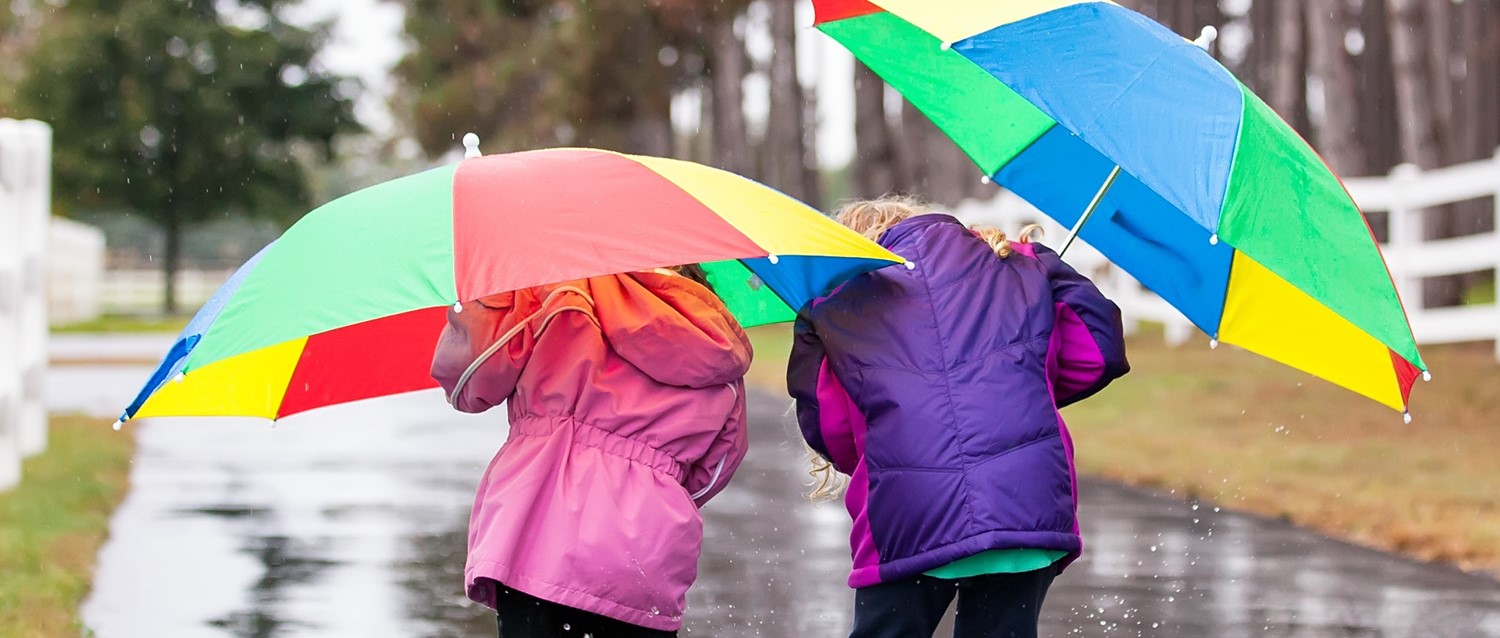
1 in 5 children starting primary school are not fully protected against serious illnesses
Peer reviewed by Dr Colin Tidy, MRCGPAuthored by Lawrence HigginsOriginally published 31 Aug 2025
Meets Patient’s editorial guidelines
- DownloadDownload
- Share
- Language
- Discussion
- Audio Version
- Add to preferred sources on Google
Around 1 in 5 children going back to school are not protected against several serious illnesses.
Read here about why UK Health Security Agency (UKHSA) and NHS England urge you to check your child’s vaccination record and catch up on any missed jabs, and what illnesses the vaccinations protect against.
Low numbers of vaccination uptake
The UKHSA’s latest annual uptake data on childhood vaccines (April 2024-March 2025) shows 18.6% of children -around 1 in 5 - starting primary school, have not received their pre-school booster jab. This means they are not fully protected against, and vulnerable to catching, serious illnesses including polio and whooping cough.
The data reports on children who turned 5 between 1 April 2024 and 31 March 2025. In England over the last 10 years, the coverage or uptake rates for the pre-school booster peaked at 86.3% in 2015 to 2016. The latest data, at 81.4%, is nearly 5% lower than the peak. Outside of London, the coverage for England was 85.0%.
Dr Mary Ramsay, Director of Immunisation at UKHSA, says: “Far too many children will not be fully protected and safe when starting school and are at risk of serious diseases, such as measles and whooping cough, that have in recent years caused outbreaks. Parents should check your children are up to date with all their jabs and, if not, contact your GP practice as soon as possible.”
The 4-in-1 pre-school booster
The 4-in-1 pre-school booster, given from 3 years 4 months of age, boosts the protection provided by previous vaccines given to babies. It ensures children have the essential protection they need when starting primary school.
The 4-in-1 jab helps protect children against:
Diphtheria.
The 6-in-1 vaccine
Uptake of the 6-in-1 vaccine – given in three doses to babies at 8, 12, and 16 weeks old - has increased slightly to 92.8% but is still short of the 95.6% peak.
The 6-in-1 vaccine protects babies against:
Diphtheria.
Hib (Haemophilus influenzae type b).
Polio.
Tetanus.
Whooping cough.
Regional vaccination variations
Childhood vaccination coverage varies significantly geographically and continues to be lowest for all the uptake indicators in London.
In England, areas in the north consistently perform better than other areas. Pre-school booster rates for Cumbria, Country Durham and East Riding of Yorkshire, Barnsley, and Northumberland are all above 92% compared with the overall England coverage of 81.4%.
NHS England is helping parents to vaccinate their children with initiatives such as hosting extra clinics, catch up opportunities in schools, and localised outreach projects to target low uptake areas across the country. This has had some success with MMR1 uptake stabilising at 91.8% - but that’s still not enough to prevent outbreaks.
Health Minister Stephen Kinnock says: We’re working with the NHS to make it easier for all families to access these life-saving vaccines to save thousands of lives every year and prevent countless hospital admissions. I urge all parents to check their child’s vaccination record.”
More information on vaccinations is available at nhs.uk.
Patient picks for Vaccinations

Children's health
Measles is back: why vaccines matter
Vaccines have been at the forefront in recent years, especially after the COVID-19 pandemic. While coronavirus vaccines have dominated the conversation, awareness of others, such as the MMR vaccine, which protects against measles, mumps, and rubella, has quietly declined.
by Victoria Raw
Children's health
Should your child get the chickenpox vaccine?
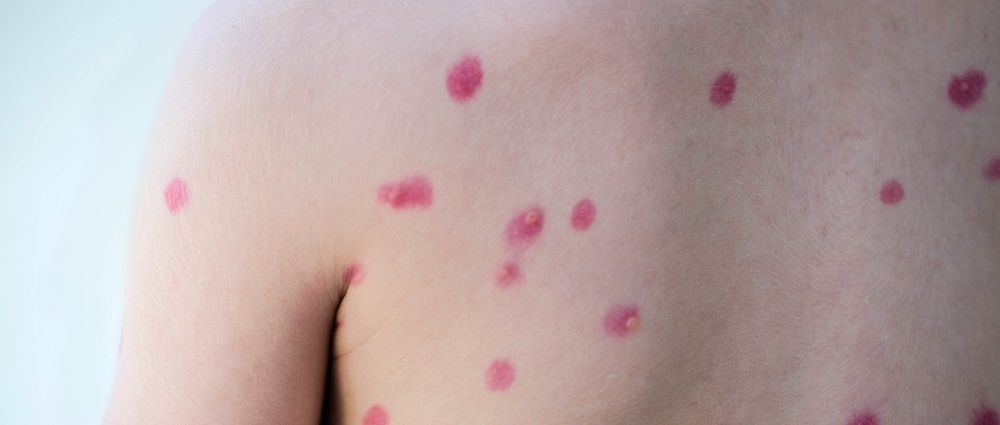
Many of us will remember having chickenpox as a child. The itchy red spots were almost impossible to stop scratching, but doing so could lead to scarring. In an attempt to soothe the itch, parents would douse us in calamine lotion and oatmeal baths. But now, instead of catching the virus to provide immunity, there’s another route parents can choose - the chickenpox vaccine.
by Lydia Smith
About the authorView full bio
Authored by

Lawrence Higgins
Managing editor
BSc, Post Graduate Diploma
Lawrence has worked as both Managing Editor of Patient.info and a contributing author. He is also a member of the Guild of Health Writers.
About the reviewerView full bio

Dr Colin Tidy, MRCGP
General Practitioner, Medical Author
MBBS, MRCGP, MRCP (Paediatrics), DCH
Dr Colin Tidy is an NHS Doctor, based in Oxfordshire.
Article history
Article also available in English, German, Spanish, French, Italian, Portuguese, Hindi, Hebrew, Arabic, and Swedish.
Next review due: 31 Aug 2028
31 Aug 2025 | Originally published
Authored by:
Lawrence HigginsPeer reviewed by
Dr Colin Tidy, MRCGP
Join the conversation
Share your thoughts or experiences with others in our patient communities.

Ask, share, connect.
Browse discussions, ask questions, and share experiences across hundreds of health topics.

Feeling unwell?
Assess your symptoms online for free
Sign up to the Patient newsletter
Your weekly dose of clear, trustworthy health advice - written to help you feel informed, confident and in control.
By subscribing you accept our Privacy Policy. You can unsubscribe at any time. We never sell your data.