
What are the school COVID rules October 2023?
Peer reviewed by Dr Krishna Vakharia, MRCGPAuthored by Amberley DavisOriginally published 20 Oct 2023
Meets Patient’s editorial guidelines
- DownloadDownload
- Share
- Language
- Discussion
- Ask Patient
- Audio Version
- Add to preferred sources on Google
As we enter the winter months, your child may be showing symptoms that make you wonder whether they can go to school. We explain the UK government's latest guidance on school COVID rules October 2023.
Video picks for Pandemic articlesVideo library
The guidance in this article is taken from the official government guidance for the UK on GOV.UK. The information below is accurate for October 2023, but please feel free to visit educationhub.blog.gov.uk to check for any updates to guidelines.
What are the latest school COVID rules?
COVID-19 presents a low risk to children, and being able to attend school is important for their wellbeing and academic performance. As a result, there are no longer specific rules in place to stop your child going to school or college.
Instead, you're encouraged to treat your child's respiratory symptoms the same way you would before the COVID-19 pandemic - like the common cold or flu, which have very similar symptoms to COVID-19 and pose the same low-level threat to children.
Here's a summary of the latest government guidance for school COVID rules1:
If your child has COVID-like symptoms - don't test for COVID-19, unless told to by a health professional.
If their symptoms are mild - for example, your child has a sore throat, runny nose, or slight cough but are otherwise feeling well, they can attend school.
If they have a temperature - if your child has a high temperature and feels unwell, they should stay at home and avoid contact with other people where possible. They can go back to school when they no longer have a high temperature and feel well enough.
If you take a test and they test positive for COVID-19, the guidance is to try to stay at home and try to avoid other people for 3 days if they are under 18 years old - or 5 days if they are 18 or over.
COVID rules for vulnerable children
Your child may have a health condition that leaves them more vulnerable to a serious COVID-19 infection - for example if they have a weakened immune system, severe liver disease, Down's syndrome, or are receiving cancer treatment.
In this case the COVID rules are:
You should test your child for COVID-19 - they will likely be eligible for a free NHS test, but you can also buy them from pharmacies.
You should try and keep them at home - to avoid contact with others. This is only for three days, as children tend to be infectious for less time than adults.
Why is COVID-19 being dealt with the same as flu or a cold?
COVID-19 is a respiratory infection like the common cold and flu. In March 2023, the World Health Organization (WHO) stated that COVID-19 was reaching a point where it can be treated the same way as seasonal flu - as a virus that is a threat to some people, but one that for most will only cause temporary symptoms, and will continue to evolve each year without causing more severe disease2.
As evidence for this, UK hospitalisations from COVID-19 have remained low throughout 2023 - despite new COVID-19 variants and new symptoms of the Pirola strain.
This is largely due to the high rates of COVID-19 vaccination which are helping to protect society's most vulnerable. As we have seen with all common viruses that circulate in the colder months, children continue to be the most resilient to COVID-19 in the general population.
We also can't underestimate the importance of keeping our children in school. Time in school helps students stay safe, develop social skills, and reach their potential. High attendance is directly linked to how well your child does in their GCSE and A Levels3.
Further reading
Patient picks for Pandemic articles

COVID-19
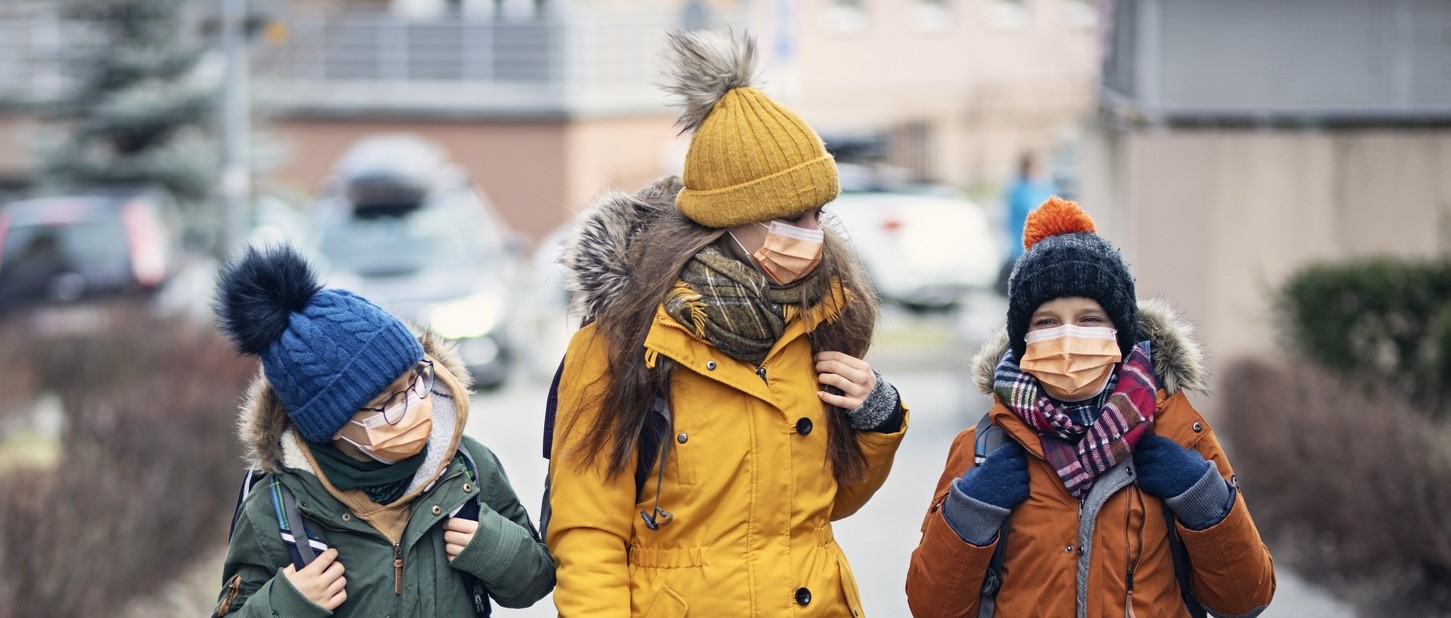
COVID-19 coronavirus: what can I do under the new rules?
In an unprecedented effort to contain the coronavirus outbreak which has caused tens of thousands of deaths globally, the UK Government has tightened social distancing measures on the population. But what do these restrictions mean and what realistic impact will they have?
by Milly Evans
COVID-19
COVID-19: how to manage back-to-school worries
From 8th March, pupils across England will be heading back to school. But with the pandemic still affecting our daily lives, many children have found their familiar school has undergone significant change, both in terms of rules, structure and environment.
by Gillian Harvey
COVID-19
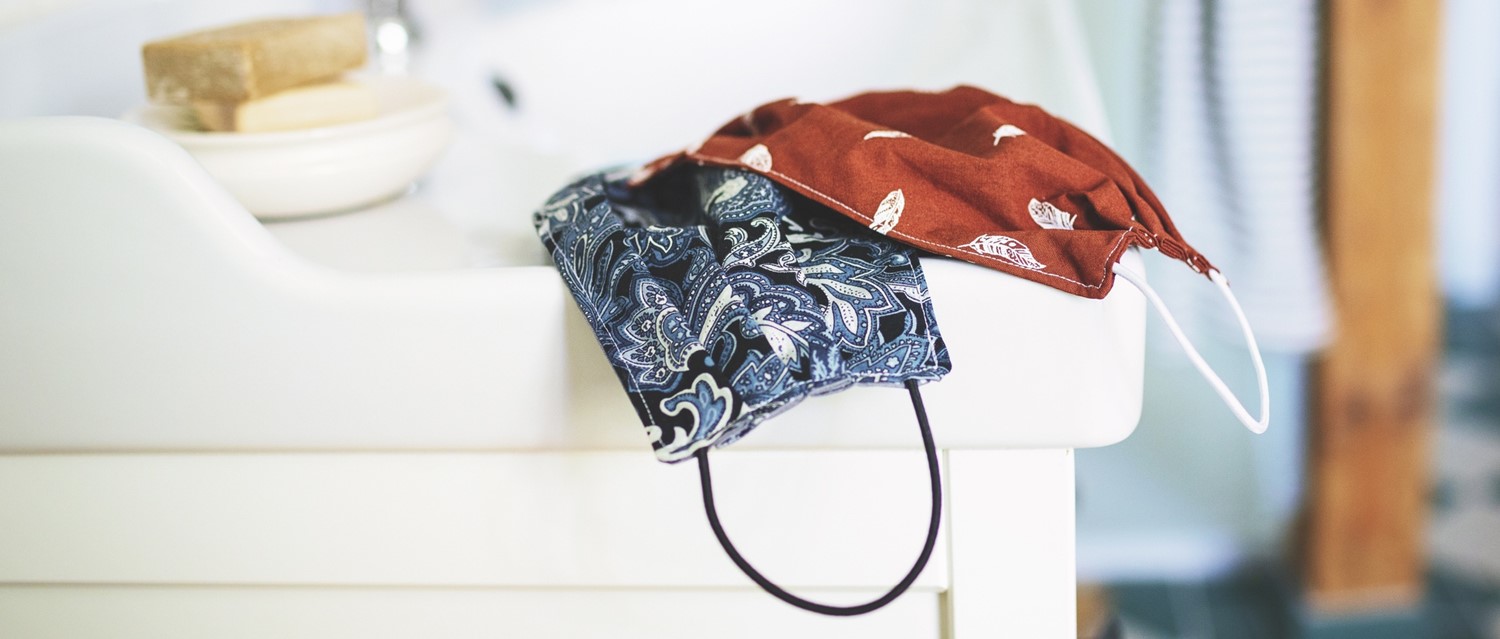
What are the latest rules on face masks in the UK?
As rules ease slightly in some parts of the UK, new measures are introduced to keep us safe as our exposure to the outside world increases. One of these measures is wearing a face mask or covering which, in England, has become mandatory in some situations.
by Milly Evans

COVID-19
COVID-19: is it safe to send your kids back to school?
The UK Government has scrapped its plan to get all children back to primary schools in England before the summer holidays. But as more parents return to work over the coming weeks as some shops and businesses open up, they are left with a difficult decision - is it safe for children to go back to school? We look at the science behind the headlines.
by Gillian Harvey

COVID-19
Are the new COVID-19 swab tests accurate?
The last year has seen a flurry of announcements about rapid access swab tests. But what are the practicalities of having one of these new tests and should you trust them?
by Dr Sarah Jarvis
COVID-19
What are the symptoms of the COVID-19 variant Pirola?
Cases of COVID-19 are on the rise, fuelled by the spread of a new variant called Pirola. But how can you tell if you have the virus - and should you isolate yourself?
by Lydia Smith
About the authorView full bio
Authored by

Amberley Davis
Senior writer
BA (Hons), CPD
Amberley is a senior writer with Patient and has written extensively on a range of health and wellbeing topics.
About the reviewerView full bio

Dr Krishna Vakharia, MRCGP
Chief Medical Officer for Health, Optum UK
MBChB, MRCGP(2013), BMedSci (hons), DFSRH, DRCOG, PGDipDerm (Distn)
Dr Krishna Vakharia is an NHS GP. She is also a regular examiner for the postgraduate Diploma in Practical Dermatology at Cardiff University as well as being the Chief Medical Officer for health at Optum UK.
Article history
Article also available in English, German, Spanish, French, Italian, Portuguese, Hindi, Hebrew, Arabic, and Swedish.
20 Oct 2023 | Originally published
Authored by:
Amberley DavisPeer reviewed by
Dr Krishna Vakharia, MRCGP
Share your thoughts or experiences with others in our patient communities.
Sign up to the Patient newsletter
Your weekly dose of clear, trustworthy health advice - written to help you feel informed, confident and in control.
By subscribing you accept our Privacy Policy. You can unsubscribe at any time. We never sell your data.