Lissencephaly with cerebellar hypoplasia
Last updated 18 Aug 2020
Meets Patient’s editorial guidelines
- DownloadDownload
- Share
- Language
- Discussion
- Ask Patient
- Audio Version
- Add to preferred sources on Google
Lissencephaly with cerebellar hypoplasia (LCH) affects brain development, resulting in the brain having a smooth appearance (lissencephaly) instead of its normal folds and grooves. In addition, the part of the brain that coordinates movement is unusually small and underdeveloped (cerebellar hypoplasia). Other parts of the brain are also often underdeveloped in LCH, including the hippocampus, which plays a role in learning and memory, and the part of the brain that is connected to the spinal cord (the brainstem).
Video picks for Genetic conditionsVideo library
Description
Lissencephaly with cerebellar hypoplasia (LCH) affects brain development, resulting in the brain having a smooth appearance (lissencephaly) instead of its normal folds and grooves. In addition, the part of the brain that coordinates movement is unusually small and underdeveloped (cerebellar hypoplasia). Other parts of the brain are also often underdeveloped in LCH, including the hippocampus, which plays a role in learning and memory, and the part of the brain that is connected to the spinal cord (the brainstem).
Individuals with LCH have moderate to severe intellectual disability and delayed development. They have few or no communication skills, extremely poor muscle tone (hypotonia), problems with coordination and balance (ataxia), and difficulty sitting or standing without support. Most affected children experience recurrent seizures (epilepsy) that begin within the first months of life. Some affected individuals have nearsightedness (myopia), involuntary eye movements (nystagmus), or puffiness or swelling caused by a buildup of fluids in the body's tissues (lymphedema).
Inheritance patterns
The source lists the following possible inheritance patterns: Autosomal dominant; Autosomal recessive. More than one pattern can apply in different cases.
Related genes
Other names
LCH
LIS2
LIS3
Lissencephaly 2
Lissencephaly 3
Lissencephaly syndrome, Norman-Roberts type
Norman-Roberts syndrome
Patient picks for Genetic conditions

General health and lifestyle
Book a Pharmacy First online consultation
NHS Pharmacy First is a new scheme from the Government and NHS in England. It allows patients to get treatment, including prescription medications where necessary, for common conditions without t... Through NHS Pharmacy First, My Local Surgery offers fast, free private online consultations with an NHS pharmacist for quick diagnosis and.
by Thomas Andrew Porteus, MBCS
Preventative health
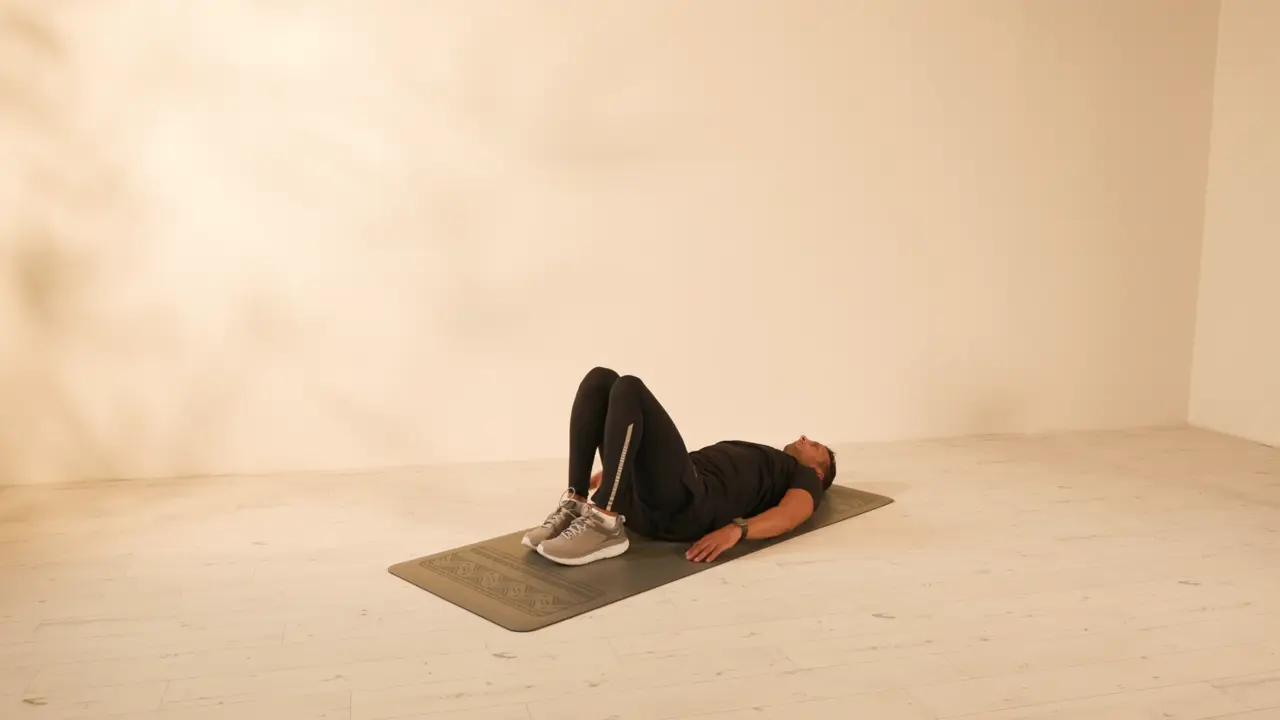
Lying Supine Lower Back Stretch with Double Knee Drop
Lie on your back with your knees bent and feet flat on the ground. Drop both knees to one side while keeping your shoulders on the ground allowing your head and neck to rotate to the opposite side. This stretch eases tension in the lower back.
Preventative health
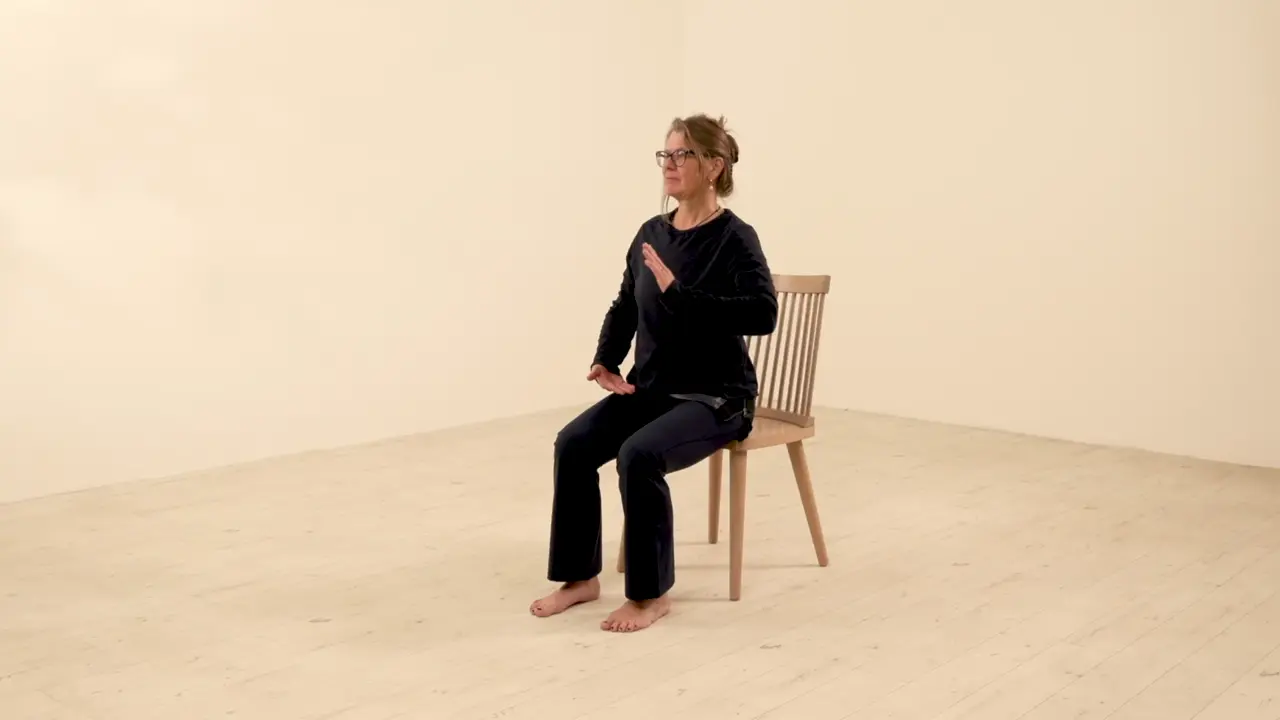
Spinal Twist and Back Glance
Spinal Twist and Back Glance combines a gentle torso rotation with a backward gaze to release tension in the spine and shoulders. It enhances mobility, balance, and postural awareness.
Preventative health
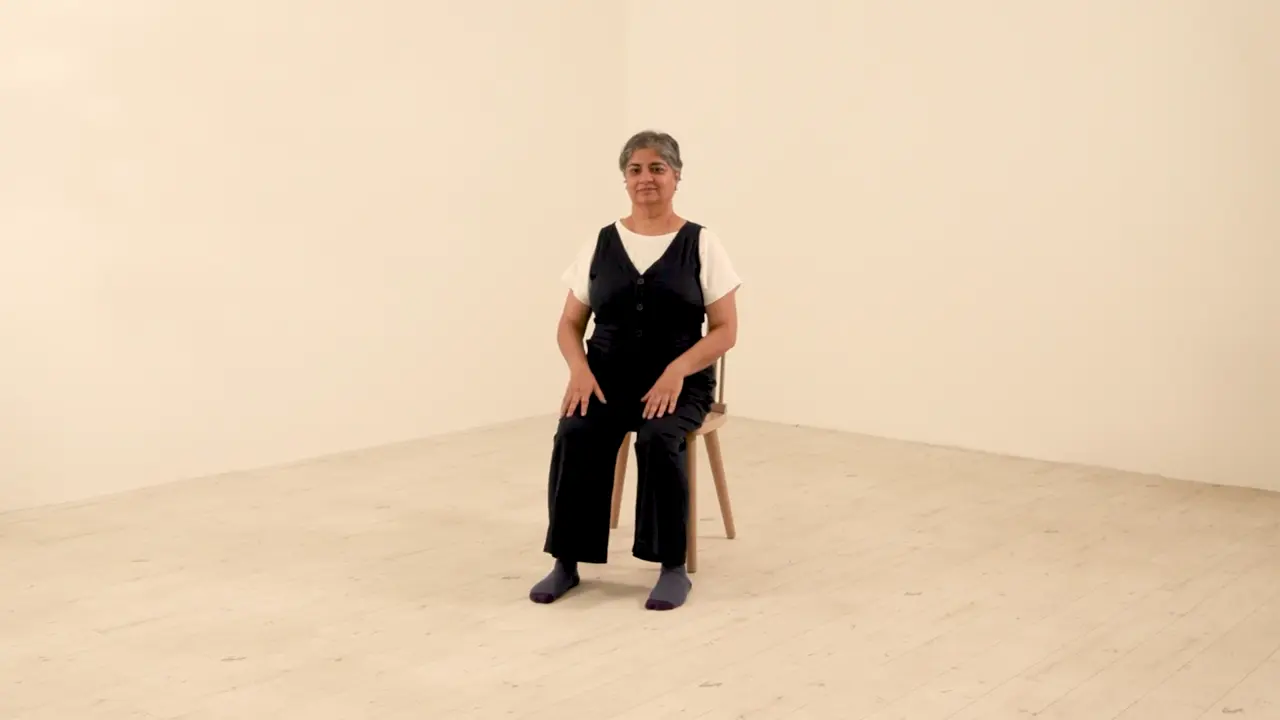
Rainbow Dance Seated
Sit comfortably toward the front of the chair with your feet flat on the floor, knees slightly apart and aligned with the hips. Keep the spine long and relaxed. Open your arms out to the sides, imagining you are holding a rainbow — each palm supporting one end of its arc. Gently shift your weight into one sit bone, and as you do, bend sideways toward the opposite side (so if you shift right, you lean left). Keep the movement soft and spacious, lifting through the ribs rather than collapsing. This gentle lateral stretch supports the Stomach meridian, traditionally linked with digestion and overall nourishment. The movement can also help release tension across the shoulders and encourage ease in the nervous system. Return to centre, switch sides, and continue flowing side to side, as though moving beneath a rainbow that arches and softens with each breath.

Medicine
Combined hormonal contraceptives
Carefully read and follow the printed information leaflet from inside your pack.
by Michael Stewart, MRPharmS
Lower body stretch & mobilise exercises
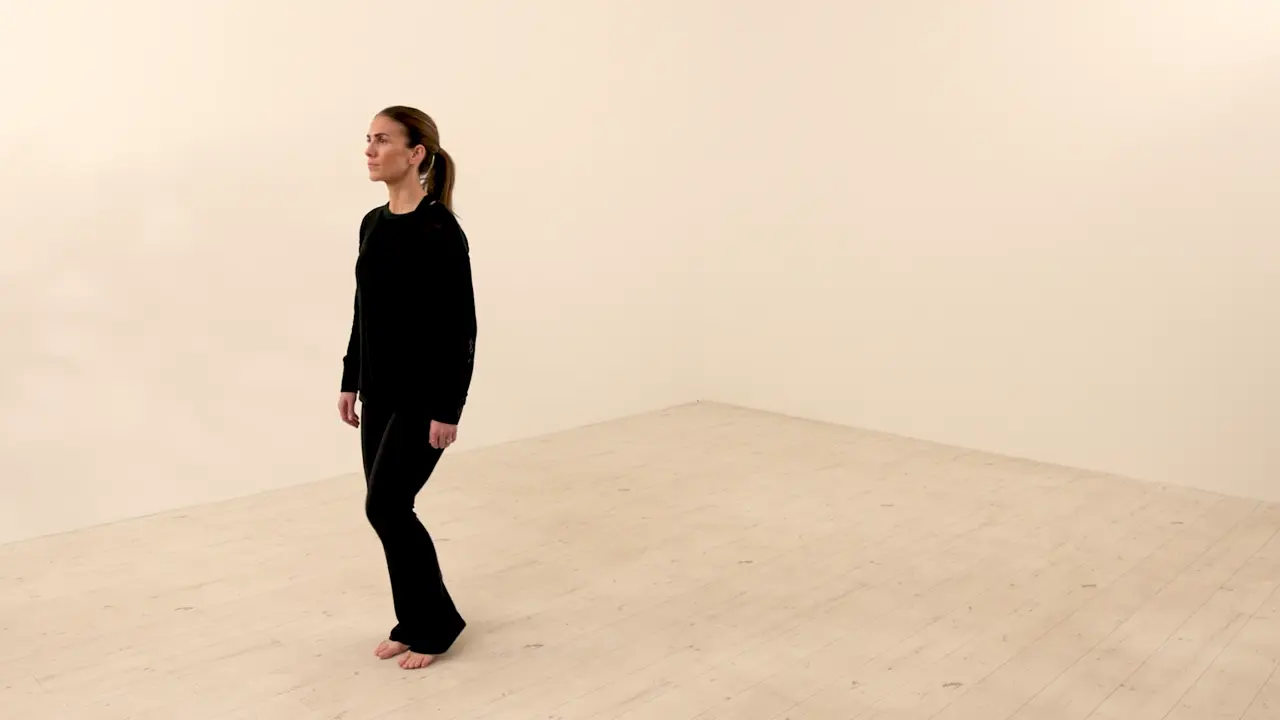
Tai Chi Walking – Backward
Tai Chi Walking – Backward uses slow, controlled backward stepping with careful weight transfer between the feet. The movement challenges balance while encouraging awareness of posture and foot placement. This exercise helps improve coordination, stability, and confidence when stepping backward.
Related patient information and medicines

Patient information leaflet
Dealing with eye injuries
This leaflet is created from first aid advice provided by St John Ambulance, the nation's leading first aid charity. This advice is no substitute for first aid training - find a training course near you. ... When should I worry about eye pain. Dr Sarah Jarvis MBE For more information on the eyes, go to.

Patient information leaflet
Living with a long-term condition
A long-term condition cannot be cured but its symptoms and complications may be controlled with treatment. Examples are arthritis, asthma, diabetes, epilepsy and high blood pressure. Long-term conditions can have an effect on your role within the family, your job, where you live, your education and your finances. However, there are many sources of.

Patient information leaflet
Diabetic kidney disease
Diabetic kidney disease is a complication that occurs in some people with diabetes. It can progress to kidney failure in some cases. Treatment aims to prevent or delay the progression of the disease. Also, it aims to reduce the risk of developing cardiovascular diseases such as heart attack and stroke which are much more common than average in.

Patient information leaflet
Living with epilepsy
This leaflet is a brief introduction to the practical considerations of living with epilepsy. Pharmacists can advise you further about this ... Dr Sarah Jarvis , 4th June 2021 Updated guidance on medications for epilepsy The National Institute for Health and Care Excellence (NICE) has updated its guidance on epilepsy in relation to women of.

Patient information leaflet
Can I take Evening primrose oil and Turmeric with black pepper together?
Taking evening primrose oil and turmeric together may increase your risk of bruising or bleeding. This is because both supplements have properties that can thin the blood or slow down the formation of blood clots. Why this happens Evening primrose oil contains gamma-linolenic acid (GLA), which can interfere with how platelets (the cells that help.

Patient information leaflet
Granulomatosis with polyangiitis
Treatment with medicines to reduce the activity of the immune system and treatment with steroids have improved the outlook considerably. What is granulomatosis with polyangiitis and who develops it. Granulomatosis with polyangiitis (GPA) is one of a group of conditions that causes inflammation of the blood vessels of the body (vasculitis). GPA.
Further reading and references
- Lissencephaly with cerebellar hypoplasia; MedlinePlus, National Library of Medicine.
- Chang BS, Duzcan F, Kim S, Cinbis M, Aggarwal A, Apse KA, Ozdel O, Atmaca M, Zencir S, Bagci H, Walsh CA. The role of RELN in lissencephaly and neuropsychiatric disease. Am J Med Genet B Neuropsychiatr Genet. 2007 Jan 5;144B(1):58-63. doi: 10.1002/ajmg.b.30392.
- Gressens P. Pathogenesis of migration disorders. Curr Opin Neurol. 2006 Apr;19(2):135-40. doi: 10.1097/01.wco.0000218228.73678.e1.
- Hong SE, Shugart YY, Huang DT, Shahwan SA, Grant PE, Hourihane JO, Martin ND, Walsh CA. Autosomal recessive lissencephaly with cerebellar hypoplasia is associated with human RELN mutations. Nat Genet. 2000 Sep;26(1):93-6. doi: 10.1038/79246.
- Kumar RA, Pilz DT, Babatz TD, Cushion TD, Harvey K, Topf M, Yates L, Robb S, Uyanik G, Mancini GM, Rees MI, Harvey RJ, Dobyns WB. TUBA1A mutations cause wide spectrum lissencephaly (smooth brain) and suggest that multiple neuronal migration pathways converge on alpha tubulins. Hum Mol Genet. 2010 Jul 15;19(14):2817-27. doi: 10.1093/hmg/ddq182. Epub 2010 May 12.
- Ross ME, Swanson K, Dobyns WB. Lissencephaly with cerebellar hypoplasia (LCH): a heterogeneous group of cortical malformations. Neuropediatrics. 2001 Oct;32(5):256-63. doi: 10.1055/s-2001-19120.
- Zaki M, Shehab M, El-Aleem AA, Abdel-Salam G, Koeller HB, Ilkin Y, Ross ME, Dobyns WB, Gleeson JG. Identification of a novel recessive RELN mutation using a homozygous balanced reciprocal translocation. Am J Med Genet A. 2007 May 1;143A(9):939-44. doi: 10.1002/ajmg.a.31667.
Share your thoughts or experiences with others in our patient communities.
Simple access to trusted treatments and health services online.
Common conditions
Get help with common conditions through the NHS, without a GP appointment.





Sign up to the Patient newsletter
Your weekly dose of clear, trustworthy health advice - written to help you feel informed, confident and in control.
By subscribing you accept our Privacy Policy. You can unsubscribe at any time. We never sell your data.