Primary coenzyme Q10 deficiency
Last updated 18 Aug 2020
Meets Patient’s editorial guidelines
- DownloadDownload
- Share
- Language
- Discussion
- Ask Patient
- Audio Version
- Add to preferred sources on Google
Primary coenzyme Q10 deficiency is a disorder that can affect many parts of the body, especially the brain, muscles, and kidneys. As its name suggests, the disorder involves a shortage (deficiency) of a substance called coenzyme Q10.
Video picks for Genetic conditionsVideo library
Description
Primary coenzyme Q10 deficiency is a disorder that can affect many parts of the body, especially the brain, muscles, and kidneys. As its name suggests, the disorder involves a shortage (deficiency) of a substance called coenzyme Q10.
The severity, combination of signs and symptoms, and age of onset of primary coenzyme Q10 deficiency vary widely. In the most severe cases, the condition becomes apparent in infancy and causes severe brain dysfunction combined with muscle weakness (encephalomyopathy) and the failure of other body systems. These problems can be life-threatening. The mildest cases of primary coenzyme Q10 deficiency can begin as late as a person's sixties and often cause cerebellar ataxia, which refers to problems with coordination and balance due to defects in the part of the brain that is involved in coordinating movement (cerebellum). Other neurological abnormalities that can occur in primary coenzyme Q10 deficiency include seizures, intellectual disability, poor muscle tone (hypotonia), involuntary muscle contractions (dystonia), progressive muscle stiffness (spasticity), abnormal eye movements (nystagmus), vision loss caused by degeneration (atrophy) of the optic nerves or breakdown of the light-sensing tissue at the back of the eyes (retinopathy), and sensorineural hearing loss (which is caused by abnormalities in the inner ear). The neurological problems gradually get worse unless treated with coenzyme Q10 supplementation.
A type of kidney dysfunction called nephrotic syndrome is another common feature of primary coenzyme Q10 deficiency. It can occur with or without neurological abnormalities. Nephrotic syndrome occurs when damage to the kidneys impairs their function, which allows protein from the blood to pass into the urine (proteinuria). Other signs and symptoms of nephrotic syndrome include increased cholesterol in the blood (hypercholesterolemia), an abnormal buildup of fluid in the abdominal cavity (ascites), and swelling (edema). Affected individuals may also have blood in the urine (hematuria), which can lead to a reduced number of red blood cells in the body (anaemia), abnormal blood clotting, or reduced amounts of certain white blood cells. Low white blood cell counts can lead to a weakened immune system and frequent infections in people with nephrotic syndrome. If not treated with coenzyme Q10 supplementation, affected individuals eventually develop irreversible kidney failure (end-stage renal disease).
A type of heart disease that enlarges and weakens the heart muscle (hypertrophic cardiomyopathy) can also occur in primary coenzyme Q10 deficiency.
Inheritance patterns
The source lists the following possible inheritance patterns: Autosomal recessive. More than one pattern can apply in different cases.
Related genes
Other names
Coenzyme Q deficiency
CoQ deficiency
Primary CoQ10 deficiency
Ubiquinone deficiency
Patient picks for Genetic conditions
Diet and nutrition
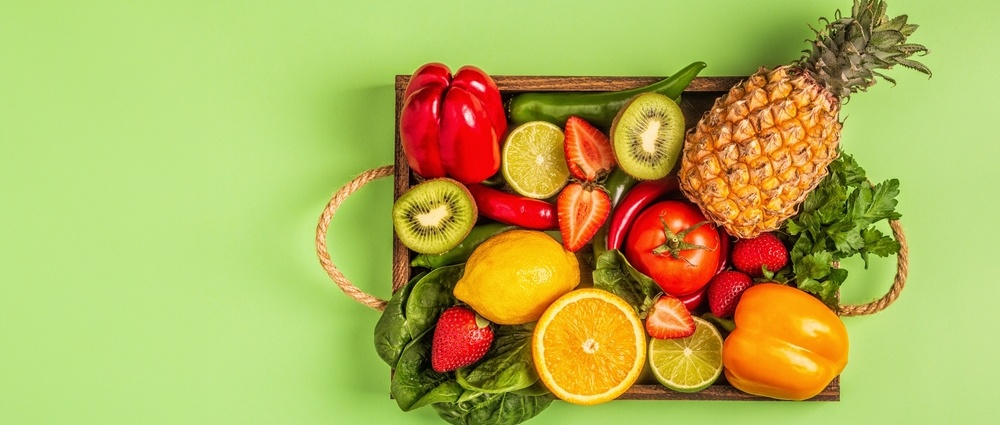
Vitamin C: benefits, sources, and deficiency
Most of us know vitamin C is good for us, but do you know all the ways that this essential nutrient benefits your health? Here you can find out how easy it is to get enough vitamin C, as well as what happens when you consume too little and too much.
by Lynn Stephen
Healthy living
Vitamin C deficiency
Vitamin C cannot be made by the human body and so is an essential component of the diet. It is needed for the health and repair of various tissues in the body, including skin, bone, teeth and cartilage. Persistent lack of dietary vitamin C in can lead to a condition called scurvy. Symptoms of scurvy include easy bruising, easy bleeding and joint and muscle pains. Vitamin C deficiency can be treated with supplements of vitamin C and a diet rich in vitamin C.
by Dr Philippa Vincent, MRCGP
Digestive health
Primary sclerosing cholangitis
Primary sclerosing cholangitis is an uncommon condition affecting the bile ducts and liver. Inflammation and scarring of the bile ducts can lead to liver damage and cirrhosis - a condition where normal liver tissue is replaced by scar tissue (fibrosis). Different treatments are available to control symptoms that may develop and also to manage any complications which may occur. The outlook for people with primary sclerosing cholangitis can be very variable.
by Dr Colin Tidy, MRCGP
Digestive health
Primary biliary cholangitis
Primary biliary cholangitis (PBC) is a condition that slowly damages the bile ducts in your liver, leading to liver damage and, sometimes, liver scarring (cirrhosis).
by Dr Hayley Willacy, FRCGP
Healthy living
Zinc deficiency, excess and supplementation
Zinc is needed for many of the chemical reactions which are going on inside us all the time at micro-level. We get zinc from our diets but not getting enough can cause a wide variety of symptoms, some of which are very vague.
by Dr Toni Hazell, FRCGP

Children's health
Alpha-1 antitrypsin deficiency
Alpha-1 antitrypsin deficiency is an inherited genetic condition. A genetic condition is one that can be passed on from parents through genes. In alpha-1 antitrypsin deficiency the result of a genetic abnormality leads to lung and, in some people, liver damage. Lung symptoms are the most common and include shortness of breath, cough and wheezing. Symptoms can worsen over time. At present, there is no cure for alpha-1 antitrypsin deficiency. Treatment aims at slowing down the progression of the disease.
by Dr Philippa Vincent, MRCGP
Related patient information and medicines
Patient information leaflet
Antibody and antigen tests
For example, if you catch hepatitis C but you clear the virus naturally (which ... To diagnose autoimmune disorders Conditions such as thyroid disorders ( hyperthyroidism Overactive thyroid gland and hypothyroidism Underactive thyroid gland ), Addison's disease Addison's disease , pernicious anaemia Vitamin B12 deficiency and pernicious anaemia.

Patient information leaflet
Coeliac disease
Coeliac disease (also spelled celiac disease) mainly affects the part of the gut called the small intestine. Coeliac disease is caused by a reaction of the gut to gluten. What is coeliac disease. Diagram naming the parts of the gut The Gut - simple Coeliac disease is a condition that causes inflammation in the lining of part of the gut (the small.
Patient information leaflet
Vitamin C deficiency
Vitamin C cannot be made by the human body and so is an essential component of the diet. It is needed for the health and repair of various tissues in the body, including skin, bone, teeth and cartilage. Persistent lack of dietary vitamin C in can lead to a condition called scurvy. Symptoms of scurvy include easy bruising, easy bleeding and joint.

Patient information leaflet
Jaundice
Jaundice: yellowish pigmentation of the sclera Scleral icterus Causes of Jaundice It is useful to divide the causes of jaundice into four general areas: Conditions affecting the red blood cells. Conditions affecting the liver cells. Conditions affecting the tiny bile ducts within the liver. Conditions affecting the common bile duct outside the.

Patient information leaflet
Gastrointestinal malabsorption
Gastrointestinal malabsorption syndrome means a failure to fully absorb digested foods from the gut (bowel) into your body. There are many different causes. Prolonged intestinal malabsorption may cause problems because of a lack of carbohydrates, proteins, fats, minerals and vitamins that are essential to keep you healthy. The treatment will.
Patient information leaflet
Primary sclerosing cholangitis
Primary sclerosing cholangitis is an uncommon condition affecting the bile ducts and liver. Inflammation and scarring of the bile ducts can lead to liver damage and cirrhosis - a condition where normal liver tissue is replaced by scar tissue (fibrosis). Different treatments are available to control symptoms that may develop and also to manage any.
Further reading and references
- Primary coenzyme Q10 deficiency; MedlinePlus, National Library of Medicine.
- Acosta MJ, Vazquez Fonseca L, Desbats MA, Cerqua C, Zordan R, Trevisson E, Salviati L. Coenzyme Q biosynthesis in health and disease. Biochim Biophys Acta. 2016 Aug;1857(8):1079-1085. doi: 10.1016/j.bbabio.2016.03.036. Epub 2016 Apr 7.
- Desbats MA, Lunardi G, Doimo M, Trevisson E, Salviati L. Genetic bases and clinical manifestations of coenzyme Q10 (CoQ 10) deficiency. J Inherit Metab Dis. 2015 Jan;38(1):145-56. doi: 10.1007/s10545-014-9749-9. Epub 2014 Aug 5.
- Doimo M, Desbats MA, Cerqua C, Cassina M, Trevisson E, Salviati L. Genetics of coenzyme q10 deficiency. Mol Syndromol. 2014 Jul;5(3-4):156-62. doi: 10.1159/000362826.
- Emmanuele V, Lopez LC, Berardo A, Naini A, Tadesse S, Wen B, D'Agostino E, Solomon M, DiMauro S, Quinzii C, Hirano M. Heterogeneity of coenzyme Q10 deficiency: patient study and literature review. Arch Neurol. 2012 Aug;69(8):978-83. doi: 10.1001/archneurol.2012.206.
- Laredj LN, Licitra F, Puccio HM. The molecular genetics of coenzyme Q biosynthesis in health and disease. Biochimie. 2014 May;100:78-87. doi: 10.1016/j.biochi.2013.12.006. Epub 2013 Dec 16.
- Ozaltin F. Primary coenzyme Q10 (CoQ 10) deficiencies and related nephropathies. Pediatr Nephrol. 2014 Jun;29(6):961-9. doi: 10.1007/s00467-013-2482-z. Epub 2013 Jun 5.
- Quinzii CM, Emmanuele V, Hirano M. Clinical presentations of coenzyme q10 deficiency syndrome. Mol Syndromol. 2014 Jul;5(3-4):141-6. doi: 10.1159/000360490.
- Quinzii CM, Hirano M. Coenzyme Q and mitochondrial disease. Dev Disabil Res Rev. 2010;16(2):183-8. doi: 10.1002/ddrr.108.
Share your thoughts or experiences with others in our patient communities.
Simple access to trusted treatments and health services online.
Common conditions
Get help with common conditions through the NHS, without a GP appointment.





Sign up to the Patient newsletter
Your weekly dose of clear, trustworthy health advice - written to help you feel informed, confident and in control.
By subscribing you accept our Privacy Policy. You can unsubscribe at any time. We never sell your data.