Shingles
Last updated 18 Aug 2020
Meets Patient’s editorial guidelines
- DownloadDownload
- Share
- Language
- Discussion
- Ask Patient
- Audio Version
- Add to preferred sources on Google
Shingles (also known as herpes zoster) results from infection by the varicella zoster virus. This common virus causes chickenpox (also known as varicella), which is characterised by itchy spots on the skin that cover the whole body and usually occurs in childhood or adolescence. After the body fights the initial infection, the varicella zoster virus remains in nerve cells for the rest of a person's life. Because the virus is controlled by immune system cells called T cells, it is generally inactive (latent) and typically causes no health problems. However, in some people, the virus becomes active again (reactivates) and causes shingles. Shingles can occur at any age, although it is rare in childhood and becomes more common after age 50.
Video picks for Genetic conditionsVideo library
Description
Shingles (also known as herpes zoster) results from infection by the varicella zoster virus. This common virus causes chickenpox (also known as varicella), which is characterised by itchy spots on the skin that cover the whole body and usually occurs in childhood or adolescence. After the body fights the initial infection, the varicella zoster virus remains in nerve cells for the rest of a person's life. Because the virus is controlled by immune system cells called T cells, it is generally inactive (latent) and typically causes no health problems. However, in some people, the virus becomes active again (reactivates) and causes shingles. Shingles can occur at any age, although it is rare in childhood and becomes more common after age 50.
Shingles is characterised by a severely painful, itchy, or tingling rash, most commonly on one side of the torso, although it can occur anywhere on the body. Reactivation of the virus usually occurs in a single nerve, leading to the symptoms of shingles in just the region of skin connected to that nerve. When the nerve connected to the eye and the skin surrounding it is affected, the condition is called herpes zoster ophthalmicus. This form of shingles, which accounts for about 20 percent of cases, can cause permanent vision impairment.
Some individuals with shingles feel throbbing or tingling in the affected region shortly before the rash appears. Blisters form in the rash area, break open, and scab over in a few days. Healing usually takes 2 to 4 weeks. Most people have only one episode of shingles, although it can recur in rare cases.
In 5 to 20 percent of people with shingles, severe pain continues in the affected region after healing of the rash, which is known as postherpetic neuralgia (PHN). PHN is the most common complication of shingles. It can also involve severe itchiness or an overactive pain response to things that do not usually cause pain (allodynia), such as a light touch. PHN can last weeks, months, or even years. The likelihood of developing PHN after shingles and its severity increase with age. The pain caused by shingles and PHN can disrupt day-to-day activities and reduce a person's quality of life.
Inheritance patterns
The source lists the following possible inheritance patterns: Pattern unknown. More than one pattern can apply in different cases.
Related genes
Other names
Herpes zoster
Zoster
Patient picks for Genetic conditions
Infections
Shingles
Shingles is a rash caused by the varicella-zoster virus (the virus that causes chicken pox). After a chicken pox infection, the virus lies dormant in nerve cells and can be re-activated causing shingles.
by Dr Philippa Vincent, MRCGP

Infections
Shingles myths you should stop believing
Around one in five people will develop shingles at some time in their life, making it a relatively common illness. Yet, many misconceptions surround shingles, which can leave you unprepared if the virus catches you unawares. Here are some common myths - and some lesser-known truths - about the illness.
by Allie Anderson
Infections
How to protect yourself from shingles
There are hundreds of viruses out there. Lots of them cause rashes, especially in children. But shingles is easy to spot - it only affects a strip on one side of your body and stops precisely in the midline at the front and back. About 1 in 4 people will know all about the symptoms at some point in their lives, because they'll develop them - but how do you protect yourself if you've never had shingles?
by Dr Sarah Jarvis
Infections
Why have I been offered the shingles vaccine?
If you’re aged 70-79, you are eligible to receive a shingles vaccine free from the NHS. You may have received a notification about this recently, and be wondering whether to take up the offer. So what is the shingles vaccine? Why is it offered to this age group? And should you get the vaccine?
by Gillian Harvey
Medicine
Shingles vaccine
Zostavax® or Shingrix® are given as part of a vaccine immunisation programme to protect against shingles. The vaccine will be injected under your skin or into the muscle of your upper arm. The most common side-effects are tenderness at the site of the injection and headache. These should soon pass.
by Michael Stewart, MRPharmS

General infections
What is shingles?
Dr Sarah Jarvis MBE Shingles is a painful rash caused by an infection of a nerve underneath the skin with the varicella-zoster virus. [https://patient.info/health/shingles-herpes-zoster-leaflet](https://patient.info/health/shingles-herpes-zoster-leaflet)
by Dr Sarah Jarvis
Related patient information and medicines
Patient information leaflet
Shingles
Shingles is a rash caused by the varicella-zoster virus (the virus that causes chicken pox). After a chicken pox inf... Dr Sarah Jarvis MBE Shingles is a painful rash caused by an infection of a nerve underneath the skin with the varicella-zoster virus..
Patient information leaflet
Chickenpox in children
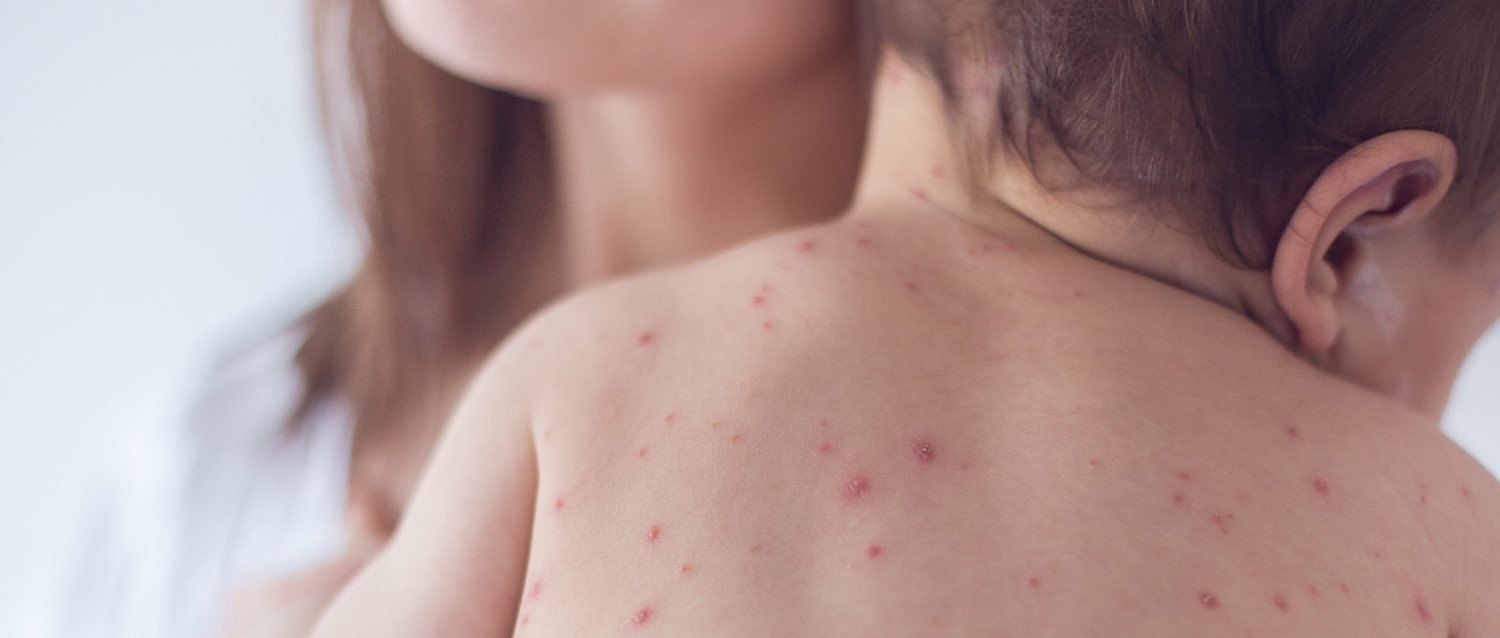
Shingles Shingles Shingles is caused by the same virus that causes chickenpox and is a very delayed complication of chickenpox. Shingles is an infection of a nerve and the area of skin supplied by the nerve. It causes a rash and pain in a local band-like area along the affected nerve. About 1 in 5 people have shingles at some time in their lives..
Patient information leaflet
Immunisation
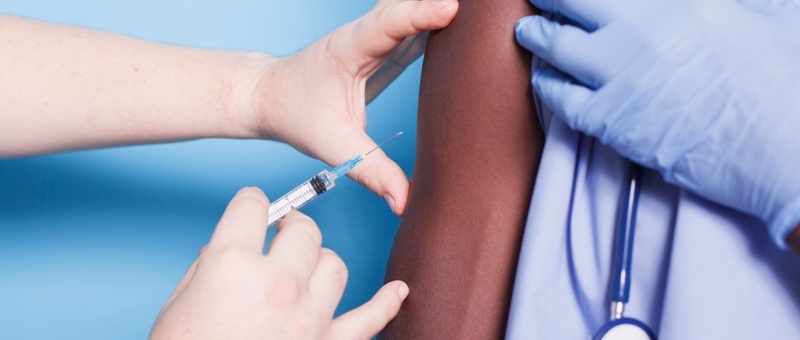
DTaP/IPV: for pregnant women from 16 weeks of gestation to protect the newborn baby against whooping cough or people... Shingles Shingles (Shingrix): for adults aged 70 or 78 years. (Plus catch-up for adults born after 2nd September 1942 who have not previously been immunised if they are under 80 years). Shingles immunisation The shingles vaccine.

Patient information leaflet
Chickenpox in adults and teenagers
Chickenpox causes spots (a rash) and can make you feel unwell. How do you get shingles. Shingles is caused by the same virus that causes chickenpox and so is a delayed complication of chickenpox. Anyone who has had chickenpox in the past may develop shingles. Shingles is an infection of a nerve and the area of skin supplied by the nerve. About 1.
Patient information leaflet
Visual problems
The cold sore virus and the chickenpox Chickenpox in children / shingles virus Shingles are common culprits. Ophthalmic shingles This condition occurs when shingles affects the eye and eye area. Shingles is known for causing a painful one-sided blistering rash on the body and, if this is on the face, it can affect the eye. Shingles of the eye can.

Patient information leaflet
Right upper quadrant pain
There are many causes of RUQ pain. Key points Right upper quadrant pain is felt in the upper right section of the abdomen, under the ribs, and may radiate to the back or shoulder. Common cause include gallstones, kidney stones, shingles, hepatitis, and pancreatitis, however there are many other possible causes. In adults, the ... Shingles..
Further reading and references
- Shingles; MedlinePlus, National Library of Medicine.
- Canadian Pain Society Study Day participants. Safety and effectiveness of the herpes zoster vaccine to prevent postherpetic neuralgia: 2014 Update and consensus statement from the Canadian Pain Society. Pain Res Manag. 2015 Jan-Feb;20(1):46-7. doi: 10.1155/2015/438597.
- Chen N, Li Q, Yang J, Zhou M, Zhou D, He L. Antiviral treatment for preventing postherpetic neuralgia. Cochrane Database Syst Rev. 2014 Feb 6;2014(2):CD006866. doi: 10.1002/14651858.CD006866.pub3.
- Cho JW, Shin DH, Lee KS. Polymorphism of the IL-10 gene is associated with susceptibility to herpes zoster in Korea. J Dermatol Sci. 2007 Mar;45(3):213-5. doi: 10.1016/j.jdermsci.2006.11.004. Epub 2007 Jan 3. No abstract available.
- Crosslin DR, Carrell DS, Burt A, Kim DS, Underwood JG, Hanna DS, Comstock BA, Baldwin E, de Andrade M, Kullo IJ, Tromp G, Kuivaniemi H, Borthwick KM, McCarty CA, Peissig PL, Doheny KF, Pugh E, Kho A, Pacheco J, Hayes MG, Ritchie MD, Verma SS, Armstrong G, Stallings S, Denny JC, Carroll RJ, Crawford DC, Crane PK, Mukherjee S, Bottinger E, Li R, Keating B, Mirel DB, Carlson CS, Harley JB, Larson EB, Jarvik GP. Genetic variation in the HLA region is associated with susceptibility to herpes zoster. Genes Immun. 2015 Jan-Feb;16(1):1-7. doi: 10.1038/gene.2014.51. Epub 2014 Oct 9.
- Gagliardi AM, Andriolo BN, Torloni MR, Soares BG, de Oliveira Gomes J, Andriolo RB, Canteiro Cruz E. Vaccines for preventing herpes zoster in older adults. Cochrane Database Syst Rev. 2019 Nov 7;2019(11):CD008858. doi: 10.1002/14651858.CD008858.pub4.
- Gatti A, Pica F, Boccia MT, De Antoni F, Sabato AF, Volpi A. No evidence of family history as a risk factor for herpes zoster in patients with post-herpetic neuralgia. J Med Virol. 2010 May;82(6):1007-11. doi: 10.1002/jmv.21748.
- Haanpaa M, Nurmikko T, Hurme M. Polymorphism of the IL-10 gene is associated with susceptibility to herpes zoster. Scand J Infect Dis. 2002;34(2):112-4. doi: 10.1080/00365540110077218.
- Hernandez PO, Javed S, Mendoza N, Lapolla W, Hicks LD, Tyring SK. Family history and herpes zoster risk in the era of shingles vaccination. J Clin Virol. 2011 Dec;52(4):344-8. doi: 10.1016/j.jcv.2011.08.014. Epub 2011 Sep 15.
- Kawai K, Yawn BP. Risk Factors for Herpes Zoster: A Systematic Review and Meta-analysis. Mayo Clin Proc. 2017 Dec;92(12):1806-1821. doi: 10.1016/j.mayocp.2017.10.009.
- Meysman P, De Neuter N, Bartholomeus E, Elias G, Van den Bergh J, Emonds MP, Haasnoot GW, Heynderickx S, Wens J, Michels NR, Lambert J, Lion E, Claas FHJ, Goossens H, Smits E, Van Damme P, Van Tendeloo V, Beutels P, Suls A, Mortier G, Laukens K, Ogunjimi B. Increased herpes zoster risk associated with poor HLA-A immediate early 62 protein (IE62) affinity. Immunogenetics. 2018 Jun;70(6):363-372. doi: 10.1007/s00251-017-1047-x. Epub 2017 Dec 1.
- Meysman P, Ogunjimi B, Naulaerts S, Beutels P, Van Tendeloo V, Laukens K. Varicella-zoster virus-derived major histocompatibility complex class I-restricted peptide affinity is a determining factor in the HLA risk profile for the development of postherpetic neuralgia. J Virol. 2015 Jan 15;89(2):962-9. doi: 10.1128/JVI.02500-14. Epub 2014 Oct 29.
- Ogunjimi B, Zhang SY, Sorensen KB, Skipper KA, Carter-Timofte M, Kerner G, Luecke S, Prabakaran T, Cai Y, Meester J, Bartholomeus E, Bolar NA, Vandeweyer G, Claes C, Sillis Y, Lorenzo L, Fiorenza RA, Boucherit S, Dielman C, Heynderickx S, Elias G, Kurotova A, Auwera AV, Verstraete L, Lagae L, Verhelst H, Jansen A, Ramet J, Suls A, Smits E, Ceulemans B, Van Laer L, Plat Wilson G, Kreth J, Picard C, Von Bernuth H, Fluss J, Chabrier S, Abel L, Mortier G, Fribourg S, Mikkelsen JG, Casanova JL, Paludan SR, Mogensen TH. Inborn errors in RNA polymerase III underlie severe varicella zoster virus infections. J Clin Invest. 2017 Sep 1;127(9):3543-3556. doi: 10.1172/JCI92280. Epub 2017 Aug 7.
- Siegel AM, Heimall J, Freeman AF, Hsu AP, Brittain E, Brenchley JM, Douek DC, Fahle GH, Cohen JI, Holland SM, Milner JD. A critical role for STAT3 transcription factor signaling in the development and maintenance of human T cell memory. Immunity. 2011 Nov 23;35(5):806-18. doi: 10.1016/j.immuni.2011.09.016.
- Toubiana J, Okada S, Hiller J, Oleastro M, Lagos Gomez M, Aldave Becerra JC, Ouachee-Chardin M, Fouyssac F, Girisha KM, Etzioni A, Van Montfrans J, Camcioglu Y, Kerns LA, Belohradsky B, Blanche S, Bousfiha A, Rodriguez-Gallego C, Meyts I, Kisand K, Reichenbach J, Renner ED, Rosenzweig S, Grimbacher B, van de Veerdonk FL, Traidl-Hoffmann C, Picard C, Marodi L, Morio T, Kobayashi M, Lilic D, Milner JD, Holland S, Casanova JL, Puel A; International STAT1 Gain-of-Function Study Group. Heterozygous STAT1 gain-of-function mutations underlie an unexpectedly broad clinical phenotype. Blood. 2016 Jun 23;127(25):3154-64. doi: 10.1182/blood-2015-11-679902. Epub 2016 Apr 25.
- Warren-Gash C, Forbes H, Breuer J. Varicella and herpes zoster vaccine development: lessons learned. Expert Rev Vaccines. 2017 Dec;16(12):1191-1201. doi: 10.1080/14760584.2017.1394843. Epub 2017 Oct 30.
Share your thoughts or experiences with others in our patient communities.
Simple access to trusted treatments and health services online.
Common conditions
Get help with common conditions through the NHS, without a GP appointment.





Sign up to the Patient newsletter
Your weekly dose of clear, trustworthy health advice - written to help you feel informed, confident and in control.
By subscribing you accept our Privacy Policy. You can unsubscribe at any time. We never sell your data.