Subcortical band heterotopia
Last updated 18 Aug 2020
Meets Patient’s editorial guidelines
- DownloadDownload
- Share
- Language
- Discussion
- Ask Patient
- Audio Version
- Add to preferred sources on Google
Subcortical band heterotopia is a condition in which nerve cells (neurons) do not move (migrate) to their proper locations in the fetal brain during early development. (Heterotopia means "out of place.") Normally, the neurons that make up the outer surface of the brain (cerebral cortex) are distributed in a well-organized and multi-layered way. In people with subcortical band heterotopia, some neurons that should be part of the cerebral cortex do not reach it. These neurons stop their migration process in areas of the brain where they are not supposed to be and form band-like clusters of tissue. Since these bands are located beneath the cerebral cortex, they are said to be subcortical. In most cases, the bands are symmetric, which means they occur in the same places on the right and left sides of the brain.
Video picks for Genetic conditionsVideo library
Description
Subcortical band heterotopia is a condition in which nerve cells (neurons) do not move (migrate) to their proper locations in the fetal brain during early development. (Heterotopia means "out of place.") Normally, the neurons that make up the outer surface of the brain (cerebral cortex) are distributed in a well-organized and multi-layered way. In people with subcortical band heterotopia, some neurons that should be part of the cerebral cortex do not reach it. These neurons stop their migration process in areas of the brain where they are not supposed to be and form band-like clusters of tissue. Since these bands are located beneath the cerebral cortex, they are said to be subcortical. In most cases, the bands are symmetric, which means they occur in the same places on the right and left sides of the brain.
The abnormal brain development causes neurological problems in people with subcortical band heterotopia. The signs and symptoms of the condition depend on the size of the bands and the lack of development of the cerebral cortex. The signs and symptoms can vary from severe intellectual disability and seizures that begin early in life and affect both sides of the brain (generalized seizures) to normal intelligence with seizures occurring later in life and affecting only one side of the brain (focal seizures). Some affected individuals also have weak muscle tone (hypotonia), loss of fine motor skills such as using utensils, or behavioural problems. Subcortical band heterotopia is typically found when brain imaging is done following the onset of seizures, usually in adolescence or early adulthood.
Inheritance patterns
The source lists the following possible inheritance patterns: Not inherited; X-linked. More than one pattern can apply in different cases.
Related genes
Other names
DC syndrome
Double cortex syndrome
Heterotopia, subcortical band
SBH
SCLH
Subcortical laminar heterotopia
Patient picks for Genetic conditions
Condition & symptom support
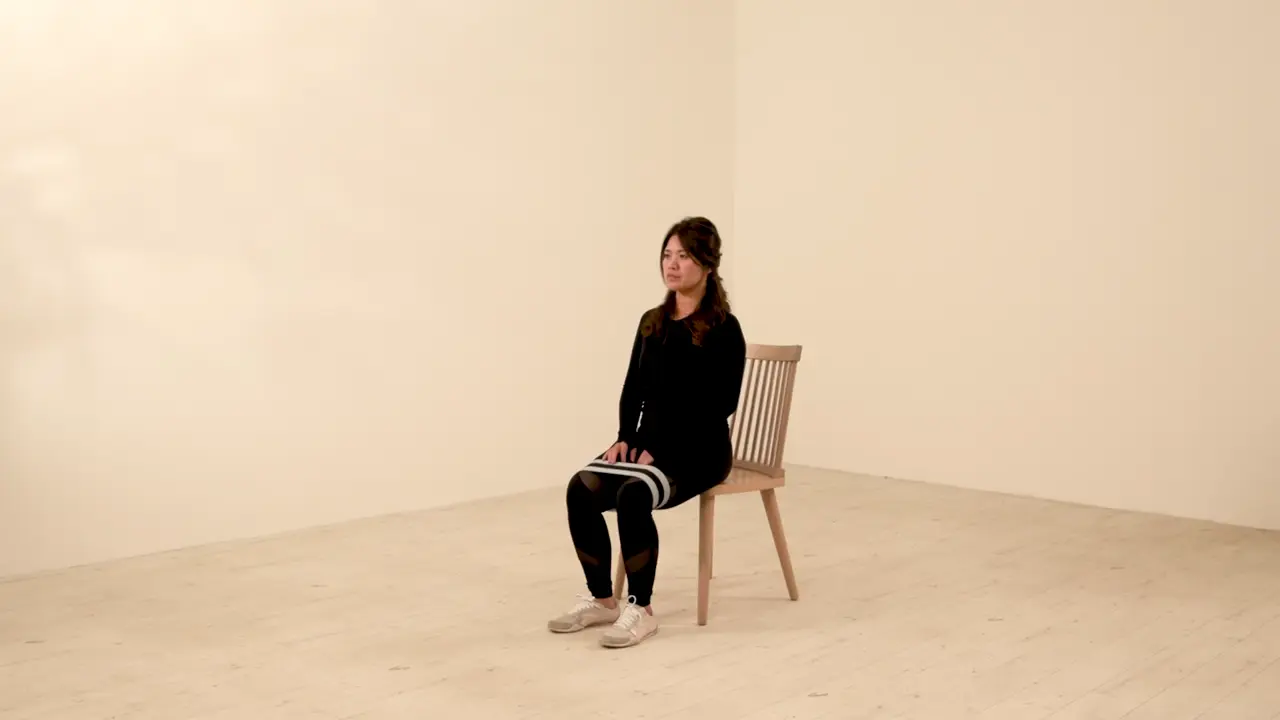
Seated Hip Abductions With Resistance Band
The Seated Hip Abduction With Resistance Band strengthens the outer hips and glutes while improving lower-body control. Sit tall with a resistance band looped around your thighs, feet flat, and knees bent. Press your knees outward against the band, then return slowly to the starting position. This exercise enhances hip strength, joint stability, and posture.
Condition & symptom support
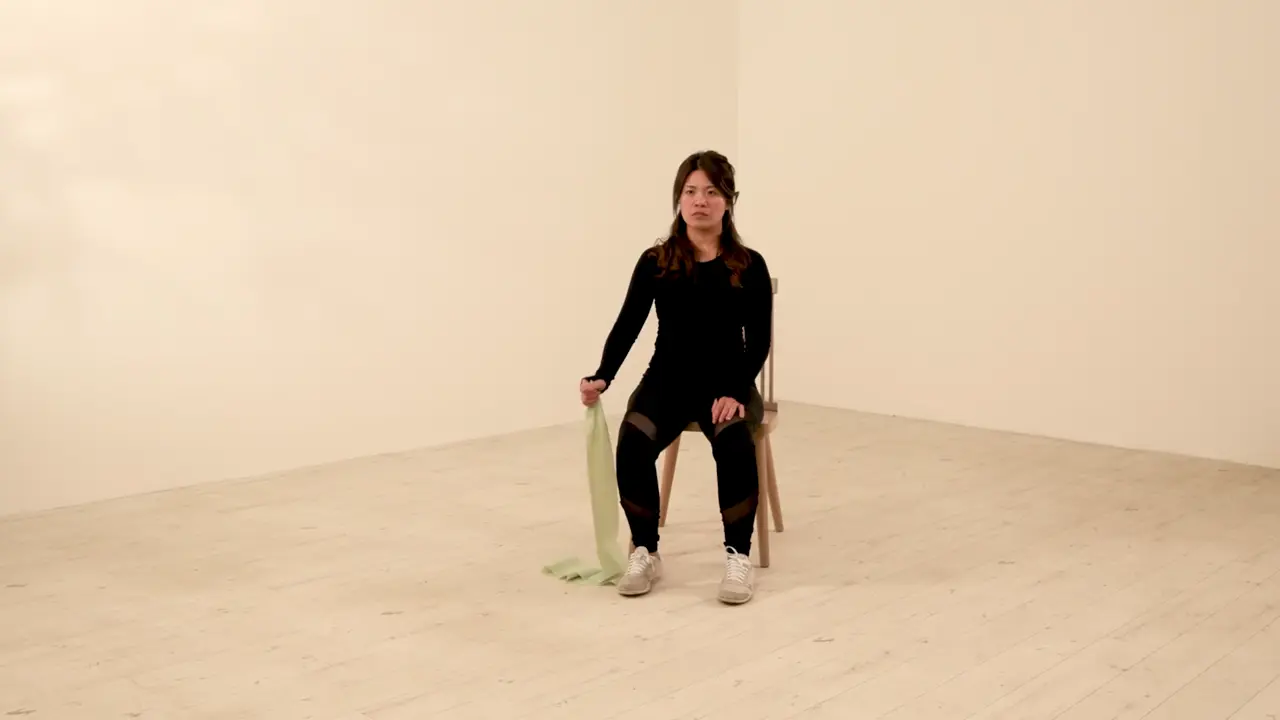
Seated Single Arm Banded Overhead Press
The Seated Single Arm Banded Overhead Press is a unilateral strength exercise that targets the shoulders and arms. Sit tall with one end of the resistance band under your foot and hold the other end in one hand at shoulder height. Press the band overhead until your arm is straight, then lower with control. This exercise builds shoulder stability and balanced strength.

Lower body strength & conditioning exercises
Banded Glute Bridge
Sculpt your glutes and improve hip strength with the Banded Glute Bridge. This exercise targets your Lower Body, particularly your gluteal muscles.
Condition & symptom support
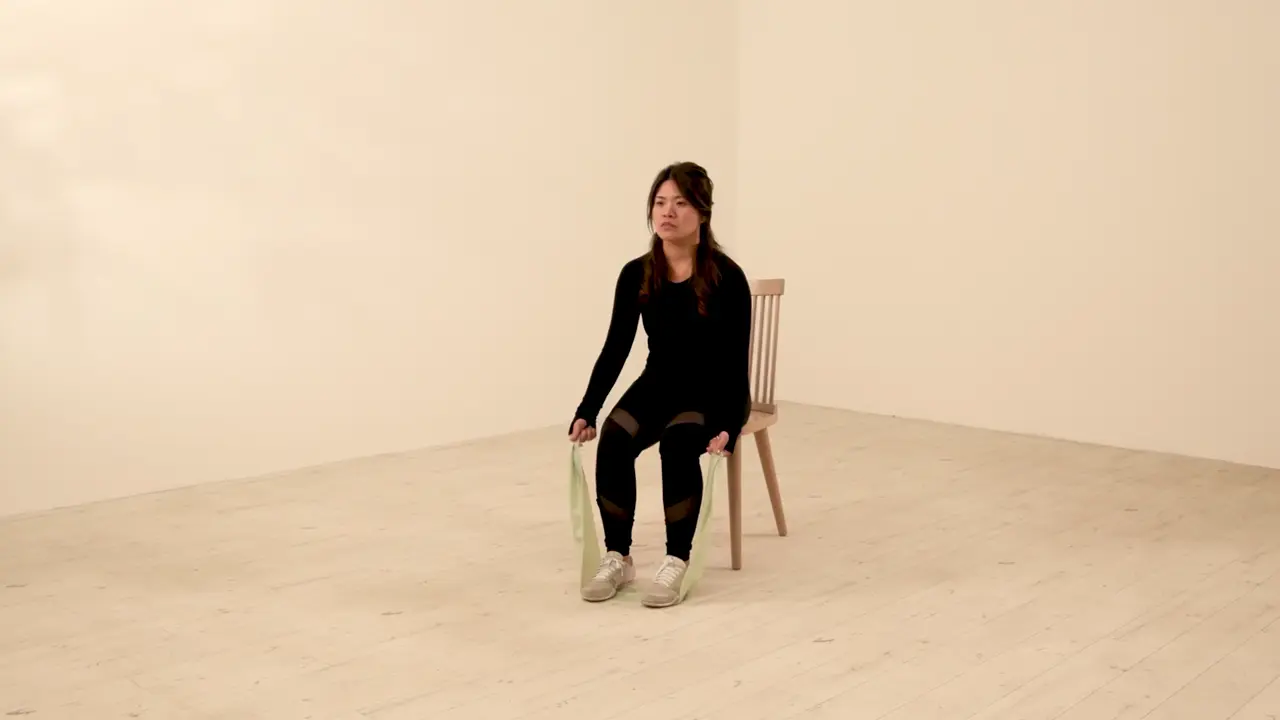
Seated Banded Row
The Seated Banded Row is a strength exercise that works the back, shoulders, and arms. Sit tall with your legs extended and a resistance band looped around your feet. Pull the band toward your torso, squeezing your shoulder blades together, then release slowly. This exercise builds upper-back strength, posture, and stability.

Healthy living
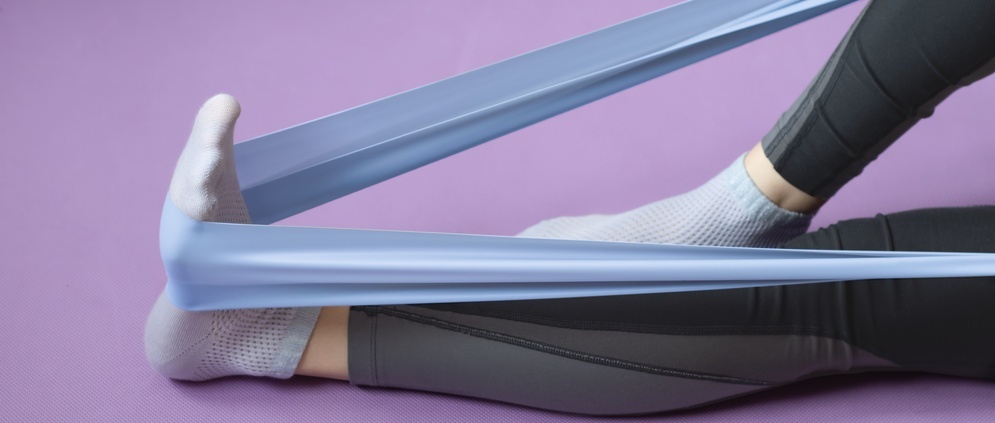
What are the best resistance band exercises for legs?
Resistance band exercises for legs are a great way to target and tone the large muscle groups in your legs while burning fat. Supported by a healthy diet, a routine resistance band leg workout could lead to more powerful, tighter leg muscles that are more defined in appearance.
by Amberley Davis
Healthy living
The best resistance band workouts to build muscle
Resistance bands are a great way to improve the quality of your strength training routine. They can be incorporated into numerous exercises, adding extra force so that your muscles have to work harder to perform each task.
by Lynn Stephen
Related patient information and medicines

Patient information leaflet
Memory loss and dementia
Vascular dementia is caused by reduced blood flow ... This can happen for a variety of reasons. One type of vascular dementia, called subcortical vascular dementia, occurs due to damage to small blood vessels supplying the brain. Another type, multi-infarct dementia, occurs as a result of several different small strokes affecting different areas.

Patient information leaflet
Piles
One that contains an anaesthetic may ease pain better. You should only use one of these for short periods at a time (5-7 days). Preparations which contain a corticosteroid for treating piles Preparations for piles - containing a corticosteroid may be advised by a healthcare professional if there is a lot of inflammation around the piles. This may.

Patient information leaflet
Breast uplift
This leaflet is provided by the British Association of Aesthetic Plastic Surgeons , the professional body responsible for the advancement of education and safety in aesthetic plastic surgery. Mastopexy (up-lifting of droopy breasts) Droopiness of the breast is a common legacy of motherhood, nursing and the force of gravity taking their toll, and.

Patient information leaflet
Barrett's oesophagus
In Barrett's oesophagus the cells that line the lower gullet (oesophagus) are abnormal. The main cause is long-standing reflux of acid from the stomach into the oesophagus. People with Barrett's oesophagus have an increased risk of developing cancer of the oesophagus. The risk is small. However, you may be advised to have regular endoscopies to.

Patient information leaflet
Peyronie's disease
Peyronie's disease causes a curved or bent penis. It is caused by scar tissue forming along the shaft of the penis. This causes painful erections and a bend or curve, usually about halfway along the penis. The change in shape is usually only obvious when the penis is erect. Peyronie's disease symptoms Initial symptoms of Peyronie's disease.

Patient information leaflet
Cold sores
About 1 in 5 people in the UK have recurring cold sores.
Further reading and references
- Subcortical band heterotopia; MedlinePlus, National Library of Medicine.
- Bahi-Buisson N, Souville I, Fourniol FJ, Toussaint A, Moores CA, Houdusse A, Lemaitre JY, Poirier K, Khalaf-Nazzal R, Hully M, Leger PL, Elie C, Boddaert N, Beldjord C, Chelly J, Francis F; SBH-LIS European Consortium. New insights into genotype-phenotype correlations for the doublecortin-related lissencephaly spectrum. Brain. 2013 Jan;136(Pt 1):223-44. doi: 10.1093/brain/aws323.
- Fry AE, Cushion TD, Pilz DT. The genetics of lissencephaly. Am J Med Genet C Semin Med Genet. 2014 Jun;166C(2):198-210. doi: 10.1002/ajmg.c.31402. Epub 2014 May 23.
- Gonzalez-Moron D, Vishnopolska S, Consalvo D, Medina N, Marti M, Cordoba M, Vazquez-Dusefante C, Claverie S, Rodriguez-Quiroga SA, Vega P, Silva W, Kochen S, Kauffman MA. Germline and somatic mutations in cortical malformations: Molecular defects in Argentinean patients with neuronal migration disorders. PLoS One. 2017 Sep 27;12(9):e0185103. doi: 10.1371/journal.pone.0185103. eCollection 2017.
- Ito K, Nakata Y, Matsuda H, Sugai K, Watanabe M, Kamiya K, Kimura Y, Shigemoto Y, Okazaki M, Sasaki M, Sato N. Evaluation of FDG-PET and ECD-SPECT in patients with subcortical band heterotopia. Brain Dev. 2014 Aug;36(7):578-84. doi: 10.1016/j.braindev.2013.07.017. Epub 2013 Aug 16.
- Parrini E, Conti V, Dobyns WB, Guerrini R. Genetic Basis of Brain Malformations. Mol Syndromol. 2016 Sep;7(4):220-233. doi: 10.1159/000448639. Epub 2016 Aug 27.
Share your thoughts or experiences with others in our patient communities.
Simple access to trusted treatments and health services online.
Common conditions
Get help with common conditions through the NHS, without a GP appointment.





Sign up to the Patient newsletter
Your weekly dose of clear, trustworthy health advice - written to help you feel informed, confident and in control.
By subscribing you accept our Privacy Policy. You can unsubscribe at any time. We never sell your data.