cytochrome P450 family 24 subfamily A member 1
Last updated 21 Mar 2023
Meets Patient’s editorial guidelines
- DownloadDownload
- Share
- Language
- Discussion
- Ask Patient
- Audio Version
- Add to preferred sources on Google
The CYP24A1 gene provides instructions for making an enzyme called 24-hydroxylase. This enzyme helps control the amount of active vitamin D available in the body. When active, vitamin D is involved in maintaining the proper balance of several minerals in the body, including calcium and phosphate, which are essential for the normal formation of bones and teeth. One of vitamin D's major roles is to control the absorption of calcium and phosphate from the intestines into the bloodstream. Vitamin D is also involved in several processes in addition to bone and tooth formation.
Video picks for GenesVideo library
Normal function
The CYP24A1 gene provides instructions for making an enzyme called 24-hydroxylase. This enzyme helps control the amount of active vitamin D available in the body. When active, vitamin D is involved in maintaining the proper balance of several minerals in the body, including calcium and phosphate, which are essential for the normal formation of bones and teeth. One of vitamin D's major roles is to control the absorption of calcium and phosphate from the intestines into the bloodstream. Vitamin D is also involved in several processes in addition to bone and tooth formation.
The 24-hydroxylase enzyme breaks down the active form of vitamin D, called 1,25-dihydroxyvitamin D3 or calcitriol, to an inactive form when the vitamin is no longer needed. The enzyme also breaks down 25-hydroxyvitamin D (also known as calcidiol), which is the form of vitamin D that is stored in the body.
Conditions referring to this gene or chromosome
Other names
1,25-@dihydroxyvitamin D3 24-hydroxylase
1,25-dihydroxyvitamin D(3) 24-hydroxylase, mitochondrial isoform 1 precursor
1,25-dihydroxyvitamin D(3) 24-hydroxylase, mitochondrial isoform 2 precursor
24-OHase
CP24
CYP24
cytochrome P450 24A1
cytochrome P450, family 24, subfamily A, polypeptide 1
cytochrome P450, subfamily XXIV (vitamin D 24-hydroxylase)
cytochrome P450-CC24
exo-mitochondrial protein
HCAI
HCINF1
P450-CC24
vitamin D 24-hydroxylase
vitamin D(3) 24-hydroxylase
Patient picks for Genes

Infections
Should you and your family get the meningitis vaccination?
Meningitis is a serious condition, but it is not caused by one bug - bacteria, viruses and even fungi can lead to infection. Thankfully, there are meningitis vaccinations available.
by Danny Chadburn

General health
Medical negligence
Most people receive good care from healthcare professionals. Sometimes, people receive poor care. If this happens, they may wish to make a complaint. If sub-standard care has led to avoidable harm, they may also wish to make a claim for compensation for medical negligence.
by Dr Doug McKechnie, MRCGP
Infections
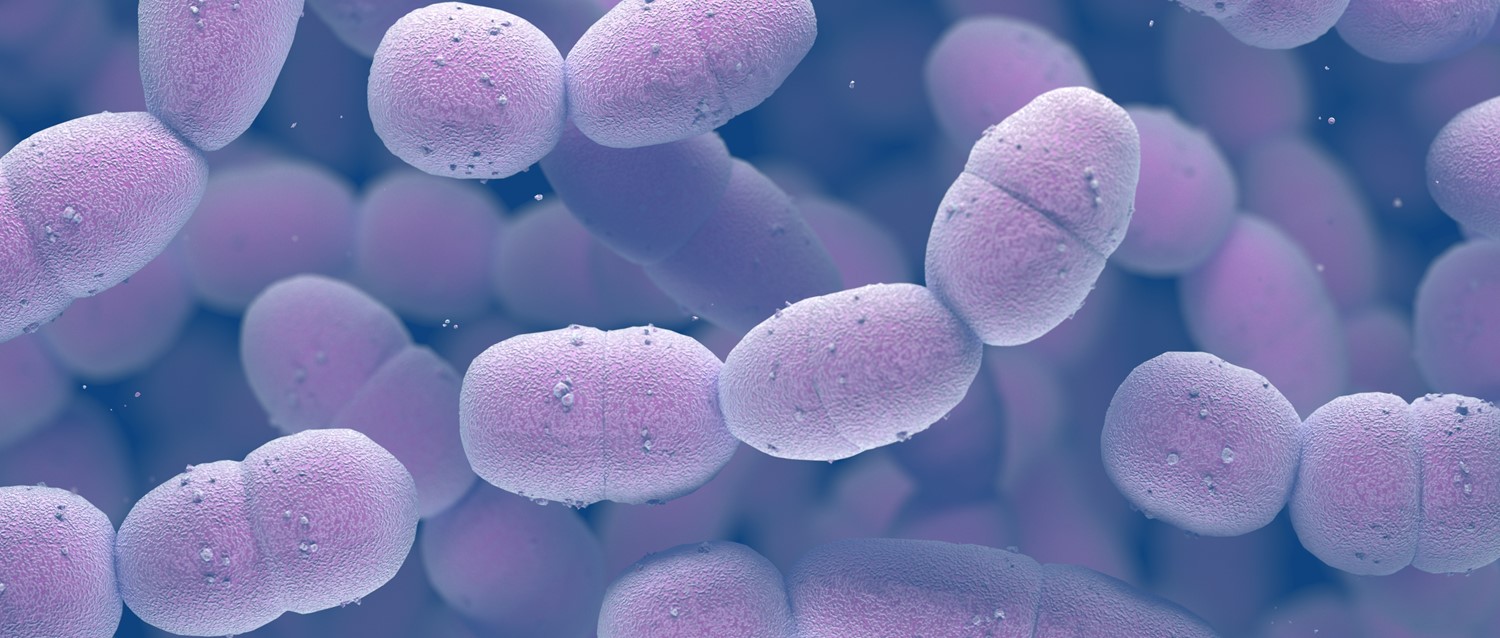
Strep A
Strep A, or Group A streptococcus, is a common type of bacteria, which has been recognised as a cause of infections for many years. Most Group A streptococcus infections are mild, but in rare cases, these can cause serious illness and even death.
by Dr Colin Tidy, MRCGP

COVID-19
COVID-19: how to support vulnerable friends and family during the coronavirus pandemic
Current coronavirus lockdown measures are especially challenging for older people and those with mental health issues and underlying health conditions. We look at how to support vulnerable loved ones during the COVID-19 pandemic.
by Sally Turner

Mental health
Not quite 'back to normal': a guide to post-pandemic family healing
When news broke in late 2019 of a virus spreading rapidly across the globe, the word ‘unprecedented’ quickly became part of everyday vocabulary in the months that followed. The outbreak of Covid-19 marked the world’s most significant public health crisis in at least a century, shaking the foundations of the one place we usually feel most secure - the home. It is no surprise that years of disrupted routines have left a lasting mark on the family unit. From the sudden loss of support networks to the blurring of boundaries between home, school, and work, the pandemic reshaped how families function. We spoke with a psychotherapist to explore these long-term psychological ripples and why reflecting on that period is essential for understanding - and healing - the family dynamic today.
by Victoria Raw

Chest and lungs
Viral cough
Most coughs are caused by viral infections and usually soon go. This leaflet gives some tips on what to do and discusses which symptoms may indicate a more serious illness. Viral infections commonly affect the throat (larynx), the main airway (trachea), or the airways going into the lungs (bronchi). These infections are sometimes called laryngitis, tracheitis, or bronchitis. Cough is often the main symptom.
by Dr Surangi Mendis, MRCGP
Related patient information and medicines

Patient information leaflet
Can I take Black cohosh and Vitamin C together?
I... Why this happens Black cohosh and vitamin C are processed by the body through different pathways. Vitamin C is a water-soluble vitamin that does not significantly interfere with the liver enzymes (such as the Cytochrome P450 system) that process black cohosh. Additionally, they do not have overlapping effects that would cause a dangerous.

Patient information leaflet
Can I take Black cohosh and Glucosamine together?
Why this happens These two substances are processed by the body through different pathways. Glucosamine is an amino sugar used by the body to build cartilage, while black cohosh is a herbal remedy that primarily affects hormonal pathways or neurotransmitters. They do not compete for the same enzymes in the liver (such as the Cytochrome P450.

Patient information leaflet
Can I take Glucosamine and St John's wort together?
T... It is generally considered safe to take these two supplements together. Why this happens Glucosamine is primarily used by the body to build cartilage and does not significantly affect the liver enzymes (Cytochrome P450) that St John's wort is known to influence. St John's wort works by altering brain chemicals and speeding up the breakdown of.

Patient information leaflet
Can I take Promethazine and Vitamin D3 together?
It is generally considered sa... Why this happens Promethazine is an antihistamine processed primarily by the liver's cytochrome P450 enzymes, while vitamin D3 is a fat-soluble vitamin that undergoes a different metabolic pathway (hydroxylation in the liver and kidneys). They do not interfere with each other's absorption, metabolism, or effects in.

Patient information leaflet
Polycystic kidney disease
Polycystic kidney disease is a condition where many cysts develop in the kidneys. Note : it is common for healthy people, especially older people, to develop, one, two, or even a few harmless cysts in a kidney. Polycystic kidney disease is a genetic condition. This is an hereditary condition caused by a faulty gene which is inherited from one.
Patient information leaflet
Hepatitis A vaccine
You should consider vaccination against hepatitis A before you travel to certain countries, such as the Indian subcontinent. Check with your practice nu... What is hepatitis A. Hepatitis A Hepatitis A is an illness caused by the hepatitis A virus. The virus mainly causes inflammation of the liver. See the separate leaflet called Hepatitis A for.
Further reading and references
- cytochrome P450 family 24 subfamily A member 1; MedlinePlus, National Library of Medicine.
- Dinour D, Beckerman P, Ganon L, Tordjman K, Eisenstein Z, Holtzman EJ. Loss-of-function mutations of CYP24A1, the vitamin D 24-hydroxylase gene, cause long-standing hypercalciuric nephrolithiasis and nephrocalcinosis. J Urol. 2013 Aug;190(2):552-7. doi: 10.1016/j.juro.2013.02.3188. Epub 2013 Mar 5.
- Molin A, Baudoin R, Kaufmann M, Souberbielle JC, Ryckewaert A, Vantyghem MC, Eckart P, Bacchetta J, Deschenes G, Kesler-Roussey G, Coudray N, Richard N, Wraich M, Bonafiglia Q, Tiulpakov A, Jones G, Kottler ML. CYP24A1 Mutations in a Cohort of Hypercalcemic Patients: Evidence for a Recessive Trait. J Clin Endocrinol Metab. 2015 Oct;100(10):E1343-52. doi: 10.1210/jc.2014-4387. Epub 2015 Jul 27.
- Nesterova G, Malicdan MC, Yasuda K, Sakaki T, Vilboux T, Ciccone C, Horst R, Huang Y, Golas G, Introne W, Huizing M, Adams D, Boerkoel CF, Collins MT, Gahl WA. 1,25-(OH)2D-24 Hydroxylase (CYP24A1) Deficiency as a Cause of Nephrolithiasis. Clin J Am Soc Nephrol. 2013 Apr;8(4):649-57. doi: 10.2215/CJN.05360512. Epub 2013 Jan 4.
- Pronicka E, Ciara E, Halat P, Janiec A, Wojcik M, Rowinska E, Rokicki D, Pludowski P, Wojciechowska E, Wierzbicka A, Ksiazyk JB, Jacoszek A, Konrad M, Schlingmann KP, Litwin M. Biallelic mutations in CYP24A1 or SLC34A1 as a cause of infantile idiopathic hypercalcemia (IIH) with vitamin D hypersensitivity: molecular study of 11 historical IIH cases. J Appl Genet. 2017 Aug;58(3):349-353. doi: 10.1007/s13353-017-0397-2. Epub 2017 May 3.
- Schlingmann KP, Kaufmann M, Weber S, Irwin A, Goos C, John U, Misselwitz J, Klaus G, Kuwertz-Broking E, Fehrenbach H, Wingen AM, Guran T, Hoenderop JG, Bindels RJ, Prosser DE, Jones G, Konrad M. Mutations in CYP24A1 and idiopathic infantile hypercalcemia. N Engl J Med. 2011 Aug 4;365(5):410-21. doi: 10.1056/NEJMoa1103864. Epub 2011 Jun 15.
Share your thoughts or experiences with others in our patient communities.
Simple access to trusted treatments and health services online.
Common conditions
Get help with common conditions through the NHS, without a GP appointment.





Sign up to the Patient newsletter
Your weekly dose of clear, trustworthy health advice - written to help you feel informed, confident and in control.
By subscribing you accept our Privacy Policy. You can unsubscribe at any time. We never sell your data.