glial fibrillary acidic protein
Last updated 18 Aug 2020
Meets Patient’s editorial guidelines
- DownloadDownload
- Share
- Language
- Discussion
- Ask Patient
- Audio Version
- Add to preferred sources on Google
The GFAP gene provides instructions for making a protein called glial fibrillary acidic protein. This protein is a member of the intermediate filament family of proteins. Intermediate filaments form networks that provide support and strength to cells. Several molecules of glial fibrillary acidic protein bind together to form the type of intermediate filament found in astroglial cells. Astroglial cells support and nourish cells in the brain and spinal cord. If brain or spinal cord cells are injured through trauma or disease, astroglial cells react by rapidly producing more glial fibrillary acidic protein.
Video picks for GenesVideo library
Normal function
The GFAP gene provides instructions for making a protein called glial fibrillary acidic protein. This protein is a member of the intermediate filament family of proteins. Intermediate filaments form networks that provide support and strength to cells. Several molecules of glial fibrillary acidic protein bind together to form the type of intermediate filament found in astroglial cells. Astroglial cells support and nourish cells in the brain and spinal cord. If brain or spinal cord cells are injured through trauma or disease, astroglial cells react by rapidly producing more glial fibrillary acidic protein.
Although its function is not fully understood, glial fibrillary acidic protein is probably involved in controlling the shape, movement, and function of astroglial cells. Some researchers have suggested that astroglial cells play an important role in the functioning of other cells, including specialized cells that surround nerves (oligodendrocytes) and are involved in the production and long-term maintenance of myelin. Myelin is the fatty substance that forms a protective coating around certain nerve cells and ensures the rapid transmission of nerve impulses. Additionally, astroglial cells may assist in maintaining the protective barrier that allows only certain substances to pass between blood vessels and the brain (the blood-brain barrier).
Conditions referring to this gene or chromosome
Other names
FLJ45472
GFAP_HUMAN
Glial Intermediate Filament Protein
Patient picks for Genes

Diet and nutrition
10 sources of plant-based protein for bone health
Plant-based diets are growing in popularity. People choose this way of eating for various reasons - to boost their health, help animals, and protect the environment. But switching to a plant-based diet may mean you're missing out on vital, bone-friendly nutrients. One of these is protein.
by Victoria Raw

Kidney and urinary tract
Proteinuria
Proteins are molecules that are found in almost every part of the body, including in the blood. The kidneys normally have a filter which stops protein from entering the urine, except in very tiny amounts; however, kidney problems can cause higher levels of protein to be found in the urine.
by Dr Doug McKechnie, MRCGP

Healthy living
Natural protein verses protein powder: which is better for strength training?
Consuming enough protein is essential for building strong muscles. Protein powder shakes are not a complete replacement for natural protein sources found in your food. However, you may consider supplementing your diet and strength-training regime with protein shakes. Before you decide if this is right for you, there are several benefits and considerations to take into account.
by Amberley Davis

Diet and nutrition
How a protein-packed breakfast can boost your health
When we think of breakfast, we often picture a bowl of cornflakes with milk. While it’s a classic morning staple, it might not be the most effective way to start your day, as it lacks protein. Adding more protein to your breakfast can boost your energy levels and help keep you feeling full for longer.
by Victoria Raw

Diet and nutrition
Plant-based proteins could help prevent high blood pressure
Eating a greater amount of minimally processed plant-based proteins - such as beans, nuts and lentils - may lower your chance of developing high blood pressure, according to new research.
by Laura Williamson
Healthy living
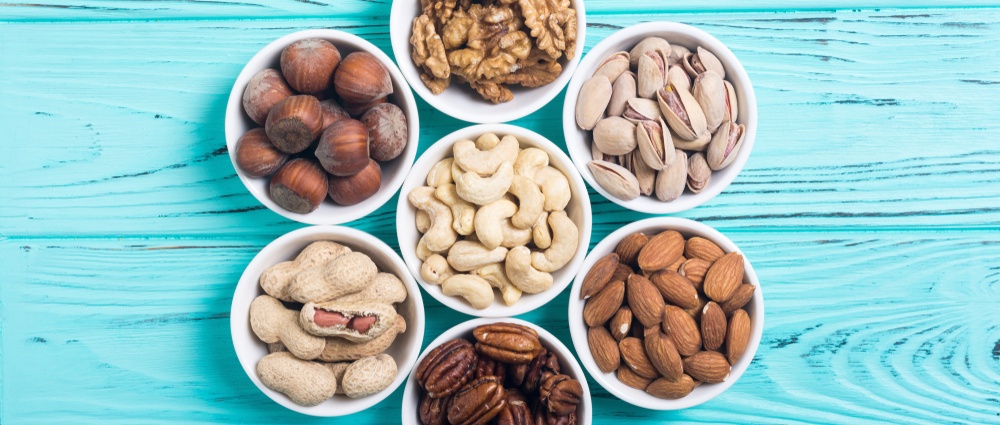
8 high-protein nuts to boost your strength
Packed with protein, delicious, easy to eat, and versatile - nuts are a great source of fuel for people building their fitness and strength. But not all nuts are created equal, which is why we count down the top eight nuts you should eat while strength training and serve these up with tasty recipe ideas.
by Lynn Stephen
Related patient information and medicines

Patient information leaflet
Nephrotic syndrome
Nephrotic syndrome is a condition where the 'filters' in the kidney become 'leaky' and large amounts of protein leak from the blood into the urine. The main symptom is fluid retention (oedema) which is mainly due to the low protein level in the blood. Other disorders... For example, membranoproliferative glomerulonephritis, mesangial proliferative.
Patient information leaflet
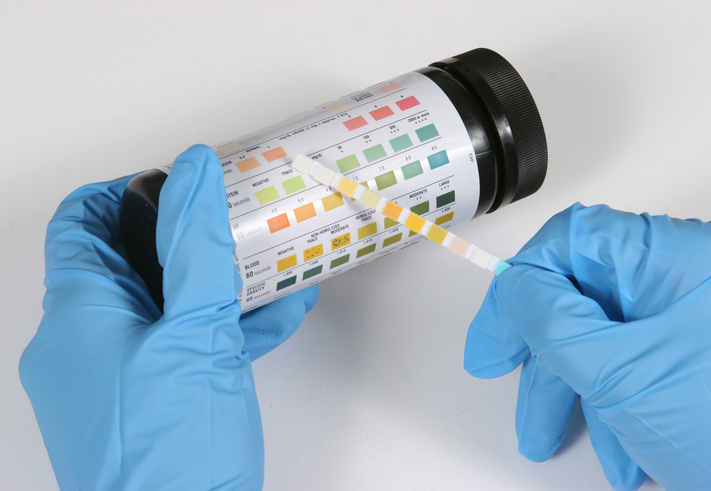
Urine dipstick test
There is a rare condition called famili... People with type 2 diabetes who are taking a medicine called an SGLT2 inhibitor (such as canagliflozin Canagliflozin tablets for diabetes , dapagliflozin Dapagliflozin tablets or empagliflozin Empagliflozin tablets ) can have glucose in the urine due to the fact that these medicines help to reduce blood.

Patient information leaflet
Brain tumours
This leaflet aims to give a brief overview of the various types of brain tumours. The treatment and survival rates vary greatly, depending on factors such as the type of tumour and the location in the brain. Understanding the brain Cross-section diagram of the brain Cross-section diagram of the brain The main part... These provide support,.
Patient information leaflet
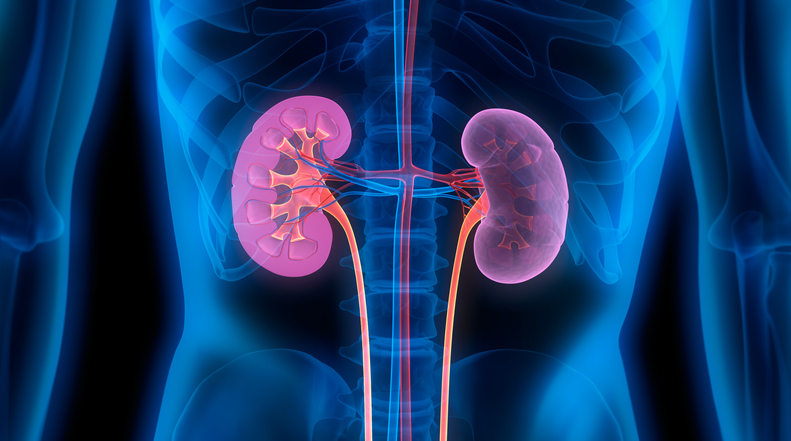
Chronic kidney disease
Chronic kidney disease means that the kidneys are not working as well as would be expected. Various conditions can cause chronic kidney disease. Severity can vary but most cases are mild or moderate, occur in older people and do not cause symptoms. Chronic kidney disease tends to become worse gradually over months or years. What is chronic kidney.
Patient information leaflet
Diet in chronic kidney disease
Chronic kidney disease (CKD) is a common long-term condition where the kidneys aren't working as well as they should be. There are some dietary choices that are recommended for people with early CKD. People with more advanced CKD may be advised to follow a special diet, usually with the support of a specialist dietician. It's important for.

Patient information leaflet
Liver function tests
What are the main liver function tests. The usual liver function tests typically include the following: Bilirubin. Albumin. Total protein. You may be advised to ... A few things to remember about abnormal liver function tests Liver function tests are not a diagnosis; they are a set of clues which help doctors make a diagnosis. Abnormal liver.
Further reading and references
- glial fibrillary acidic protein; MedlinePlus, National Library of Medicine.
- Der Perng M, Su M, Wen SF, Li R, Gibbon T, Prescott AR, Brenner M, Quinlan RA. The Alexander disease-causing glial fibrillary acidic protein mutant, R416W, accumulates into Rosenthal fibers by a pathway that involves filament aggregation and the association of alpha B-crystallin and HSP27. Am J Hum Genet. 2006 Aug;79(2):197-213. doi: 10.1086/504411. Epub 2006 Jun 12.
- Li R, Johnson AB, Salomons G, Goldman JE, Naidu S, Quinlan R, Cree B, Ruyle SZ, Banwell B, D'Hooghe M, Siebert JR, Rolf CM, Cox H, Reddy A, Gutierrez-Solana LG, Collins A, Weller RO, Messing A, van der Knaap MS, Brenner M. Glial fibrillary acidic protein mutations in infantile, juvenile, and adult forms of Alexander disease. Ann Neurol. 2005 Mar;57(3):310-26. doi: 10.1002/ana.20406.
- Omary MB, Coulombe PA, McLean WH. Intermediate filament proteins and their associated diseases. N Engl J Med. 2004 Nov 11;351(20):2087-100. doi: 10.1056/NEJMra040319. No abstract available.
- Quinlan RA, Brenner M, Goldman JE, Messing A. GFAP and its role in Alexander disease. Exp Cell Res. 2007 Jun 10;313(10):2077-87. doi: 10.1016/j.yexcr.2007.04.004. Epub 2007 Apr 6.
- Srivastava S, Waldman A, Naidu S. Alexander Disease. 2002 Nov 15 [updated 2020 Nov 12]. In: Adam MP, Bick S, Mirzaa GM, Wallace SE, Amemiya A, editors. GeneReviews(R) [Internet]. Seattle (WA): University of Washington, Seattle; 1993-2026. Available from http://www.ncbi.nlm.nih.gov/books/NBK1172/
- Wippold FJ 2nd, Perry A, Lennerz J. Neuropathology for the neuroradiologist: Rosenthal fibers. AJNR Am J Neuroradiol. 2006 May;27(5):958-61.
Share your thoughts or experiences with others in our patient communities.
Simple access to trusted treatments and health services online.
Common conditions
Get help with common conditions through the NHS, without a GP appointment.





Sign up to the Patient newsletter
Your weekly dose of clear, trustworthy health advice - written to help you feel informed, confident and in control.
By subscribing you accept our Privacy Policy. You can unsubscribe at any time. We never sell your data.