LDL receptor related protein 2
Last updated 12 Apr 2023
Meets Patient’s editorial guidelines
- DownloadDownload
- Share
- Language
- Discussion
- Ask Patient
- Audio Version
- Add to preferred sources on Google
The LRP2 gene provides instructions for making a protein called megalin, which functions as a receptor. Receptor proteins have specific sites into which certain other proteins, called ligands, fit like keys into locks. Together, ligands and their receptors trigger signals that affect cell development and function. Megalin has many ligands involved in various body processes, including the absorption of vitamins A and D, immune functioning, stress response, and the transport of fats in the bloodstream.
Video picks for GenesVideo library
Normal function
The LRP2 gene provides instructions for making a protein called megalin, which functions as a receptor. Receptor proteins have specific sites into which certain other proteins, called ligands, fit like keys into locks. Together, ligands and their receptors trigger signals that affect cell development and function. Megalin has many ligands involved in various body processes, including the absorption of vitamins A and D, immune functioning, stress response, and the transport of fats in the bloodstream.
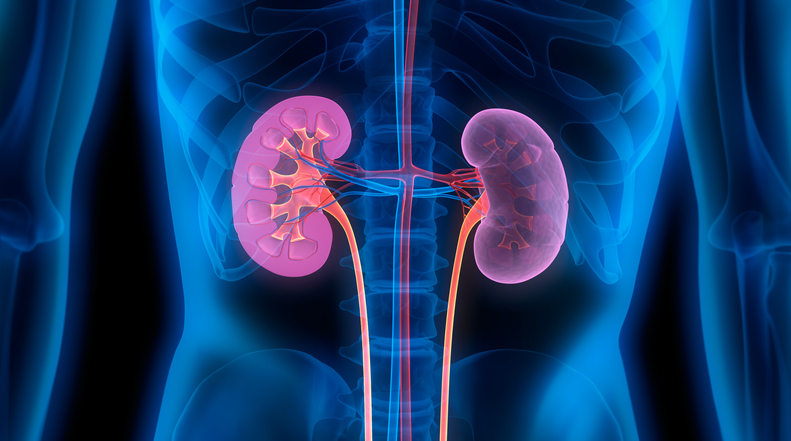
Megalin is embedded in the membrane of cells that line the surfaces and cavities of the body (epithelial cells). The receptor helps move its ligands from the cell surface into the cell (endocytosis), and is also involved in transporting the ligands of a related receptor called cubulin. Megalin is active in the development and function of many parts of the body, including the brain and spinal cord (central nervous system), eyes, ears, lungs, intestine, reproductive system, and the small tubes in the kidneys where urine is formed (renal tubules).
Conditions referring to this gene or chromosome
Other names
calcium sensor protein
DBS
glycoprotein 330 (gp330)
gp330
Heymann nephritis antigen homolog
low density lipoprotein receptor-related protein 2
LRP2_HUMAN
megalin
Patient picks for Genes

Healthy living
8 high-protein nuts to boost your strength
Packed with protein, delicious, easy to eat, and versatile - nuts are a great source of fuel for people building their fitness and strength. But not all nuts are created equal, which is why we count down the top eight nuts you should eat while strength training and serve these up with tasty recipe ideas.
by Lynn Stephen

Diet and nutrition
10 sources of plant-based protein for bone health
Plant-based diets are growing in popularity. People choose this way of eating for various reasons - to boost their health, help animals, and protect the environment. But switching to a plant-based diet may mean you're missing out on vital, bone-friendly nutrients. One of these is protein.
by Victoria Raw

Diet and nutrition
How a protein-packed breakfast can boost your health
When we think of breakfast, we often picture a bowl of cornflakes with milk. While it’s a classic morning staple, it might not be the most effective way to start your day, as it lacks protein. Adding more protein to your breakfast can boost your energy levels and help keep you feeling full for longer.
by Victoria Raw

Diet and nutrition
Plant-based proteins could help prevent high blood pressure
Eating a greater amount of minimally processed plant-based proteins - such as beans, nuts and lentils - may lower your chance of developing high blood pressure, according to new research.
by Laura Williamson

Healthy living
Natural protein verses protein powder: which is better for strength training?
Consuming enough protein is essential for building strong muscles. Protein powder shakes are not a complete replacement for natural protein sources found in your food. However, you may consider supplementing your diet and strength-training regime with protein shakes. Before you decide if this is right for you, there are several benefits and considerations to take into account.
by Amberley Davis

Kidney and urinary tract
Proteinuria
Proteins are molecules that are found in almost every part of the body, including in the blood. The kidneys normally have a filter which stops protein from entering the urine, except in very tiny amounts; however, kidney problems can cause higher levels of protein to be found in the urine.
by Dr Doug McKechnie, MRCGP
Related patient information and medicines
Patient information leaflet
Chronic kidney disease
If there are high levels of protein in the urine then medication usually used to reduce blood pressure will... Two related types of medication have been shown to be beneficial for many people with CKD. This is because they can prevent further worsening of the kidney function. These medicines are called: Angiotensin-converting enzyme (ACE).

Patient information leaflet
Familial hypercholesterolaemia
There are three main genes that can be involved in FH: LDL receptor genes: this is the most common faulty gene in FH. APOB gene (apolipoprotein B): a fault with this gene means LDL cholesterol can’t bind well to LDL receptors so that blood levels of LDL remain high. Dr Krishna Vakharia , 13th September 2024 The National Institute for Health and.

Patient information leaflet
High cholesterol
Cholesterol is a fat chemical (lipid) that is made in the cells in your body. Many different cells make cholest... Dr Yassir Javaid Cholesterol is a fat chemical (lipid) that is made in the cells in your body. When low-density lipoproteins (LDL cholesterol) carry cholesterol this is referred to as 'bad' cholesterol. Higher levels of LDL.

Patient information leaflet
Diabetic kidney disease
Diabetic kidney disease is one of the causes of chronic kidney disease Chronic kidney disease , a long-term condition where the kidneys do not work as well as they should. In diabetic kidney disease, the filters of the kidneys, the glomeruli, become damaged. Because of this the kidneys 'leak' abnormal amounts of protein from the blood into the.

Patient information leaflet
Statins and other lipid-lowering medicines
What are statins used for. Your doctor will advise if you should take a statin. A statin is usually advised if: You have a high cholesterol level (or high levels of other fats in the blood, called hyperlipidaemia - read more about hyperlipidaemia High cholesterol and familial hypercholesterolaemia ). You have an atheroma-related disease. This is a.

Patient information leaflet
Diabetes and illness
Sick day diabetes guidelines The following guidance is provided by Diabetes UK: Contact your general practice or diabetes team who will help you if you have any queries or if you are unsure about what to do. On GLP-1 receptor agonists ( dulaglutide Dulaglutide injections for type 2 diabetes , exenatide Exenatide for diabetes , liraglutide.
Further reading and references
- LDL receptor related protein 2; MedlinePlus, National Library of Medicine.
- Christensen EI, Birn H. Megalin and cubilin: multifunctional endocytic receptors. Nat Rev Mol Cell Biol. 2002 Apr;3(4):256-66. doi: 10.1038/nrm778.
- Christensen EI, Nielsen R. Role of megalin and cubilin in renal physiology and pathophysiology. Rev Physiol Biochem Pharmacol. 2007;158:1-22. doi: 10.1007/112_0604.
- Fisher CE, Howie SE. The role of megalin (LRP-2/Gp330) during development. Dev Biol. 2006 Aug 15;296(2):279-97. doi: 10.1016/j.ydbio.2006.06.007. Epub 2006 Jun 8.
- Holt SK, Karyadi DM, Kwon EM, Stanford JL, Nelson PS, Ostrander EA. Association of megalin genetic polymorphisms with prostate cancer risk and prognosis. Clin Cancer Res. 2008 Jun 15;14(12):3823-31. doi: 10.1158/1078-0432.CCR-07-4566.
- Kantarci S, Al-Gazali L, Hill RS, Donnai D, Black GC, Bieth E, Chassaing N, Lacombe D, Devriendt K, Teebi A, Loscertales M, Robson C, Liu T, MacLaughlin DT, Noonan KM, Russell MK, Walsh CA, Donahoe PK, Pober BR. Mutations in LRP2, which encodes the multiligand receptor megalin, cause Donnai-Barrow and facio-oculo-acoustico-renal syndromes. Nat Genet. 2007 Aug;39(8):957-9. doi: 10.1038/ng2063. Epub 2007 Jul 15.
- Kantarci S, Ragge NK, Thomas NS, Robinson DO, Noonan KM, Russell MK, Donnai D, Raymond FL, Walsh CA, Donahoe PK, Pober BR. Donnai-Barrow syndrome (DBS/FOAR) in a child with a homozygous LRP2 mutation due to complete chromosome 2 paternal isodisomy. Am J Med Genet A. 2008 Jul 15;146A(14):1842-7. doi: 10.1002/ajmg.a.32381.
- Mii A, Nakajima T, Fujita Y, Iino Y, Kamimura K, Bujo H, Saito Y, Emi M, Katayama Y. Genetic association of low-density lipoprotein receptor-related protein 2 (LRP2) with plasma lipid levels. J Atheroscler Thromb. 2007 Dec;14(6):310-6. doi: 10.5551/jat.e494. Epub 2007 Dec 17.
Share your thoughts or experiences with others in our patient communities.
Simple access to trusted treatments and health services online.
Common conditions
Get help with common conditions through the NHS, without a GP appointment.





Sign up to the Patient newsletter
Your weekly dose of clear, trustworthy health advice - written to help you feel informed, confident and in control.
By subscribing you accept our Privacy Policy. You can unsubscribe at any time. We never sell your data.