midline 1
Last updated 18 Aug 2020
Meets Patient’s editorial guidelines
- DownloadDownload
- Share
- Language
- Discussion
- Ask Patient
- Audio Version
- Add to preferred sources on Google
The MID1 gene is part of a group of genes called the tripartite motif (TRIM) family. Proteins produced from this large family of genes are involved in many cellular activities. Primarily, TRIM proteins play a role in the cell machinery that recycles unwanted proteins by tagging them with a protein called ubiquitin. Ubiquitin serves as a signal to move these unwanted proteins into specialized structures known as proteasomes, where the proteins are recycled.
Video picks for GenesVideo library
Normal function
The MID1 gene is part of a group of genes called the tripartite motif (TRIM) family. Proteins produced from this large family of genes are involved in many cellular activities. Primarily, TRIM proteins play a role in the cell machinery that recycles unwanted proteins by tagging them with a protein called ubiquitin. Ubiquitin serves as a signal to move these unwanted proteins into specialized structures known as proteasomes, where the proteins are recycled.
The MID1 gene provides instructions for making a protein called midline-1. This protein attaches (binds) to microtubules, which are rigid, hollow fibers that make up the cell's structural framework (the cytoskeleton). Microtubules help cells maintain their shape, assist in the process of cell division, and are essential for the movement of cells (cell migration). Midline-1 is responsible for recycling certain proteins, including protein phosphatase 2A (PP2A), integrin alpha-4 (ITGA4), and serine/threonine-protein kinase 36 (STK36). The recycling of these three proteins so they can be reused instead of broken down is essential because they are necessary for normal cellular functioning.
Conditions referring to this gene or chromosome
Other names
BBBG1
FXY
GBBB1
midline 1 (Opitz/BBB syndrome)
midline 1 ring finger
midline-1
OGS1
OS
OSX
RNF59
TRI18_HUMAN
TRIM18
XPRF
zinc finger X and Y
Patient picks for Genes

Heart conditions
How to perform CPR
Without #CPR, your chance of dying dramatically increases after cardiac arrest. By learning CPR, you can become a hero and save someone else's life. Minutes spent learning CPR can mean a lifetime saved. The British Heart Foundation's RevivR campaign puts this power in your hands. Taking its free 15-minute online CPR course means you could be ready to act in an emergency: [https://revivr.bhf.org.uk/?_gl=1*fkc6u0*_gcl_au*ODQxNTE0NjAzLjE3MjM0NjU0MjM.*_ga*MTk4MDI3MTAyMC4xNzIzNDY1NDI0*_ga_L1TRS9RE0M*MTcyMzQ2NzQyOC4yLjAuMTcyMzQ2NzQyOC42MC4wLjA](https://revivr.bhf.org.uk/?_gl=1*fkc6u0*_gcl_au*ODQxNTE0NjAzLjE3MjM0NjU0MjM.*_ga*MTk4MDI3MTAyMC4xNzIzNDY1NDI0*_ga_L1TRS9RE0M*MTcyMzQ2NzQyOC4yLjAuMTcyMzQ2NzQyOC42MC4wLjA). Visuals: Ben Hudson

Diabetes Q&A
Can you be thin and have diabetes?
Dr Sarah Jarvis MBE Type 1 diabetes is the type of diabetes that typically develops in children and in young adults. In type 1 diabetes the body stops making insulin and the blood sugar (glucose) level goes very high. Treatment to control the blood glucose level is with insulin injections and a healthy diet. Other treatments aim to reduce the risk of complications. They include reducing blood pressure if it is high and advice to lead a healthy lifestyle. For more information on diabetes, go to [https://patient.info/diabetes](https://patient.info/diabetes)
by Dr Sarah Jarvis

The sex and relationships podcast
From Bliss to Blame I The Sex and Relationships Podcast I S2E5
Have you ever found yourself thinking, ‘What on earth was I doing? This person is all wrong for me’, when only a few months ago they seemed perfect? How did that feeling of bliss when you’re finishing each other’s sentences and laughing at the same jokes turn to irritation, resentment and blaming them for everything that’s wrong? Clare and Aileen help you understand the natural cycle from falling-in-love bliss to relationship blame, why it happens, and how to navigate your way through it. Dip into some of the things Clare and Aileen chat about in this episode: 03:51 What’s happening to our bodies during the bliss phase 10:54 Difference – the good, the bad and the ugly 17:35 The danger of confiding in people who agree with you 20:49 Tips for navigating through the bliss to blame phases 23:50 Esther Perel – many different marriages within the same marriage 26:08 Tips on better communication 28:03 Has this relationship come to the end of the road? 34:22 Tips on how to have honest conversations with partners and friends Want to know more? If you want to hear more about what to do when sexual attraction starts to fade in a relationship listen to Episode 7 “Lust or Bust” from Season 1: [https://www.youtube.com/watch?v=oczHRWuev30&list=PLx6Nf3acNljjvrnko9zfaOBzGCQxLrTic&index=7](https://www.youtube.com/watch?v=oczHRWuev30&list=PLx6Nf3acNljjvrnko9zfaOBzGCQxLrTic&index=7) Visit our website The Sex and Relationships Podcast for more information on the issues discussed in this episode: [https://thesexandrelationshipspodcast.com/](https://thesexandrelationshipspodcast.com/) You can also Ask Clare a question or suggest a topic for future episodes. Follow us on social media: Instagram: [https://www.instagram.com/s3x_and_relationships_podcast/profilecard/?igsh=MXIza3BxeWg3OTJxOA%3D%3D](https://www.instagram.com/s3x_and_relationships_podcast/profilecard/?igsh=MXIza3BxeWg3OTJxOA%3D%3D) Facebook: [https://www.facebook.com/people/The-Sex-and-Relationships-Podcast-With-Therapists-Clare-Janet/61558082319934/](https://www.facebook.com/people/The-Sex-and-Relationships-Podcast-With-Therapists-Clare-Janet/61558082319934/) About the Sex and Relationships Podcast This podcast is for anyone looking for information or help with their sex lives or relationships. In this season your hosts Clare Prendergast and Aileen Gonsalves deep dive into the world of relationships to give you insights, advice and top tips to help guide you through your relationships. Your hosts Clare Prendergast is a sex and relationships therapist and draws on her knowledge and years of experience in the therapy room to give you help and guidance. Aileen Gonsalves is fascinated in human behaviour and drawing on her many years in the theatre has developed the unique Gonsalves Method which helps people be more present and develop authentic connections with those around them.
Asthma & COPD
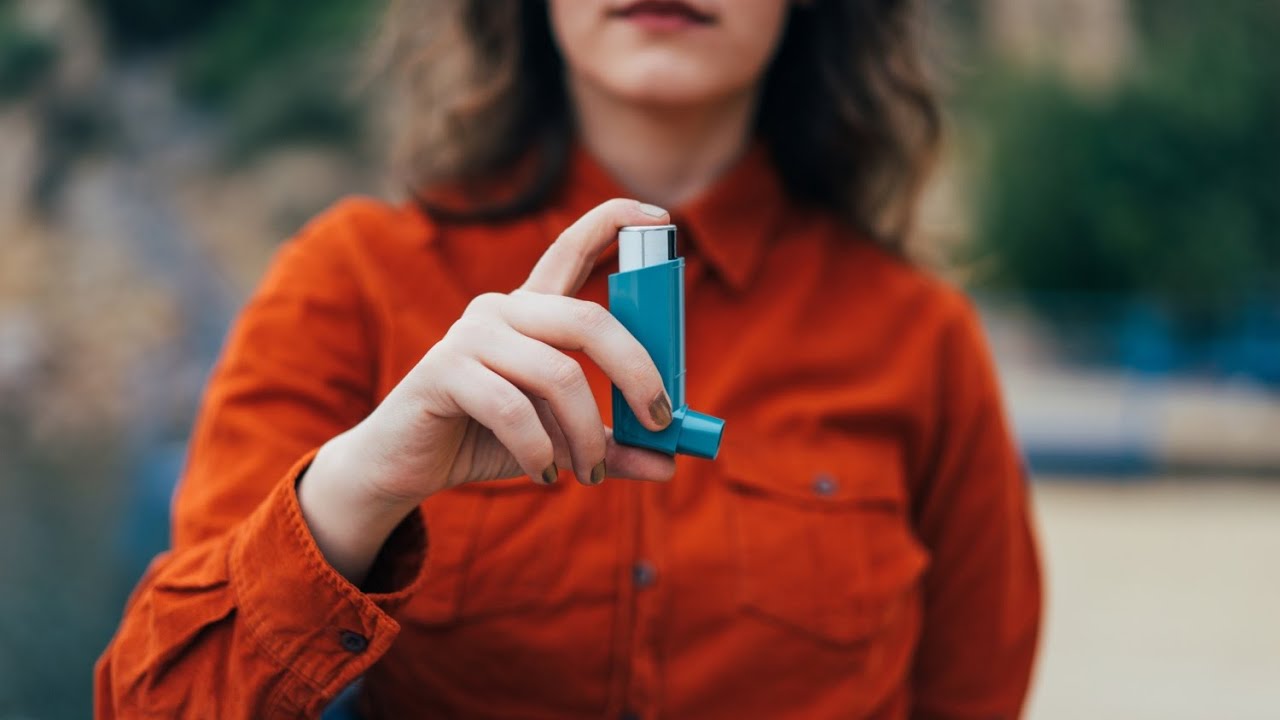
How do I know if I have asthma?
Dr Sarah Jarvis MBE The common symptoms are cough and wheeze. You may also become breathless and develop a feeling of chest tightness. Symptoms can range from mild to severe between different people and at different times in the same person. Each episode of symptoms may last just an hour or so, or persist for days or weeks unless treated. [https://patient.info/health/asthma-leaflet#nav-1](https://patient.info/health/asthma-leaflet#nav-1)
by Dr Sarah Jarvis

Risks of diabetes
What can someone with type 1 diabetes do to stop their glucose going too high?
Dr Sarah Jarvis MBE For more information on continuous glucose monitoring, go to [https://patient.info/health/type-1-diabetes/features/continuous-glucose-monitoring-in-type-1-diabetes](https://patient.info/health/type-1-diabetes/features/continuous-glucose-monitoring-in-type-1-diabetes)
by Dr Sarah Jarvis

Meningitis Q&A
Why do teenagers need a meningitis vaccine?
Dr Sarah Jarvis MBE If you are under the age of 25 and have not been immunised, see your doctor or practice nurse to get immunised. This is particularly important if you are about to start university for the first time, as the risk of infection with group W meningococcus is highest in first-year university students. Just one injection of vaccine is needed if you are over the age of 1 year. For more information on the meningitis vaccine, go to [https://patient.info/health/meningitis-leaflet/meningococcal-meningitis-vaccine](https://patient.info/health/meningitis-leaflet/meningococcal-meningitis-vaccine)
by Dr Sarah Jarvis
Related patient information and medicines

Patient information leaflet
Immunisation for flu
This is done by looking at data from previous years but also looking at data from other countries, like Australia, where the flu season is ahead of that in the UK. They then d... Pregnant women who are vaccinated against flu also pass on some of their immunity to their babies at birth, which lasts for the first few months of their lives. Your GP.
Patient information leaflet
Snoring
Operations Surgery hardly ever helps for snoring, but unfortunately some people get so desperate that they will try anything. Be careful: try to get an opinion from an impartial source first, like an NHS ear, nose and throat surge on, before paying for surgery. Operations on the nose. If you have nasal polyps Nasal polyps , removing them may stop.

Patient information leaflet
Sore throat
Other gargles and sprays These can be bought at pharmacies to help to soothe a. However, there is not very much evidence about how effective they are and they do not shorten the illness. It may follow tonsillitis or develop without having had tonsillitis. The tonsil on the affected side may be swollen or look normal but is pushed towards the.

Patient information leaflet
Sports injuries
This is an overuse injury and usually affects the inside back of the knee joint. Groin pain Groin injuries Groin strain can be of gradual onset or of sudden onset. The groin muscles pull the legs back towards the midline. They stabilise leg movement in running, walking, sprinting, playing football, horse riding, hurdling and any sport which.
Patient information leaflet
Find out if you are eligible for a free NHS flu vaccination
Open the flu jab Is the flu vaccine free for you this winter. The flu vaccine is free on the NHS for people most likely to get seriously ill from flu, and for those who could easily pass it on to someone at risk. Whether you qualify depends on your age, your health, and a few other things such as being pregnant or caring for someone. The groups.

Patient information leaflet
Port-wine stain
A port-wine stain is a differently coloured patch of skin that a baby is born with. It is usually over their face, neck or scalp, and looks pink or pale purple. It is often called a port-wine birthmark now. A biopsy is not normally necessary. A port-wine stain should not be confused with a 'salmon patch' or 'stork mark' (sometimes called a 'stork.
Further reading and references
- midline 1; MedlinePlus, National Library of Medicine.
- De Falco F, Cainarca S, Andolfi G, Ferrentino R, Berti C, Rodriguez Criado G, Rittinger O, Dennis N, Odent S, Rastogi A, Liebelt J, Chitayat D, Winter R, Jawanda H, Ballabio A, Franco B, Meroni G. X-linked Opitz syndrome: novel mutations in the MID1 gene and redefinition of the clinical spectrum. Am J Med Genet A. 2003 Jul 15;120A(2):222-8. doi: 10.1002/ajmg.a.10265.
- Du H, Huang Y, Zaghlula M, Walters E, Cox TC, Massiah MA. The MID1 E3 ligase catalyzes the polyubiquitination of Alpha4 (alpha4), a regulatory subunit of protein phosphatase 2A (PP2A): novel insights into MID1-mediated regulation of PP2A. J Biol Chem. 2013 Jul 19;288(29):21341-21350. doi: 10.1074/jbc.M113.481093. Epub 2013 Jun 5.
- Du H, Wu K, Didoronkute A, Levy MV, Todi N, Shchelokova A, Massiah MA. MID1 catalyzes the ubiquitination of protein phosphatase 2A and mutations within its Bbox1 domain disrupt polyubiquitination of alpha4 but not of PP2Ac. PLoS One. 2014 Sep 10;9(9):e107428. doi: 10.1371/journal.pone.0107428. eCollection 2014.
- Ferrentino R, Bassi MT, Chitayat D, Tabolacci E, Meroni G. MID1 mutation screening in a large cohort of Opitz G/BBB syndrome patients: twenty-nine novel mutations identified. Hum Mutat. 2007 Feb;28(2):206-7. doi: 10.1002/humu.9480.
- Fontanella B, Russolillo G, Meroni G. MID1 mutations in patients with X-linked Opitz G/BBB syndrome. Hum Mutat. 2008 May;29(5):584-94. doi: 10.1002/humu.20706.
- Han X, Du H, Massiah MA. Detection and characterization of the in vitro e3 ligase activity of the human MID1 protein. J Mol Biol. 2011 Apr 8;407(4):505-20. doi: 10.1016/j.jmb.2011.01.048. Epub 2011 Feb 4.
- Liu J, Prickett TD, Elliott E, Meroni G, Brautigan DL. Phosphorylation and microtubule association of the Opitz syndrome protein mid-1 is regulated by protein phosphatase 2A via binding to the regulatory subunit alpha 4. Proc Natl Acad Sci U S A. 2001 Jun 5;98(12):6650-5. doi: 10.1073/pnas.111154698. Epub 2001 May 22.
- Mnayer L, Khuri S, Merheby HA, Meroni G, Elsas LJ. A structure-function study of MID1 mutations associated with a mild Opitz phenotype. Mol Genet Metab. 2006 Mar;87(3):198-203. doi: 10.1016/j.ymgme.2005.10.014.
- Quaderi NA, Schweiger S, Gaudenz K, Franco B, Rugarli EI, Berger W, Feldman GJ, Volta M, Andolfi G, Gilgenkrantz S, Marion RW, Hennekam RC, Opitz JM, Muenke M, Ropers HH, Ballabio A. Opitz G/BBB syndrome, a defect of midline development, is due to mutations in a new RING finger gene on Xp22. Nat Genet. 1997 Nov;17(3):285-91. doi: 10.1038/ng1197-285.
- Schweiger S, Schneider R. The MID1/PP2A complex: a key to the pathogenesis of Opitz BBB/G syndrome. Bioessays. 2003 Apr;25(4):356-66. doi: 10.1002/bies.10256.
- Trockenbacher A, Suckow V, Foerster J, Winter J, Krauss S, Ropers HH, Schneider R, Schweiger S. MID1, mutated in Opitz syndrome, encodes an ubiquitin ligase that targets phosphatase 2A for degradation. Nat Genet. 2001 Nov;29(3):287-94. doi: 10.1038/ng762.
Share your thoughts or experiences with others in our patient communities.
Simple access to trusted treatments and health services online.
Common conditions
Get help with common conditions through the NHS, without a GP appointment.





Sign up to the Patient newsletter
Your weekly dose of clear, trustworthy health advice - written to help you feel informed, confident and in control.
By subscribing you accept our Privacy Policy. You can unsubscribe at any time. We never sell your data.