RAB3 GTPase activating protein catalytic subunit 1
Last updated 18 Aug 2020
Meets Patient’s editorial guidelines
- DownloadDownload
- Share
- Language
- Discussion
- Ask Patient
- Audio Version
- Add to preferred sources on Google
The RAB3GAP1 gene provides instructions for making a protein that helps regulate the activity of specialized proteins called GTPases, which control a variety of functions in cells. To perform its function, the RAB3GAP1 protein interacts with another protein called RAB3GAP2 (produced from the RAB3GAP2 gene) to form the RAB3GAP complex.
Video picks for GenesVideo library
Normal function
The RAB3GAP1 gene provides instructions for making a protein that helps regulate the activity of specialized proteins called GTPases, which control a variety of functions in cells. To perform its function, the RAB3GAP1 protein interacts with another protein called RAB3GAP2 (produced from the RAB3GAP2 gene) to form the RAB3GAP complex.
Often referred to as molecular switches, GTPases can be turned on and off. They are turned on (active) when they are attached (bound) to a molecule called GTP and are turned off (inactive) when they are bound to another molecule called GDP. The RAB3GAP complex turns on a GTPase known as RAB18 by exchanging GTP for the attached GDP. When active, RAB18 is involved in a process called vesicle trafficking, which moves proteins and other molecules within cells in sac-like structures called vesicles. RAB18 regulates the movement of substances between compartments in cells and the storage and release of fats (lipids) by structures called lipid droplets. The protein also appears to play a role in a process called autophagy, which helps clear unneeded materials from cells. RAB18 is important for the organisation of a cell structure called the endoplasmic reticulum, which is involved in protein processing and transport.
The RAB3GAP complex is also thought to inactivate another GTPase known as RAB3 by stimulating a reaction that turns the attached GTP into GDP. RAB3 plays a role in the release of hormones and brain chemicals (neurotransmitters) from cells.
Conditions referring to this gene or chromosome
Other names
KIAA0066
P130
RAB3 GTPase activating protein subunit 1 (catalytic)
RAB3 GTPase-activating protein 130 kDa subunit
rab3 GTPase-activating protein catalytic subunit isoform 1
rab3 GTPase-activating protein catalytic subunit isoform 2
rab3-GAP p130
RAB3GAP
RAB3GAP130
WARBM1
Patient picks for Genes

Diet and nutrition
How a protein-packed breakfast can boost your health
When we think of breakfast, we often picture a bowl of cornflakes with milk. While it’s a classic morning staple, it might not be the most effective way to start your day, as it lacks protein. Adding more protein to your breakfast can boost your energy levels and help keep you feeling full for longer.
by Victoria Raw

Treatment and medication
Are protein shakes good for weight loss?
Protein shakes have experienced a surge in popularity recently, with many people now drinking them daily to aid their journeys to improved fitness and better health. But what benefits do they offer, and can you drink protein shakes for weight loss?
by Emily Jane Bashforth

Diet and nutrition
How much protein do you need to build muscle?
If you wish to build muscle, there is no escaping the importance of protein. Why do we need protein to build muscle, and how much protein intake do we need to maximise muscle gain?
by Amberley Davis

Diet and nutrition
Plant-based proteins could help prevent high blood pressure
Eating a greater amount of minimally processed plant-based proteins - such as beans, nuts and lentils - may lower your chance of developing high blood pressure, according to new research.
by Laura Williamson
Healthy living
Natural protein verses protein powder: which is better for strength training?
Consuming enough protein is essential for building strong muscles. Protein powder shakes are not a complete replacement for natural protein sources found in your food. However, you may consider supplementing your diet and strength-training regime with protein shakes. Before you decide if this is right for you, there are several benefits and considerations to take into account.
by Amberley Davis
Kidney and urinary tract
Proteinuria
Proteins are molecules that are found in almost every part of the body, including in the blood. The kidneys normally have a filter which stops protein from entering the urine, except in very tiny amounts; however, kidney problems can cause higher levels of protein to be found in the urine.
by Dr Doug McKechnie, MRCGP
Related patient information and medicines

Patient information leaflet
Vaccines and egg allergies
Some types of vaccine are made using a process that involves chicken eggs or chicken embryos, and contain small amounts of egg protein. Egg allergy is one of the most common food allergies, especially in children. Which vaccines contain egg. There are two types of vaccine, given as part of the UK's routine immunisation programme, which may contain.
Patient information leaflet
Anticoagulants
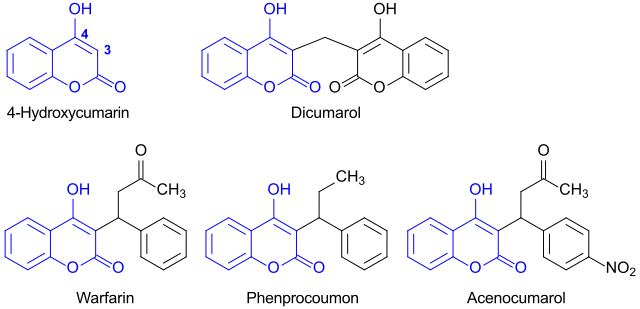
Anticoagulants are used to treat and prevent blood clots forming in blood vessels, such as in arteries or veins. How do anticoagulants work. Our bloo... DOACs are much more commonly-used now; most people find them easier to take, and they require monitoring much less often. In 2021, the UK's National Institute for Health and Care Excellence (NICE).

Patient information leaflet
Nephrotic syndrome
Nephrotic syndrome is a condition where the 'filters' in the kidney become 'leaky' and large amounts of protein leak from the blood into the urine. The main symptom is fluid retention (oedema) which is mainly due to the low protein level in the blood. Various diseases can cause nephrotic syndrome, some more serious than others. What is nephrotic.

Patient information leaflet
The immune system
This leaflet gives a brief overview of the immune system and how it works. A person with a weak immune system might have difficulty fighting off infections. In autoimmune diseases the body is unable to tell what is its own and what is foreign, so it attacks itself. Autoimmune diseases can attack any part of the body - eg, type 1 diabetes.

Patient information leaflet
Liver function tests
Liver function tests are a set of blood tests commonly done to check on the health of your liver. Changes in liver function tests give a clue as to whether your liver is under strain, inflamed, infected or diseased, and how badly. The pattern of the liver function tests can give a clue to the cause and can allow early detection of unsuspected.

Patient information leaflet
Dukan diet
The Dukan diet was developed by Pierre Dukan. It is one of the high-protein diets in which both fats and carbohydrates are restricted. This is unlike the Atkins diet Atkins diet , ketogenic diet, and other low-carbohydrate:high-fat (LCHF) diets, in which fat is not restricted. The Dukan diet consists of four phases designed to aid fast weight loss.
Further reading and references
- RAB3 GTPase activating protein catalytic subunit 1; MedlinePlus, National Library of Medicine.
- Aligianis IA, Johnson CA, Gissen P, Chen D, Hampshire D, Hoffmann K, Maina EN, Morgan NV, Tee L, Morton J, Ainsworth JR, Horn D, Rosser E, Cole TR, Stolte-Dijkstra I, Fieggen K, Clayton-Smith J, Megarbane A, Shield JP, Newbury-Ecob R, Dobyns WB, Graham JM Jr, Kjaer KW, Warburg M, Bond J, Trembath RC, Harris LW, Takai Y, Mundlos S, Tannahill D, Woods CG, Maher ER. Mutations of the catalytic subunit of RAB3GAP cause Warburg Micro syndrome. Nat Genet. 2005 Mar;37(3):221-3. doi: 10.1038/ng1517.
- Feldmann A, Bekbulat F, Huesmann H, Ulbrich S, Tatzelt J, Behl C, Kern A. The RAB GTPase RAB18 modulates macroautophagy and proteostasis. Biochem Biophys Res Commun. 2017 May 6;486(3):738-743. doi: 10.1016/j.bbrc.2017.03.112. Epub 2017 Mar 22.
- Gerondopoulos A, Bastos RN, Yoshimura S, Anderson R, Carpanini S, Aligianis I, Handley MT, Barr FA. Rab18 and a Rab18 GEF complex are required for normal ER structure. J Cell Biol. 2014 Jun 9;205(5):707-20. doi: 10.1083/jcb.201403026. Epub 2014 Jun 2.
- Handley MT, Carpanini SM, Mali GR, Sidjanin DJ, Aligianis IA, Jackson IJ, FitzPatrick DR. Warburg Micro syndrome is caused by RAB18 deficiency or dysregulation. Open Biol. 2015 Jun;5(6):150047. doi: 10.1098/rsob.150047.
- Sakane A, Manabe S, Ishizaki H, Tanaka-Okamoto M, Kiyokage E, Toida K, Yoshida T, Miyoshi J, Kamiya H, Takai Y, Sasaki T. Rab3 GTPase-activating protein regulates synaptic transmission and plasticity through the inactivation of Rab3. Proc Natl Acad Sci U S A. 2006 Jun 27;103(26):10029-34. doi: 10.1073/pnas.0600304103. Epub 2006 Jun 16.
Share your thoughts or experiences with others in our patient communities.
Simple access to trusted treatments and health services online.
Common conditions
Get help with common conditions through the NHS, without a GP appointment.





Sign up to the Patient newsletter
Your weekly dose of clear, trustworthy health advice - written to help you feel informed, confident and in control.
By subscribing you accept our Privacy Policy. You can unsubscribe at any time. We never sell your data.